First Dam
About First Dam
Description
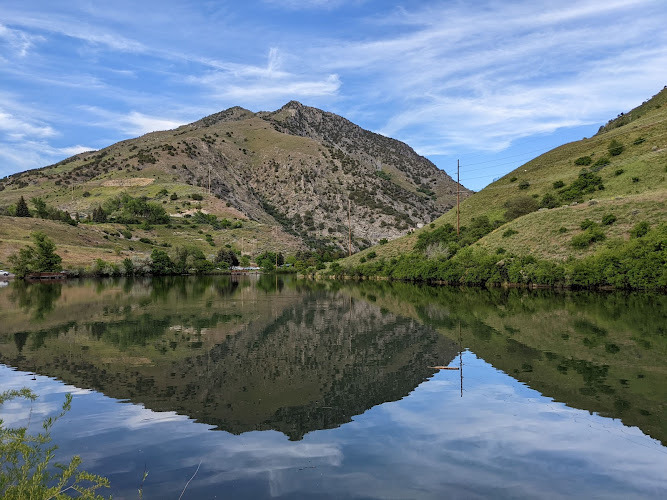
The First Dam stands as a remarkable testament to ancient engineering prowess, drawing visitors from around the globe who seek to witness one of humanity's earliest attempts at water management. This historic structure, dating back to the 2nd century BC, offers travelers a unique glimpse into the sophisticated hydraulic knowledge our ancestors possessed centuries ago.
What strikes most visitors first isn't just the dam's impressive age, but how well it continues to function after more than two millennia. The surrounding park area has been thoughtfully developed to accommodate modern visitors while preserving the site's historical integrity. You'll find yourself walking through landscapes that have been shaped by human ingenuity for over 2,000 years.
The park encompasses not only the dam structure itself but also expansive green spaces perfect for families seeking both education and recreation. And honestly, there's something pretty magical about having your lunch in the shadow of such an ancient marvel of engineering. The contrast between modern picnic tables and ancient stonework creates a unique atmosphere that you simply can't experience anywhere else.
Many travelers are surprised to learn that this isn't just a static historical monument - it's a living piece of infrastructure that continues to serve its original purpose. The dam still manages water flow, making it one of the world's oldest continuously operating hydraulic structures. This functionality adds an extra layer of fascination for engineering enthusiasts and history buffs alike.
Key Features
The First Dam park offers an impressive array of amenities and features that make it an ideal destination for diverse groups of travelers:
- Historical Significance: Experience the world's oldest functioning dam, a 2nd century BC engineering marvel that showcases ancient hydraulic technology
- Family-Friendly Facilities: Well-maintained picnic areas with tables and barbecue grills perfect for extended family gatherings
- Hiking Opportunities: Kid-friendly trails that wind around the dam structure, offering multiple vantage points for photography and exploration
- Accessibility Features: Wheelchair accessible entrances and parking lots ensure all visitors can enjoy the site comfortably
- Pet-Friendly Environment: Dogs are welcome throughout the park, making it an excellent choice for travelers with four-legged companions
- Modern Conveniences: Clean public restrooms and well-maintained facilities blend seamlessly with the historical setting
- Educational Value: Informal learning opportunities about ancient engineering, water management, and historical construction techniques
- Scenic Photography: Multiple angles and perspectives of the ancient structure against natural backdrops
But here's what most guidebooks don't tell you - the acoustics around the dam are absolutely fascinating. The way sound travels across the water and bounces off the ancient stones creates an almost ethereal experience, especially during quieter morning hours.
Best Time to Visit
Timing your visit to the First Dam can significantly impact your experience, and I've learned this lesson the hard way after visiting during peak summer heat once. The ideal window falls between October and March when temperatures are more manageable and the harsh sun won't make your historical exploration feel like an endurance test.
Early morning visits, particularly between 7 AM and 10 AM, offer the most serene experience. You'll encounter fewer crowds, better lighting for photography, and the chance to hear the subtle sounds of water flowing through ancient channels without the distraction of chattering tour groups. Plus, the morning light hitting the old stonework creates some pretty spectacular photo opportunities.
Monsoon season presents a double-edged sword for visitors. While the increased water flow makes the dam's function more dramatic and visually impressive, accessibility can become challenging. The trails might get muddy, and some areas could be temporarily restricted for safety reasons. However, if you don't mind getting a bit wet and want to see the dam operating at full capacity, monsoon visits can be incredibly rewarding.
Weekend visits tend to attract local families, which actually adds to the authentic experience - you'll see how the site serves the community beyond just tourism. But if you prefer a quieter, more contemplative visit, weekday mornings are your best bet. The park tends to be busiest between 11 AM and 4 PM, especially on weekends and holidays.
How to Get There
Getting to the First Dam requires some planning, but the journey itself becomes part of the adventure. Most travelers find that renting a car provides the most flexibility, especially if you're planning to explore other historical sites in the region during your trip.
The nearest major airport typically serves as your entry point, followed by either a domestic connecting flight to a regional airport or a scenic drive of approximately 3-4 hours. And let me tell you, that drive offers some incredible countryside views that help set the mood for your historical exploration.
Public transportation options exist but require patience and flexibility. Bus services connect major cities to the region, though you'll likely need to arrange local transportation for the final stretch to the park entrance. Local taxis and auto-rickshaws are readily available, and drivers often serve as informal guides with fascinating stories about the area's history.
Train travel presents another option for adventurous travelers. The nearest railway station sits about 45 minutes from the dam site, and the short journey through rural landscapes provides an authentic glimpse into local life. Station areas usually have taxi services or local buses that can complete your journey.
For international visitors, I'd recommend coordinating with your accommodation provider about transportation arrangements. Many local hotels and guesthouses offer pickup services or can arrange reliable drivers who know the area well. This eliminates navigation stress and ensures you don't miss any interesting stops along the way.
Tips for Visiting
Successful visits to the First Dam depend heavily on proper preparation and realistic expectations. First things first - bring way more water than you think you'll need. The combination of walking, warm weather, and historical excitement tends to dehydrate visitors faster than they realize.
Comfortable walking shoes are absolutely essential. You'll be traversing uneven surfaces, ancient pathways, and potentially wet areas near the water. Those Instagram-worthy sandals might look great in photos, but they'll make your exploration miserable. Trust me on this one - I've seen too many visitors struggling with inappropriate footwear.
Pack a substantial picnic lunch and plan to stay longer than initially intended. Most people budget 2-3 hours but end up spending 4-5 hours once they start exploring the various trails and soaking in the historical atmosphere. The park's picnic facilities are excellent, and there's something uniquely satisfying about dining in such an ancient setting.
Photography enthusiasts should bring extra batteries and memory cards. The combination of historical architecture, natural landscapes, and interesting lighting conditions creates countless photo opportunities. But also remember to put the camera down occasionally and simply absorb the experience.
Weather protection is crucial regardless of season. Sun hats and sunscreen for warm months, light rain gear during monsoon season, and layers for cooler periods. The microclimate around water bodies can be unpredictable, and you'll want to stay comfortable throughout your visit.
Consider bringing a basic first aid kit, especially if traveling with children or elderly family members. While the park maintains good safety standards, having bandages and pain relievers on hand provides peace of mind during your exploration.
Most importantly, approach your visit with patience and curiosity rather than rushing through like it's just another tourist checkbox. The First Dam rewards visitors who take time to appreciate both its historical significance and natural beauty. Strike up conversations with local visitors - they often share fascinating stories and perspectives that enrich your understanding of the site's cultural importance.
Key Features
- Key Features
- Best Time to Visit
- How to Get There
- Tips for Visiting
More Details
Updated September 15, 2025
Table of Contents
Description
The First Dam stands as a remarkable testament to ancient engineering prowess, drawing visitors from around the globe who seek to witness one of humanity’s earliest attempts at water management. This historic structure, dating back to the 2nd century BC, offers travelers a unique glimpse into the sophisticated hydraulic knowledge our ancestors possessed centuries ago.
What strikes most visitors first isn’t just the dam’s impressive age, but how well it continues to function after more than two millennia. The surrounding park area has been thoughtfully developed to accommodate modern visitors while preserving the site’s historical integrity. You’ll find yourself walking through landscapes that have been shaped by human ingenuity for over 2,000 years.
The park encompasses not only the dam structure itself but also expansive green spaces perfect for families seeking both education and recreation. And honestly, there’s something pretty magical about having your lunch in the shadow of such an ancient marvel of engineering. The contrast between modern picnic tables and ancient stonework creates a unique atmosphere that you simply can’t experience anywhere else.
Many travelers are surprised to learn that this isn’t just a static historical monument – it’s a living piece of infrastructure that continues to serve its original purpose. The dam still manages water flow, making it one of the world’s oldest continuously operating hydraulic structures. This functionality adds an extra layer of fascination for engineering enthusiasts and history buffs alike.
Key Features
The First Dam park offers an impressive array of amenities and features that make it an ideal destination for diverse groups of travelers:
- Historical Significance: Experience the world’s oldest functioning dam, a 2nd century BC engineering marvel that showcases ancient hydraulic technology
- Family-Friendly Facilities: Well-maintained picnic areas with tables and barbecue grills perfect for extended family gatherings
- Hiking Opportunities: Kid-friendly trails that wind around the dam structure, offering multiple vantage points for photography and exploration
- Accessibility Features: Wheelchair accessible entrances and parking lots ensure all visitors can enjoy the site comfortably
- Pet-Friendly Environment: Dogs are welcome throughout the park, making it an excellent choice for travelers with four-legged companions
- Modern Conveniences: Clean public restrooms and well-maintained facilities blend seamlessly with the historical setting
- Educational Value: Informal learning opportunities about ancient engineering, water management, and historical construction techniques
- Scenic Photography: Multiple angles and perspectives of the ancient structure against natural backdrops
But here’s what most guidebooks don’t tell you – the acoustics around the dam are absolutely fascinating. The way sound travels across the water and bounces off the ancient stones creates an almost ethereal experience, especially during quieter morning hours.
Best Time to Visit
Timing your visit to the First Dam can significantly impact your experience, and I’ve learned this lesson the hard way after visiting during peak summer heat once. The ideal window falls between October and March when temperatures are more manageable and the harsh sun won’t make your historical exploration feel like an endurance test.
Early morning visits, particularly between 7 AM and 10 AM, offer the most serene experience. You’ll encounter fewer crowds, better lighting for photography, and the chance to hear the subtle sounds of water flowing through ancient channels without the distraction of chattering tour groups. Plus, the morning light hitting the old stonework creates some pretty spectacular photo opportunities.
Monsoon season presents a double-edged sword for visitors. While the increased water flow makes the dam’s function more dramatic and visually impressive, accessibility can become challenging. The trails might get muddy, and some areas could be temporarily restricted for safety reasons. However, if you don’t mind getting a bit wet and want to see the dam operating at full capacity, monsoon visits can be incredibly rewarding.
Weekend visits tend to attract local families, which actually adds to the authentic experience – you’ll see how the site serves the community beyond just tourism. But if you prefer a quieter, more contemplative visit, weekday mornings are your best bet. The park tends to be busiest between 11 AM and 4 PM, especially on weekends and holidays.
How to Get There
Getting to the First Dam requires some planning, but the journey itself becomes part of the adventure. Most travelers find that renting a car provides the most flexibility, especially if you’re planning to explore other historical sites in the region during your trip.
The nearest major airport typically serves as your entry point, followed by either a domestic connecting flight to a regional airport or a scenic drive of approximately 3-4 hours. And let me tell you, that drive offers some incredible countryside views that help set the mood for your historical exploration.
Public transportation options exist but require patience and flexibility. Bus services connect major cities to the region, though you’ll likely need to arrange local transportation for the final stretch to the park entrance. Local taxis and auto-rickshaws are readily available, and drivers often serve as informal guides with fascinating stories about the area’s history.
Train travel presents another option for adventurous travelers. The nearest railway station sits about 45 minutes from the dam site, and the short journey through rural landscapes provides an authentic glimpse into local life. Station areas usually have taxi services or local buses that can complete your journey.
For international visitors, I’d recommend coordinating with your accommodation provider about transportation arrangements. Many local hotels and guesthouses offer pickup services or can arrange reliable drivers who know the area well. This eliminates navigation stress and ensures you don’t miss any interesting stops along the way.
Tips for Visiting
Successful visits to the First Dam depend heavily on proper preparation and realistic expectations. First things first – bring way more water than you think you’ll need. The combination of walking, warm weather, and historical excitement tends to dehydrate visitors faster than they realize.
Comfortable walking shoes are absolutely essential. You’ll be traversing uneven surfaces, ancient pathways, and potentially wet areas near the water. Those Instagram-worthy sandals might look great in photos, but they’ll make your exploration miserable. Trust me on this one – I’ve seen too many visitors struggling with inappropriate footwear.
Pack a substantial picnic lunch and plan to stay longer than initially intended. Most people budget 2-3 hours but end up spending 4-5 hours once they start exploring the various trails and soaking in the historical atmosphere. The park’s picnic facilities are excellent, and there’s something uniquely satisfying about dining in such an ancient setting.
Photography enthusiasts should bring extra batteries and memory cards. The combination of historical architecture, natural landscapes, and interesting lighting conditions creates countless photo opportunities. But also remember to put the camera down occasionally and simply absorb the experience.
Weather protection is crucial regardless of season. Sun hats and sunscreen for warm months, light rain gear during monsoon season, and layers for cooler periods. The microclimate around water bodies can be unpredictable, and you’ll want to stay comfortable throughout your visit.
Consider bringing a basic first aid kit, especially if traveling with children or elderly family members. While the park maintains good safety standards, having bandages and pain relievers on hand provides peace of mind during your exploration.
Most importantly, approach your visit with patience and curiosity rather than rushing through like it’s just another tourist checkbox. The First Dam rewards visitors who take time to appreciate both its historical significance and natural beauty. Strike up conversations with local visitors – they often share fascinating stories and perspectives that enrich your understanding of the site’s cultural importance.
Key Highlights
- Key Features
- Best Time to Visit
- How to Get There
- Tips for Visiting
Location
Places to Stay Near First Dam
Find and Book a Tour
Explore More Travel Guides
No reviews found! Be the first to review!
Traveler Reviews for First Dam
There are no reviews yet. Be the first one to write one.
Have you visited First Dam? Help other travelers by sharing your review.
Find Accommodations Nearby
Recommended Tours & Activities
Visitor Reviews
There are no reviews yet. Be the first one to write one.
Share Your Experience
Have you visited First Dam? Help other travelers by leaving a review.
