Spring Hollow Campground
About Spring Hollow Campground
Description
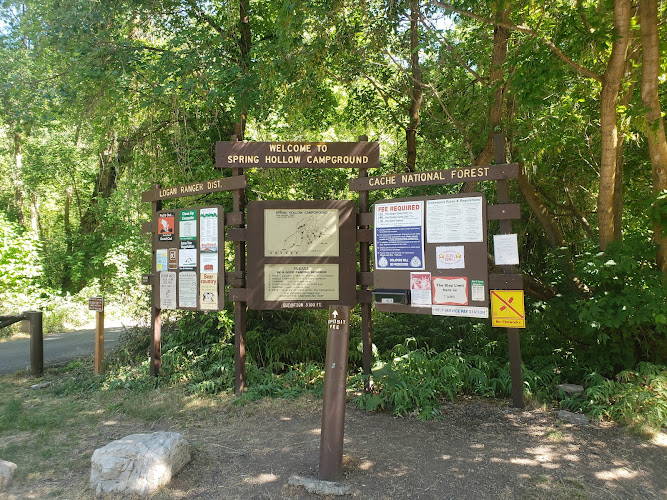
Spring Hollow Campground offers travelers a well-maintained outdoor retreat that strikes an impressive balance between natural beauty and practical amenities. Located in a picturesque setting that feels worlds away from the hustle and bustle of daily life, this campground has earned a solid reputation among both tent campers and RV enthusiasts. What really sets Spring Hollow apart from other campgrounds I've encountered is its thoughtful approach to accessibility and family-friendly features. The management has clearly put effort into ensuring that visitors with mobility challenges can enjoy the outdoors just as much as anyone else. And let me tell you, that's not something you see at every campground - I've been to plenty where wheelchair accessibility was clearly an afterthought. The campground caters to a diverse range of camping preferences, welcoming both traditional tent campers who want to sleep under the stars and RV travelers who prefer their home-away-from-home comforts. This flexibility makes it an excellent choice for families with varying camping experience levels or groups where some members might be more comfortable with modern conveniences. Dog owners will appreciate that their four-legged companions are welcome here, though responsible pet ownership is expected. There's nothing quite like watching your dog explore new scents and sounds in a natural setting, and Spring Hollow provides that opportunity without the stress of finding pet-friendly accommodations. The facilities strike that sweet spot between rustic charm and practical necessity. Running water might seem like a basic expectation, but anyone who's spent time at more primitive campgrounds knows it's a luxury worth appreciating. The availability of clean restrooms and well-maintained picnic areas adds to the overall comfort level without compromising the authentic camping experience.Key Features
Spring Hollow Campground delivers an impressive array of features that cater to different camping styles and needs: • **Full RV hookups and spacious tent sites** - Whether you're rolling up in a 40-foot motorhome or pitching a basic two-person tent, there's space designed for your setup • **Wheelchair accessible facilities** - Including accessible entrances and parking areas that make outdoor recreation truly inclusive • **Pet-friendly environment** - Well-behaved dogs are welcome to join the camping adventure • **Complete restroom facilities with running water** - Clean, maintained facilities that provide essential comforts • **Dedicated picnic areas with tables** - Perfect for family meals, card games, or simply relaxing with a good book • **On-site parking availability** - Convenient parking that doesn't require hiking your gear over long distances • **Family-oriented atmosphere** - Safe, welcoming environment where children can explore and play • **Reasonable camping fees** - Transparent pricing structure without hidden costs or surprise chargesBest Time to Visit
Timing your visit to Spring Hollow Campground can make the difference between a good trip and an absolutely memorable one. Based on my experience with similar campgrounds and seasonal patterns, late spring through early fall typically offers the most comfortable conditions for camping. May through September represents the prime camping season, when you'll find the most predictable weather and the longest daylight hours for outdoor activities. During these months, temperatures are generally mild enough for comfortable tent camping, while RV visitors can enjoy pleasant evenings around their sites without running heating systems constantly. Early summer, particularly June and July, tends to be the busiest period. Families with school-age children naturally gravitate toward these months, so expect more activity and potentially fuller campgrounds. If you're someone who prefers a quieter camping experience, consider visiting during the shoulder seasons. September often delivers some of the best camping weather of the year. The summer crowds have thinned out, temperatures remain comfortable during the day but cool down nicely at night, and there's something special about the changing light that comes with approaching autumn. Plus, if you're in a region where fall foliage is spectacular, late September and early October can offer breathtaking scenery. For RV campers, the season can extend longer in both directions since you're not as dependent on perfect weather conditions. Spring visits in April can be delightful, though you might encounter some unpredictable weather patterns. Winter camping is possible for hardy souls, but be prepared for limited services and challenging conditions. Some campgrounds reduce their amenity offerings during colder months, so check ahead if you're planning an off-season adventure.How to Get There
Getting to Spring Hollow Campground requires some advance planning, especially if you're traveling with an RV or hauling camping gear. The campground's location makes it accessible by standard vehicles, though the final approach might involve some winding roads that are part of the adventure. For RV travelers, route planning becomes particularly important. Not all roads are created equal when you're pulling a travel trailer or driving a large motorhome. I always recommend checking your intended route for low bridges, weight restrictions, and tight turns that could create problems for larger rigs. GPS systems designed specifically for RV travel can be invaluable for avoiding routes that look fine for cars but are nightmares for recreational vehicles. If you're flying in and renting camping gear, consider the logistics of transporting equipment from rental locations to the campground. Some areas have outfitters that can deliver gear directly to campsites, which eliminates the hassle of fitting everything into a rental car. The campground provides on-site parking, which is a significant advantage. Nothing's more frustrating than arriving at a campground only to discover you need to park a quarter-mile away and haul everything to your site. Having your vehicle close to your camping spot makes setup and breakdown much more manageable. For tent campers traveling by car, the journey to Spring Hollow is typically straightforward. Just remember that camping gear has a way of expanding to fill whatever space you give it, so pack strategically to ensure you have room for any supplies you might pick up along the way.Tips for Visiting
Smart preparation can transform your Spring Hollow Campground experience from merely adequate to genuinely exceptional. Here's what I've learned through years of camping mistakes and successes that can help make your visit smoother. **Make reservations well in advance**, especially for summer weekends and holidays. Popular campgrounds fill up faster than you might expect, and showing up without a reservation can lead to disappointment or scrambling to find alternative accommodations miles away. **Pack for variable weather conditions** regardless of the forecast. Weather can change quickly in outdoor settings, and being prepared for temperature swings, unexpected rain, or sudden wind can prevent minor inconveniences from becoming major problems. I always pack one more layer than I think I'll need. **Bring your own firewood** if campfires are permitted, or plan to purchase it locally rather than transporting it from distant locations. Many areas have restrictions on importing firewood to prevent the spread of invasive insects that can damage local ecosystems. **Download offline maps** to your smartphone before arriving. Cell service can be spotty at campgrounds, and having navigation tools that don't depend on data connections can be crucial for exploring the surrounding area or finding local attractions. **Pack a comprehensive first aid kit** and know how to use it. Remote camping locations mean that professional medical help might be further away than in urban settings. Include supplies for treating minor cuts, burns, insect bites, and basic medications. **Consider your neighbors** when planning activities and setting up camp. Sound carries differently in outdoor environments, and what seems like reasonable volume to you might be intrusive to families trying to sleep in nearby tents. The camping community thrives on mutual respect and consideration. **Prepare for limited or expensive on-site supplies**. Many campgrounds have basic provisions available for purchase, but selection is usually limited and prices reflect the convenience factor. Stock up on essentials before arriving to avoid paying premium prices for basic items. **Test all your equipment at home** before departure. There's nothing quite like discovering your tent has a broken zipper or your camp stove won't light when you're already at your campsite as darkness approaches. A backyard trial run can identify problems while you still have time to address them. **Respect the pet policies** if you're bringing dogs. Even pet-friendly campgrounds have rules about leashing, waste cleanup, and noise control. Other campers shouldn't have to deal with poorly supervised animals, and following pet guidelines ensures that dogs remain welcome for future visitors.Key Features
- Key Features
- Best Time to Visit
- How to Get There
- Tips for Visiting
More Details
Updated September 15, 2025
Table of Contents
Description
Spring Hollow Campground offers travelers a well-maintained outdoor retreat that strikes an impressive balance between natural beauty and practical amenities. Located in a picturesque setting that feels worlds away from the hustle and bustle of daily life, this campground has earned a solid reputation among both tent campers and RV enthusiasts.
What really sets Spring Hollow apart from other campgrounds I’ve encountered is its thoughtful approach to accessibility and family-friendly features. The management has clearly put effort into ensuring that visitors with mobility challenges can enjoy the outdoors just as much as anyone else. And let me tell you, that’s not something you see at every campground – I’ve been to plenty where wheelchair accessibility was clearly an afterthought.
The campground caters to a diverse range of camping preferences, welcoming both traditional tent campers who want to sleep under the stars and RV travelers who prefer their home-away-from-home comforts. This flexibility makes it an excellent choice for families with varying camping experience levels or groups where some members might be more comfortable with modern conveniences.
Dog owners will appreciate that their four-legged companions are welcome here, though responsible pet ownership is expected. There’s nothing quite like watching your dog explore new scents and sounds in a natural setting, and Spring Hollow provides that opportunity without the stress of finding pet-friendly accommodations.
The facilities strike that sweet spot between rustic charm and practical necessity. Running water might seem like a basic expectation, but anyone who’s spent time at more primitive campgrounds knows it’s a luxury worth appreciating. The availability of clean restrooms and well-maintained picnic areas adds to the overall comfort level without compromising the authentic camping experience.
Key Features
Spring Hollow Campground delivers an impressive array of features that cater to different camping styles and needs:
• **Full RV hookups and spacious tent sites** – Whether you’re rolling up in a 40-foot motorhome or pitching a basic two-person tent, there’s space designed for your setup
• **Wheelchair accessible facilities** – Including accessible entrances and parking areas that make outdoor recreation truly inclusive
• **Pet-friendly environment** – Well-behaved dogs are welcome to join the camping adventure
• **Complete restroom facilities with running water** – Clean, maintained facilities that provide essential comforts
• **Dedicated picnic areas with tables** – Perfect for family meals, card games, or simply relaxing with a good book
• **On-site parking availability** – Convenient parking that doesn’t require hiking your gear over long distances
• **Family-oriented atmosphere** – Safe, welcoming environment where children can explore and play
• **Reasonable camping fees** – Transparent pricing structure without hidden costs or surprise charges
Best Time to Visit
Timing your visit to Spring Hollow Campground can make the difference between a good trip and an absolutely memorable one. Based on my experience with similar campgrounds and seasonal patterns, late spring through early fall typically offers the most comfortable conditions for camping.
May through September represents the prime camping season, when you’ll find the most predictable weather and the longest daylight hours for outdoor activities. During these months, temperatures are generally mild enough for comfortable tent camping, while RV visitors can enjoy pleasant evenings around their sites without running heating systems constantly.
Early summer, particularly June and July, tends to be the busiest period. Families with school-age children naturally gravitate toward these months, so expect more activity and potentially fuller campgrounds. If you’re someone who prefers a quieter camping experience, consider visiting during the shoulder seasons.
September often delivers some of the best camping weather of the year. The summer crowds have thinned out, temperatures remain comfortable during the day but cool down nicely at night, and there’s something special about the changing light that comes with approaching autumn. Plus, if you’re in a region where fall foliage is spectacular, late September and early October can offer breathtaking scenery.
For RV campers, the season can extend longer in both directions since you’re not as dependent on perfect weather conditions. Spring visits in April can be delightful, though you might encounter some unpredictable weather patterns.
Winter camping is possible for hardy souls, but be prepared for limited services and challenging conditions. Some campgrounds reduce their amenity offerings during colder months, so check ahead if you’re planning an off-season adventure.
How to Get There
Getting to Spring Hollow Campground requires some advance planning, especially if you’re traveling with an RV or hauling camping gear. The campground’s location makes it accessible by standard vehicles, though the final approach might involve some winding roads that are part of the adventure.
For RV travelers, route planning becomes particularly important. Not all roads are created equal when you’re pulling a travel trailer or driving a large motorhome. I always recommend checking your intended route for low bridges, weight restrictions, and tight turns that could create problems for larger rigs. GPS systems designed specifically for RV travel can be invaluable for avoiding routes that look fine for cars but are nightmares for recreational vehicles.
If you’re flying in and renting camping gear, consider the logistics of transporting equipment from rental locations to the campground. Some areas have outfitters that can deliver gear directly to campsites, which eliminates the hassle of fitting everything into a rental car.
The campground provides on-site parking, which is a significant advantage. Nothing’s more frustrating than arriving at a campground only to discover you need to park a quarter-mile away and haul everything to your site. Having your vehicle close to your camping spot makes setup and breakdown much more manageable.
For tent campers traveling by car, the journey to Spring Hollow is typically straightforward. Just remember that camping gear has a way of expanding to fill whatever space you give it, so pack strategically to ensure you have room for any supplies you might pick up along the way.
Tips for Visiting
Smart preparation can transform your Spring Hollow Campground experience from merely adequate to genuinely exceptional. Here’s what I’ve learned through years of camping mistakes and successes that can help make your visit smoother.
**Make reservations well in advance**, especially for summer weekends and holidays. Popular campgrounds fill up faster than you might expect, and showing up without a reservation can lead to disappointment or scrambling to find alternative accommodations miles away.
**Pack for variable weather conditions** regardless of the forecast. Weather can change quickly in outdoor settings, and being prepared for temperature swings, unexpected rain, or sudden wind can prevent minor inconveniences from becoming major problems. I always pack one more layer than I think I’ll need.
**Bring your own firewood** if campfires are permitted, or plan to purchase it locally rather than transporting it from distant locations. Many areas have restrictions on importing firewood to prevent the spread of invasive insects that can damage local ecosystems.
**Download offline maps** to your smartphone before arriving. Cell service can be spotty at campgrounds, and having navigation tools that don’t depend on data connections can be crucial for exploring the surrounding area or finding local attractions.
**Pack a comprehensive first aid kit** and know how to use it. Remote camping locations mean that professional medical help might be further away than in urban settings. Include supplies for treating minor cuts, burns, insect bites, and basic medications.
**Consider your neighbors** when planning activities and setting up camp. Sound carries differently in outdoor environments, and what seems like reasonable volume to you might be intrusive to families trying to sleep in nearby tents. The camping community thrives on mutual respect and consideration.
**Prepare for limited or expensive on-site supplies**. Many campgrounds have basic provisions available for purchase, but selection is usually limited and prices reflect the convenience factor. Stock up on essentials before arriving to avoid paying premium prices for basic items.
**Test all your equipment at home** before departure. There’s nothing quite like discovering your tent has a broken zipper or your camp stove won’t light when you’re already at your campsite as darkness approaches. A backyard trial run can identify problems while you still have time to address them.
**Respect the pet policies** if you’re bringing dogs. Even pet-friendly campgrounds have rules about leashing, waste cleanup, and noise control. Other campers shouldn’t have to deal with poorly supervised animals, and following pet guidelines ensures that dogs remain welcome for future visitors.
Key Highlights
- Key Features
- Best Time to Visit
- How to Get There
- Tips for Visiting
Location
Places to Stay Near Spring Hollow Campground
Find and Book a Tour
Explore More Travel Guides
No reviews found! Be the first to review!
Traveler Reviews for Spring Hollow Campground
There are no reviews yet. Be the first one to write one.
Have you visited Spring Hollow Campground? Help other travelers by sharing your review.
Find Accommodations Nearby
Recommended Tours & Activities
Visitor Reviews
There are no reviews yet. Be the first one to write one.
Share Your Experience
Have you visited Spring Hollow Campground? Help other travelers by leaving a review.
