About Denzil Stewart Nature Park

Description

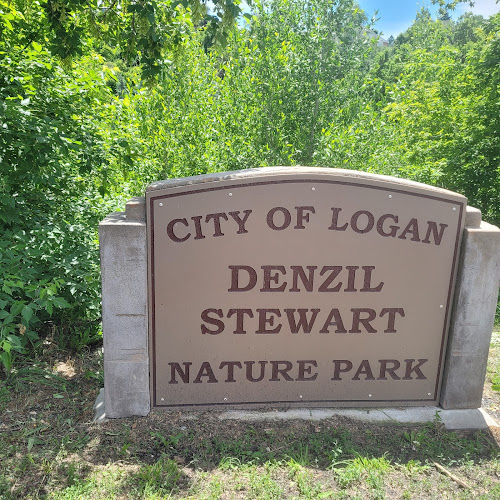
Denzil Stewart Nature Park stands as one of Logan's most cherished yet often overlooked destinations, tucked along the banks of the Logan River beneath the River Heights bluff. This compact urban oasis tells a story that goes far deeper than its modest size might suggest. Named after Denzil Stewart, who generously donated the land with the specific request that it remain a nature preserve forever, the park serves as both a peaceful retreat and an educational gateway into Cache Valley's rich cultural and natural heritage.

What makes this place truly special isn't just its scenic riverside location—though that certainly doesn't hurt. The park features nine thoughtfully placed informational signs that chronicle the fascinating history of the Shoshone tribe, offering visitors a rare glimpse into the indigenous peoples who called this valley home long before European settlement. It's one of the few places in northern Utah where you can actually learn about Native American history while enjoying the exact landscapes these communities once knew intimately.

The Logan River meanders peacefully through the park, creating a soundtrack of gentle flowing water that makes even the busiest day feel somehow slower and more deliberate. And honestly? That's exactly what most visitors need when they stumble upon this hidden gem. I've found that places like this—small, unpretentious, but deeply meaningful—often provide the most authentic experiences for travelers seeking something beyond the typical tourist trail.

Key Features

Denzil Stewart Nature Park packs an impressive array of features into its intimate setting, making it a surprisingly versatile destination for different types of visitors:

  • Educational Trail System: A wide, paved walkway winds through the park, punctuated by nine detailed informational signs covering both Shoshone tribal history and local wildlife—perfect for families wanting to combine recreation with learning
  • Logan River Access: Direct riverside positioning provides excellent opportunities for nature observation, photography, and peaceful contemplation alongside flowing water
  • Wheelchair Accessibility: The entire main trail system accommodates visitors with mobility challenges, featuring accessible parking and entrance points
  • Birding Paradise: The park's location along the river corridor creates exceptional birdwatching opportunities, particularly during migration seasons when species diversity peaks dramatically
  • Picnic Areas: Designated spaces with shelters allow families and groups to enjoy meals surrounded by nature
  • Pet-Friendly Environment: Dogs are welcome throughout the park, making it an ideal destination for travelers exploring with their four-legged companions
  • Cycling Infrastructure: Bike lanes connect the park to Logan's broader cycling network, appealing to active travelers who prefer exploring on two wheels
  • Kid-Friendly Design: Short distances, engaging educational content, and safe, contained areas make this particularly suitable for families with young children

But here's what really sets it apart from other small parks—the cultural education component. You don't just walk through pretty scenery; you're actively learning about the Shoshone people who lived sustainably in this exact ecosystem for generations. That kind of authentic cultural connection is becoming increasingly rare in our sanitized tourism landscape.

Best Time to Visit

The beauty of Denzil Stewart Nature Park lies partly in its year-round accessibility, though certain seasons definitely offer distinct advantages depending on what you're hoping to experience during your visit.

Spring (April through June) emerges as perhaps the most rewarding time for most travelers. The Logan River runs fuller during snowmelt season, creating more dramatic water sounds and visual appeal. Migrating birds pass through the area in impressive numbers, making this peak birding season for enthusiasts. Temperatures remain comfortable for walking, usually ranging from the 50s to 70s Fahrenheit, and the surrounding vegetation begins showing fresh green growth that photographs beautifully.

Summer months bring their own appeal, particularly for families traveling with children. The longer daylight hours mean more flexibility in timing your visit, and the warm weather makes riverside picnicking especially enjoyable. However, summer can get surprisingly crowded—well, crowded by this park's standards anyway. You might encounter more local families using the space during peak vacation weeks.

Fall presents outstanding photographic opportunities as the cottonwoods and other riverside vegetation transition through spectacular color changes. September through October typically offers the best combination of pleasant temperatures and autumn scenery. Plus, summer crowds have dispersed, returning the park to its more contemplative atmosphere.

Winter visits require more preparation but reward hardy travelers with a completely different perspective on the landscape. Snow often blankets the informational signs, so educational aspects become less prominent, but the stark beauty of the snow-covered river valley creates compelling scenery. Just dress appropriately—Cache Valley winters can be genuinely cold.

Early morning visits during any season tend to offer the best wildlife viewing opportunities and the most peaceful atmosphere. Late afternoon provides excellent lighting for photography, particularly when the sun angles low across the water.

How to Get There

Getting to Denzil Stewart Nature Park requires a bit of local knowledge, since it's not the kind of destination that appears prominently on most tourist maps or GPS systems. The park sits at 698 East 100 South in Logan, which places it in a residential area rather than along major commercial corridors.

If you're driving from Logan's downtown core, head east on 100 South Street. The route takes you through established neighborhoods before reaching the park entrance. Parking is available directly at the site, including designated accessible spaces for visitors with mobility challenges. The parking area isn't huge—maybe twenty spaces total—but rarely fills completely except during peak summer weekends.

For travelers staying in Logan hotels or bed-and-breakfasts, the park lies within easy walking or cycling distance from most downtown accommodations. The route follows relatively quiet residential streets, making it pleasant for morning walks or evening strolls. Logan's compact size means most destinations remain accessible without lengthy drives.

Public transportation options in Logan are limited, as is common in smaller Utah cities. However, the park's central location makes it reachable by foot or bicycle from most visitor lodging. Utah State University students and visitors staying near campus will find the park particularly convenient.

If you're approaching Logan from out of state, the park provides an excellent first or last stop during your Cache Valley exploration. It's easily accessible from US Highway 89/91, which serves as the main north-south route through the area. From Salt Lake City, the drive takes approximately 90 minutes via I-15 north to Highway 89.

One navigation tip: don't rely entirely on GPS systems, which sometimes struggle with the park's residential location. Having the street address (698 E 100 S) and knowing to look for the Logan River will help ensure you find the correct entrance. The park isn't marked with large highway signs like major attractions, so keep your eyes peeled for more modest signage as you approach the area.

Tips for Visiting

Making the most of your Denzil Stewart Nature Park experience requires understanding both its strengths and limitations. This isn't Yellowstone or Zion—it's an intimate, educational space that rewards thoughtful exploration rather than rapid sightseeing.

Bring a camera, but don't expect sweeping mountain vistas. Instead, focus on detail shots: the texture of cottonwood bark, water patterns in the Logan River, wildlife close-ups, and the informational signs themselves. The park's educational panels contain historically significant information that many visitors overlook in their hurry to reach the next destination. Take time to actually read them—the Shoshone tribal history provides context for understanding the broader Cache Valley region.

Comfortable walking shoes are essential, even though the main trail is paved. You'll likely want to explore slightly off the beaten path, and riverside areas can be muddy or uneven. If you're traveling with young children, consider bringing a small backpack with snacks and water. The park doesn't have concession facilities, but its compact size makes carrying supplies manageable.

Timing your visit matters more than you might expect. Early morning hours typically offer the best wildlife viewing, particularly for bird enthusiasts. The resident and migrating species are most active during cooler parts of the day. Late afternoon provides beautiful lighting for photography but can be busier with local families.

Dog owners should keep pets leashed, both for wildlife protection and courtesy to other visitors. The park's small size means encounters with other dogs and people are frequent. Waste bags are your responsibility—pack them in and pack them out.

Weather preparation is crucial in Cache Valley, where conditions can change rapidly. Even summer visits benefit from bringing a light jacket, as temperatures drop quickly once the sun sets. Spring and fall visits require more substantial weather protection, and winter visits demand genuine cold-weather gear.

Don't rush through your visit. The park's educational value and peaceful atmosphere reward slow exploration rather than rapid tourism. Plan to spend at least 45 minutes to an hour if you want to read the informational signs and enjoy the riverside setting. Families with curious children might easily spend two hours exploring every corner and discussing the historical information.

Consider combining your visit with other Logan attractions, since the park itself represents more of a thoughtful interlude than a full-day destination. Utah State University campus, Logan Canyon, and the historic downtown area all lie within easy reach. But honestly? Sometimes these smaller, quieter places end up being the most memorable parts of any trip.

Key Features

  • Riparian wetlands and native grassland habitat
  • Paved loop trail with interpretive signage
  • Good birdwatching and seasonal wildflowers
  • Accessible location near downtown Logan and the Logan River
  • Community-driven restoration and educational projects (Audubon involvement)

More Details

Updated September 15, 2025

Description

Denzil Stewart Nature Park stands as one of Logan’s most cherished yet often overlooked destinations, tucked along the banks of the Logan River beneath the River Heights bluff. This compact urban oasis tells a story that goes far deeper than its modest size might suggest. Named after Denzil Stewart, who generously donated the land with the specific request that it remain a nature preserve forever, the park serves as both a peaceful retreat and an educational gateway into Cache Valley’s rich cultural and natural heritage.

What makes this place truly special isn’t just its scenic riverside location—though that certainly doesn’t hurt. The park features nine thoughtfully placed informational signs that chronicle the fascinating history of the Shoshone tribe, offering visitors a rare glimpse into the indigenous peoples who called this valley home long before European settlement. It’s one of the few places in northern Utah where you can actually learn about Native American history while enjoying the exact landscapes these communities once knew intimately.

The Logan River meanders peacefully through the park, creating a soundtrack of gentle flowing water that makes even the busiest day feel somehow slower and more deliberate. And honestly? That’s exactly what most visitors need when they stumble upon this hidden gem. I’ve found that places like this—small, unpretentious, but deeply meaningful—often provide the most authentic experiences for travelers seeking something beyond the typical tourist trail.

Key Features

Denzil Stewart Nature Park packs an impressive array of features into its intimate setting, making it a surprisingly versatile destination for different types of visitors:

  • Educational Trail System: A wide, paved walkway winds through the park, punctuated by nine detailed informational signs covering both Shoshone tribal history and local wildlife—perfect for families wanting to combine recreation with learning
  • Logan River Access: Direct riverside positioning provides excellent opportunities for nature observation, photography, and peaceful contemplation alongside flowing water
  • Wheelchair Accessibility: The entire main trail system accommodates visitors with mobility challenges, featuring accessible parking and entrance points
  • Birding Paradise: The park’s location along the river corridor creates exceptional birdwatching opportunities, particularly during migration seasons when species diversity peaks dramatically
  • Picnic Areas: Designated spaces with shelters allow families and groups to enjoy meals surrounded by nature
  • Pet-Friendly Environment: Dogs are welcome throughout the park, making it an ideal destination for travelers exploring with their four-legged companions
  • Cycling Infrastructure: Bike lanes connect the park to Logan’s broader cycling network, appealing to active travelers who prefer exploring on two wheels
  • Kid-Friendly Design: Short distances, engaging educational content, and safe, contained areas make this particularly suitable for families with young children

But here’s what really sets it apart from other small parks—the cultural education component. You don’t just walk through pretty scenery; you’re actively learning about the Shoshone people who lived sustainably in this exact ecosystem for generations. That kind of authentic cultural connection is becoming increasingly rare in our sanitized tourism landscape.

Best Time to Visit

The beauty of Denzil Stewart Nature Park lies partly in its year-round accessibility, though certain seasons definitely offer distinct advantages depending on what you’re hoping to experience during your visit.

Spring (April through June) emerges as perhaps the most rewarding time for most travelers. The Logan River runs fuller during snowmelt season, creating more dramatic water sounds and visual appeal. Migrating birds pass through the area in impressive numbers, making this peak birding season for enthusiasts. Temperatures remain comfortable for walking, usually ranging from the 50s to 70s Fahrenheit, and the surrounding vegetation begins showing fresh green growth that photographs beautifully.

Summer months bring their own appeal, particularly for families traveling with children. The longer daylight hours mean more flexibility in timing your visit, and the warm weather makes riverside picnicking especially enjoyable. However, summer can get surprisingly crowded—well, crowded by this park’s standards anyway. You might encounter more local families using the space during peak vacation weeks.

Fall presents outstanding photographic opportunities as the cottonwoods and other riverside vegetation transition through spectacular color changes. September through October typically offers the best combination of pleasant temperatures and autumn scenery. Plus, summer crowds have dispersed, returning the park to its more contemplative atmosphere.

Winter visits require more preparation but reward hardy travelers with a completely different perspective on the landscape. Snow often blankets the informational signs, so educational aspects become less prominent, but the stark beauty of the snow-covered river valley creates compelling scenery. Just dress appropriately—Cache Valley winters can be genuinely cold.

Early morning visits during any season tend to offer the best wildlife viewing opportunities and the most peaceful atmosphere. Late afternoon provides excellent lighting for photography, particularly when the sun angles low across the water.

How to Get There

Getting to Denzil Stewart Nature Park requires a bit of local knowledge, since it’s not the kind of destination that appears prominently on most tourist maps or GPS systems. The park sits at 698 East 100 South in Logan, which places it in a residential area rather than along major commercial corridors.

If you’re driving from Logan’s downtown core, head east on 100 South Street. The route takes you through established neighborhoods before reaching the park entrance. Parking is available directly at the site, including designated accessible spaces for visitors with mobility challenges. The parking area isn’t huge—maybe twenty spaces total—but rarely fills completely except during peak summer weekends.

For travelers staying in Logan hotels or bed-and-breakfasts, the park lies within easy walking or cycling distance from most downtown accommodations. The route follows relatively quiet residential streets, making it pleasant for morning walks or evening strolls. Logan’s compact size means most destinations remain accessible without lengthy drives.

Public transportation options in Logan are limited, as is common in smaller Utah cities. However, the park’s central location makes it reachable by foot or bicycle from most visitor lodging. Utah State University students and visitors staying near campus will find the park particularly convenient.

If you’re approaching Logan from out of state, the park provides an excellent first or last stop during your Cache Valley exploration. It’s easily accessible from US Highway 89/91, which serves as the main north-south route through the area. From Salt Lake City, the drive takes approximately 90 minutes via I-15 north to Highway 89.

One navigation tip: don’t rely entirely on GPS systems, which sometimes struggle with the park’s residential location. Having the street address (698 E 100 S) and knowing to look for the Logan River will help ensure you find the correct entrance. The park isn’t marked with large highway signs like major attractions, so keep your eyes peeled for more modest signage as you approach the area.

Tips for Visiting

Making the most of your Denzil Stewart Nature Park experience requires understanding both its strengths and limitations. This isn’t Yellowstone or Zion—it’s an intimate, educational space that rewards thoughtful exploration rather than rapid sightseeing.

Bring a camera, but don’t expect sweeping mountain vistas. Instead, focus on detail shots: the texture of cottonwood bark, water patterns in the Logan River, wildlife close-ups, and the informational signs themselves. The park’s educational panels contain historically significant information that many visitors overlook in their hurry to reach the next destination. Take time to actually read them—the Shoshone tribal history provides context for understanding the broader Cache Valley region.

Comfortable walking shoes are essential, even though the main trail is paved. You’ll likely want to explore slightly off the beaten path, and riverside areas can be muddy or uneven. If you’re traveling with young children, consider bringing a small backpack with snacks and water. The park doesn’t have concession facilities, but its compact size makes carrying supplies manageable.

Timing your visit matters more than you might expect. Early morning hours typically offer the best wildlife viewing, particularly for bird enthusiasts. The resident and migrating species are most active during cooler parts of the day. Late afternoon provides beautiful lighting for photography but can be busier with local families.

Dog owners should keep pets leashed, both for wildlife protection and courtesy to other visitors. The park’s small size means encounters with other dogs and people are frequent. Waste bags are your responsibility—pack them in and pack them out.

Weather preparation is crucial in Cache Valley, where conditions can change rapidly. Even summer visits benefit from bringing a light jacket, as temperatures drop quickly once the sun sets. Spring and fall visits require more substantial weather protection, and winter visits demand genuine cold-weather gear.

Don’t rush through your visit. The park’s educational value and peaceful atmosphere reward slow exploration rather than rapid tourism. Plan to spend at least 45 minutes to an hour if you want to read the informational signs and enjoy the riverside setting. Families with curious children might easily spend two hours exploring every corner and discussing the historical information.

Consider combining your visit with other Logan attractions, since the park itself represents more of a thoughtful interlude than a full-day destination. Utah State University campus, Logan Canyon, and the historic downtown area all lie within easy reach. But honestly? Sometimes these smaller, quieter places end up being the most memorable parts of any trip.

Key Highlights

  • Riparian wetlands and native grassland habitat
  • Paved loop trail with interpretive signage
  • Good birdwatching and seasonal wildflowers
  • Accessible location near downtown Logan and the Logan River
  • Community-driven restoration and educational projects (Audubon involvement)

Location

Places to Stay Near Denzil Stewart Nature Park

Find and Book a Tour

Explore More Travel Guides

No reviews found! Be the first to review!

Traveler Reviews for Denzil Stewart Nature Park

There are no reviews yet. Be the first one to write one.

Share Your Experience

Have you visited Denzil Stewart Nature Park? Help other travelers by sharing your review.

Nearby Attractions

Logan River Parkway Logan Canyon Scenic Byway (entrance toward outdoor recreation) Logan downtown historic district and restaurants

Find Accommodations Nearby

Recommended Tours & Activities

Visitor Reviews

There are no reviews yet. Be the first one to write one.

Share Your Experience

Have you visited Denzil Stewart Nature Park? Help other travelers by leaving a review.