
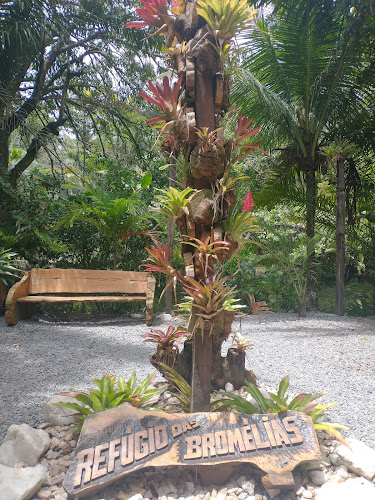
Refúgio das Bromélias
About Refúgio das Bromélias
Description
Refúgio das Bromélias stands as a remarkable environmental sanctuary dedicated to the preservation and conservation of Brazil's unique ecosystems. This tourist attraction offers visitors an authentic glimpse into the country's incredible biodiversity, with a particular focus on the fascinating world of bromeliads - those distinctive plants that include everything from pineapples to Spanish moss.
What makes this place truly special isn't just the scientific work happening behind the scenes, but how accessible they've made environmental education for everyday people. And honestly, in a world where we're constantly hearing doom and gloom about habitat destruction, it's refreshing to visit somewhere that's actively doing something positive about it.
The sanctuary serves as both a research facility and a public educational space, where conservation efforts meet community engagement. Visitors can expect to encounter carefully maintained trails, educational displays, and opportunities to learn about native plant species that many people have never heard of before. But don't worry - you don't need a botany degree to appreciate what's here. The staff does an excellent job of making complex ecological concepts understandable for visitors of all ages.
One thing that struck me during my research is how this isn't your typical "look but don't touch" nature experience. The sanctuary encourages interactive learning, which makes it particularly appealing for families with curious kids who want to understand more about environmental conservation.
Key Features
The sanctuary offers several distinctive features that set it apart from other nature attractions:
- Specialized bromeliad collections showcasing both common and rare species native to the region
- Wheelchair accessible facilities including entrance points and designated parking areas
- Educational walking trails designed for different fitness levels and time constraints
- Interactive learning stations that explain conservation techniques and environmental challenges
- Research observation areas where visitors can sometimes witness ongoing scientific work
- Native wildlife viewing opportunities as the preserved habitat attracts various bird and insect species
- Photography-friendly zones perfect for nature enthusiasts and social media sharing
- Family-oriented activities specifically designed to engage children with hands-on learning experiences
- Seasonal botanical displays that change throughout the year, offering different experiences for repeat visitors
- Conservation demonstration areas showing practical environmental protection methods
Best Time to Visit
Timing your visit to Refúgio das Bromélias can significantly impact your experience, and there's definitely some strategy involved here. The dry season, typically from May through September, offers the most comfortable walking conditions and clearest trail access. During these months, you'll encounter less humidity and fewer insects, making it ideal for families with young children or visitors who prefer more comfortable outdoor conditions.
However - and this might surprise some people - the wet season has its own unique advantages. From October through April, many of the bromeliads are in their prime growing season, displaying more dramatic colors and interesting growth patterns. The increased moisture also attracts more wildlife activity, so bird watchers and nature photographers might actually prefer these months despite the occasional rain shower.
Early morning visits, regardless of season, tend to offer the best experience. The sanctuary opens when temperatures are cooler, wildlife is more active, and you'll have better opportunities for photography without harsh midday lighting. Plus, there's something almost magical about experiencing a conservation area when it's peaceful and less crowded.
Weekdays generally see fewer visitors than weekends, which means more personalized attention from staff members and better opportunities to ask questions about the conservation work. But weekends often feature special educational programs that might not be available during regular weekday hours.
How to Get There
Getting to Refúgio das Bromélias requires some planning, but it's definitely doable for most travelers. The sanctuary is accessible by car, and they've made sure to provide adequate parking facilities, including designated spaces for visitors with mobility challenges.
Public transportation options exist, though they might require some transfers depending on your starting point. Local buses service the general area, but you may need to walk a short distance from the nearest bus stop. For visitors unfamiliar with local transportation systems, rideshare services or taxis offer a more straightforward option, though costs can add up for round-trip travel.
If you're staying in nearby accommodations, some hotels and guesthouses can arrange transportation or provide detailed directions. It's worth asking your lodging provider about this service, as they often have relationships with local drivers who know the area well.
For international visitors or those traveling from distant cities, flying into the nearest major airport and then arranging ground transportation is typically the most practical approach. Rental cars offer the most flexibility, especially if you plan to visit other attractions in the region during your stay.
One practical tip: GPS systems don't always have perfect accuracy for newer or smaller attractions, so having a backup navigation method or printed directions can save you time and frustration.
Tips for Visiting
Advanced ticket reservations are strongly recommended, and trust me on this one - showing up without a reservation can lead to disappointment, especially during peak tourist seasons. The sanctuary limits daily visitors to maintain the quality of experience and minimize environmental impact, which is actually pretty admirable from a conservation standpoint.
Comfortable walking shoes are essential, even though the trails are well-maintained. You'll be doing more walking than you might expect, and proper footwear makes the difference between an enjoyable educational experience and sore feet halfway through your visit. And speaking of footwear - closed-toe shoes are recommended for safety reasons, particularly if you plan to participate in any hands-on activities.
Bring water and light snacks, but be prepared to dispose of waste properly. The sanctuary takes environmental responsibility seriously, and visitors are expected to follow Leave No Trace principles. Some areas have designated eating zones, so plan accordingly.
Photography enthusiasts should bring extra battery packs and memory cards. The diversity of plant life and occasional wildlife sightings provide countless photo opportunities, and you'll probably take more pictures than initially planned. Natural lighting can be challenging under tree canopy, so adjustable camera settings will improve your results.
Weather preparation is crucial regardless of season. Even during dry months, afternoon showers can occur, so lightweight rain gear or an umbrella isn't a bad idea. Conversely, sunny days can be quite warm, making hats and sunscreen important for comfort.
Children tend to have great experiences here, but parents should bring activities for potential waiting periods or rest breaks. The educational components are engaging, but young attention spans might need occasional diversions. Staff members are generally very helpful with families, so don't hesitate to ask for suggestions about kid-friendly areas or activities.
Finally, approach your visit with realistic expectations about what this type of attraction offers. This isn't an adrenaline-pumping adventure park - it's an educational conservation facility that happens to be quite beautiful and interesting. Visitors who understand this distinction tend to have more satisfying experiences and appreciate the important environmental work being done here.
Key Features
- Key Features
- Best Time to Visit
- How to Get There
- Tips for Visiting
More Details
Updated September 16, 2025
Table of Contents
Description
Refúgio das Bromélias stands as a remarkable environmental sanctuary dedicated to the preservation and conservation of Brazil’s unique ecosystems. This tourist attraction offers visitors an authentic glimpse into the country’s incredible biodiversity, with a particular focus on the fascinating world of bromeliads – those distinctive plants that include everything from pineapples to Spanish moss.
What makes this place truly special isn’t just the scientific work happening behind the scenes, but how accessible they’ve made environmental education for everyday people. And honestly, in a world where we’re constantly hearing doom and gloom about habitat destruction, it’s refreshing to visit somewhere that’s actively doing something positive about it.
The sanctuary serves as both a research facility and a public educational space, where conservation efforts meet community engagement. Visitors can expect to encounter carefully maintained trails, educational displays, and opportunities to learn about native plant species that many people have never heard of before. But don’t worry – you don’t need a botany degree to appreciate what’s here. The staff does an excellent job of making complex ecological concepts understandable for visitors of all ages.
One thing that struck me during my research is how this isn’t your typical “look but don’t touch” nature experience. The sanctuary encourages interactive learning, which makes it particularly appealing for families with curious kids who want to understand more about environmental conservation.
Key Features
The sanctuary offers several distinctive features that set it apart from other nature attractions:
- Specialized bromeliad collections showcasing both common and rare species native to the region
- Wheelchair accessible facilities including entrance points and designated parking areas
- Educational walking trails designed for different fitness levels and time constraints
- Interactive learning stations that explain conservation techniques and environmental challenges
- Research observation areas where visitors can sometimes witness ongoing scientific work
- Native wildlife viewing opportunities as the preserved habitat attracts various bird and insect species
- Photography-friendly zones perfect for nature enthusiasts and social media sharing
- Family-oriented activities specifically designed to engage children with hands-on learning experiences
- Seasonal botanical displays that change throughout the year, offering different experiences for repeat visitors
- Conservation demonstration areas showing practical environmental protection methods
Best Time to Visit
Timing your visit to Refúgio das Bromélias can significantly impact your experience, and there’s definitely some strategy involved here. The dry season, typically from May through September, offers the most comfortable walking conditions and clearest trail access. During these months, you’ll encounter less humidity and fewer insects, making it ideal for families with young children or visitors who prefer more comfortable outdoor conditions.
However – and this might surprise some people – the wet season has its own unique advantages. From October through April, many of the bromeliads are in their prime growing season, displaying more dramatic colors and interesting growth patterns. The increased moisture also attracts more wildlife activity, so bird watchers and nature photographers might actually prefer these months despite the occasional rain shower.
Early morning visits, regardless of season, tend to offer the best experience. The sanctuary opens when temperatures are cooler, wildlife is more active, and you’ll have better opportunities for photography without harsh midday lighting. Plus, there’s something almost magical about experiencing a conservation area when it’s peaceful and less crowded.
Weekdays generally see fewer visitors than weekends, which means more personalized attention from staff members and better opportunities to ask questions about the conservation work. But weekends often feature special educational programs that might not be available during regular weekday hours.
How to Get There
Getting to Refúgio das Bromélias requires some planning, but it’s definitely doable for most travelers. The sanctuary is accessible by car, and they’ve made sure to provide adequate parking facilities, including designated spaces for visitors with mobility challenges.
Public transportation options exist, though they might require some transfers depending on your starting point. Local buses service the general area, but you may need to walk a short distance from the nearest bus stop. For visitors unfamiliar with local transportation systems, rideshare services or taxis offer a more straightforward option, though costs can add up for round-trip travel.
If you’re staying in nearby accommodations, some hotels and guesthouses can arrange transportation or provide detailed directions. It’s worth asking your lodging provider about this service, as they often have relationships with local drivers who know the area well.
For international visitors or those traveling from distant cities, flying into the nearest major airport and then arranging ground transportation is typically the most practical approach. Rental cars offer the most flexibility, especially if you plan to visit other attractions in the region during your stay.
One practical tip: GPS systems don’t always have perfect accuracy for newer or smaller attractions, so having a backup navigation method or printed directions can save you time and frustration.
Tips for Visiting
Advanced ticket reservations are strongly recommended, and trust me on this one – showing up without a reservation can lead to disappointment, especially during peak tourist seasons. The sanctuary limits daily visitors to maintain the quality of experience and minimize environmental impact, which is actually pretty admirable from a conservation standpoint.
Comfortable walking shoes are essential, even though the trails are well-maintained. You’ll be doing more walking than you might expect, and proper footwear makes the difference between an enjoyable educational experience and sore feet halfway through your visit. And speaking of footwear – closed-toe shoes are recommended for safety reasons, particularly if you plan to participate in any hands-on activities.
Bring water and light snacks, but be prepared to dispose of waste properly. The sanctuary takes environmental responsibility seriously, and visitors are expected to follow Leave No Trace principles. Some areas have designated eating zones, so plan accordingly.
Photography enthusiasts should bring extra battery packs and memory cards. The diversity of plant life and occasional wildlife sightings provide countless photo opportunities, and you’ll probably take more pictures than initially planned. Natural lighting can be challenging under tree canopy, so adjustable camera settings will improve your results.
Weather preparation is crucial regardless of season. Even during dry months, afternoon showers can occur, so lightweight rain gear or an umbrella isn’t a bad idea. Conversely, sunny days can be quite warm, making hats and sunscreen important for comfort.
Children tend to have great experiences here, but parents should bring activities for potential waiting periods or rest breaks. The educational components are engaging, but young attention spans might need occasional diversions. Staff members are generally very helpful with families, so don’t hesitate to ask for suggestions about kid-friendly areas or activities.
Finally, approach your visit with realistic expectations about what this type of attraction offers. This isn’t an adrenaline-pumping adventure park – it’s an educational conservation facility that happens to be quite beautiful and interesting. Visitors who understand this distinction tend to have more satisfying experiences and appreciate the important environmental work being done here.
Key Highlights
- Key Features
- Best Time to Visit
- How to Get There
- Tips for Visiting
Location
Places to Stay Near Refúgio das Bromélias
Find and Book a Tour
Explore More Travel Guides
No reviews found! Be the first to review!
Traveler Reviews for Refúgio das Bromélias
There are no reviews yet. Be the first one to write one.
Have you visited Refúgio das Bromélias? Help other travelers by sharing your review.
You Might Also Like
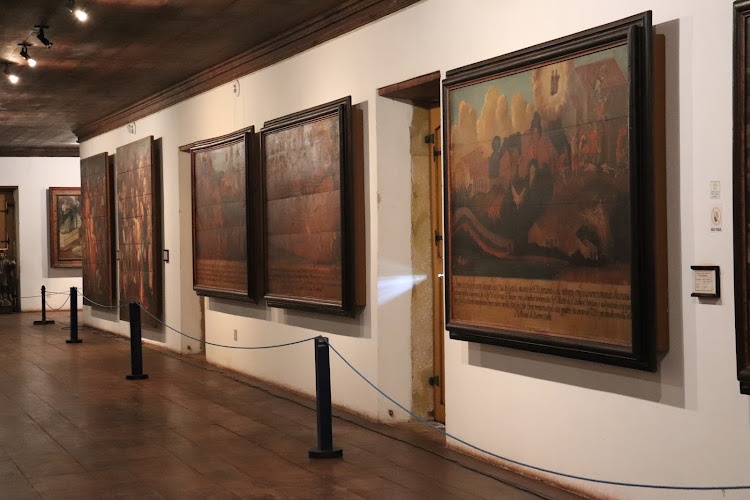
Museu Pinacoteca de Igarassu
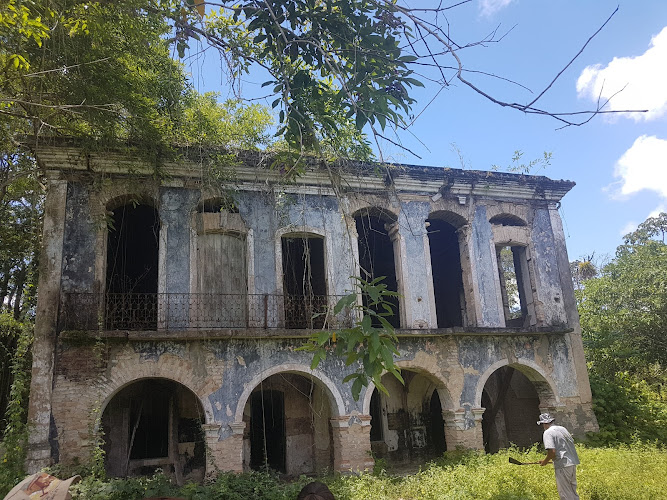
Engenho Monjope
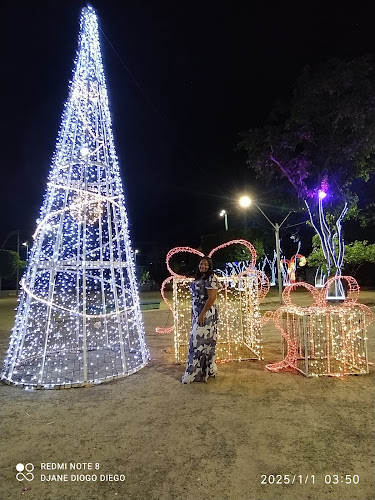
Area Recreation Cruz de Rebouças
Find Accommodations Nearby
Recommended Tours & Activities
Visitor Reviews
There are no reviews yet. Be the first one to write one.
Share Your Experience
Have you visited Refúgio das Bromélias? Help other travelers by leaving a review.