Engenho Monjope
About Engenho Monjope
Description
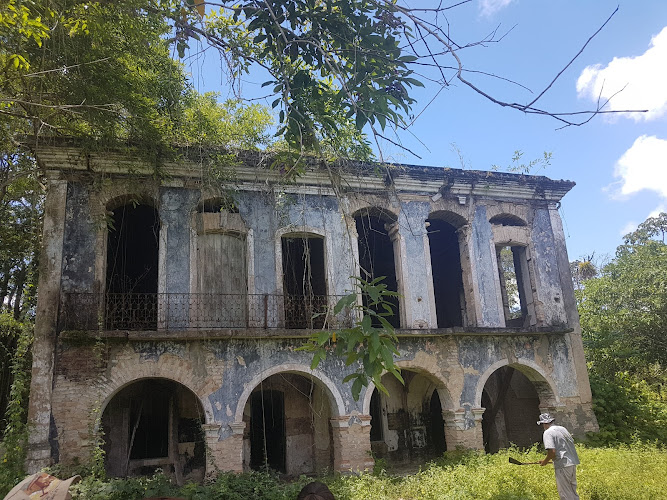
Engenho Monjope stands as one of Brazil's most fascinating colonial sugar mills, offering visitors a genuine glimpse into the country's complex agricultural heritage. This historical landmark preserves the remnants of what was once a thriving sugar plantation, complete with the original machinery and structures that powered Brazil's colonial economy for centuries.
The site tells the story of sugar production that shaped not just local communities but influenced global trade patterns. And honestly, walking through these weathered stone buildings, you can almost hear the echoes of the past - the grinding of sugar cane, the voices of workers, and the constant hum of activity that once defined this place. But what makes Engenho Monjope particularly compelling is how it presents both the technological innovations and social complexities of the colonial period without sugar-coating the difficult realities.
Families find this destination especially valuable because it provides an educational experience that's engaging for children while offering adults deeper historical context. The restored machinery demonstrates the ingenious engineering solutions developed centuries ago, and kids are often amazed by the massive stone wheels and intricate water channels that powered the entire operation.
Key Features
Engenho Monjope offers several distinctive elements that set it apart from other historical sites:
- Original 18th-century grinding machinery - The massive stone wheels and wooden gears remain largely intact, providing an authentic look at colonial sugar production technology
- Preserved water channel system - An impressive network of stone aqueducts that channeled river water to power the mill's operations
- Colonial-era chapel ruins - The remains of a small chapel that served the plantation community, featuring weathered but beautiful stonework
- Interactive demonstrations - Seasonal reenactments showing how sugar cane was processed using traditional methods
- Archaeological findings display - Artifacts uncovered during restoration work, including pottery, tools, and personal items from different periods
- Natural integration - The site has partially merged with the surrounding forest, creating a unique atmosphere where history and nature intertwine
- Panoramic viewpoints - Several elevated areas offer scenic views of the surrounding countryside and river valley
- Educational trail system - Well-marked paths with informative plaques explaining different aspects of the plantation's operations and social history
Best Time to Visit
The optimal time to explore Engenho Monjope falls during Brazil's dry season, typically from May through September. During these months, you'll encounter comfortable temperatures and minimal rainfall, making it easier to navigate the outdoor sections and fully appreciate the site's extensive grounds.
I've found that visiting in the early morning hours, around 8:30 or 9:00 AM, provides the most pleasant experience. The morning light creates beautiful contrasts against the old stone structures, and temperatures remain comfortable for extended exploration. Plus, you'll often have sections of the site to yourself before larger groups arrive.
Weekend visits can be busier, particularly during school holiday periods when families with children frequent the attraction. But don't let that discourage weekend plans - the increased activity sometimes coincides with special demonstrations or guided tours that aren't available during quieter weekdays.
Avoiding the rainy season (October through April) isn't absolutely necessary, but the unpaved paths can become muddy and slippery, making certain areas less accessible. However, some visitors actually prefer the dramatic atmosphere that overcast skies and occasional light rain create around the ruins.
Local festivals and cultural events occasionally take place at or near the site, typically during June and July. These events offer unique opportunities to experience traditional music, food, and crafts in an authentic historical setting, though they do result in larger crowds and sometimes modified visiting hours.
How to Get There
Reaching Engenho Monjope requires some planning, as it's located in a more rural area that's not directly served by major public transportation routes. Most visitors find that renting a car provides the most flexibility and convenience for exploring both the main site and surrounding attractions.
From major nearby cities, the drive typically takes between 45 minutes to 1.5 hours depending on your starting point. The final approach involves traveling on smaller rural roads that are generally well-maintained but can become challenging during heavy rains. GPS navigation works reliably for most of the journey, though cell service can become spotty in the final kilometers.
Public transportation options exist but require multiple connections and careful timing. Local bus services connect larger towns to smaller communities in the region, but the final segment to the site usually requires a taxi or ride-sharing service - assuming drivers are willing to make the trip to this somewhat remote location.
Some visitors choose to join organized day trips or cultural tours that include Engenho Monjope along with other regional attractions. These tours handle all transportation logistics and often provide valuable historical context through knowledgeable guides, though they obviously limit your flexibility in terms of timing and additional exploration.
For those staying in nearby accommodations, many local guesthouses and small hotels can arrange transportation or provide detailed directions. And they're usually happy to share insider tips about the best routes and potential road conditions.
Tips for Visiting
Comfortable walking shoes are absolutely essential - the terrain includes uneven stone surfaces, grassy areas, and occasionally muddy patches. I learned this the hard way during my first visit wearing completely inappropriate footwear! Sturdy sneakers or light hiking boots work best for navigating the various levels and outdoor sections safely.
Bring sun protection including a hat, sunscreen, and plenty of water. Much of the site lacks shade, and the combination of walking and Brazilian sunshine can be more intense than expected. A small backpack helps carry these essentials plus any snacks you might want during your exploration.
Photography enthusiasts should plan for varied lighting conditions throughout the day. The stone structures create interesting shadows and contrasts, but some areas are quite dark while others are brilliantly lit. A camera with good low-light performance helps capture the atmospheric interior spaces.
Don't rush your visit - allow at least 2-3 hours to fully appreciate the site and read the informational displays. The historical context provided through signage and exhibits significantly enhances the experience, but only if you take time to engage with it properly.
Consider downloading translation apps if Portuguese isn't your strong suit, as not all signage includes English translations. However, the visual elements are compelling enough that language barriers don't seriously diminish the overall experience.
Local guides are sometimes available and can provide insights not found in written materials. They often share stories passed down through generations and point out details that casual visitors might overlook. But verify their credentials and agree on fees upfront to avoid misunderstandings.
Pack insect repellent, especially during warmer months or if you plan to explore the more overgrown sections where nature has reclaimed parts of the original structures. The integration of ruins with vegetation creates beautiful scenes but also provides habitat for various bugs.
Check if any special events or maintenance work is scheduled during your visit, as these can affect access to certain areas or modify normal operating procedures. The site occasionally hosts cultural programs that enhance the experience but may require advance reservations or adjusted arrival times.
Key Features
- Key Features
- Best Time to Visit
- How to Get There
- Tips for Visiting
More Details
Updated September 17, 2025
Table of Contents
Description
Engenho Monjope stands as one of Brazil’s most fascinating colonial sugar mills, offering visitors a genuine glimpse into the country’s complex agricultural heritage. This historical landmark preserves the remnants of what was once a thriving sugar plantation, complete with the original machinery and structures that powered Brazil’s colonial economy for centuries.
The site tells the story of sugar production that shaped not just local communities but influenced global trade patterns. And honestly, walking through these weathered stone buildings, you can almost hear the echoes of the past – the grinding of sugar cane, the voices of workers, and the constant hum of activity that once defined this place. But what makes Engenho Monjope particularly compelling is how it presents both the technological innovations and social complexities of the colonial period without sugar-coating the difficult realities.
Families find this destination especially valuable because it provides an educational experience that’s engaging for children while offering adults deeper historical context. The restored machinery demonstrates the ingenious engineering solutions developed centuries ago, and kids are often amazed by the massive stone wheels and intricate water channels that powered the entire operation.
Key Features
Engenho Monjope offers several distinctive elements that set it apart from other historical sites:
- Original 18th-century grinding machinery – The massive stone wheels and wooden gears remain largely intact, providing an authentic look at colonial sugar production technology
- Preserved water channel system – An impressive network of stone aqueducts that channeled river water to power the mill’s operations
- Colonial-era chapel ruins – The remains of a small chapel that served the plantation community, featuring weathered but beautiful stonework
- Interactive demonstrations – Seasonal reenactments showing how sugar cane was processed using traditional methods
- Archaeological findings display – Artifacts uncovered during restoration work, including pottery, tools, and personal items from different periods
- Natural integration – The site has partially merged with the surrounding forest, creating a unique atmosphere where history and nature intertwine
- Panoramic viewpoints – Several elevated areas offer scenic views of the surrounding countryside and river valley
- Educational trail system – Well-marked paths with informative plaques explaining different aspects of the plantation’s operations and social history
Best Time to Visit
The optimal time to explore Engenho Monjope falls during Brazil’s dry season, typically from May through September. During these months, you’ll encounter comfortable temperatures and minimal rainfall, making it easier to navigate the outdoor sections and fully appreciate the site’s extensive grounds.
I’ve found that visiting in the early morning hours, around 8:30 or 9:00 AM, provides the most pleasant experience. The morning light creates beautiful contrasts against the old stone structures, and temperatures remain comfortable for extended exploration. Plus, you’ll often have sections of the site to yourself before larger groups arrive.
Weekend visits can be busier, particularly during school holiday periods when families with children frequent the attraction. But don’t let that discourage weekend plans – the increased activity sometimes coincides with special demonstrations or guided tours that aren’t available during quieter weekdays.
Avoiding the rainy season (October through April) isn’t absolutely necessary, but the unpaved paths can become muddy and slippery, making certain areas less accessible. However, some visitors actually prefer the dramatic atmosphere that overcast skies and occasional light rain create around the ruins.
Local festivals and cultural events occasionally take place at or near the site, typically during June and July. These events offer unique opportunities to experience traditional music, food, and crafts in an authentic historical setting, though they do result in larger crowds and sometimes modified visiting hours.
How to Get There
Reaching Engenho Monjope requires some planning, as it’s located in a more rural area that’s not directly served by major public transportation routes. Most visitors find that renting a car provides the most flexibility and convenience for exploring both the main site and surrounding attractions.
From major nearby cities, the drive typically takes between 45 minutes to 1.5 hours depending on your starting point. The final approach involves traveling on smaller rural roads that are generally well-maintained but can become challenging during heavy rains. GPS navigation works reliably for most of the journey, though cell service can become spotty in the final kilometers.
Public transportation options exist but require multiple connections and careful timing. Local bus services connect larger towns to smaller communities in the region, but the final segment to the site usually requires a taxi or ride-sharing service – assuming drivers are willing to make the trip to this somewhat remote location.
Some visitors choose to join organized day trips or cultural tours that include Engenho Monjope along with other regional attractions. These tours handle all transportation logistics and often provide valuable historical context through knowledgeable guides, though they obviously limit your flexibility in terms of timing and additional exploration.
For those staying in nearby accommodations, many local guesthouses and small hotels can arrange transportation or provide detailed directions. And they’re usually happy to share insider tips about the best routes and potential road conditions.
Tips for Visiting
Comfortable walking shoes are absolutely essential – the terrain includes uneven stone surfaces, grassy areas, and occasionally muddy patches. I learned this the hard way during my first visit wearing completely inappropriate footwear! Sturdy sneakers or light hiking boots work best for navigating the various levels and outdoor sections safely.
Bring sun protection including a hat, sunscreen, and plenty of water. Much of the site lacks shade, and the combination of walking and Brazilian sunshine can be more intense than expected. A small backpack helps carry these essentials plus any snacks you might want during your exploration.
Photography enthusiasts should plan for varied lighting conditions throughout the day. The stone structures create interesting shadows and contrasts, but some areas are quite dark while others are brilliantly lit. A camera with good low-light performance helps capture the atmospheric interior spaces.
Don’t rush your visit – allow at least 2-3 hours to fully appreciate the site and read the informational displays. The historical context provided through signage and exhibits significantly enhances the experience, but only if you take time to engage with it properly.
Consider downloading translation apps if Portuguese isn’t your strong suit, as not all signage includes English translations. However, the visual elements are compelling enough that language barriers don’t seriously diminish the overall experience.
Local guides are sometimes available and can provide insights not found in written materials. They often share stories passed down through generations and point out details that casual visitors might overlook. But verify their credentials and agree on fees upfront to avoid misunderstandings.
Pack insect repellent, especially during warmer months or if you plan to explore the more overgrown sections where nature has reclaimed parts of the original structures. The integration of ruins with vegetation creates beautiful scenes but also provides habitat for various bugs.
Check if any special events or maintenance work is scheduled during your visit, as these can affect access to certain areas or modify normal operating procedures. The site occasionally hosts cultural programs that enhance the experience but may require advance reservations or adjusted arrival times.

Key Highlights
- Key Features
- Best Time to Visit
- How to Get There
- Tips for Visiting
Location
Places to Stay Near Engenho Monjope
Find and Book a Tour
Explore More Travel Guides
No reviews found! Be the first to review!
Traveler Reviews for Engenho Monjope
There are no reviews yet. Be the first one to write one.
Have you visited Engenho Monjope? Help other travelers by sharing your review.
Find Accommodations Nearby
Recommended Tours & Activities
Visitor Reviews
There are no reviews yet. Be the first one to write one.
Share Your Experience
Have you visited Engenho Monjope? Help other travelers by leaving a review.