
Museu Pinacoteca de Igarassu
About Museu Pinacoteca de Igarassu
Description
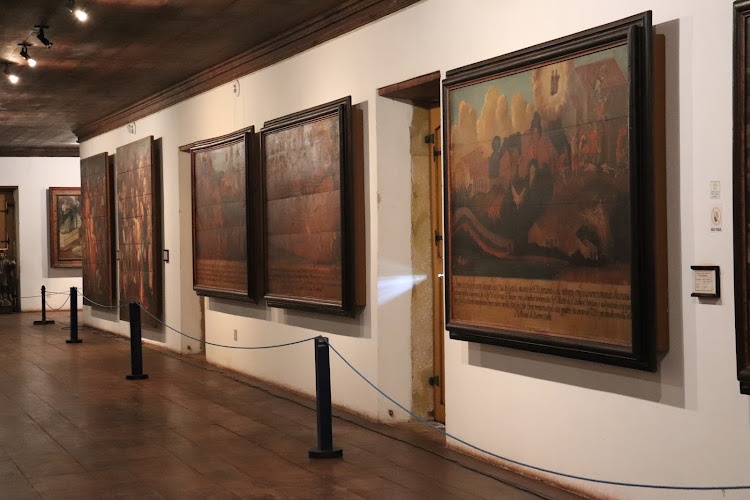
The Museu Pinacoteca de Igarassu stands as one of Brazil's most fascinating colonial art repositories, tucked away in the historic town of Igarassu in Pernambuco state. What makes this museum particularly special isn't just its impressive collection of Brazilian colonial paintings, but its remarkable setting within a former novice dormitory of the Franciscan Convent of Santo Antônio, built way back in 1705. Dr. Aírton Carvalho had this brilliant idea to transform the old convent space into a proper museum, and in August 1957, the Pinacoteca opened its doors to the public. The timing couldn't have been better - Brazil was experiencing a cultural renaissance, and there was growing appreciation for preserving colonial heritage that had been somewhat neglected for decades. Walking through these halls, visitors encounter an extraordinary collection of oil paintings that chronicle the rich history of Pernambuco and the broader northeastern region of Brazil. The museum houses works that span several centuries, offering glimpses into religious life, colonial society, and the artistic traditions that flourished under Portuguese rule. And honestly, the setting itself is almost as captivating as the artwork - those thick colonial walls and arched doorways create an atmosphere that immediately transports you back in time. The museum's location within the Franciscan complex means that your visit becomes part of a larger historical experience. You're not just looking at paintings on walls; you're standing in spaces where monks once lived, prayed, and created some of the very art you're admiring. It's this authentic historical context that sets the Pinacoteca apart from more modern museum spaces.Key Features
The Museu Pinacoteca de Igarassu offers several distinctive features that make it a standout destination for art enthusiasts and history lovers alike: • Colonial Oil Paintings Collection: The museum houses an impressive array of Brazilian colonial oil paintings, many depicting religious scenes and historical events specific to Pernambuco's development • Historic Franciscan Convent Setting: Located within the actual dormitory of the Santo Antônio Franciscan Convent, providing authentic 18th-century architectural surroundings for the artwork • Portuguese Ceramic Displays: Beautiful examples of Portuguese ceramics that showcase the cultural exchange between Brazil and Portugal during the colonial period • Painted Ceiling Features: The building itself contains stunning painted ceilings that serve as artistic attractions in their own right • Religious Art Focus: Specialized collection emphasizing sacred art and religious iconography that played crucial roles in colonial Brazilian society • Complete Accessibility: Wheelchair accessible entrance, parking, and restrooms ensure all visitors can enjoy the museum experience • Family-Friendly Environment: Well-suited for children with manageable size and engaging visual displays that can hold young visitors' attention • Historical Documentation: Works that serve as visual records of Pernambuco's colonial history, including portraits and event depictions • Architectural Integration: The seamless blend of building and collection creates an immersive experience where visitors appreciate both the container and contentsBest Time to Visit
Planning your visit to the Museu Pinacoteca de Igarassu requires considering both practical and experiential factors. The museum operates year-round, but certain times definitely offer better experiences than others. The dry season from September through February provides the most comfortable weather conditions for exploring Igarassu. During these months, you'll encounter less humidity and fewer afternoon thunderstorms, making it easier to wander around the historic town and fully appreciate your museum visit. But here's the thing - this is also peak tourist season, so expect more crowds, especially on weekends. Weekday visits offer a completely different experience. I've found that Tuesday through Thursday mornings tend to be the sweet spot for museum visits anywhere in Brazil, and the Pinacoteca is no exception. You'll have more space to contemplate the artwork, better opportunities for photography, and often more personalized attention from museum staff. The shoulder seasons of March-May and August can be particularly rewarding. Weather remains pleasant, tourist crowds thin out considerably, and you might catch special exhibitions or events that aren't typically scheduled during peak periods. Plus, accommodation and transportation costs in the region tend to be more reasonable during these months. Avoid visiting during major Brazilian holidays like Carnival (February/March) or the June festivals unless you specifically want to experience local celebrations. While festive, these periods can mean altered museum hours and extremely crowded conditions that might detract from the contemplative atmosphere that makes the Pinacoteca special. Early morning visits, regardless of season, tend to provide the best lighting conditions for viewing the colonial paintings. The natural light filtering through the old convent windows creates an almost ethereal atmosphere that artificial lighting simply can't replicate.How to Get There
Reaching the Museu Pinacoteca de Igarassu requires a bit of planning, but the journey itself becomes part of the adventure. Igarassu sits about 30 kilometers north of Recife, making it an excellent day trip destination from Pernambuco's capital city. From Recife, you have several transportation options. Renting a car provides the most flexibility and allows you to explore other historic sites in the region at your own pace. The drive takes approximately 45 minutes to an hour, depending on traffic conditions. Take the BR-101 highway north, then follow local roads into Igarassu's historic center. Parking is available near the museum, including designated wheelchair accessible spaces. Public transportation works well for budget-conscious travelers. Regular bus services connect Recife to Igarassu throughout the day, with the journey taking roughly 90 minutes. Look for buses marked "Igarassu" departing from Recife's central bus terminal. Once you arrive in Igarassu, the historic center is compact enough to explore on foot, and the Franciscan convent complex is well-signposted. Taxi services and ride-sharing apps like Uber operate between Recife and Igarassu, though this option can be more expensive than other alternatives. However, it's particularly convenient if you're traveling with mobility equipment or prefer door-to-door service. Many visitors combine their Pinacoteca visit with stops at other regional attractions. The nearby town of Olinda, another UNESCO World Heritage site, makes for an excellent addition to your itinerary. Some tour companies offer day trips that include both locations, which can be cost-effective and stress-free. If you're staying in the greater Recife area, consider timing your visit to avoid rush hour traffic, which can significantly extend travel times. Morning departures around 8-9 AM typically provide smooth sailing and get you to the museum during optimal visiting hours.Tips for Visiting
Making the most of your Museu Pinacoteca de Igarassu experience involves some insider knowledge that can transform a good visit into an unforgettable one. Here are practical tips gathered from multiple visits and conversations with fellow travelers. Dress appropriately for both the weather and the setting. This is still a religious site, so modest clothing is respectful and sometimes required. Comfortable walking shoes are essential since you'll be exploring not just the museum but likely the broader Franciscan complex. And trust me on this - those colonial stone floors can be unforgiving after a few hours. Photography policies can be specific, so always check current rules upon arrival. Generally, photography without flash is permitted for personal use, but some special exhibitions or particular pieces might have restrictions. The painted ceilings are absolutely Instagram-worthy, but respect any guidelines about positioning or equipment use. Plan to spend at least 90 minutes to two hours for a thorough visit. The collection isn't enormous, but the historical significance and artistic details deserve careful attention. Many visitors make the mistake of rushing through, missing subtle details that provide context for understanding colonial Brazilian society. The museum staff often speaks Portuguese primarily, though some may know basic English. Learning a few Portuguese phrases or downloading a translation app can enhance your experience significantly. Words like "história" (history), "arte" (art), and "quando foi pintado" (when was this painted) can open up conversations that add depth to your visit. Consider purchasing any available guidebooks or materials in your preferred language. These often contain historical context that isn't immediately obvious from viewing the artwork alone. The stories behind specific paintings can be fascinating and help you appreciate the cultural significance beyond the aesthetic appeal. Restroom facilities are available and accessible, but it's worth noting their location when you arrive. The historic building layout can be confusing, and you don't want to spend half your visit trying to find basic amenities. If you're traveling with children, engage them by playing simple games like finding specific colors or subjects in the paintings. Many colonial works include animals, ships, or interesting clothing that can capture young imaginations. The museum is genuinely kid-friendly, but keeping children engaged requires a bit of creativity. Combine your museum visit with exploration of the broader Igarassu historic district. The town contains several other colonial buildings and churches that provide additional context for understanding the art you've just viewed. Plus, local restaurants offer traditional Pernambuco cuisine that makes for a perfect lunch after your cultural morning. Check for any special exhibitions or events that might coincide with your visit. While the permanent collection is the main attraction, temporary displays sometimes feature contemporary artists responding to colonial themes or special historical anniversaries that can add extra dimension to your experience.Key Features
- Collection of 17th–18th century Brazilian colonial paintings
- Franciscan religious art and polychrome sculptures
- Located in the historic Church and Convent of Saint Anthony
- Works originally from local churches such as São Cosme e São Damião
- Intimate, small-scale galleries offering close viewing of artifacts
More Details
Updated September 22, 2025
Table of Contents
Description
The Museu Pinacoteca de Igarassu stands as one of Brazil’s most fascinating colonial art repositories, tucked away in the historic town of Igarassu in Pernambuco state. What makes this museum particularly special isn’t just its impressive collection of Brazilian colonial paintings, but its remarkable setting within a former novice dormitory of the Franciscan Convent of Santo Antônio, built way back in 1705.
Dr. Aírton Carvalho had this brilliant idea to transform the old convent space into a proper museum, and in August 1957, the Pinacoteca opened its doors to the public. The timing couldn’t have been better – Brazil was experiencing a cultural renaissance, and there was growing appreciation for preserving colonial heritage that had been somewhat neglected for decades.
Walking through these halls, visitors encounter an extraordinary collection of oil paintings that chronicle the rich history of Pernambuco and the broader northeastern region of Brazil. The museum houses works that span several centuries, offering glimpses into religious life, colonial society, and the artistic traditions that flourished under Portuguese rule. And honestly, the setting itself is almost as captivating as the artwork – those thick colonial walls and arched doorways create an atmosphere that immediately transports you back in time.
The museum’s location within the Franciscan complex means that your visit becomes part of a larger historical experience. You’re not just looking at paintings on walls; you’re standing in spaces where monks once lived, prayed, and created some of the very art you’re admiring. It’s this authentic historical context that sets the Pinacoteca apart from more modern museum spaces.
Key Features
The Museu Pinacoteca de Igarassu offers several distinctive features that make it a standout destination for art enthusiasts and history lovers alike:
• Colonial Oil Paintings Collection: The museum houses an impressive array of Brazilian colonial oil paintings, many depicting religious scenes and historical events specific to Pernambuco’s development
• Historic Franciscan Convent Setting: Located within the actual dormitory of the Santo Antônio Franciscan Convent, providing authentic 18th-century architectural surroundings for the artwork
• Portuguese Ceramic Displays: Beautiful examples of Portuguese ceramics that showcase the cultural exchange between Brazil and Portugal during the colonial period
• Painted Ceiling Features: The building itself contains stunning painted ceilings that serve as artistic attractions in their own right
• Religious Art Focus: Specialized collection emphasizing sacred art and religious iconography that played crucial roles in colonial Brazilian society
• Complete Accessibility: Wheelchair accessible entrance, parking, and restrooms ensure all visitors can enjoy the museum experience
• Family-Friendly Environment: Well-suited for children with manageable size and engaging visual displays that can hold young visitors’ attention
• Historical Documentation: Works that serve as visual records of Pernambuco’s colonial history, including portraits and event depictions
• Architectural Integration: The seamless blend of building and collection creates an immersive experience where visitors appreciate both the container and contents
Best Time to Visit
Planning your visit to the Museu Pinacoteca de Igarassu requires considering both practical and experiential factors. The museum operates year-round, but certain times definitely offer better experiences than others.
The dry season from September through February provides the most comfortable weather conditions for exploring Igarassu. During these months, you’ll encounter less humidity and fewer afternoon thunderstorms, making it easier to wander around the historic town and fully appreciate your museum visit. But here’s the thing – this is also peak tourist season, so expect more crowds, especially on weekends.
Weekday visits offer a completely different experience. I’ve found that Tuesday through Thursday mornings tend to be the sweet spot for museum visits anywhere in Brazil, and the Pinacoteca is no exception. You’ll have more space to contemplate the artwork, better opportunities for photography, and often more personalized attention from museum staff.
The shoulder seasons of March-May and August can be particularly rewarding. Weather remains pleasant, tourist crowds thin out considerably, and you might catch special exhibitions or events that aren’t typically scheduled during peak periods. Plus, accommodation and transportation costs in the region tend to be more reasonable during these months.
Avoid visiting during major Brazilian holidays like Carnival (February/March) or the June festivals unless you specifically want to experience local celebrations. While festive, these periods can mean altered museum hours and extremely crowded conditions that might detract from the contemplative atmosphere that makes the Pinacoteca special.
Early morning visits, regardless of season, tend to provide the best lighting conditions for viewing the colonial paintings. The natural light filtering through the old convent windows creates an almost ethereal atmosphere that artificial lighting simply can’t replicate.
How to Get There
Reaching the Museu Pinacoteca de Igarassu requires a bit of planning, but the journey itself becomes part of the adventure. Igarassu sits about 30 kilometers north of Recife, making it an excellent day trip destination from Pernambuco’s capital city.
From Recife, you have several transportation options. Renting a car provides the most flexibility and allows you to explore other historic sites in the region at your own pace. The drive takes approximately 45 minutes to an hour, depending on traffic conditions. Take the BR-101 highway north, then follow local roads into Igarassu’s historic center. Parking is available near the museum, including designated wheelchair accessible spaces.
Public transportation works well for budget-conscious travelers. Regular bus services connect Recife to Igarassu throughout the day, with the journey taking roughly 90 minutes. Look for buses marked “Igarassu” departing from Recife’s central bus terminal. Once you arrive in Igarassu, the historic center is compact enough to explore on foot, and the Franciscan convent complex is well-signposted.
Taxi services and ride-sharing apps like Uber operate between Recife and Igarassu, though this option can be more expensive than other alternatives. However, it’s particularly convenient if you’re traveling with mobility equipment or prefer door-to-door service.
Many visitors combine their Pinacoteca visit with stops at other regional attractions. The nearby town of Olinda, another UNESCO World Heritage site, makes for an excellent addition to your itinerary. Some tour companies offer day trips that include both locations, which can be cost-effective and stress-free.
If you’re staying in the greater Recife area, consider timing your visit to avoid rush hour traffic, which can significantly extend travel times. Morning departures around 8-9 AM typically provide smooth sailing and get you to the museum during optimal visiting hours.
Tips for Visiting
Making the most of your Museu Pinacoteca de Igarassu experience involves some insider knowledge that can transform a good visit into an unforgettable one. Here are practical tips gathered from multiple visits and conversations with fellow travelers.
Dress appropriately for both the weather and the setting. This is still a religious site, so modest clothing is respectful and sometimes required. Comfortable walking shoes are essential since you’ll be exploring not just the museum but likely the broader Franciscan complex. And trust me on this – those colonial stone floors can be unforgiving after a few hours.
Photography policies can be specific, so always check current rules upon arrival. Generally, photography without flash is permitted for personal use, but some special exhibitions or particular pieces might have restrictions. The painted ceilings are absolutely Instagram-worthy, but respect any guidelines about positioning or equipment use.
Plan to spend at least 90 minutes to two hours for a thorough visit. The collection isn’t enormous, but the historical significance and artistic details deserve careful attention. Many visitors make the mistake of rushing through, missing subtle details that provide context for understanding colonial Brazilian society.
The museum staff often speaks Portuguese primarily, though some may know basic English. Learning a few Portuguese phrases or downloading a translation app can enhance your experience significantly. Words like “história” (history), “arte” (art), and “quando foi pintado” (when was this painted) can open up conversations that add depth to your visit.
Consider purchasing any available guidebooks or materials in your preferred language. These often contain historical context that isn’t immediately obvious from viewing the artwork alone. The stories behind specific paintings can be fascinating and help you appreciate the cultural significance beyond the aesthetic appeal.
Restroom facilities are available and accessible, but it’s worth noting their location when you arrive. The historic building layout can be confusing, and you don’t want to spend half your visit trying to find basic amenities.
If you’re traveling with children, engage them by playing simple games like finding specific colors or subjects in the paintings. Many colonial works include animals, ships, or interesting clothing that can capture young imaginations. The museum is genuinely kid-friendly, but keeping children engaged requires a bit of creativity.
Combine your museum visit with exploration of the broader Igarassu historic district. The town contains several other colonial buildings and churches that provide additional context for understanding the art you’ve just viewed. Plus, local restaurants offer traditional Pernambuco cuisine that makes for a perfect lunch after your cultural morning.
Check for any special exhibitions or events that might coincide with your visit. While the permanent collection is the main attraction, temporary displays sometimes feature contemporary artists responding to colonial themes or special historical anniversaries that can add extra dimension to your experience.
Key Highlights
- Collection of 17th–18th century Brazilian colonial paintings
- Franciscan religious art and polychrome sculptures
- Located in the historic Church and Convent of Saint Anthony
- Works originally from local churches such as São Cosme e São Damião
- Intimate, small-scale galleries offering close viewing of artifacts
Location
Places to Stay Near Museu Pinacoteca de Igarassu
Find and Book a Tour
Explore More Travel Guides
No reviews found! Be the first to review!
Traveler Reviews for Museu Pinacoteca de Igarassu
There are no reviews yet. Be the first one to write one.
Have you visited Museu Pinacoteca de Igarassu? Help other travelers by sharing your review.
Nearby Attractions
You Might Also Like
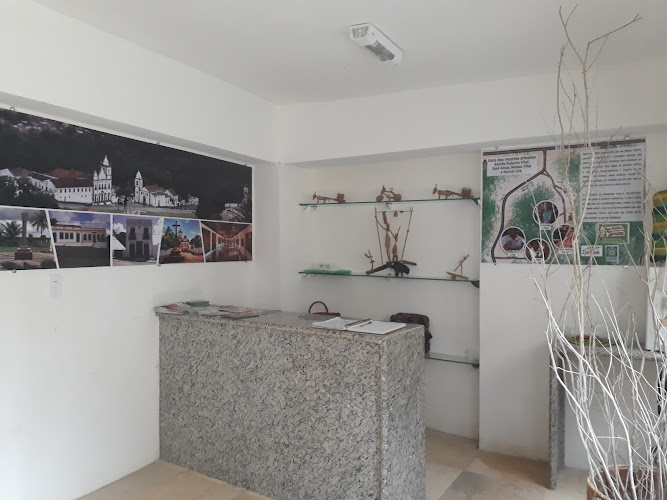
CAT - Centro de Atendimento ao Turista de Igarassu
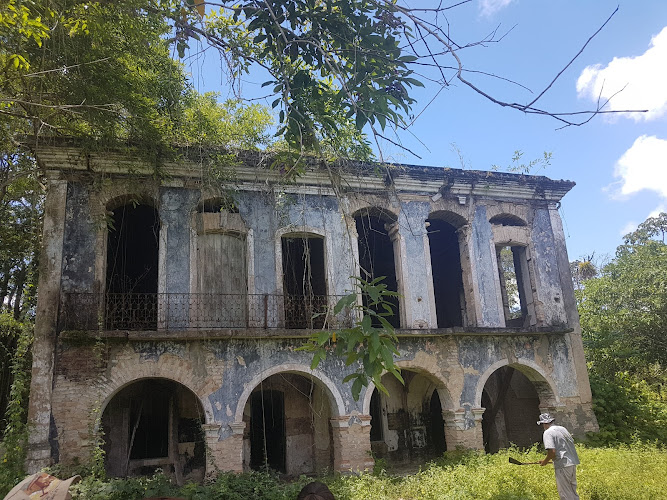
Engenho Monjope
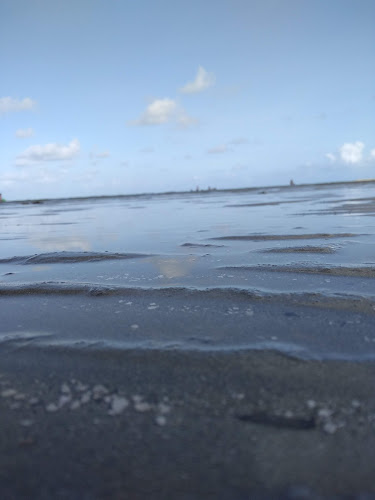
Beach Captain
Find Accommodations Nearby
Recommended Tours & Activities
Visitor Reviews
There are no reviews yet. Be the first one to write one.
Share Your Experience
Have you visited Museu Pinacoteca de Igarassu? Help other travelers by leaving a review.