
Sobrado Do Imperador
About Sobrado Do Imperador
Description
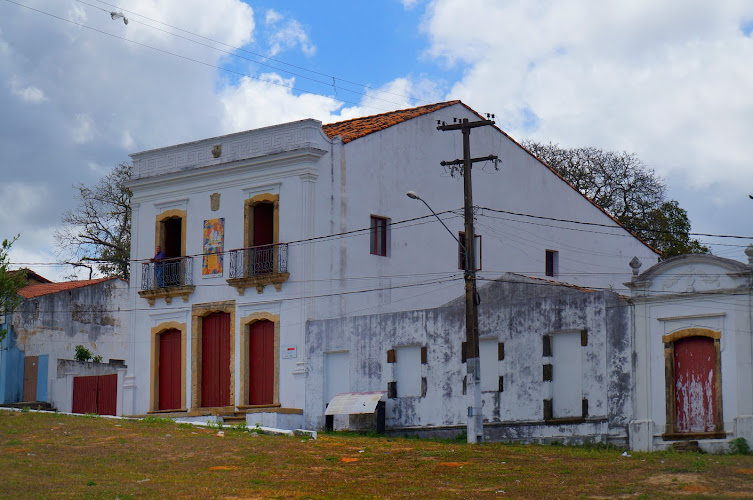
The Sobrado Do Imperador stands as one of Brazil's most fascinating colonial architectural gems, tucked away in the historic town of Igarassu, Pernambuco. Built between the 17th and 18th centuries, this impressive mansion carries centuries of Brazilian history within its walls - and honestly, walking through its rooms feels like stepping back in time. What makes this place truly special isn't just its age, though that's certainly impressive. The sobrado earned its imperial name after undergoing renovations in the 19th century specifically to welcome Emperor Dom Pedro II during his 1859 visit to Igarassu. Imagine the preparation that went into hosting royalty back then! The building's colonial facade still bears witness to that grand occasion, with its carefully preserved architectural details telling stories of Brazil's imperial past. Recent archaeological excavations have revealed something quite remarkable - this building might have originally served as Igarassu's primitive Casa de Câmara e Cadeia (Chamber and Jail House) dating back to the late 16th century. That's pretty incredible when you think about it. You could be standing where colonial administrators once made decisions that shaped the region's destiny. Today, the Sobrado Do Imperador functions as a cultural hub managed by IPHAN (Brazil's National Institute of Historic and Artistic Heritage). After extensive restoration work that preserved its historical integrity while making it accessible to modern visitors, the building now hosts various cultural events and serves as an information center for tourists exploring the area. The mansion embodies the warmth of Pernambuco's cultural heritage, and visitors consistently praise the passionate staff who maintain this historical treasure. Their dedication to preserving local culture and supporting various cultural causes really shows - you'll feel their genuine enthusiasm for sharing this piece of Brazilian history.Key Features
The Sobrado Do Imperador offers visitors several distinctive features that make it stand out among Brazil's colonial attractions: • Authentic Colonial Architecture: The building showcases genuine 17th-18th century Brazilian colonial design, with original structural elements preserved through careful restoration • Imperial Heritage Room: Dedicated spaces commemorate Emperor Dom Pedro II's historic 1859 visit, complete with period furnishings and historical documentation • Archaeological Discoveries: Visitors can learn about recent excavations that revealed the building's possible origins as a 16th-century administrative center • Cultural Exhibition Spaces: Rotating displays feature local artists, historical artifacts, and educational materials about regional heritage • Interactive Tourist Information Center: Comprehensive maps, reading materials, and knowledgeable staff help visitors navigate Igarassu's other historical attractions • Educational Programs: Regular workshops and presentations about colonial Brazilian history and architectural preservation techniques • Family-Friendly Environment: The mansion welcomes children with age-appropriate educational materials and engaging historical stories • Photography Opportunities: The building's well-preserved facade and interior spaces offer excellent subjects for both amateur and professional photographers • Research Library: Scholars and history enthusiasts can access historical documents and archives related to the region's developmentBest Time to Visit
Planning your visit to Sobrado Do Imperador requires considering both weather patterns and local events. The ideal time falls between April and September, during Brazil's dry season when temperatures are more comfortable for exploring historical sites. Pernambuco's tropical climate can be quite intense, especially during summer months (December through March). But here's the thing - if you don't mind some heat and humidity, visiting during the shoulder seasons can actually be rewarding. You'll encounter fewer crowds and might catch some special cultural events that locals organize during these periods. Tuesday through Sunday generally offers the best experience, as Monday closures are common for historical sites in Brazil. Weekend visits often feature additional cultural programming, but they also draw larger crowds. If you prefer a more intimate experience with the building's history, weekday mornings typically provide the most peaceful atmosphere. The building's restoration has made it comfortable year-round, with proper climate control protecting both visitors and historical artifacts. However, early morning visits (around 9-10 AM) or late afternoon tours (3-4 PM) offer the most pleasant temperatures for exploring the surrounding historical district afterward. Keep an eye on local festival calendars too. Igarassu hosts several cultural celebrations throughout the year, and the Sobrado often serves as a central venue for these events. Visiting during festival periods gives you a unique perspective on how this historical space continues to serve the community.How to Get There
Getting to Sobrado Do Imperador requires some planning, but the journey through Pernambuco's countryside makes the trip worthwhile. Igarassu sits approximately 32 kilometers north of Recife, making it an excellent day trip destination from the state capital. From Recife, rental cars offer the most flexibility for exploring the region. Take BR-101 north toward João Pessoa, then follow signs to Igarassu's historic center. The drive typically takes 45-60 minutes depending on traffic, and you'll pass through some beautiful coastal scenery along the way. Public transportation connects Recife to Igarassu through regular bus services operated by several companies. Buses depart from Recife's main terminal throughout the day, with journey times averaging around 90 minutes. Once in Igarassu, the Sobrado sits within easy walking distance of the bus station - the historic center isn't large, and local residents are typically happy to provide directions. Many travelers combine their Sobrado visit with tours of other regional attractions. Several tour operators in Recife offer day trips that include Igarassu's historical sites along with nearby beaches or the famous Itamaracá Island. These guided tours handle transportation logistics while providing historical context you might miss exploring independently. If you're staying in Olinda, another popular tourist destination, Igarassu makes an excellent half-day excursion. The towns share similar colonial heritage, and comparing their architectural styles provides fascinating insights into regional development patterns. Taxi services and ride-sharing apps operate between major cities and Igarassu, though costs can add up for longer distances. For budget-conscious travelers, the public bus system remains the most economical option.Tips for Visiting
Making the most of your Sobrado Do Imperador experience requires some insider knowledge that guidebooks often overlook. First off, bring comfortable walking shoes - the building's original floors can be uneven, and you'll want to explore the surrounding cobblestone streets afterward. The staff here genuinely loves sharing stories about the building's history, so don't hesitate to ask questions. They often know fascinating details about specific rooms or architectural features that aren't included in standard tours. And honestly, their passion for the place is infectious - you'll leave with a much deeper appreciation for Brazilian colonial history. Photography policies are generally relaxed, but always ask permission before taking pictures in specific areas. Some rooms contain fragile artifacts or documents that require special lighting conditions. The exterior facade photographs beautifully during golden hour, so consider timing your visit accordingly if you're serious about capturing great shots. Combine your Sobrado visit with exploration of Igarassu's other historical attractions - the town contains Brazil's oldest church and several other colonial buildings worth seeing. The Sobrado's staff can provide excellent recommendations and help you plan an efficient walking route through the historic district. Portuguese language skills help but aren't essential - the staff often speaks some English, and the building's visual impact transcends language barriers. However, learning a few basic Portuguese phrases shows respect for local culture and often leads to more engaging conversations with guides. Weather preparation matters more than you might think. Even air-conditioned buildings can't completely escape Brazil's humidity, so dress in breathable fabrics and bring water. The surrounding historic district lacks much shade, so sun protection becomes crucial if you're exploring multiple sites. Consider purchasing local handicrafts or books from the gift shop - proceeds typically support ongoing preservation efforts and cultural programs. It's a meaningful way to contribute to the site's maintenance while taking home authentic souvenirs. Finally, respect the building's historical significance by following all posted guidelines and treating artifacts with appropriate care. This isn't just another tourist stop - it's a genuine piece of Brazilian heritage that deserves thoughtful preservation for future generations.Key Features
- Key Features
- Best Time to Visit
- How to Get There
- Tips for Visiting
More Details
Updated September 22, 2025
Table of Contents
Description
The Sobrado Do Imperador stands as one of Brazil’s most fascinating colonial architectural gems, tucked away in the historic town of Igarassu, Pernambuco. Built between the 17th and 18th centuries, this impressive mansion carries centuries of Brazilian history within its walls – and honestly, walking through its rooms feels like stepping back in time.
What makes this place truly special isn’t just its age, though that’s certainly impressive. The sobrado earned its imperial name after undergoing renovations in the 19th century specifically to welcome Emperor Dom Pedro II during his 1859 visit to Igarassu. Imagine the preparation that went into hosting royalty back then! The building’s colonial facade still bears witness to that grand occasion, with its carefully preserved architectural details telling stories of Brazil’s imperial past.
Recent archaeological excavations have revealed something quite remarkable – this building might have originally served as Igarassu’s primitive Casa de Câmara e Cadeia (Chamber and Jail House) dating back to the late 16th century. That’s pretty incredible when you think about it. You could be standing where colonial administrators once made decisions that shaped the region’s destiny.
Today, the Sobrado Do Imperador functions as a cultural hub managed by IPHAN (Brazil’s National Institute of Historic and Artistic Heritage). After extensive restoration work that preserved its historical integrity while making it accessible to modern visitors, the building now hosts various cultural events and serves as an information center for tourists exploring the area.
The mansion embodies the warmth of Pernambuco’s cultural heritage, and visitors consistently praise the passionate staff who maintain this historical treasure. Their dedication to preserving local culture and supporting various cultural causes really shows – you’ll feel their genuine enthusiasm for sharing this piece of Brazilian history.
Key Features
The Sobrado Do Imperador offers visitors several distinctive features that make it stand out among Brazil’s colonial attractions:
• Authentic Colonial Architecture: The building showcases genuine 17th-18th century Brazilian colonial design, with original structural elements preserved through careful restoration
• Imperial Heritage Room: Dedicated spaces commemorate Emperor Dom Pedro II’s historic 1859 visit, complete with period furnishings and historical documentation
• Archaeological Discoveries: Visitors can learn about recent excavations that revealed the building’s possible origins as a 16th-century administrative center
• Cultural Exhibition Spaces: Rotating displays feature local artists, historical artifacts, and educational materials about regional heritage
• Interactive Tourist Information Center: Comprehensive maps, reading materials, and knowledgeable staff help visitors navigate Igarassu’s other historical attractions
• Educational Programs: Regular workshops and presentations about colonial Brazilian history and architectural preservation techniques
• Family-Friendly Environment: The mansion welcomes children with age-appropriate educational materials and engaging historical stories
• Photography Opportunities: The building’s well-preserved facade and interior spaces offer excellent subjects for both amateur and professional photographers
• Research Library: Scholars and history enthusiasts can access historical documents and archives related to the region’s development
Best Time to Visit
Planning your visit to Sobrado Do Imperador requires considering both weather patterns and local events. The ideal time falls between April and September, during Brazil’s dry season when temperatures are more comfortable for exploring historical sites.
Pernambuco’s tropical climate can be quite intense, especially during summer months (December through March). But here’s the thing – if you don’t mind some heat and humidity, visiting during the shoulder seasons can actually be rewarding. You’ll encounter fewer crowds and might catch some special cultural events that locals organize during these periods.
Tuesday through Sunday generally offers the best experience, as Monday closures are common for historical sites in Brazil. Weekend visits often feature additional cultural programming, but they also draw larger crowds. If you prefer a more intimate experience with the building’s history, weekday mornings typically provide the most peaceful atmosphere.
The building’s restoration has made it comfortable year-round, with proper climate control protecting both visitors and historical artifacts. However, early morning visits (around 9-10 AM) or late afternoon tours (3-4 PM) offer the most pleasant temperatures for exploring the surrounding historical district afterward.
Keep an eye on local festival calendars too. Igarassu hosts several cultural celebrations throughout the year, and the Sobrado often serves as a central venue for these events. Visiting during festival periods gives you a unique perspective on how this historical space continues to serve the community.
How to Get There
Getting to Sobrado Do Imperador requires some planning, but the journey through Pernambuco’s countryside makes the trip worthwhile. Igarassu sits approximately 32 kilometers north of Recife, making it an excellent day trip destination from the state capital.
From Recife, rental cars offer the most flexibility for exploring the region. Take BR-101 north toward João Pessoa, then follow signs to Igarassu’s historic center. The drive typically takes 45-60 minutes depending on traffic, and you’ll pass through some beautiful coastal scenery along the way.
Public transportation connects Recife to Igarassu through regular bus services operated by several companies. Buses depart from Recife’s main terminal throughout the day, with journey times averaging around 90 minutes. Once in Igarassu, the Sobrado sits within easy walking distance of the bus station – the historic center isn’t large, and local residents are typically happy to provide directions.
Many travelers combine their Sobrado visit with tours of other regional attractions. Several tour operators in Recife offer day trips that include Igarassu’s historical sites along with nearby beaches or the famous Itamaracá Island. These guided tours handle transportation logistics while providing historical context you might miss exploring independently.
If you’re staying in Olinda, another popular tourist destination, Igarassu makes an excellent half-day excursion. The towns share similar colonial heritage, and comparing their architectural styles provides fascinating insights into regional development patterns.
Taxi services and ride-sharing apps operate between major cities and Igarassu, though costs can add up for longer distances. For budget-conscious travelers, the public bus system remains the most economical option.
Tips for Visiting
Making the most of your Sobrado Do Imperador experience requires some insider knowledge that guidebooks often overlook. First off, bring comfortable walking shoes – the building’s original floors can be uneven, and you’ll want to explore the surrounding cobblestone streets afterward.
The staff here genuinely loves sharing stories about the building’s history, so don’t hesitate to ask questions. They often know fascinating details about specific rooms or architectural features that aren’t included in standard tours. And honestly, their passion for the place is infectious – you’ll leave with a much deeper appreciation for Brazilian colonial history.
Photography policies are generally relaxed, but always ask permission before taking pictures in specific areas. Some rooms contain fragile artifacts or documents that require special lighting conditions. The exterior facade photographs beautifully during golden hour, so consider timing your visit accordingly if you’re serious about capturing great shots.
Combine your Sobrado visit with exploration of Igarassu’s other historical attractions – the town contains Brazil’s oldest church and several other colonial buildings worth seeing. The Sobrado’s staff can provide excellent recommendations and help you plan an efficient walking route through the historic district.
Portuguese language skills help but aren’t essential – the staff often speaks some English, and the building’s visual impact transcends language barriers. However, learning a few basic Portuguese phrases shows respect for local culture and often leads to more engaging conversations with guides.
Weather preparation matters more than you might think. Even air-conditioned buildings can’t completely escape Brazil’s humidity, so dress in breathable fabrics and bring water. The surrounding historic district lacks much shade, so sun protection becomes crucial if you’re exploring multiple sites.
Consider purchasing local handicrafts or books from the gift shop – proceeds typically support ongoing preservation efforts and cultural programs. It’s a meaningful way to contribute to the site’s maintenance while taking home authentic souvenirs.
Finally, respect the building’s historical significance by following all posted guidelines and treating artifacts with appropriate care. This isn’t just another tourist stop – it’s a genuine piece of Brazilian heritage that deserves thoughtful preservation for future generations.
Key Highlights
- Key Features
- Best Time to Visit
- How to Get There
- Tips for Visiting
Location
Places to Stay Near Sobrado Do Imperador
Find and Book a Tour
Explore More Travel Guides
No reviews found! Be the first to review!
Traveler Reviews for Sobrado Do Imperador
There are no reviews yet. Be the first one to write one.
Have you visited Sobrado Do Imperador? Help other travelers by sharing your review.
You Might Also Like
Ladeira dos Escoteiros de Igarassu 50 anos!
Estr. de Nova Cruz
Engenho Monjope
Find Accommodations Nearby
Recommended Tours & Activities
Visitor Reviews
There are no reviews yet. Be the first one to write one.
Share Your Experience
Have you visited Sobrado Do Imperador? Help other travelers by leaving a review.