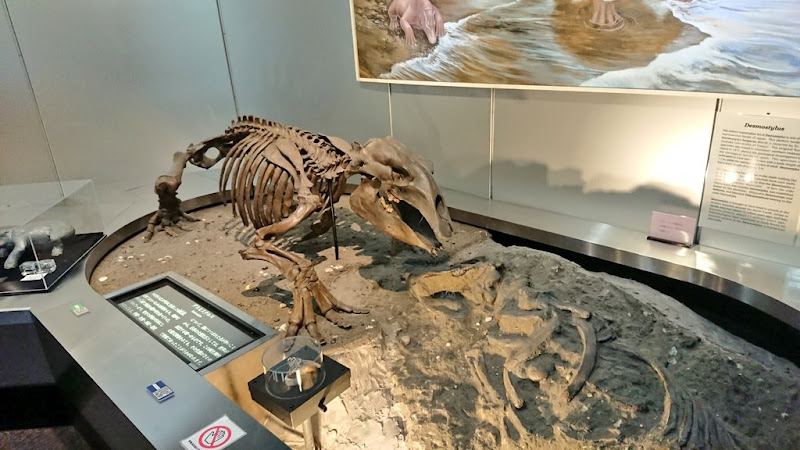
At first glance, you might think, “Okay, rocks and fossils, how exciting can that be?” But once you step inside, the scale of the collection and the way it’s laid out makes you realize just how much of Earth’s story is hidden in stone. The halls are spacious, giving you room to wander without feeling cramped, and the displays are curated in a way that feels both educational and oddly personal—like the earth itself is telling you its secrets.
It’s not without its quirks. Some exhibits feel a little dated, and occasionally you’ll find a section that could use a refresh. But then you turn a corner and stumble across a fossil that looks like it could leap out of its case, or a mineral formation sparkling under carefully placed lights, and suddenly you’re hooked all over again. The museum also hosts earth science events, which add a lively touch to what could otherwise be a quiet stroll through geological history. Families tend to enjoy it because kids can get a hands-on sense of what rocks and fossils really are, rather than just seeing them in a textbook. And for travelers, it’s a nice break from the usual city sightseeing—something slower, more thoughtful, but still fascinating.
Accessibility is clearly a priority here. Entrances and restrooms are wheelchair-friendly, and parking is set up with accessibility in mind. That makes it easier for everyone to enjoy without worrying about logistics. Restrooms are available, though there isn’t a restaurant on-site, so you’ll want to plan your meals before or after. Still, the museum feels welcoming, and while not every detail is perfect, the overall experience leaves most visitors glad they came.
Best Time to Visit
If you’re the type who likes to avoid crowds, weekdays in the late morning are usually the sweet spot. There’s enough natural light filtering through to make the minerals sparkle, but not so many people that you feel rushed. Weekends can get busier, especially when school groups or families are around, which makes sense—it’s a popular educational stop. Personally, I think visiting during cooler months adds to the experience. There’s something about stepping in from crisp air outside and being surrounded by the ancient, grounded stillness of rocks that feels almost meditative. Summer is fine too, but you might find yourself sharing the space with more tourists.
How to Get There
Reaching the museum is fairly straightforward. Public transportation options are available, and if you prefer driving, the parking lot is set up to handle visitors comfortably, with accessible spaces included. For travelers staying in the city center, it’s usually just a short ride away—nothing too complicated. I’ve taken both a bus and a taxi to get there on different visits, and honestly, both were easy. If you’re coming with kids or carrying gear, a taxi or rideshare might feel more convenient, but public transit works just fine if you’re up for it.
Tips for Visiting
First off, give yourself more time than you think you’ll need. What looks like a quick hour-long stop can easily stretch into two or three hours if you’re the curious type. Bring a bottle of water, since there’s no restaurant inside, and maybe a snack for afterward. Comfortable shoes are a must—the museum isn’t massive, but you’ll be on your feet a fair bit.
If you’re traveling with kids, set aside time to let them linger at the more interactive or visually striking exhibits. They’ll probably be more fascinated by the giant fossils than the subtler mineral displays, but that’s part of the fun. For photography lovers, the mineral halls are a dream—just be mindful of reflections from the glass cases. And one last thing: don’t rush. The beauty of this museum is in the details. The longer you look, the more you notice, and that’s what makes it worth the visit.
 Real Journey Travels