
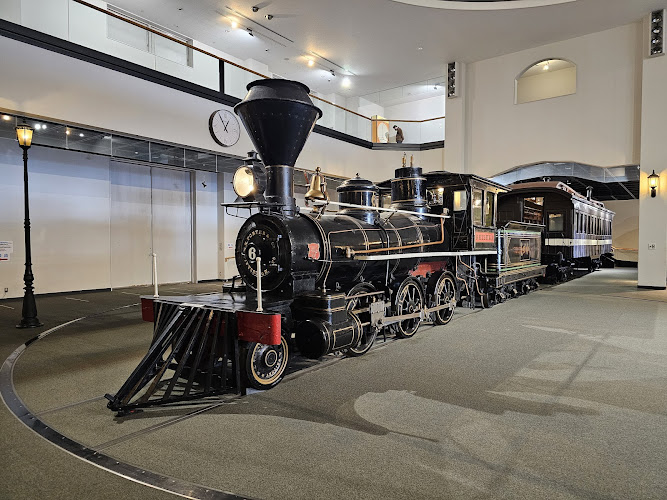
Otaru City Museum
About Otaru City Museum
Description
The Otaru City Museum is one of those places that quietly sneaks up on you. At first glance, it might look like just another local museum, but step inside and you’ll realize it’s a bit of a time capsule. It’s split into two main sections: the Canal Building, housed in a former warehouse right by Otaru Canal, and the Main Building, which sits on the grounds of an old railway yard. Together, they tell the story of Otaru’s history, its role in Hokkaido’s development, and its fascinating relationship with railways. You don’t need to be a train enthusiast to enjoy it, but if you happen to love locomotives, you’ll probably feel like a kid in a candy store.
The museum balances two worlds: the human history of Otaru, from the indigenous Ainu period to the city’s bustling trade era, and the mechanical marvels that powered its growth. There are model trains, full-sized locomotives, and even steam engines that make you feel like you’ve stepped back into the early 20th century. It’s not a flashy, high-tech museum with screens everywhere, but that’s part of its charm. The exhibits are approachable, often tactile, and easy to follow for both adults and kids. And honestly, there’s something grounding about walking through a place that doesn’t try too hard to impress, but instead simply shares the story of a city and its machines.
The atmosphere leans more educational than entertainment-heavy, so if you’re the type who loves learning through stories, artifacts, and the occasional wow-factor of a massive train, you’ll likely leave happy. Some visitors might find it a little old-fashioned, but for many, that’s exactly what makes it memorable. It’s a museum that feels authentic, not overproduced.
Key Features
- Two separate buildings: the Canal Building (history-focused) and the Main Building (railway-focused)
- Full-sized steam locomotives and other rail vehicles displayed in a real railway yard setting
- Model train displays that capture the imagination of both children and adults
- Exhibits covering Otaru’s history from the Ainu period through modern times
- Wheelchair accessible entrance, restrooms, and parking
- Family-friendly amenities including restrooms with changing tables
- Interactive and hands-on exhibits that make learning less formal and more fun
Best Time to Visit
Timing really depends on what kind of experience you want. If you’re already planning to stroll along Otaru Canal, popping into the Canal Building is a natural choice any time of year. Winter has its own magic, especially when snow piles up around the old warehouses and the trains look like they’ve been frozen in time. On the flip side, summer and autumn are great if you want to explore the outdoor rail yard without freezing your fingers off.
Weekdays are generally quieter, which makes it easier to linger at exhibits without feeling rushed. Weekends and holidays can get busier, especially with families, but the museum rarely feels overcrowded. If you’ve got kids, visiting in the morning is ideal—they’ll have more energy to explore, and you can head out for lunch by the canal afterward.
How to Get There
Getting to the Otaru City Museum is pretty straightforward. From Otaru Station, it’s only a short bus or taxi ride to the Main Building, while the Canal Building is within walking distance of the station and the popular tourist area along the canal. If you’re coming from Sapporo, you can hop on a train that takes about 30–40 minutes, making it an easy day trip. Once you’re in Otaru, the city itself is compact and walkable, so combining a museum visit with stops at the canal, glass shops, or seafood markets feels natural.
For those driving, there’s parking available at the Main Building. And yes, it’s wheelchair accessible, which is a relief because not every older building in Hokkaido has been updated for accessibility.
Tips for Visiting
First off, don’t rush. The museum may not look huge at first, but there’s more to see than you might expect. Give yourself at least a couple of hours if you want to explore both buildings properly. If you’re a photography buff, the trains and the old industrial setting make for some great shots—especially in the railway yard where the locomotives sit against the backdrop of Hokkaido’s sky.
If you’re traveling with kids, the model trains are usually a hit. Bring snacks or plan a meal nearby, because while the museum has restrooms and changing tables, it doesn’t have much in the way of food. Also, wear comfortable shoes. You’ll be walking a fair bit, especially if you’re moving between the two buildings.
One more thing: don’t skip the smaller details. Some of the most interesting exhibits aren’t the big trains but the everyday objects—old tickets, uniforms, tools—that tell the quieter stories of Otaru’s past. Those little touches are what make the museum feel personal and connected to real lives.
And honestly, if you’re the type who usually skips museums because you think they’re boring, give this one a chance. It’s not overwhelming, and you might just find yourself unexpectedly charmed by the sight of a steam locomotive up close. I still remember the first time I stood next to one of those massive iron beasts—it made me feel small in the best possible way. That’s the kind of memory that sticks with you long after the trip is over.
Key Features
- Two separate buildings: the Canal Building (history-focused) and the Main Building (railway-focused)
- Full-sized steam locomotives and other rail vehicles displayed in a real railway yard setting
- Model train displays that capture the imagination of both children and adults
- Exhibits covering Otaru’s history from the Ainu period through modern times
- Wheelchair accessible entrance, restrooms, and parking
- Family-friendly amenities including restrooms with changing tables
- Interactive and hands-on exhibits that make learning less formal and more fun
More Details
Updated September 10, 2025
Table of Contents
Description
The Otaru City Museum is one of those places that quietly sneaks up on you. At first glance, it might look like just another local museum, but step inside and you’ll realize it’s a bit of a time capsule. It’s split into two main sections: the Canal Building, housed in a former warehouse right by Otaru Canal, and the Main Building, which sits on the grounds of an old railway yard. Together, they tell the story of Otaru’s history, its role in Hokkaido’s development, and its fascinating relationship with railways. You don’t need to be a train enthusiast to enjoy it, but if you happen to love locomotives, you’ll probably feel like a kid in a candy store.
The museum balances two worlds: the human history of Otaru, from the indigenous Ainu period to the city’s bustling trade era, and the mechanical marvels that powered its growth. There are model trains, full-sized locomotives, and even steam engines that make you feel like you’ve stepped back into the early 20th century. It’s not a flashy, high-tech museum with screens everywhere, but that’s part of its charm. The exhibits are approachable, often tactile, and easy to follow for both adults and kids. And honestly, there’s something grounding about walking through a place that doesn’t try too hard to impress, but instead simply shares the story of a city and its machines.
The atmosphere leans more educational than entertainment-heavy, so if you’re the type who loves learning through stories, artifacts, and the occasional wow-factor of a massive train, you’ll likely leave happy. Some visitors might find it a little old-fashioned, but for many, that’s exactly what makes it memorable. It’s a museum that feels authentic, not overproduced.
Key Features
- Two separate buildings: the Canal Building (history-focused) and the Main Building (railway-focused)
- Full-sized steam locomotives and other rail vehicles displayed in a real railway yard setting
- Model train displays that capture the imagination of both children and adults
- Exhibits covering Otaru’s history from the Ainu period through modern times
- Wheelchair accessible entrance, restrooms, and parking
- Family-friendly amenities including restrooms with changing tables
- Interactive and hands-on exhibits that make learning less formal and more fun
Best Time to Visit
Timing really depends on what kind of experience you want. If you’re already planning to stroll along Otaru Canal, popping into the Canal Building is a natural choice any time of year. Winter has its own magic, especially when snow piles up around the old warehouses and the trains look like they’ve been frozen in time. On the flip side, summer and autumn are great if you want to explore the outdoor rail yard without freezing your fingers off.
Weekdays are generally quieter, which makes it easier to linger at exhibits without feeling rushed. Weekends and holidays can get busier, especially with families, but the museum rarely feels overcrowded. If you’ve got kids, visiting in the morning is ideal—they’ll have more energy to explore, and you can head out for lunch by the canal afterward.
How to Get There
Getting to the Otaru City Museum is pretty straightforward. From Otaru Station, it’s only a short bus or taxi ride to the Main Building, while the Canal Building is within walking distance of the station and the popular tourist area along the canal. If you’re coming from Sapporo, you can hop on a train that takes about 30–40 minutes, making it an easy day trip. Once you’re in Otaru, the city itself is compact and walkable, so combining a museum visit with stops at the canal, glass shops, or seafood markets feels natural.
For those driving, there’s parking available at the Main Building. And yes, it’s wheelchair accessible, which is a relief because not every older building in Hokkaido has been updated for accessibility.
Tips for Visiting
First off, don’t rush. The museum may not look huge at first, but there’s more to see than you might expect. Give yourself at least a couple of hours if you want to explore both buildings properly. If you’re a photography buff, the trains and the old industrial setting make for some great shots—especially in the railway yard where the locomotives sit against the backdrop of Hokkaido’s sky.
If you’re traveling with kids, the model trains are usually a hit. Bring snacks or plan a meal nearby, because while the museum has restrooms and changing tables, it doesn’t have much in the way of food. Also, wear comfortable shoes. You’ll be walking a fair bit, especially if you’re moving between the two buildings.
One more thing: don’t skip the smaller details. Some of the most interesting exhibits aren’t the big trains but the everyday objects—old tickets, uniforms, tools—that tell the quieter stories of Otaru’s past. Those little touches are what make the museum feel personal and connected to real lives.
And honestly, if you’re the type who usually skips museums because you think they’re boring, give this one a chance. It’s not overwhelming, and you might just find yourself unexpectedly charmed by the sight of a steam locomotive up close. I still remember the first time I stood next to one of those massive iron beasts—it made me feel small in the best possible way. That’s the kind of memory that sticks with you long after the trip is over.
Key Highlights
- Two separate buildings: the Canal Building (history-focused) and the Main Building (railway-focused)
- Full-sized steam locomotives and other rail vehicles displayed in a real railway yard setting
- Model train displays that capture the imagination of both children and adults
- Exhibits covering Otaru’s history from the Ainu period through modern times
- Wheelchair accessible entrance, restrooms, and parking
- Family-friendly amenities including restrooms with changing tables
- Interactive and hands-on exhibits that make learning less formal and more fun
Location
Places to Stay Near Otaru City Museum
Find and Book a Tour
Explore More Travel Guides
No reviews found! Be the first to review!
Traveler Reviews for Otaru City Museum
There are no reviews yet. Be the first one to write one.
Have you visited Otaru City Museum? Help other travelers by sharing your review.
You Might Also Like

Kitaichi Venezia Museum
Katsunai Rinkai Park

The Bank of Japan Otaru Museum
Find Accommodations Nearby
Recommended Tours & Activities
Visitor Reviews
There are no reviews yet. Be the first one to write one.
Share Your Experience
Have you visited Otaru City Museum? Help other travelers by leaving a review.