
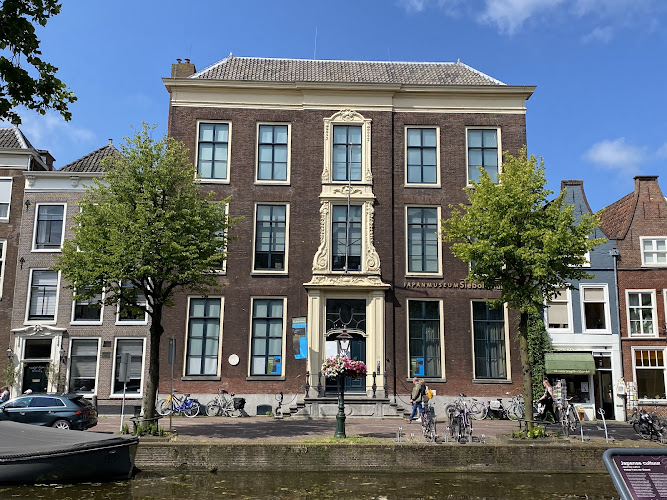
Japan Museum SieboldHuis
About Japan Museum SieboldHuis
Description
Japan Museum SieboldHuis is one of those places that quietly surprises you. It’s not a massive, overwhelming museum where you get lost in endless halls, but instead, it feels very personal and approachable. The museum is dedicated to Japanese art, culture, and history, and it really shines in the way it connects Japan with the Netherlands. It’s housed in a historic canal-side building, which already sets the mood before you even step inside. The exhibitions are carefully curated, ranging from traditional Japanese prints and ceramics to modern cultural exchanges. And while some visitors might feel the space is smaller than expected, it’s exactly that intimacy that makes the experience so memorable. You don’t just passively walk through—you end up engaging with the displays, really noticing the details.
The museum is named after Philipp Franz von Siebold, a German physician who played a huge role in introducing Japanese culture and knowledge to Europe in the 19th century. His personal story is woven into the museum’s identity, and you get a sense of how one individual’s passion for another culture can spark lasting connections. Personally, I love that aspect—it’s not just about artifacts, it’s about the human story behind them. You get to see Siebold’s original collection of Japanese objects, which feels like peeking into someone’s private cabinet of curiosities. Sure, it’s not the biggest collection in the world, but it’s unique and meaningful in a way that many larger museums can’t replicate.
The atmosphere is calm, almost contemplative, and it’s the kind of place where you can spend a couple of hours without feeling rushed. Some people might wish for more interactive displays or a bigger café space, but honestly, the focus here is on the objects and the stories they tell. And if you’re someone who enjoys diving into cultural history, you’ll probably find yourself lingering longer than you expected.
Key Features
- Permanent exhibition of Siebold’s original Japanese collection, including ceramics, prints, maps, and natural specimens.
- Rotating temporary exhibitions featuring Japanese art, design, and contemporary cultural themes.
- Workshops and lectures that explore traditional Japanese crafts, calligraphy, and cultural practices.
- Historic canal-side building that reflects 19th-century Dutch architecture, adding charm to the visit.
- Onsite restrooms available for visitor convenience.
- Wheelchair accessible restroom, though the entrance and parking may present challenges for some visitors.
Best Time to Visit
Timing makes a big difference when it comes to enjoying Japan Museum SieboldHuis. Weekdays, especially mornings, tend to be quieter, which gives you the chance to really take in the details without too much distraction. Weekends can get busier, especially when there’s a special exhibition running, so if you’re someone who prefers a calm, reflective atmosphere, aim for off-peak hours.
Seasonally, the museum doesn’t really depend on weather—it’s a great year-round destination. But if you’re already in the Netherlands during spring when cherry blossoms bloom, it feels especially fitting to explore Japanese culture at that time. Personally, I went on a rainy afternoon, and it was perfect. There’s something about being indoors, surrounded by Japanese prints and artifacts, while the rain taps on the windows—it just adds to the cozy, almost meditative vibe.
How to Get There
Getting to the museum is straightforward if you’re already in the Netherlands. It’s located in a historic city center, so public transportation is usually the easiest and least stressful way to arrive. Trains and buses connect well to the area, and from the station, it’s a short walk through streets that are worth exploring in their own right. If you’re driving, parking nearby can be a bit of a challenge, especially with the limited accessibility options, so I’d recommend leaving the car behind if possible.
Walking or cycling to the museum is also a great option. The city itself is very walkable, and if you’re on a bike, you’ll find it easy to navigate the canals and cobblestone streets. Just be mindful that the entrance isn’t fully wheelchair accessible, which is something to keep in mind if mobility is a concern.
Tips for Visiting
To make the most of your visit, there are a few things worth keeping in mind. First, give yourself enough time. Even though the museum isn’t huge, the details in the collection deserve attention. I found myself unexpectedly fascinated by the old maps and medical instruments Siebold brought back from Japan, things I would have probably skimmed over if I had rushed through.
Second, check ahead to see what temporary exhibitions are on. These can really change the flavor of your visit. Sometimes it’s traditional Japanese prints, other times it might be contemporary photography or design. The rotating shows tend to be thoughtfully chosen, so you might catch something you didn’t even realize you’d be interested in.
Third, since there isn’t a restaurant on-site, plan your meals accordingly. There are plenty of cafés and eateries nearby, so it’s not a big issue, but don’t arrive hungry expecting to grab a bite inside. I made that mistake once and ended up rushing through before finding a place to eat. Not ideal.
And lastly, don’t be afraid to slow down. This isn’t a museum that rewards speed. It’s about pausing, noticing, and maybe even reflecting on the odd connections between two very different cultures. If you’re traveling with kids, it might not hold their attention for as long as some larger, more interactive museums, but older children and teens with an interest in history or art could find it surprisingly engaging.
In the end, Japan Museum SieboldHuis is the kind of place that leaves you with a deeper appreciation for cultural exchange. It’s not flashy, but it’s meaningful. And honestly, that’s what makes it worth the visit.
Key Features
- Permanent exhibition of Siebold’s original Japanese collection, including ceramics, prints, maps, and natural specimens.
- Rotating temporary exhibitions featuring Japanese art, design, and contemporary cultural themes.
- Workshops and lectures that explore traditional Japanese crafts, calligraphy, and cultural practices.
- Historic canal-side building that reflects 19th-century Dutch architecture, adding charm to the visit.
- Onsite restrooms available for visitor convenience.
- Wheelchair accessible restroom, though the entrance and parking may present challenges for some visitors.
More Details
Updated September 9, 2025
Table of Contents
Description
Japan Museum SieboldHuis is one of those places that quietly surprises you. It’s not a massive, overwhelming museum where you get lost in endless halls, but instead, it feels very personal and approachable. The museum is dedicated to Japanese art, culture, and history, and it really shines in the way it connects Japan with the Netherlands. It’s housed in a historic canal-side building, which already sets the mood before you even step inside. The exhibitions are carefully curated, ranging from traditional Japanese prints and ceramics to modern cultural exchanges. And while some visitors might feel the space is smaller than expected, it’s exactly that intimacy that makes the experience so memorable. You don’t just passively walk through—you end up engaging with the displays, really noticing the details.
The museum is named after Philipp Franz von Siebold, a German physician who played a huge role in introducing Japanese culture and knowledge to Europe in the 19th century. His personal story is woven into the museum’s identity, and you get a sense of how one individual’s passion for another culture can spark lasting connections. Personally, I love that aspect—it’s not just about artifacts, it’s about the human story behind them. You get to see Siebold’s original collection of Japanese objects, which feels like peeking into someone’s private cabinet of curiosities. Sure, it’s not the biggest collection in the world, but it’s unique and meaningful in a way that many larger museums can’t replicate.
The atmosphere is calm, almost contemplative, and it’s the kind of place where you can spend a couple of hours without feeling rushed. Some people might wish for more interactive displays or a bigger café space, but honestly, the focus here is on the objects and the stories they tell. And if you’re someone who enjoys diving into cultural history, you’ll probably find yourself lingering longer than you expected.
Key Features
- Permanent exhibition of Siebold’s original Japanese collection, including ceramics, prints, maps, and natural specimens.
- Rotating temporary exhibitions featuring Japanese art, design, and contemporary cultural themes.
- Workshops and lectures that explore traditional Japanese crafts, calligraphy, and cultural practices.
- Historic canal-side building that reflects 19th-century Dutch architecture, adding charm to the visit.
- Onsite restrooms available for visitor convenience.
- Wheelchair accessible restroom, though the entrance and parking may present challenges for some visitors.
Best Time to Visit
Timing makes a big difference when it comes to enjoying Japan Museum SieboldHuis. Weekdays, especially mornings, tend to be quieter, which gives you the chance to really take in the details without too much distraction. Weekends can get busier, especially when there’s a special exhibition running, so if you’re someone who prefers a calm, reflective atmosphere, aim for off-peak hours.
Seasonally, the museum doesn’t really depend on weather—it’s a great year-round destination. But if you’re already in the Netherlands during spring when cherry blossoms bloom, it feels especially fitting to explore Japanese culture at that time. Personally, I went on a rainy afternoon, and it was perfect. There’s something about being indoors, surrounded by Japanese prints and artifacts, while the rain taps on the windows—it just adds to the cozy, almost meditative vibe.
How to Get There
Getting to the museum is straightforward if you’re already in the Netherlands. It’s located in a historic city center, so public transportation is usually the easiest and least stressful way to arrive. Trains and buses connect well to the area, and from the station, it’s a short walk through streets that are worth exploring in their own right. If you’re driving, parking nearby can be a bit of a challenge, especially with the limited accessibility options, so I’d recommend leaving the car behind if possible.
Walking or cycling to the museum is also a great option. The city itself is very walkable, and if you’re on a bike, you’ll find it easy to navigate the canals and cobblestone streets. Just be mindful that the entrance isn’t fully wheelchair accessible, which is something to keep in mind if mobility is a concern.
Tips for Visiting
To make the most of your visit, there are a few things worth keeping in mind. First, give yourself enough time. Even though the museum isn’t huge, the details in the collection deserve attention. I found myself unexpectedly fascinated by the old maps and medical instruments Siebold brought back from Japan, things I would have probably skimmed over if I had rushed through.
Second, check ahead to see what temporary exhibitions are on. These can really change the flavor of your visit. Sometimes it’s traditional Japanese prints, other times it might be contemporary photography or design. The rotating shows tend to be thoughtfully chosen, so you might catch something you didn’t even realize you’d be interested in.
Third, since there isn’t a restaurant on-site, plan your meals accordingly. There are plenty of cafés and eateries nearby, so it’s not a big issue, but don’t arrive hungry expecting to grab a bite inside. I made that mistake once and ended up rushing through before finding a place to eat. Not ideal.
And lastly, don’t be afraid to slow down. This isn’t a museum that rewards speed. It’s about pausing, noticing, and maybe even reflecting on the odd connections between two very different cultures. If you’re traveling with kids, it might not hold their attention for as long as some larger, more interactive museums, but older children and teens with an interest in history or art could find it surprisingly engaging.
In the end, Japan Museum SieboldHuis is the kind of place that leaves you with a deeper appreciation for cultural exchange. It’s not flashy, but it’s meaningful. And honestly, that’s what makes it worth the visit.
Key Highlights
- Permanent exhibition of Siebold’s original Japanese collection, including ceramics, prints, maps, and natural specimens.
- Rotating temporary exhibitions featuring Japanese art, design, and contemporary cultural themes.
- Workshops and lectures that explore traditional Japanese crafts, calligraphy, and cultural practices.
- Historic canal-side building that reflects 19th-century Dutch architecture, adding charm to the visit.
- Onsite restrooms available for visitor convenience.
- Wheelchair accessible restroom, though the entrance and parking may present challenges for some visitors.
Location
Places to Stay Near Japan Museum SieboldHuis
Find and Book a Tour
Explore More Travel Guides
No reviews found! Be the first to review!
Traveler Reviews for Japan Museum SieboldHuis
There are no reviews yet. Be the first one to write one.
Have you visited Japan Museum SieboldHuis? Help other travelers by sharing your review.
Find Accommodations Nearby
Recommended Tours & Activities
Visitor Reviews
There are no reviews yet. Be the first one to write one.
Share Your Experience
Have you visited Japan Museum SieboldHuis? Help other travelers by leaving a review.