
Rijksmuseum Boerhaave
About Rijksmuseum Boerhaave
Description
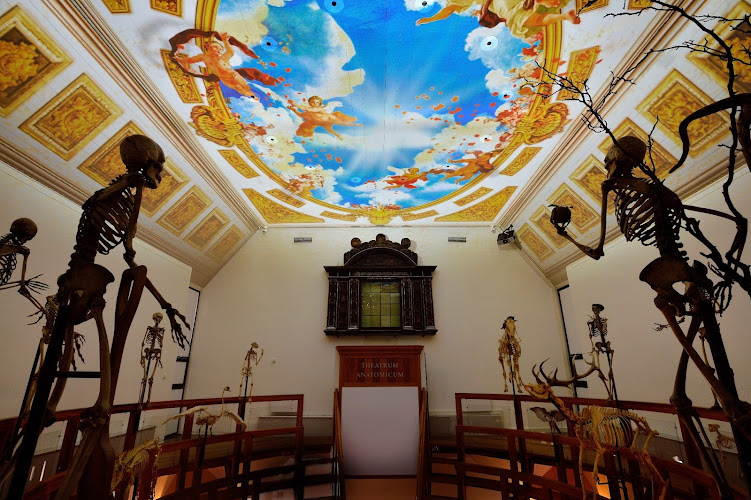
Rijksmuseum Boerhaave in Leiden is one of those places that sneaks up on you. At first glance, it looks like a handsome old building—a former hospital, in fact—but step inside and you’re suddenly walking through centuries of human curiosity, invention, and discovery. It’s a museum that tells the story of science and medicine in a way that feels both grand and personal. You’ll see instruments that look like they belong in a wizard’s study, early microscopes that changed the way we see life itself, and medical objects that are equal parts fascinating and a little unsettling. Some visitors find certain exhibits intense, especially the ones showing old surgical tools, but that’s part of the raw honesty of the place. It doesn’t sugarcoat history, and that’s what makes it so compelling.
What I love about Boerhaave is how it balances the scholarly with the playful. You can geek out over the 16th-century scientific breakthroughs, but you’ll also find interactive displays that make even kids stop and go “wow.” It’s not a sterile, look-but-don’t-touch kind of museum. Instead, it feels alive, with a mix of live demonstrations, storytelling, and hands-on activities. And while it’s steeped in history, it doesn’t feel dusty or outdated. The curators have managed to give the exhibits a modern rhythm—there’s a sense of narrative, almost like you’re reading a storybook of science, chapter by chapter. Families, students, solo travelers—they all seem to find their own corner of fascination here. Sure, not every display will blow your mind, but the overall experience leaves you with a deeper appreciation of how science has shaped the world we live in today.
Key Features
- Historic setting inside a former hospital dating back centuries
- Extensive collection of scientific instruments, from telescopes to microscopes
- Rare medical objects that trace the evolution of healthcare
- Interactive exhibits designed for kids and adults alike
- Live performances and demonstrations that bring history to life
- Family-friendly environment with changing tables and kid-focused activities
- Wheelchair accessible entrance and restrooms, making it inclusive for all
- Onsite amenities like a restaurant, restrooms, and free Wi-Fi
- LGBTQ+ friendly and recognized as a safe, welcoming space
Best Time to Visit
If you’re anything like me, you’ll want to avoid the big crowds. Weekdays, especially in the late morning, are usually calmer and give you more breathing room to wander at your own pace. School groups tend to pour in during mid-mornings, so if you’d rather not dodge a sea of excited students, aim for afternoons. Winter months can be a surprisingly good time to visit—Leiden itself has a cozy atmosphere then, and the museum feels like a warm retreat from the chilly Dutch weather. Summer, on the other hand, can get busier with international travelers, but even then, Boerhaave rarely feels overwhelming compared to other big-name museums in the Netherlands. Personally, I think autumn is ideal: fewer tourists, crisp air outside, and the exhibits inside seem to resonate even more when the days are shorter and slower.
How to Get There
Leiden is well-connected by train, and the museum is within walking distance from the main station—about 15 minutes on foot, give or take. If you’re rolling your suitcase behind you, you might want to hop on a local bus or grab a bike, which is the Dutch way of course. Cycling through Leiden’s canals and narrow streets to the museum feels like part of the adventure. Driving is possible, but parking in Leiden can be a bit of a headache, so I’d recommend public transport unless you really need the car. For those coming from Amsterdam or The Hague, the train ride is quick and painless, making a day trip to Boerhaave a very doable plan.
Tips for Visiting
First tip: don’t rush it. Give yourself at least two to three hours, because the exhibits are dense with detail and you’ll want to linger. If you’re traveling with kids, check out the interactive science zones early on—they tend to get busier later in the day. And if you’re the type who loves to snack or sip coffee mid-visit, the onsite restaurant is a pleasant surprise, not just an afterthought. Wi-Fi is available, which is handy if you like looking up extra info as you go (I do this all the time). Accessibility is thoughtfully handled, so wheelchair users will find it manageable, and families with little ones will appreciate the changing facilities.
Here’s a little personal trick I use: start upstairs. Most people instinctively begin with the ground floor, so by flipping the order, you get a quieter experience. Also, don’t shy away from the medical history sections just because they sound grim—yes, some items are a bit eerie, but they’re also the most eye-opening. And if you’re the kind of traveler who likes souvenirs, the museum shop has some quirky science-themed gifts that are way cooler than your average keychain. Lastly, keep your curiosity wide open. Boerhaave isn’t just about old objects; it’s about the human drive to understand the world, and that’s something that never gets old.
Key Features
- Historic setting inside a former hospital dating back centuries
- Extensive collection of scientific instruments, from telescopes to microscopes
- Rare medical objects that trace the evolution of healthcare
- Interactive exhibits designed for kids and adults alike
- Live performances and demonstrations that bring history to life
- Family-friendly environment with changing tables and kid-focused activities
- Wheelchair accessible entrance and restrooms, making it inclusive for all
- Onsite amenities like a restaurant, restrooms, and free Wi-Fi
More Details
Updated September 9, 2025
Table of Contents
Description
Rijksmuseum Boerhaave in Leiden is one of those places that sneaks up on you. At first glance, it looks like a handsome old building—a former hospital, in fact—but step inside and you’re suddenly walking through centuries of human curiosity, invention, and discovery. It’s a museum that tells the story of science and medicine in a way that feels both grand and personal. You’ll see instruments that look like they belong in a wizard’s study, early microscopes that changed the way we see life itself, and medical objects that are equal parts fascinating and a little unsettling. Some visitors find certain exhibits intense, especially the ones showing old surgical tools, but that’s part of the raw honesty of the place. It doesn’t sugarcoat history, and that’s what makes it so compelling.
What I love about Boerhaave is how it balances the scholarly with the playful. You can geek out over the 16th-century scientific breakthroughs, but you’ll also find interactive displays that make even kids stop and go “wow.” It’s not a sterile, look-but-don’t-touch kind of museum. Instead, it feels alive, with a mix of live demonstrations, storytelling, and hands-on activities. And while it’s steeped in history, it doesn’t feel dusty or outdated. The curators have managed to give the exhibits a modern rhythm—there’s a sense of narrative, almost like you’re reading a storybook of science, chapter by chapter. Families, students, solo travelers—they all seem to find their own corner of fascination here. Sure, not every display will blow your mind, but the overall experience leaves you with a deeper appreciation of how science has shaped the world we live in today.
Key Features
- Historic setting inside a former hospital dating back centuries
- Extensive collection of scientific instruments, from telescopes to microscopes
- Rare medical objects that trace the evolution of healthcare
- Interactive exhibits designed for kids and adults alike
- Live performances and demonstrations that bring history to life
- Family-friendly environment with changing tables and kid-focused activities
- Wheelchair accessible entrance and restrooms, making it inclusive for all
- Onsite amenities like a restaurant, restrooms, and free Wi-Fi
- LGBTQ+ friendly and recognized as a safe, welcoming space
Best Time to Visit
If you’re anything like me, you’ll want to avoid the big crowds. Weekdays, especially in the late morning, are usually calmer and give you more breathing room to wander at your own pace. School groups tend to pour in during mid-mornings, so if you’d rather not dodge a sea of excited students, aim for afternoons. Winter months can be a surprisingly good time to visit—Leiden itself has a cozy atmosphere then, and the museum feels like a warm retreat from the chilly Dutch weather. Summer, on the other hand, can get busier with international travelers, but even then, Boerhaave rarely feels overwhelming compared to other big-name museums in the Netherlands. Personally, I think autumn is ideal: fewer tourists, crisp air outside, and the exhibits inside seem to resonate even more when the days are shorter and slower.
How to Get There
Leiden is well-connected by train, and the museum is within walking distance from the main station—about 15 minutes on foot, give or take. If you’re rolling your suitcase behind you, you might want to hop on a local bus or grab a bike, which is the Dutch way of course. Cycling through Leiden’s canals and narrow streets to the museum feels like part of the adventure. Driving is possible, but parking in Leiden can be a bit of a headache, so I’d recommend public transport unless you really need the car. For those coming from Amsterdam or The Hague, the train ride is quick and painless, making a day trip to Boerhaave a very doable plan.
Tips for Visiting
First tip: don’t rush it. Give yourself at least two to three hours, because the exhibits are dense with detail and you’ll want to linger. If you’re traveling with kids, check out the interactive science zones early on—they tend to get busier later in the day. And if you’re the type who loves to snack or sip coffee mid-visit, the onsite restaurant is a pleasant surprise, not just an afterthought. Wi-Fi is available, which is handy if you like looking up extra info as you go (I do this all the time). Accessibility is thoughtfully handled, so wheelchair users will find it manageable, and families with little ones will appreciate the changing facilities.
Here’s a little personal trick I use: start upstairs. Most people instinctively begin with the ground floor, so by flipping the order, you get a quieter experience. Also, don’t shy away from the medical history sections just because they sound grim—yes, some items are a bit eerie, but they’re also the most eye-opening. And if you’re the kind of traveler who likes souvenirs, the museum shop has some quirky science-themed gifts that are way cooler than your average keychain. Lastly, keep your curiosity wide open. Boerhaave isn’t just about old objects; it’s about the human drive to understand the world, and that’s something that never gets old.
Key Highlights
- Historic setting inside a former hospital dating back centuries
- Extensive collection of scientific instruments, from telescopes to microscopes
- Rare medical objects that trace the evolution of healthcare
- Interactive exhibits designed for kids and adults alike
- Live performances and demonstrations that bring history to life
- Family-friendly environment with changing tables and kid-focused activities
- Wheelchair accessible entrance and restrooms, making it inclusive for all
- Onsite amenities like a restaurant, restrooms, and free Wi-Fi
Location
Places to Stay Near Rijksmuseum Boerhaave
Find and Book a Tour
Explore More Travel Guides
No reviews found! Be the first to review!
Traveler Reviews for Rijksmuseum Boerhaave
There are no reviews yet. Be the first one to write one.
Have you visited Rijksmuseum Boerhaave? Help other travelers by sharing your review.
You Might Also Like
Museum De Lakenhal

Park Matilo
Hooglandse Kerk
Find Accommodations Nearby
Recommended Tours & Activities
Visitor Reviews
There are no reviews yet. Be the first one to write one.
Share Your Experience
Have you visited Rijksmuseum Boerhaave? Help other travelers by leaving a review.