
Balai Taman Nasional Bantimurung Bulusaraung
About Balai Taman Nasional Bantimurung Bulusaraung
Key Features
More Details
Updated April 16, 2024
## Balai Taman Nasional Bantimurung–Bulusaraung: Practical Guide to South Sulawesi’s Karst, Waterfalls, Butterflies, and Prehistoric Art
Location data you supplied: 5RXF+G9H, Bentenge, South Sulawesi (approx. −4.8011838, 119.8234977), labeled a “tourist attraction,” rated 4.4.
Important note: In Indonesia, Balai usually denotes the park management office. The nationally significant nature sites visitors come for—the Bantimurung Waterfall, the Maros–Pangkep karst towers (including Rammang-Rammang), and the prehistoric Leang-Leang caves—are concentrated in Maros and Pangkep Regencies north of Makassar. The national park itself (est. 2004, 437 km²) sits there; Makassar is the nearest major city.
—
### Why this place matters
– One of Southeast Asia’s great karst landscapes. The broader Maros–Pangkep system is internationally recognized for dramatic tower karst and caves; in May 2023 it was designated a UNESCO Global Geopark—a strong signal of geological and cultural value.
– Biodiversity & butterflies. Bantimurung was dubbed a “butterfly kingdom” after 19th-century naturalist Alfred Russel Wallace documented hundreds of species here—heritage that still underpins the park’s identity today.
– Prehistoric rock art of global importance. The Maros–Pangkep caves host some of the oldest known figurative artworks on Earth. Research over the last decade dated hand stencils to ~39,900 years; in 2024, a scene from Leang Karampuang was confidently dated to ≥51,200 years, pushing back the timeline for human storytelling in art. Geographic
– Biosphere reserve core. The park anchors the Bantimurung Bulusaraung–Ma’Rupanne Biosphere Reserve within UNESCO’s Man and the Biosphere Programme, integrating conservation with living cultures (Makassar and Bugis communities).
—
## Orientation & Key Areas
– Bantimurung Valley & Waterfall (Maros): The photogenic cascade and swimming area sit in a steep limestone gorge with short walks to caves signed locally as Goa Mimpi (Dream Cave) and Goa Batu (Stone Cave). Surfaces get slick; grippy footwear is essential.
– Rammang-Rammang Karst (Maros): Rice fields, rivers, and jagged karst spires—often explored by small boats through village canals. It’s frequently depicted as the park’s iconic karst panorama.
– Leang-Leang Prehistoric Park (Maros): Managed access to rock-art caves with hand stencils and animal figures; signage is basic but the interpretive value is huge.
– Broader Maros–Pangkep Geopark: The geopark label spans waterfalls, caves, and traditional villages beyond the strict NP boundary, reinforcing regional protection and visitor standards.
> Data accuracy flag: Specific opening hours, ticket prices, and zone-by-zone access change periodically and differ between the waterfall complex, caves, and geopark sites. Verify on the day of travel with on-site notices or the park office—avoid relying on old blog posts.
—
## How to Get There (Makassar Hub)
– Makassar → Bantimurung Waterfall: Roughly 50 km north; commonly a ~1-hour drive in light traffic. Sultan Hasanuddin International Airport is closer (20 km). Expect longer on weekends/holidays.
– Makassar → Rammang-Rammang: Similar corridor north of the city via Maros, then local roads/boat jetties.
Transport tips (practical, on-the-ground):
– Private car/driver or ride-hailing for flexibility between dispersed sites. Public transport exists but is slow and fragmented between towns, jetties, and trailheads.
– Start early to beat heat and day-trip crowds at the waterfall; reach Rammang-Rammang in the first light for glassy water and better photos.
– Carry cash for community-run boat trips and village access points around the karst.
—
## When to Go & What to Pack
– Seasonality: For steadier river conditions and peak butterfly activity, the drier months (roughly April–October) are typically favored; heavy rains can swell streams and reduce water clarity. (Seasonal “butterfly peaks” are widely reported, but they vary by micro-habitat and year.)
– Footwear: Trails and carbonate surfaces are slippery when wet; bring closed-toe shoes with traction.
– Lighting: Headlamp or torch for caves; phone lights are insufficient and unsafe on uneven terrain.
– Respect for heritage: Do not touch rock art or cave walls; the skin oils and condensation degrade surfaces irreversibly. (Conservation guidance is consistent with UNESCO and archaeological best practice.)
—
## What to See & Do (Low-Hassle Plan)
### 1) Bantimurung Waterfall & Short Cave Walks (½ day)
– Swim in the plunge pools if conditions permit; supervise children (currents vary after rain).
– Walk to Goa Mimpi / Goa Batu from the main area; expect steps, narrow passages, and low ceilings—helmets aren’t mandatory but help.
### 2) Rammang-Rammang Boat Loops (2–3 hours)
– Hire a small boat for a loop through karst canals and village rice fields; morning light and calm water give the famous mirror reflections. Community operations set boat capacity and route; listen to the skipper’s guidance. (Part of the UNESCO-listed geopark landscape.)
### 3) Leang-Leang Prehistoric Park (1–2 hours)
– See hand stencils and (where access allows) animal paintings that helped rewrite global art history. Follow boardwalks and stay behind barriers; photography without flash is the norm.
—
## Responsible & Inclusive Visiting
– Rock-art etiquette: No flashes, no touching, no chalking/rubbing for “better photos.” Even brief contact accelerates deterioration, and fines or closures are real possibilities. Geographic
– Butterfly buying: Historical trade in mounted specimens created pressure on wild populations. Today, the emphasis is on conservation-first experiences; avoid purchasing wild-caught souvenirs.
– Local livelihoods: Many access points and boats are community-run; paying posted fees and hiring local guides spreads benefits beyond Makassar hotels—an important aspect of the UNESCO biosphere model.
– Mobility & safety: Surfaces can be uneven, wet, and stair-heavy. If anyone in your group has limited mobility, confirm step counts/handrails at the specific site entrance (Bantimurung, Rammang-Rammang jetty, or Leang-Leang gate) before committing.
—
## Research-Backed Highlights (for curious travelers)
– Oldest storytelling scene in rock art (so far). The 2024 Nature-reported panel at Leang Karampuang—human-like figures interacting with a Sulawesi warty pig—pushes narrative art past 51,000 years, challenging the long-held Europe-first art narrative.
– Hand stencils ~39,900 years. Earlier work dated Leang Tempuseng stencils to nearly 40k years, already a paradigm shift at the time. Geographic
– Wallace’s butterfly kingdom. Wallace’s 1857 fieldwork around Bantimurung recorded ~256 species; his notes helped place Sulawesi on the world map for biogeography.
—
## Planning FAQs (kept strictly factual)
– Is Bantimurung inside the national park? Yes, the waterfall and adjoining caves are part of Bantimurung–Bulusaraung National Park.
– Is Rammang-Rammang in the park? It’s within the park’s celebrated karst landscape and showcased in UNESCO materials about the region’s global significance.
– How big is the park? About 437 km², established 2004; nearest major city Makassar.
—
## What’s likely to be outdated (check locally before you go)
– Ticketing & opening hours at Bantimurung, Leang-Leang, and Rammang-Rammang change with management updates and holiday schedules.
– Photography rules inside specific caves and near certain panels vary by site and conservation status.
– Boat pricing and exact routes at Rammang-Rammang are set on-site by cooperatives and change with water levels and demand.
—
## Related reads on RealJourneyTravels (internal)
– Makassar Gateway Guide: Airports, Car Hire, and Coastal Layovers
– Rammang-Rammang Karst by Boat: Photospots, Safety, and Early-Morning Strategy
—
### Map & Coordinates (from your dataset)
– Bentenge waypoint (Balai/office marker): −4.8011838, 119.8234977
– Core park area used in official references: around 4.900°S, 119.750°E (Maros–Pangkep karst belt). Use this as a planning centroid, not an entrance gate.
—
### Bottom line
Come for the waterfall and butterflies; stay for a world-class karst and world-changing art history. Keep expectations flexible (sites are spread out, rules evolve), hire locals where you can, and treat the caves like a museum with a living roof—the preservation you support today keeps the story legible for the next 50,000 years.
Table of Contents
Key Highlights
Balai Taman Nasional Bantimurung Bulusaraung
Location
Places to Stay Near Balai Taman Nasional Bantimurung Bulusaraung
Find and Book a Tour
Explore More Travel Guides
No reviews found! Be the first to review!
Traveler Reviews for Balai Taman Nasional Bantimurung Bulusaraung
There are no reviews yet. Be the first one to write one.
Have you visited Balai Taman Nasional Bantimurung Bulusaraung? Help other travelers by sharing your review.
You Might Also Like
Base Camp NRXR Pare Pare
Kebun Raya Jompie Kota Parepare
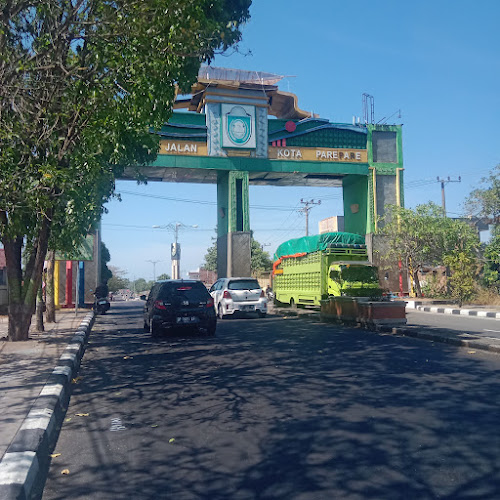
Border Pare Pare - Barru
Find Accommodations Nearby
Recommended Tours & Activities
Visitor Reviews
There are no reviews yet. Be the first one to write one.
Share Your Experience
Have you visited Balai Taman Nasional Bantimurung Bulusaraung? Help other travelers by leaving a review.