
Howletts Wild Animal Park
About Howletts Wild Animal Park
Description
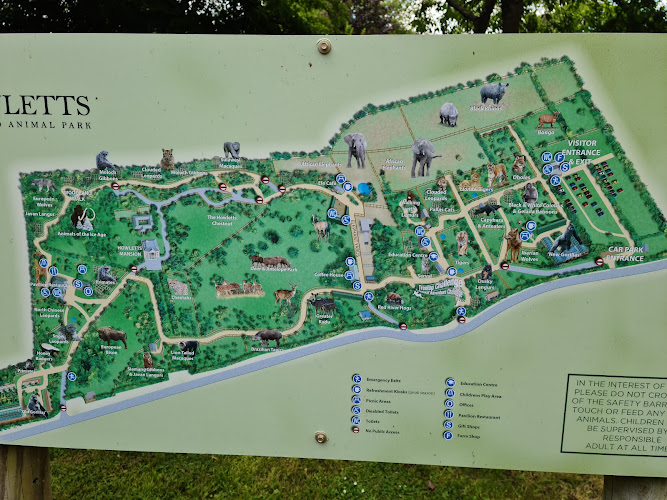
Howletts Wild Animal Park, tucked away in the Kent countryside near Canterbury, is more than just a zoo—it’s a living, breathing conservation project with a real heart behind it. Spread across 90 acres of ancient parkland, it’s home to gorillas, tigers, monkeys, elephants, and a whole cast of rare species you won’t stumble upon in your average wildlife park. The place has a certain charm that blends the thrill of seeing exotic animals up close with the warmth of knowing your ticket helps protect them. You can sense that many of the animals here are part of long-term breeding and rewilding programs, which gives the whole experience a deeper meaning.
It’s not perfect—some enclosures feel a little dated compared to flashier city zoos, and you might find yourself wishing for more interactive signage in certain spots. But honestly, that’s part of its raw appeal. It’s less about gimmicks and more about the animals themselves. When you’re standing a few feet from a silverback gorilla, you don’t need flashy displays; you just need to watch, listen, and take it in. And if you’re lucky enough to book a keeper experience, you’ll get a behind-the-scenes look that makes you feel like you’re part of the conservation mission, not just a visitor passing through.
Key Features
- Home to the UK’s largest herd of African elephants
- Gorilla enclosures with multiple family groups
- Sumatran tigers, snow leopards, and other endangered species
- Keeper experiences for hands-on animal care insights
- Treetop Challenge adventure course for thrill-seekers
- Picnic areas with tables and shaded spots
- Playground with slides and swings for children
- Wheelchair accessible entrances and parking
- Public restrooms throughout the park
- Contactless payment options, including NFC mobile payments
Best Time to Visit
Spring and early summer are the sweet spots here. The weather’s mild, the animals are more active, and the park’s greenery is at its best. Autumn has its own magic too—fewer crowds, crisp air, and the kind of golden light that makes your photos look like they belong in a magazine. Winter can be hit or miss; some animals prefer to stay in their indoor areas when it’s cold, but you might enjoy having the paths almost to yourself. If you’re aiming for a quieter experience, weekdays outside of school holidays are your best bet. Just remember, this is the UK—pack a waterproof, even if the forecast swears it won’t rain.
How to Get There
If you’re driving, it’s a straightforward route from Canterbury or the M20, with clear signs pointing you in the right direction. Parking is free and plentiful, which is a relief if you’ve ever wrestled with city zoo parking fees. For those relying on public transport, you can take a train to Canterbury and then hop on a local bus or taxi to the park. It’s not the most direct public transport journey, so if you’re traveling with little ones or a big picnic bag, a car is definitely the easier option. That said, I once took the bus on a sunny day and enjoyed the rolling countryside views so much I didn’t mind the extra time.
Tips for Visiting
First and foremost—get your tickets in advance. It saves you queuing at the gate, and sometimes there are online discounts. Wear comfortable shoes; 90 acres is no joke, and you’ll want to explore every corner. If you’re bringing kids, the playground is a great mid-day break for them (and for you to sit down with a coffee). The picnic areas are well-kept, so packing your own lunch can save you a bit of money, though the onsite café does decent hot food if you prefer. And take your time—don’t rush from one enclosure to the next. Some of the best moments happen when you just stop and watch, like seeing a tiger stretch lazily in the sun or a young gorilla trying to figure out how to climb a log.
One last thing—be prepared for the fact that not every animal will be on show at all times. This isn’t a theme park; the animals have the freedom to retreat into their indoor spaces. It can be a bit disappointing if you miss a species you were excited about, but it’s also a sign the park puts animal welfare first. And honestly, that’s exactly the kind of place worth supporting.
Key Features
- Home to the UK’s largest herd of African elephants
- Gorilla enclosures with multiple family groups
- Sumatran tigers, snow leopards, and other endangered species
- Keeper experiences for hands-on animal care insights
- Treetop Challenge adventure course for thrill-seekers
- Picnic areas with tables and shaded spots
- Playground with slides and swings for children
- Wheelchair accessible entrances and parking
More Details
Updated August 11, 2025
Table of Contents
Description
Howletts Wild Animal Park, tucked away in the Kent countryside near Canterbury, is more than just a zoo—it’s a living, breathing conservation project with a real heart behind it. Spread across 90 acres of ancient parkland, it’s home to gorillas, tigers, monkeys, elephants, and a whole cast of rare species you won’t stumble upon in your average wildlife park. The place has a certain charm that blends the thrill of seeing exotic animals up close with the warmth of knowing your ticket helps protect them. You can sense that many of the animals here are part of long-term breeding and rewilding programs, which gives the whole experience a deeper meaning.
It’s not perfect—some enclosures feel a little dated compared to flashier city zoos, and you might find yourself wishing for more interactive signage in certain spots. But honestly, that’s part of its raw appeal. It’s less about gimmicks and more about the animals themselves. When you’re standing a few feet from a silverback gorilla, you don’t need flashy displays; you just need to watch, listen, and take it in. And if you’re lucky enough to book a keeper experience, you’ll get a behind-the-scenes look that makes you feel like you’re part of the conservation mission, not just a visitor passing through.
Key Features
- Home to the UK’s largest herd of African elephants
- Gorilla enclosures with multiple family groups
- Sumatran tigers, snow leopards, and other endangered species
- Keeper experiences for hands-on animal care insights
- Treetop Challenge adventure course for thrill-seekers
- Picnic areas with tables and shaded spots
- Playground with slides and swings for children
- Wheelchair accessible entrances and parking
- Public restrooms throughout the park
- Contactless payment options, including NFC mobile payments
Best Time to Visit
Spring and early summer are the sweet spots here. The weather’s mild, the animals are more active, and the park’s greenery is at its best. Autumn has its own magic too—fewer crowds, crisp air, and the kind of golden light that makes your photos look like they belong in a magazine. Winter can be hit or miss; some animals prefer to stay in their indoor areas when it’s cold, but you might enjoy having the paths almost to yourself. If you’re aiming for a quieter experience, weekdays outside of school holidays are your best bet. Just remember, this is the UK—pack a waterproof, even if the forecast swears it won’t rain.
How to Get There
If you’re driving, it’s a straightforward route from Canterbury or the M20, with clear signs pointing you in the right direction. Parking is free and plentiful, which is a relief if you’ve ever wrestled with city zoo parking fees. For those relying on public transport, you can take a train to Canterbury and then hop on a local bus or taxi to the park. It’s not the most direct public transport journey, so if you’re traveling with little ones or a big picnic bag, a car is definitely the easier option. That said, I once took the bus on a sunny day and enjoyed the rolling countryside views so much I didn’t mind the extra time.
Tips for Visiting
First and foremost—get your tickets in advance. It saves you queuing at the gate, and sometimes there are online discounts. Wear comfortable shoes; 90 acres is no joke, and you’ll want to explore every corner. If you’re bringing kids, the playground is a great mid-day break for them (and for you to sit down with a coffee). The picnic areas are well-kept, so packing your own lunch can save you a bit of money, though the onsite café does decent hot food if you prefer. And take your time—don’t rush from one enclosure to the next. Some of the best moments happen when you just stop and watch, like seeing a tiger stretch lazily in the sun or a young gorilla trying to figure out how to climb a log.
One last thing—be prepared for the fact that not every animal will be on show at all times. This isn’t a theme park; the animals have the freedom to retreat into their indoor spaces. It can be a bit disappointing if you miss a species you were excited about, but it’s also a sign the park puts animal welfare first. And honestly, that’s exactly the kind of place worth supporting.
Key Highlights
- Home to the UK’s largest herd of African elephants
- Gorilla enclosures with multiple family groups
- Sumatran tigers, snow leopards, and other endangered species
- Keeper experiences for hands-on animal care insights
- Treetop Challenge adventure course for thrill-seekers
- Picnic areas with tables and shaded spots
- Playground with slides and swings for children
- Wheelchair accessible entrances and parking
Location
Places to Stay Near Howletts Wild Animal Park
Find and Book a Tour
Explore More Travel Guides
No reviews found! Be the first to review!
Traveler Reviews for Howletts Wild Animal Park
There are no reviews yet. Be the first one to write one.
Have you visited Howletts Wild Animal Park? Help other travelers by sharing your review.
Find Accommodations Nearby
Recommended Tours & Activities
Visitor Reviews
There are no reviews yet. Be the first one to write one.
Share Your Experience
Have you visited Howletts Wild Animal Park? Help other travelers by leaving a review.