

Last modified August 17, 2026
Picking where to stay in Curaçao can feel like a puzzle—each part of the island has its own character. Maybe you want to be close to Willemstad’s bright streets, or you’d rather wake up steps from calm turquoise water. You’ll find the best places to stay by matching each area’s vibe with what you actually want—beach time, culture, quiet, or a bit of adventure.
Here’s a straightforward guide. You’ll get a quick overview of Curaçao’s main areas, what each one offers, and who they suit best. I’ve also pulled together hotels and rentals for different budgets, so you can skip the research rabbit hole and book with confidence.
Key Takeaways
- See how Curaçao’s main areas differ and which travelers they fit.
- Get clear guidance on top hotels for every budget.
- Save time comparing options—plan your stay in minutes.
Curacao at a Glance: Island Overview
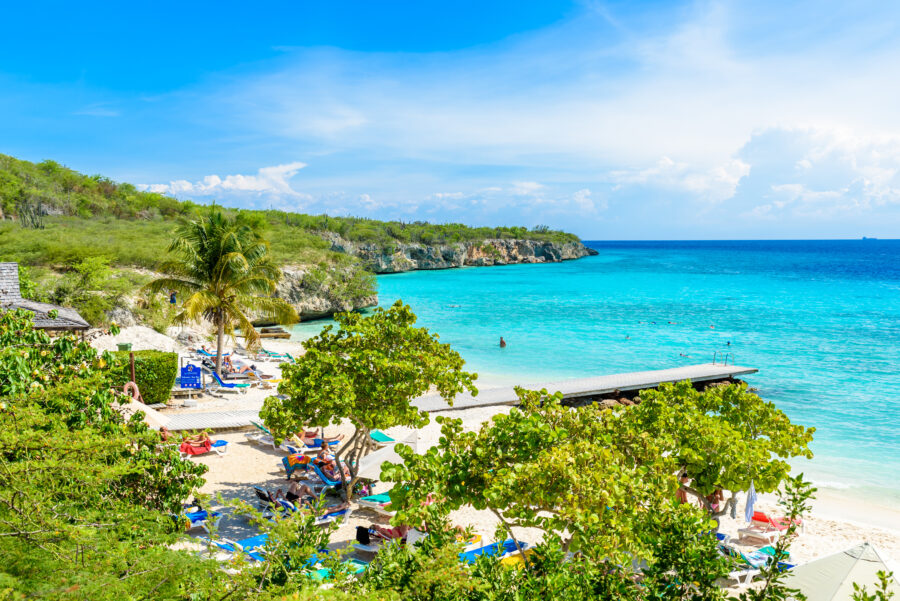
Curaçao mixes Dutch style with Caribbean ease. You’ll see pastel colonial buildings in Willemstad, calm beaches, and a relaxed pace. The European influence pops up everywhere—from the neat roads to the architecture.
How Curacao’s Areas Differ
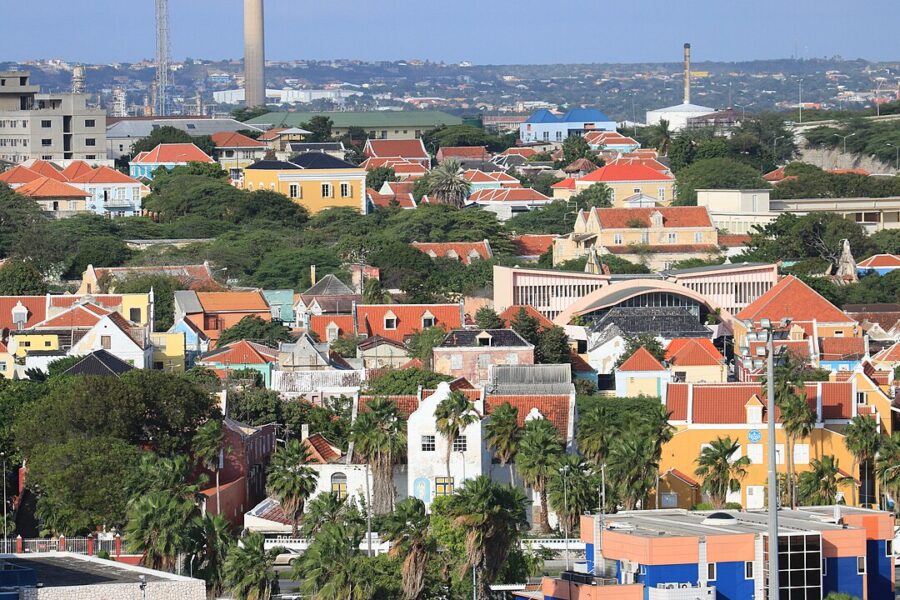
Each part of Curaçao moves to its own beat. Willemstad, split into Punda and Otrobanda, is packed with history, museums, cafés, and markets. The UNESCO-listed waterfront is probably the first photo you’ll snap. East of the city, Jan Thiel and Mambo Beach draw travelers looking for dining, nightlife, and modern resorts.
Head west and things slow down. Westpunt and Cas Abao feel more rural, with small dive lodges and coral beaches that rarely get busy. The reefs here are some of the best snorkeling spots you can reach from shore.
Locals often divide the island into three zones—city, mid-island, and west side. That’s a handy way to map things out. The center, near Piscadera Bay or Coral Estates, gives you a nice mix of nature and convenience. You can hike wild cliffs one day and be back in town for dinner.
Getting Around the Island
Public transport exists, but honestly, you’ll want to rent a car to see Curaçao properly. Buses are unpredictable, and many great spots aren’t on main routes. The roads are well marked, and driving feels safe after you adjust to the roundabouts.
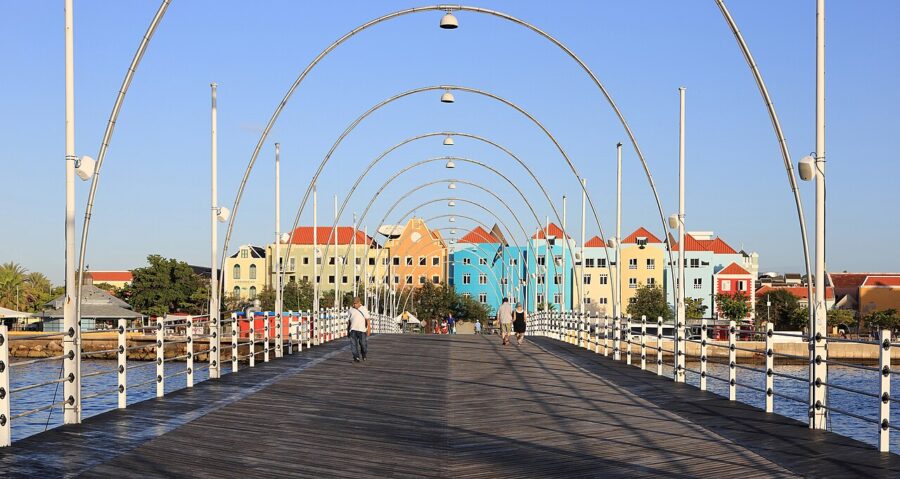
Parking’s rarely a hassle unless you’re right in Willemstad’s core. Show up early and you can usually park near the Queen Emma Bridge. For stashing your bags before check-in or after checkout, look for secure luggage storage near big landmarks.
Don’t trust the map distances too much. Willemstad to Westpunt looks close but takes nearly an hour thanks to winding roads. The drive’s scenic—goats, ocean cliffs, even flamingos might slow you down.
Planning Your Stay
For short trips, your base matters more than you might expect. Want to walk to restaurants or nightlife? Look at Pietermaai or Jan Thiel. Families often go for the Sea Aquarium area, where kid-friendly beaches keep things simple.
If you plan to stay longer or want peace, the west coast has vacation homes with big terraces and endless ocean views. Just remember, you’ll need to stock up on groceries before heading out that far.
Rent your car at the airport instead of relying on taxis—fares add up fast. The island isn’t huge; you can drive coast to coast in a day, stop for a dive, grab lunch in a fishing village, and still make it back for sunset drinks by the sea.
Deciding Where to Stay: Key Considerations
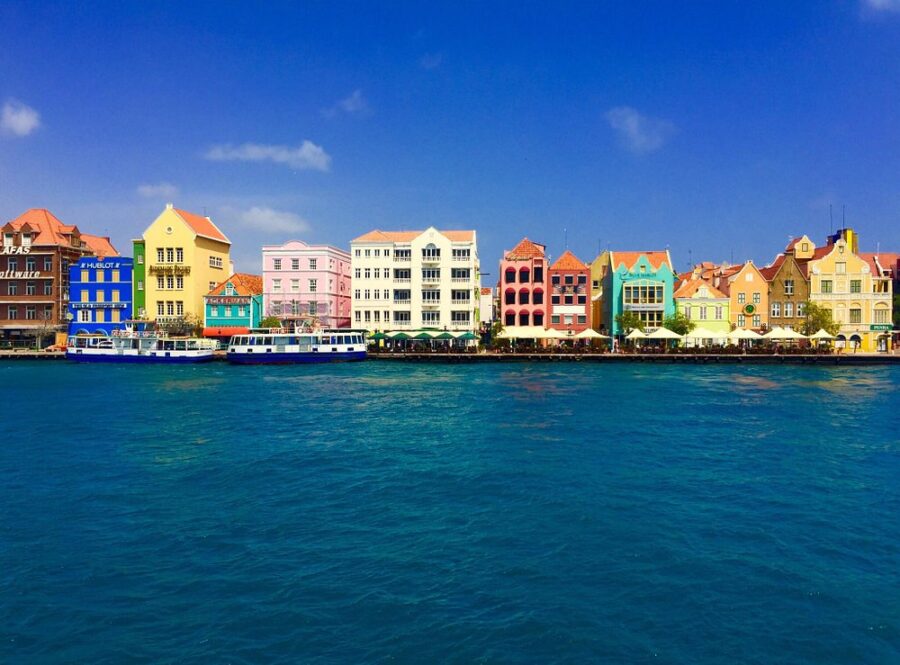
Where you stay in Curaçao really shapes your trip. Each area offers something unique—cultural sights, quiet beaches, or lively nights—and picking well makes all the difference.
Best Areas for First-Time Visitors
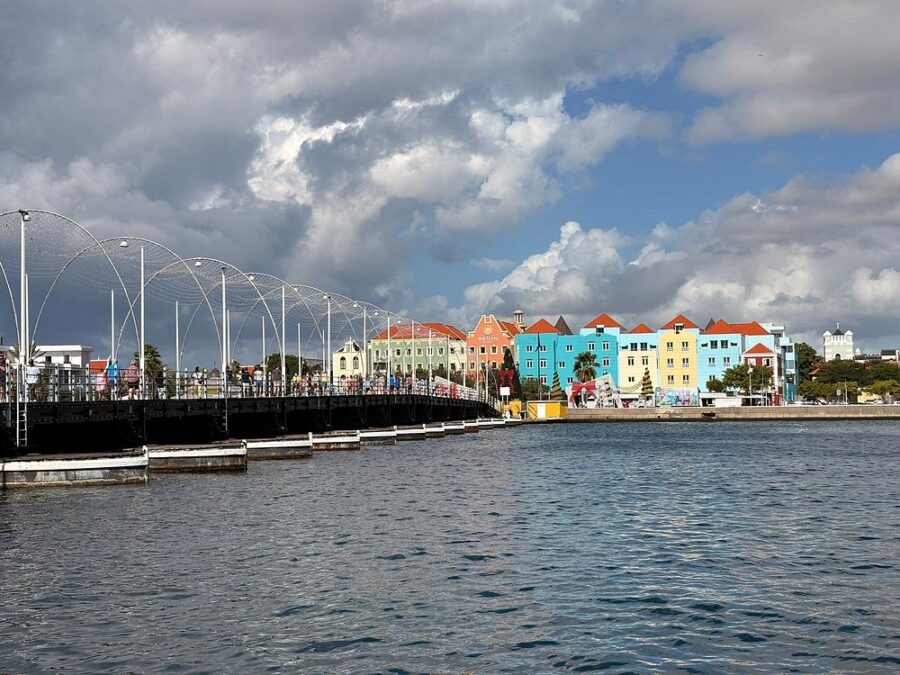
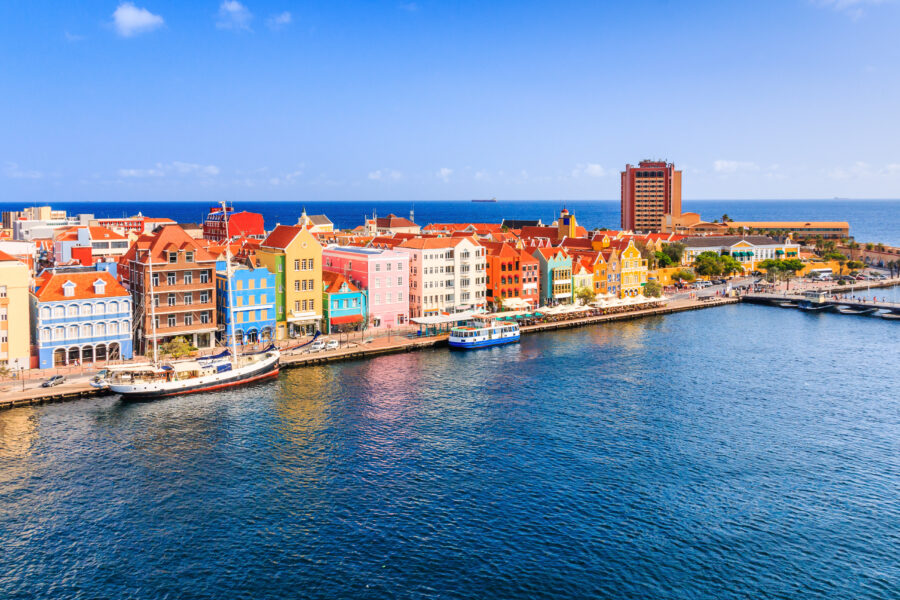
First trip? Stay near Willemstad, the historic center. Punda and Otrobanda are connected by a floating bridge, packed with colorful buildings that look almost unreal in photos. You’ll be close to museums, restaurants, and those iconic waterfront views.
Piscadera Bay just west of town is a good pick if you want quieter nights but easy city access. Resorts here usually have private beaches and calm water—perfect for a swim before breakfast.
Staying near the capital means less time in the car. And if you’re planning ahead, check cheap flight tickets early—prices jump around Carnival and Christmas.
Family-Friendly Choices
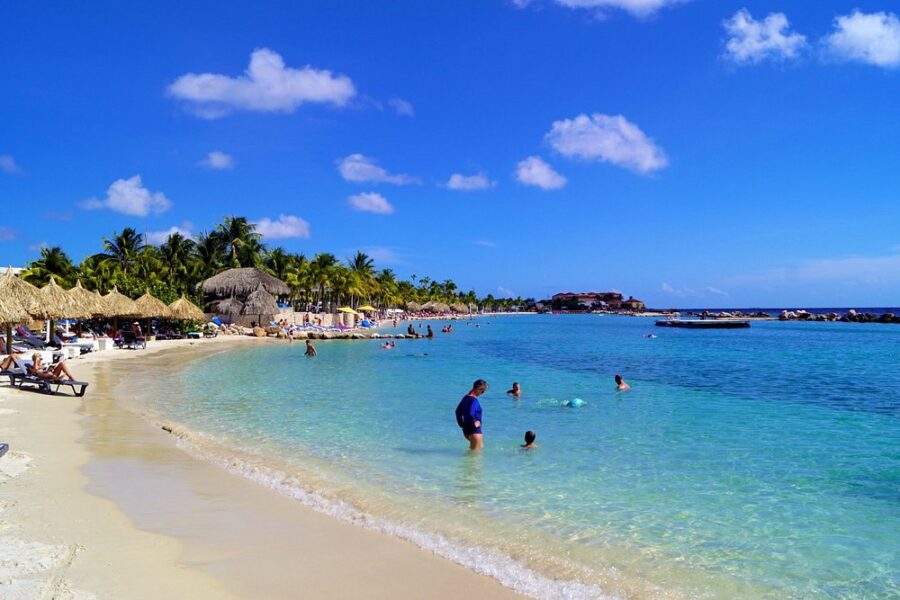
Families usually look for calm water, kid-friendly activities, and nearby restaurants. The Mambo Beach and Sea Aquarium areas tick those boxes. Shallow water, lifeguards, and even a dolphin program for kids.
Hotels here often have family suites and kitchens, which helps save on meals. Grocery stores are close by, too.
Budget vs. Luxury Stays
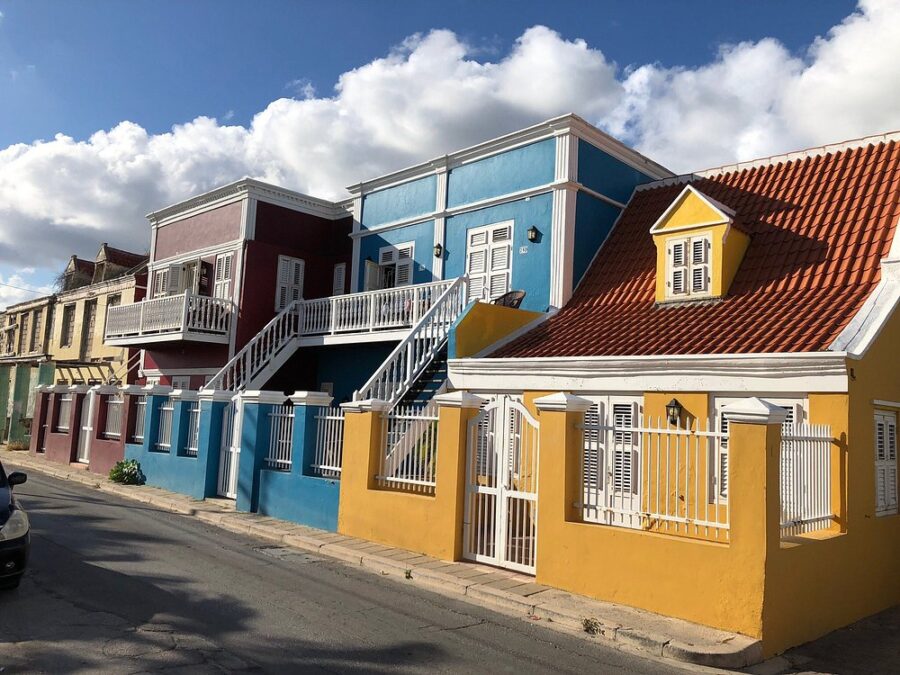
Curaçao covers the full range—simple guesthouses to villas with infinity pools. On a tight budget? Look at small apartments in Pietermaai or Jan Thiel’s residential areas. Book early on Booking.com for the best deals.
Mid-range travelers can find boutique hotels with beachfront access, minus the big resort prices. Many of these feel more personal than the big chains.
For luxury, check Coral Estates or Cas Abao—villas with ocean views, private pools, and spa services. If you want to bundle flights and car rentals, use KAYAK search tools to compare packages.
See Related:
Staying in Willemstad: The Cultural Heart of Curacao
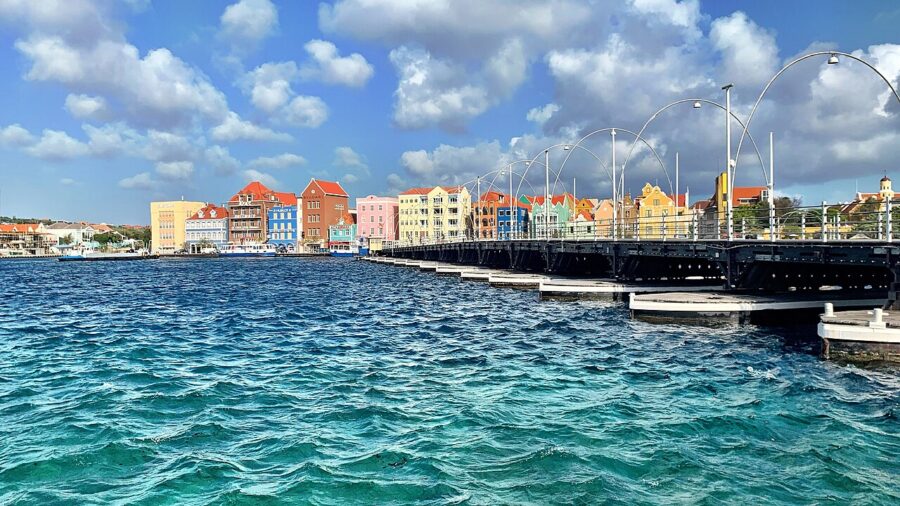
Willemstad’s a compact blend of Caribbean color, Dutch history, and coastal charm. Neighborhoods differ—Punda’s got postcard streets, Otrobanda’s more lived-in and creative, and Pietermaai’s got a bohemian streak. Each area gives you a different slice of daily life, nightlife, and architecture.
Willemstad Punda: Colorful City Center
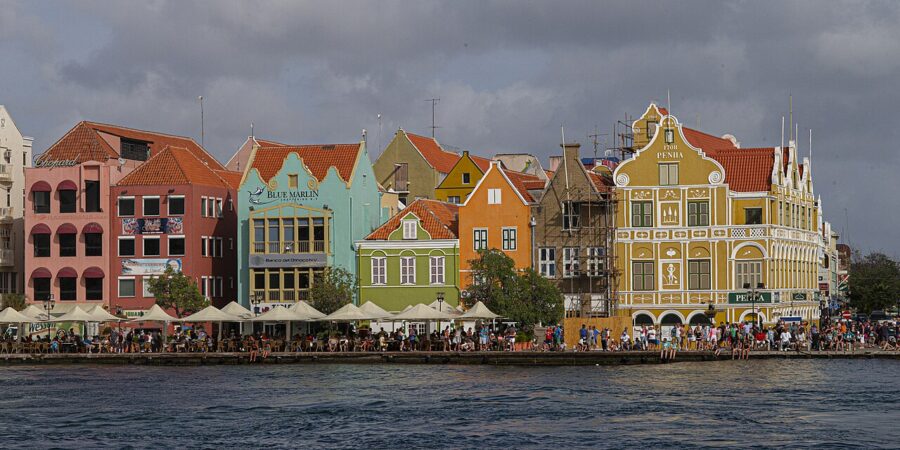
If you picture Curaçao, you’re probably thinking of Punda. Those pastel waterfront buildings along the Handelskade aren’t just for show—they’re part of a real city center. Walk the Queen Emma Bridge, the floating pedestrian bridge that swings open for ships, and you’ll feel the city’s energy.
Punda’s lively during the day with cafés, courtyards, and colonial buildings. Locals shop on Breedestraat, while visitors wander through art galleries and historic spots like Fort Amsterdam. The Harbor Hotel & Casino Curaçao puts you right in the middle of things if you like a busy vibe.
Prefer smaller places? You’ll find guesthouses just a few minutes from the water. Prices vary, but you can often get a room under €100—especially if you catch flight deals early and save your budget for extras like boat trips.
Otrobanda: Historic Charm Across the Bridge
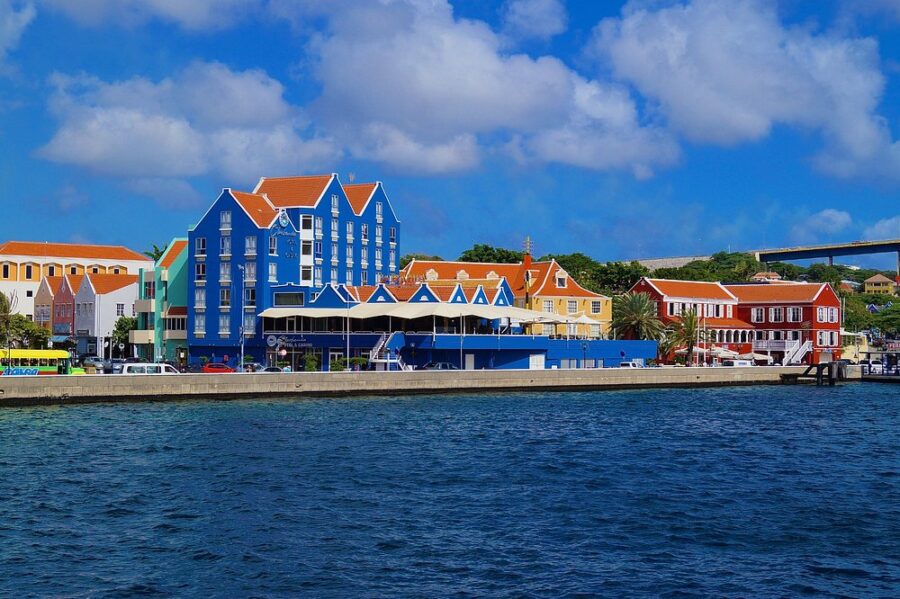
Cross the Queen Emma Bridge and you’re in Otrobanda, “the other side.” It’s different—more rooted, less polished. Streets wind tighter, painted buildings lean in, and bold street art pops up everywhere. This side’s got stories from Curaçao’s trading days and a new wave of restoration.
The Curaçao Suites Hotel sits near the edge of the district, and waking up to church bells instead of traffic is a nice change. The Renaissance Wind Creek Curaçao Resort anchors the area with its own small beach and swimming lagoon—good if you want city comfort but still crave a bit of island feel.
Head uphill and you’ll find local bakeries, murals, and small museums. Otrobanda doesn’t try to impress—it just does its thing.
Pietermaai: Boutique Vibes and Nightlife
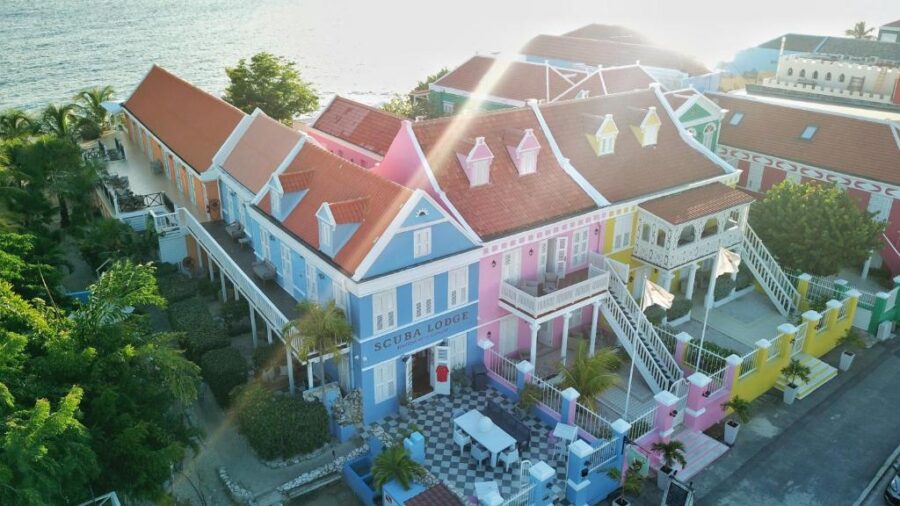
Next to Punda, Pietermaai was once rundown but now it’s Curaçao’s creative hub. Boutique hotels, wine bars, and jazz restaurants fill old houses. Some people call it “the SoHo of Curaçao”—maybe a stretch, but it’s got a personal, laid-back feel, especially before dark.
Scuba Lodge & Suites is a top pick here, set in restored buildings by the sea. Swim in the infinity pool in the morning, then walk to Avila Beach Hotel for dinner with your toes in the sand. For a mid-range option, Bed & Bike Curaçao offers modern rooms and free bikes to reach nearby beaches.
Live music drifts from patios, especially on weekends. Pietermaai mixes relaxation with a nightlife you can walk to—perfect if you want conversation over crowds.
Jan Thiel Area: Beaches, Resorts, and Relaxation

Jan Thiel brings together beachfront living and modern comforts. Wide sandy bays, upscale resorts, and a cluster of restaurants and shops are all within easy reach. You can go diving in the morning, then eat fresh seafood by the water at night.
Jan Thiel Beach: Sun, Sand, and Activities
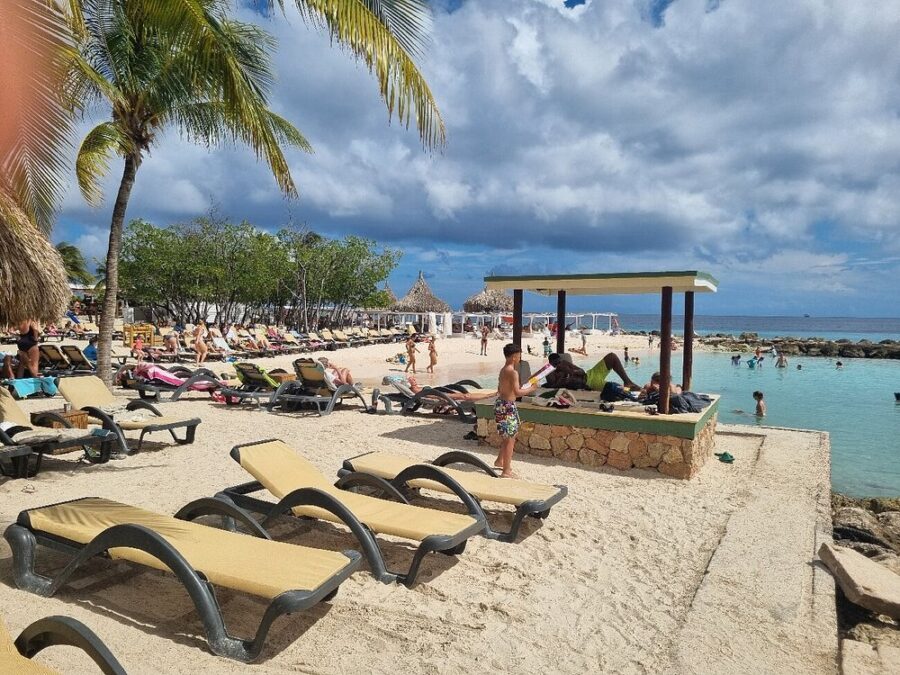
Jan Thiel Beach sits on Curaçao’s southeast coast, about 20 minutes from Willemstad. The bay’s sheltered, so the water stays clear and calm—great for swimming or snorkeling without worrying about currents. Coral reefs are just offshore, and if you go early, you might spot parrotfish or even a sea turtle.
If you’re active, check out the beachfront dive shops for paddleboards, kayaks, and gear. Lounges and beach clubs serve cocktails and snacks all day. Everything’s clean and organized, from shaded seating to handy showers.
Evenings get social—locals swing by for live music or happy hour as the sun sets. It’s relaxed, but far from boring. Join in or just kick back with your feet in the sand.
Top Resorts and Villas in Jan Thiel
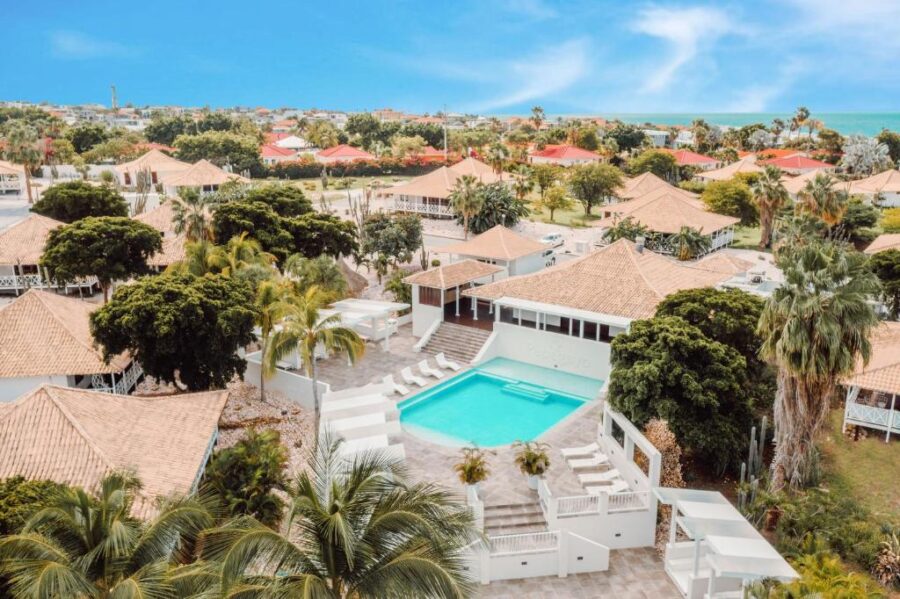
Jan Thiel’s accommodation scene covers a lot—from sleek villas to laid-back family hotels. Papagayo Beach Resort and Papagayo Beach Hotel both sit right on the water, offering modern rooms and direct beach access.
Just inland, Morena Resort stands out for its eco-friendly design. Villas use natural materials, and the gardens draw in hummingbirds—you’ll hear them if you wander through early. Livingstone Jan Thiel Resort has a more relaxed vibe, with apartment-style rooms and a big pool that’s always busy with kids.
On a tighter budget? Adonai Hotel Boutique is a small guesthouse tucked in a quiet neighborhood. It’s not fancy, but breakfast is homemade and the owners are a goldmine for local food tips.
| Type | Example | Average Price (USD) | Distance to Beach |
|---|---|---|---|
| Luxury Resort | Papagayo Beach Resort | ~220 | Beachfront |
| Eco Resort | Morena Resort | ~160 | 5 min walk |
| Boutique Hotel | Adonai Hotel Boutique | ~110 | 10 min walk |
Most places here are within walking distance of the main beach, so you can skip taxis and just stroll out into Curaçao’s warm evenings.
See Related:
Mambo Beach & Surroundings: Lively Seaside Stays
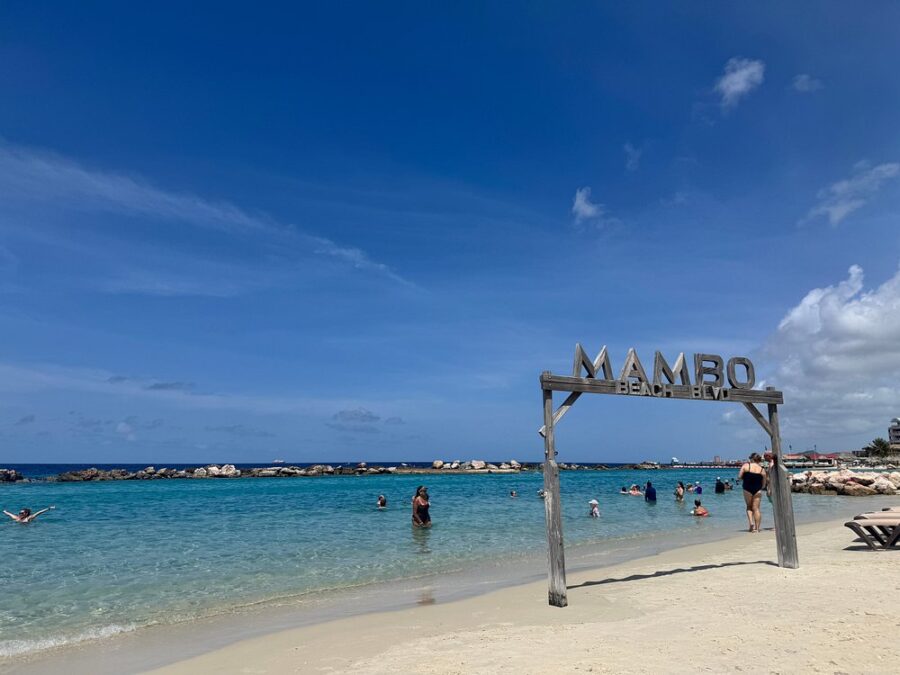
Mambo Beach blends easygoing island life with a lively stretch full of music, food, and energy. You can swim, eat, and dance all in the same afternoon, then be back at your hotel in minutes.
Entertainment and Dining
The first thing you’ll notice is the sound—beats from Cabana Beach Club or a laid-back playlist at Mood Beach. Most nights, DJs or bands set up as the sun drops, and dinner can easily turn into a party. If you’re up for it, “Wet & Wild” hosts themed nights and Sunday socials that keep going long after midnight.
There’s no shortage of food options. You’ll find grilled mahi-mahi at casual cafés, sushi at open-air spots where you can dig your toes in the sand, smoothie stands, and beach bars for lazy afternoons. Just off the main drag, some smaller places serve up Creole meals at friendlier prices.
You can book snorkeling, boat trips, or local tours right from the waterfront. Want to lock in activities before you go? Book online to snag a deal and skip the lines.
Beachfront Hotels and Apartments
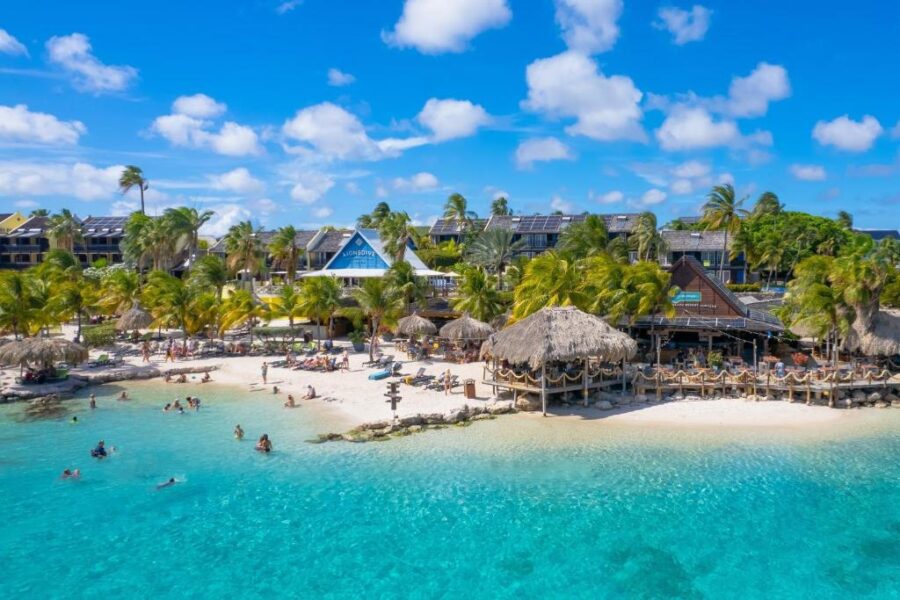
Mambo Beach has everything from simple studios to polished resorts. LionsDive Beach Resort is right on the sand, with pools big enough for a real swim. Next door, Kontiki Beach Resort stands out for its lush gardens and saltwater pools tucked among palms. Both are steps from restaurants and the Sea Aquarium.
Across the road, Dolphin Suites offers a quieter, accessible stay, while Bon Bini Seaside Resort has cheerful bungalows with kitchens—handy for longer trips.
Families often go for multi-room apartments at ACOYA Curaçao Resort, a short drive inland. For private luxury, Baoase sits just west—pricey, but peaceful and perfect for couples. Snorkeling or kayaking? Local tours can pick you up right from your hotel.
Nature-Focused Getaways and Remote Stays
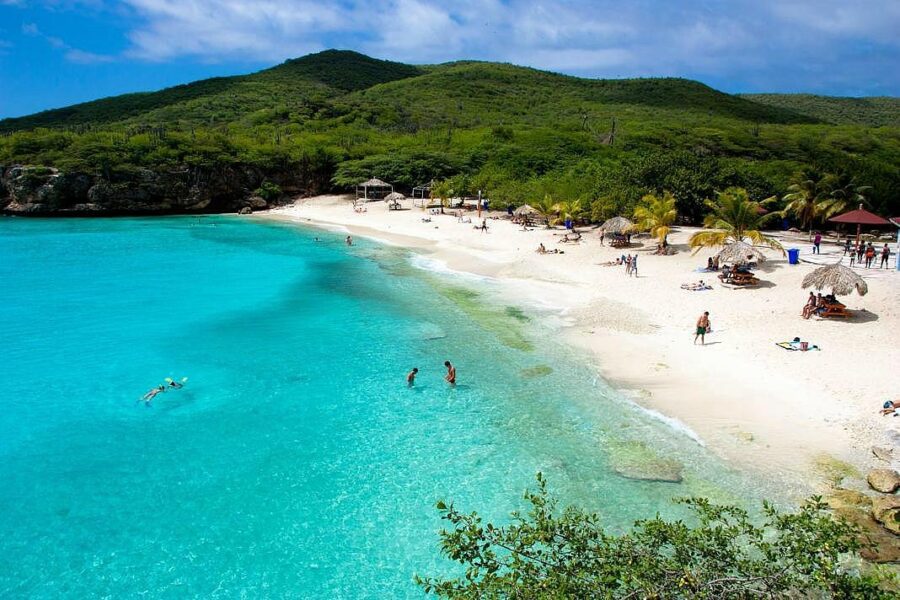
Curaçao’s quieter side rewards you with coral cliffs, wild cacti, and water so clear it almost seems unreal. The island’s west trades nightlife for nature—think sea caves, reef dives, and hikes at sunrise.
Westpunt and Sabana Westpunt: Snorkeling and Diving

Way out west, Westpunt feels far from Willemstad’s buzz. Winding roads, a slower pace, and beaches like Grote Knip, Klein Knip, and Playa Kalki—easily some of the clearest in the Caribbean. The reefs start just offshore, so you can be floating above coral gardens within minutes.
Local dive shops rent gear and run quick boat trips to spots like Watamula, famous for underwater blow holes and swirling currents. If you travel light, you’ll find small apartments and eco-lodges perched above the cliffs, so you wake up to ocean views and waves below.
Sunsets here are something else, flamingos wander the salt pans, and with patchy cell service, the nights get really quiet. Grab grilled fish at a local shack for lunch, stick around for the stars, and you’ll see why people fall for this corner of the island.
Christoffel National Park: Adventure Near Nature
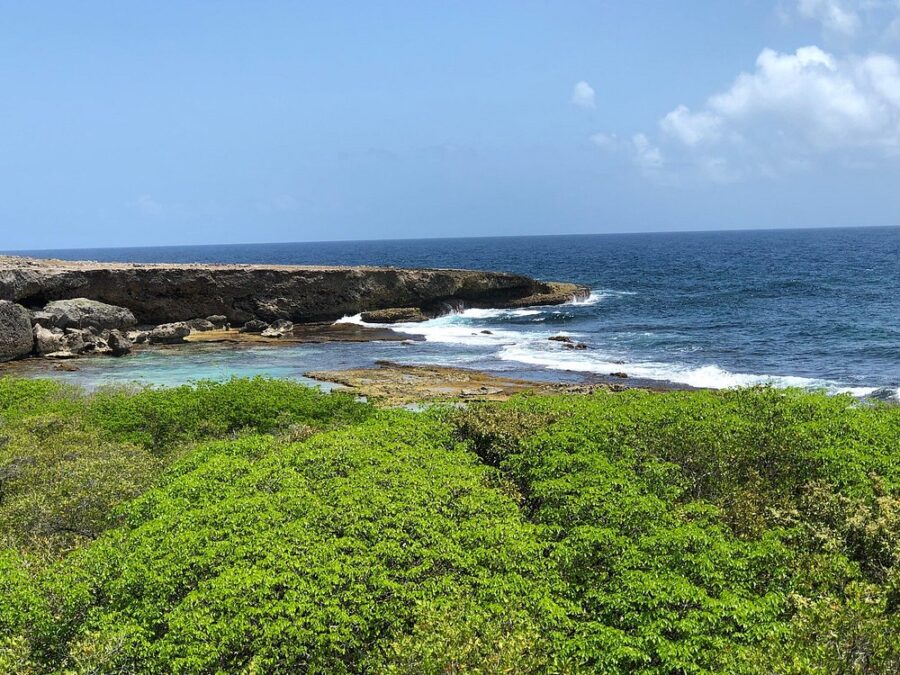
If rugged hikes or scenic drives are your thing, Christoffel National Park is the spot. It’s the island’s largest reserve, over 4,000 acres of limestone hills, caves, and cactus-lined trails leading up Mount Christoffel—the highest point on Curaçao. The climb takes about an hour and rewards you with wide coastal views.
You can also drive the park’s loop routes past plantation ruins and lookouts where birds circle above the cactus fields. Bring water and start early—the heat ramps up fast.
Wildlife is everywhere—white-tailed deer, parakeets, wild orchids tucked in the rocks. There’s a small visitor center about local plants and geology, but honestly, half the fun is just wandering and stopping when something catches your eye. A few hidden guesthouses around Savana Westpunt make a solid base for early hikes and quiet nights far from city lights.
See Related:
Frequently Asked Questions
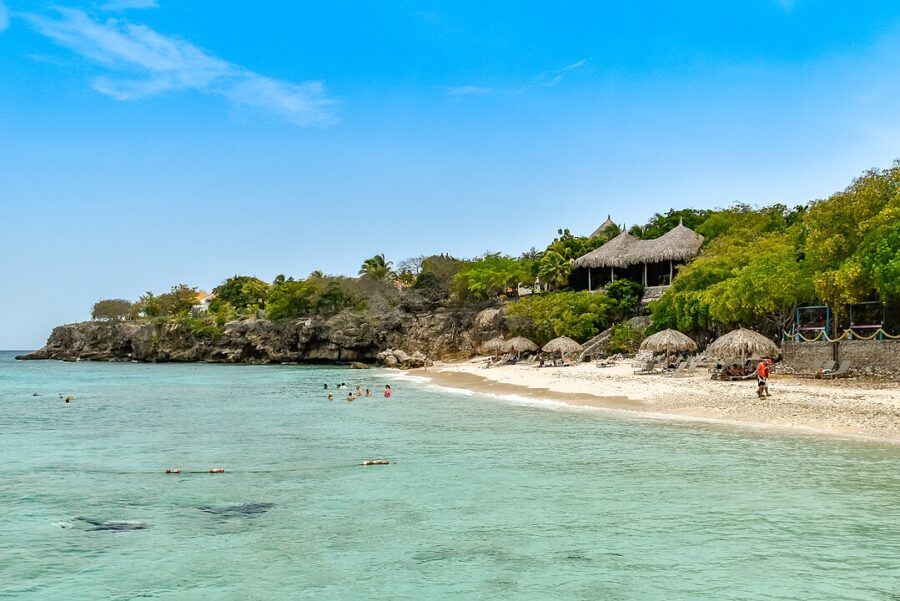
Curaçao’s got quiet coves for snorkeling, busy city areas for nightlife, and family-friendly resorts close to the water and marine attractions. Where you stay really depends on the kind of trip you want, how much comfort matters, and how far you plan to roam from Willemstad.
What are the top accommodations for first-time visitors to Curacao?
First time here? You’ll probably spend a lot of time in and around Willemstad. u003cstrongu003eOtrobandau003c/strongu003e and u003cstrongu003ePundau003c/strongu003e are great bases—full of history, pastel buildings, and easy to explore on foot.u003cbru003eHotels around u003cstrongu003ePiscadera Bayu003c/strongu003e are another good choice. They’re close to the capital but quieter, with a few all-inclusives if you like everything in one place. A short-term u003ca href=u0022https://visitorscoverageinc.pxf.io/BnkKk9u0022u003etravel insurance planu003c/au003e isn’t a bad idea, especially for peace of mind.
Which areas in Curacao are most romantic for couples’ stays?
u003cstrongu003ePietermaaiu003c/strongu003e is the top pick for couples who want good food, boutique hotels, and sea views without big resort crowds. It’s easy to wander to cocktail bars tucked inside colonial houses.u003cbru003eFor more privacy, look at u003cstrongu003eJan Thielu003c/strongu003e or u003cstrongu003eCas Abaou003c/strongu003e. Both have villas with pools and ocean views that feel like your own retreat.
Can you recommend family-friendly resorts in Curacao?
u003cstrongu003eMambo Beachu003c/strongu003e and the u003cstrongu003eCuraçao Sea Aquariumu003c/strongu003e area work well for families. Resorts there usually have kitchenettes, calm beaches, and quick access to dolphin encounters or snorkeling lessons. u003cstrongu003eu003ca href=u0022https://www.booking.com/hotel/cw/lions-dive-and-beach-resort.html?aid=2227309u0022 target=u0022_blanku0022 rel=u0022noreferrer noopener nofollow sponsoredu0022u003eLionsDive Beach Resortu003c/au003eu003c/strongu003e and u003cstrongu003eu003ca href=u0022https://www.booking.com/hotel/cw/the-royal-sea-aquarium.html?aid=2227309u0022 target=u0022_blanku0022 rel=u0022noreferrer noopener nofollow sponsoredu0022u003eRoyal Sea Aquarium Resortu003c/au003eu003c/strongu003e are favorites for families who want activities but also space to relax.u003cbru003eDining’s easy too—plenty of casual beachfront spots where getting kids to sit down isn’t a battle.
Where should I book a hotel in Curacao for the best nightlife experience?
For nightlife, u003cstrongu003ePietermaaiu003c/strongu003e and u003cstrongu003ePundau003c/strongu003e are your best bet. Both are compact, so you can bounce between bars and restaurants on foot. Pietermaai’s got that creative, bohemian energy with live music and outdoor lounges.u003cbru003eIf you’re after bigger venues, u003cstrongu003eJan Thiel Beachu003c/strongu003e is known for beach parties and late-night dining. You can dance in the sand or just chill with a drink away from the crowds.
What are the prime locations in Curacao for snorkeling enthusiasts?
Head west for the clearest water and coral-filled coves. u003cstrongu003eWestpuntu003c/strongu003e is famous for uncrowded beaches like u003cstrongu003eGrote Knipu003c/strongu003e and u003cstrongu003ePlaya Kalkiu003c/strongu003e, both perfect for snorkeling straight from shore. Sea turtles show up almost every morning before the tour boats arrive.u003cbru003eCloser to Willemstad, the reef at u003cstrongu003eTugboat Beachu003c/strongu003e makes it easy to spot marine life without a long drive. Bring your own gear if you can—it’s usually better than last-minute rentals.
Could you suggest the safest areas to stay in Curacao to avoid common tourist pitfalls?
Curaçao feels pretty safe overall, but some neighborhoods stand out for peace of mind. u003cstrongu003eJan Thielu003c/strongu003e, u003cstrongu003ePiscaderau003c/strongu003e, and u003cstrongu003ePietermaaiu003c/strongu003e offer good lighting, walkable streets, and regular local patrols. I’ve wandered Jan Thiel after dark and honestly, didn’t get any bad vibes.u003cbru003eStill, basic precautions go a long way—lock up your stuff, stick to daytime drives if you’re heading west, and check local updates before you venture far from main roads.