
Last modified August 17, 2026
Planning a trip through the Greek islands can feel a bit overwhelming at first, especially when you realize how many different ferries are out there. Greek ferries come in several types, from large conventional vessels to high-speed catamarans, each offering a different balance of comfort, speed, and price. Knowing the differences helps you choose the right one for your route and travel style.
You might prefer the slower conventional ferries if you want more space, open decks, and a relaxed vibe. On the other hand, high-speed ferries cut travel time but usually cost more and offer fewer outdoor areas. There are also smaller local ferries that connect nearby islands, which can be handy if you’re planning an island-hopping adventure.
Booking isn’t complicated, but it pays to plan ahead. Timetables shift with the seasons, and popular routes like Santorini or Mykonos fill quickly. Once you wrap your head around the ferry types, navigating the Aegean gets a lot easier.
Key Takeaways
- Different ferry types offer trade-offs between speed, comfort, and price
- Routes and schedules vary, so planning ahead avoids stress
- Picking the right ferry makes island-hopping easier and more enjoyable
Overview of Greek Ferry Types
When you’re hopping between Greek islands, the type of ferry you choose can make a big difference in comfort, timing, and even price. Some ferries are built for speed, others for carrying cars, and some are small and nimble for quick passenger trips.
Conventional Ferries vs High-Speed Ferries
A conventional ferry is the big, sturdy ship you probably picture first. They move slower, but they’re roomy, steady, and usually cheaper. You’ll find plenty of open deck space, indoor lounges, and even small cafes. They’re a good choice if you don’t mind a longer journey and want to save money.
High-speed ferries, on the other hand, cut the travel time by half in many cases. They’re often catamarans or hydrofoils that skim across the water. The ride is faster, but it can be bumpier in windy weather. Cabins are smaller, and you usually don’t have outdoor deck access.
I’ve taken both, and honestly, it depends on your mood. If you’re in no rush and enjoy watching the islands roll by, stick with conventional. But if you’re trying to squeeze in more destinations, high-speed ferries are worth the extra euros.
Passenger Ferries and Vehicle Ferries
Not all ferries in Greece are built the same. Some are passenger-only ferries, designed just to move people quickly between islands. These tend to be smaller, faster boats, and they’re often used on shorter routes where cars aren’t needed.
Then you’ve got vehicle ferries, which carry both passengers and cars, motorbikes, or even trucks. These are the workhorses of the islands. If you plan on renting a car in Athens and driving it onto a ferry, this is the type you’ll need.
I’ve noticed that vehicle ferries can feel more relaxed because of their size. You can walk around, grab a snack, or even nap in a quiet corner. But keep in mind, boarding can take longer since they’re loading vehicles as well as people.
Catamarans and Hydrofoils
A catamaran is a twin-hulled vessel, and you’ll see a lot of them in Greece. They’re faster and more stable than single-hull ferries, which makes them popular for island-hopping. Some carry only passengers, while others can take vehicles too.
Then there are hydrofoils, sometimes called “flying dolphins.” These are narrow, speedy boats that lift partly above the water when moving. They’re quick for short trips but can feel cramped if you’re hauling luggage.
Personally, I find catamarans a nice balance—fast but not too rough. Hydrofoils get you there in record time, but if the sea is choppy, you’ll feel every wave. For longer rides, I’d stick with a catamaran or a larger high-speed ferry for comfort.
Conventional Ferries

Conventional ferries are the backbone of Greek ferry travel. They move both passengers and vehicles, making them a practical choice if you’re bringing a car or planning a longer journey across the Aegean. These ferries trade speed for space, comfort, and affordability.
Features and Onboard Amenities
A conventional ferry feels more like a floating hotel than just a boat ride. You’ll find wide open decks where you can sit back and watch the sea roll by—something you don’t get on the smaller, faster vessels. Indoors, there are lounges, cafés, and even small restaurants serving simple meals.
For longer routes, cabins are available. They range from basic two-bed rooms to family-sized spaces with private bathrooms. If you’re traveling overnight, a cabin can make the trip far more comfortable.
Another big advantage is the ability to bring your vehicle. Cars, motorcycles, and even camper vans can be driven right onto the lower decks. This is a lifesaver if you want to explore islands at your own pace once you arrive.
To give you an idea of the layout, here’s what you can usually expect:
| Area | What You’ll Find |
|---|---|
| Decks | Open-air seating, sea views |
| Lounges | Air seats, indoor salons |
| Cabins | 2–4 bed options, family cabins |
| Garages | Space for cars, bikes, vans |
| Food areas | Cafés, snack bars, casual dining |
Best Routes for Conventional Ferries
Conventional ferries work best for medium to long routes where speed isn’t the top priority. They connect Athens’ main ports—Piraeus, Rafina, and Lavrio—to popular island groups like the Cyclades, the Dodecanese, and the Eastern Aegean.
If you’re heading to Crete, for example, you’ll probably end up on a conventional ferry run by Minoan Lines or Blue Star Ferries. These ships run overnight services where cabins really come in handy.
They’re also ideal for island-hopping when you want to slow down and actually enjoy the journey. I’ve taken the Blue Star to Naxos a few times, and honestly, sitting on the deck with a coffee in hand while the islands drift by is half the fun of the trip.
Bad weather is less of a problem for these larger ferries compared to smaller high-speed boats. So if you’re traveling in spring or autumn when the seas can get rough, you’ll appreciate the stability.
For a deeper look at the different types of Greek ferries, including conventional ones, check out this detailed guide on normal and high-speed ferries in Greece.
High-Speed Ferries
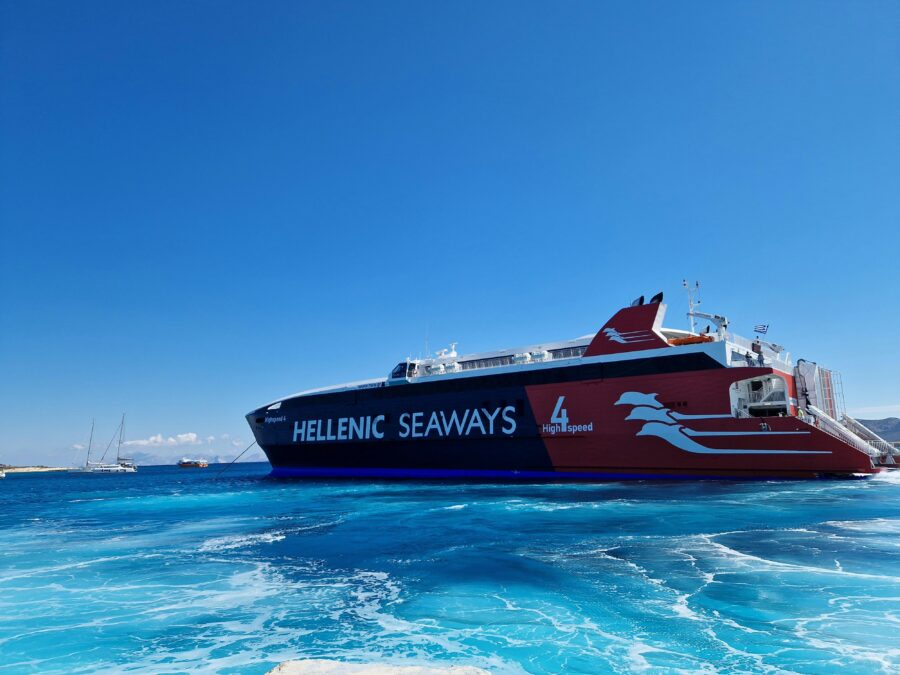
High-speed ferries in Greece let you cover longer distances in less time, which can be a big deal when you’re trying to squeeze several islands into one trip. They’re not always the cheapest option, but they balance speed with comfort in a way that makes them popular for Greek island hopping.
Catamarans and Flying Cat
Most high-speed ferries you’ll see in Greece are catamarans. These vessels have two hulls, which makes them more stable and able to cut through the water with less drag. That design is what allows them to move much faster than conventional ferries.
You’ll also come across the “Flying Cat,” which is basically a smaller, sleeker version of a catamaran. It’s built for passengers only, so don’t expect to bring a car onboard. What you do get is speed and a smoother ride, especially on routes with choppier seas.
Personally, I’ve taken a Flying Cat out of Piraeus to the Cyclades and the difference in time was huge compared to a regular ferry. The downside? Less space to walk around, and you’re usually inside the cabin the whole time. If you’re prone to seasickness, that can feel a bit claustrophobic.
For a quick look:
- Catamaran: larger, can carry vehicles and passengers
- Flying Cat: smaller, passenger-only, faster boarding and travel
Both are widely used for popular island routes, especially in the Cyclades. You’ll notice they’re favored by travelers who don’t want to lose half a day sitting on deck.
Travel Times and Destinations
The biggest draw of high-speed ferries is, of course, the time saved. A trip from Athens to Mykonos that might take five hours on a conventional ferry can be cut down to about two and a half on a high-speed option. That’s a big difference if you’re only in Greece for a week.
These ferries usually connect the busier island chains like the Cyclades—Mykonos, Santorini, Paros, and Naxos are all on common routes. You’ll also find them running to Crete and the Dodecanese, though not every island has a port that can handle them.
One thing you should know: high-speed ferries are more sensitive to weather. Strong winds in the Aegean can mean delays or cancellations, something you don’t see as often with the big conventional ferries. I’ve been stuck in Santorini once because of this, so always leave wiggle room in your schedule.
If you’re planning island hopping, high-speed ferries are a good way to maximize your time. You’ll pay more—sometimes double the price of a regular ferry—but if you’d rather spend your day exploring instead of watching the horizon for hours, the trade-off is worth it.
For more details on the differences between conventional and high-speed options, you can check this guide on conventional vs high-speed ferries.
Local and Regional Ferries

These ferries are the everyday workhorses of Greece’s waterways, carrying both locals and visitors across short stretches of sea. They often handle not just people but also cars, scooters, and even delivery trucks, making them a lifeline for daily life in the islands.
Short Distance Ro-Ro Ferries
If you’ve ever driven your rental car straight onto a boat, chances are you’ve used a Ro-Ro ferry (that’s roll-on, roll-off). These ferries stick to short routes, usually connecting a mainland port with a nearby island—or sometimes just shuttling between two islands that are practically neighbors.
They run all year, even outside the tourist rush, since locals depend on them for commuting, school, and hauling stuff around. They’re not exactly glamorous—honestly, they’re more about function than flair—but they’re reliable.
One thing I enjoy about these ferries is how laid-back the whole process feels. You just park in line, watch for a deckhand’s wave, and before you know it, you’re driving on board. If you’re walking, you just stroll up the ramp. No drama.
Typical features of short distance Ro-Ro ferries:
- Capacity: passengers + vehicles (cars, scooters, small trucks)
- Duration: often under 1 hour
- Comfort: basic seating, sometimes a small café
- Schedule: frequent, with multiple crossings per day
For quick island hops, they’re affordable and just plain practical. And honestly, if you’re bringing a car, you might not have another choice.
Island-to-Island Connections
When you think of Greek ferries, this is probably what pops into your head: boats linking islands across the Aegean or Ionian. These routes make island-hopping possible, whether you’re going from Naxos to Paros or Rhodes to Kos.
These ferries come in all shapes and sizes. Some are high-speed catamarans that zip you over the water fast, while others are bigger, slower ferries with cabins, open decks, and space for vehicles. You can compare the options and companies on sites like Ferryhopper.
Travel times can be as short as 30 minutes or stretch out for hours, depending on your route and the vessel. I once took an overnight ferry from Athens to Crete—not fancy, but a tiny cabin made it way more bearable than I expected.
A few things to keep in mind:
- Tickets can sell out in summer, especially for hot spots like Santorini.
- Luggage rules are usually chill, but double-check if you’ve got big bags.
- Pets are often allowed, though you might need to book a kennel or a pet-friendly cabin.
These ferries are more than just transport—they’re part of the adventure. Sitting on deck with a coffee, watching islands drift by, can feel like a highlight all on its own.
Island Hopping and Specialized Ferries

Getting between Greek islands isn’t just about moving from point A to point B. The routes, ferry types, and even which ports you pick can totally shape your trip. Some ferries are built for speed, others for comfort, and certain routes make island hopping much easier than you’d guess.
Greek Island Hopping Routes
Most people island hop within clusters. The Cyclades, Dodecanese, Sporades, and Ionian islands all have their own ferry networks. The Cyclades are super popular with first-timers because the routes are frequent and the distances are short.
If you’re starting in Athens, ferries leave from Piraeus, Rafina, or Lavrio. Piraeus has the most options. From there, islands like Paros, Naxos, and Santorini are easy to reach. You’ll find both high-speed and conventional ferries, so you can pick what matters more—time or budget.
In my experience, don’t try to squeeze in too many islands in a week. Even though it’s tempting, you’ll spend more time waiting in lines than actually exploring. I’d say stick to two or three islands in one group, rather than bouncing all over the map.
For planning, Ferries in Greece and Ferryhopper make it easy to compare routes, schedules, and ticket types.
Ferry Options for Cyclades Islands
The Cyclades have the widest mix of ferry types. High-speed ferries connect places like Mykonos, Paros, and Santorini in just a few hours. They cost more, but if you’re short on time, they’re worth every euro. Conventional ferries are slower and cheaper, with more room to move around and even cabins for overnight journeys.
If you’ve got a car or scooter, you’ll need a vehicle ferry. Not every route takes vehicles, so check before you show up. I learned this the hard way—had to leave my rental car behind in Naxos because my ferry didn’t take cars.
Here’s a quick breakdown:
| Ferry Type | Travel Time | Cost | Comfort Level | Vehicle Access |
|---|---|---|---|---|
| High-Speed Ferry | Fast | Higher | Modern seats | Limited |
| Conventional Ferry | Slower | Lower | Spacious, cabins | Yes |
| Vehicle Ferry | Varies | Mid-range | Larger decks | Yes |
Booking and Planning Your Ferry Trip
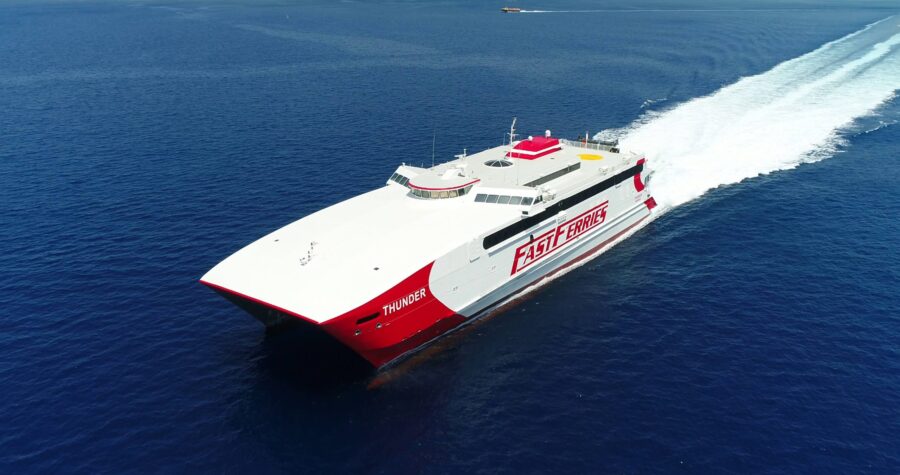
When you’re setting up ferry travel in Greece, think about how you’ll book tickets and what you need to do before boarding—especially if you’re bringing a car or scooter. Using the right booking tools and following a few practical steps at the port can save you a lot of hassle.
How to Use Ferryscanner
Ferryscanner makes it easy to compare schedules, routes, and ticket prices from different companies. You can see high-speed and conventional ferries side by side, so picking by price, travel time, or comfort is a breeze.
You can filter by departure port, island, and even cabin or deck seating. This comes in handy during busy summer months, since some ferries fill up fast.
Booking online saves you from standing in line at the port. Most of the time, you’ll get an e-ticket you can scan at boarding. If you want a paper ticket, just grab it at a kiosk near the terminal.
For longer trips, it’s smart to bundle your ferry booking with other travel needs. Sites like Booking.com let you arrange hotels and flights too, which keeps things organized in one place.
Tips for Passengers and Vehicles
If you’re a foot passenger, get to the port at least an hour before departure. That gives you time to check in, find your gate, and board without stress. On busy weekends or holidays, arriving earlier isn’t a bad idea.
Bringing a car, motorcycle, or campervan? Show up about 90 minutes before departure. Vehicle boarding takes longer since staff direct each car into place. You can’t stay in your car once the ferry leaves, by the way.
Packing light is always easier, but most ferries let you bring several bags. Big ships usually have luggage storage, while smaller ferries might expect you to keep your bags with you.
If you get motion sick, try to sit in the middle of the boat where it’s steadier. Families or anyone on an overnight trip might want to book a cabin for a bit of privacy and comfort.
For excursions after you arrive, you can pre-book activities and day trips on sites like GetYourGuide or Viator. It’s handy to have options lined up for when you step off the boat.
Frequently Asked Questions
Traveling by ferry in Greece isn’t just a way to get around. The type of ferry you pick, the company you sail with, and what happens on board can really shape your trip. Comfort, speed, and even the vibe all play a part.
What categories of ferries operate between the Greek islands?
You’ll mostly see two main types: conventional ferries and high-speed ferries. Conventional ferries are bigger, slower, and roomy, with cabins and wide decks. High-speed ferries (catamarans and such) get you there faster but usually have less outdoor space.u003cbru003eu003cbru003eI’ve tried both. Fast boats save time, but honestly, I love the old-school ferries for their open decks and the chance to just watch the islands roll by.
Which ferry service is considered the best for island-hopping in Greece?
Most travelers use u003ca href=u0022https://www.ferryhopper.com/en/blog/featured/facts-greek-ferries-guideu0022 target=u0022_blanku0022 rel=u0022noreferrer noopeneru0022u003eFerryhopperu003c/au003e to book tickets since it’s easy to compare routes and prices. As for the ride itself, it depends on what you want.u003cbru003eu003cbru003eIf you care about reliability and comfort, Blue Star Ferries is a safe bet. For speed, SeaJets is the go-to. I like to mix it up—slow ferries when I want to relax, fast ones when I’m in a rush.
What amenities are typically offered on board the ferries in Greece?
Bigger ferries usually have cafés, snack bars, lounges, and sometimes even restaurants. Cabins are common on overnight trips, and you’ll find luggage storage on many ships.u003cbru003eu003cbru003eHigh-speed ferries keep it simple—think airplane-style seats, limited food, and not much space to wander. But hey, they get you there fast if that’s what you need.
How do the services of Blue Star Ferries differ from those of SeaJets?
Blue Star Ferries run bigger, conventional ships with more facilities—cabins, open decks, and room to stretch out. They’re slower, but I’ve always found them steady and dependable.u003cbru003eu003cbru003eSeaJets runs high-speed catamarans. They’re much faster, usually pricier, and you lose that outdoor deck experience. I once tried to read outside on a SeaJets route, then realized—there’s really no “outside” space at all.
What should travelers expect in terms of comfort and facilities when taking a ferry in Greece?
Don’t expect luxury, but you’ll get the basics. On longer routes, you can book a cabin if you want some privacy or need a nap. For shorter rides, most folks just find a seat, wander around, and let the sea breeze do its thing.u003cbru003eu003cbru003ePack a few snacks, toss in a light jacket, and maybe bring a neck pillow. Even in the middle of summer, the wind on deck can surprise you with a chill. It’s not a cruise, but honestly, it’s a pretty authentic Greek experience.