

Trial Windsurf Course Zingst vs Windsurfing 3-Day Beginner Course: Which Tour Is Better?
Updated June 8, 2026
You want to try windsurfing and found two popular options on the German Baltic coast: a short trial session in Zingst and a comprehensive three-day beginner course. Both get you on the water, but they serve different purposes.
A trial course gives you a quick taste of the sport, while a three-day program builds foundational skills. Your choice depends on your goals, available time, and commitment level. This comparison breaks down the practical details of each option to help you decide which introduction to windsurfing fits you best.
Table of Contents
- What is a Trial Windsurf Course in Zingst?
- Structure of a 3-Day Beginner Windsurfing Course
- Comparing Time and Financial Investment
- Skill Development and Learning Outcomes
- Ideal Conditions in Zingst for Beginners
- Who Should Choose the Trial Course?
- Who Should Choose the 3-Day Beginner Course?
- What to Bring and How to Prepare
- Booking Your Course and What to Expect on the Day
- Book Your Dream Experience
- More Travel Guides
- Explore These Destinations
What is a Trial Windsurf Course in Zingst?
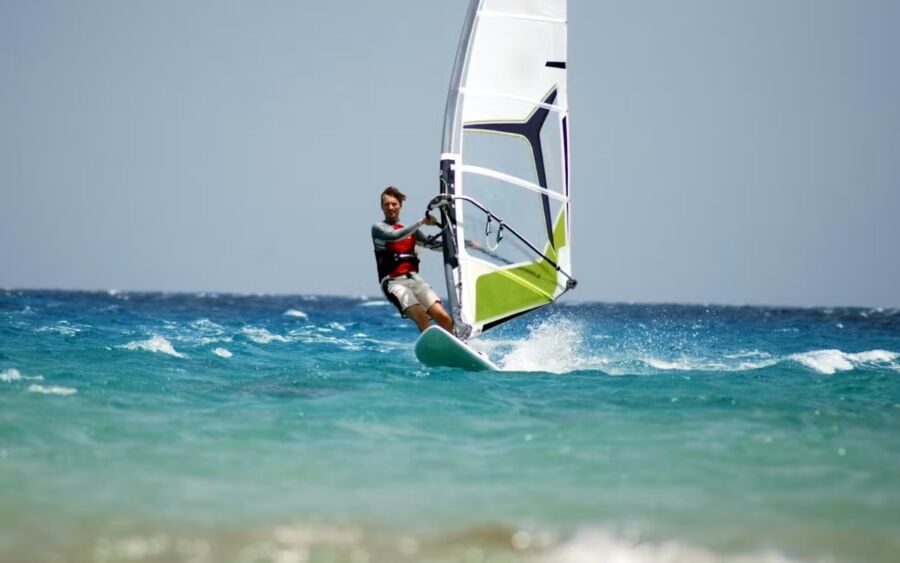
A trial windsurf course in Zingst, often called a “Schnupperkurs,” is a short introductory session. It typically lasts two to three hours. The primary goal is to give you a hands-on feel for the sport without a major time or financial commitment.
You will learn basic terms, practice balancing on the board on land, and likely get into shallow water to try sailing in a straight line. Most schools in Zingst, like those at the Bodden coast, provide all necessary gear: a wide, stable beginner board, a small sail, a wetsuit, and a life jacket. Instruction is usually in small groups, and the focus is on fun and initial exposure.
The water in the Bodden is shallow and generally calm, which is ideal for first attempts. This option is for you if you are curious but unsure about a longer commitment.
Structure of a 3-Day Beginner Windsurfing Course

A three-day beginner windsurfing course is a structured program designed to teach you the core skills of the sport. Each day builds on the previous one, progressing from basic maneuvers to more independent sailing.
Day one covers equipment setup, safety, stance, and balance, ending with practicing straight-line sailing. Day two typically introduces turning maneuvers, specifically the carve jibe or fast tack, and you start sailing in light winds.
The final day focuses on consolidating these skills, practicing consistent turns, and often includes sailing upwind. Courses usually run for three to four hours per day.
This format allows for muscle memory development and more personalized feedback from the instructor. You finish with the ability to control the board and sail in controlled conditions.
Comparing Time and Financial Investment

The investment difference between these two options is significant. A trial course in Zingst costs between €40 and €60 for a single session.
A three-day beginner course represents a larger commitment, with prices ranging from €150 to €220. This fee almost always includes full equipment rental and instruction.
When you break down the cost per hour, the three-day course often offers better value for the amount of time you spend on the water with an instructor. However, the trial course requires less upfront planning and only a half-day of your vacation time.
The three-day course requires you to block out multiple mornings or afternoons. Consider your budget and how much time you are willing to dedicate to learning before you book.
See Related: Exploring Germany in 7 Days: An Itinerary of Castles, Culture, and Cuisine
Skill Development and Learning Outcomes

The learning outcomes from each course are on different levels. After a trial course, you can expect to understand how to carry the equipment, find your balance on the board, and perhaps sail a short distance in a straight line if conditions are right.
It is an experience more than a lesson. The three-day course aims for competency. By the end, you should reliably be able to start from a beach, sail in all directions (including upwind), perform basic turns, and control your speed.
This foundational knowledge is what allows you to rent equipment independently later or progress to an intermediate course. The extended practice time is crucial for developing the muscle memory and wind awareness needed for actual sailing.
Ideal Conditions in Zingst for Beginners

Zingst’s location on the Baltic Sea coast offers specific conditions that benefit new windsurfers. The water area used for instruction is often the Bodden, a large, shallow lagoon.
The average depth is often only waist-deep, which provides a safety net for falls and makes it easy to stand up and recover. The water is typically flatter and calmer than the open sea, reducing variables as you learn to balance.
The region sees consistent but often moderate winds, which are ideal for beginners; strong offshore winds can make learning difficult and dangerous. Local schools closely monitor weather and wind forecasts to schedule lessons during the safest and most productive windows. This controlled environment is a key advantage for both trial and multi-day courses.
Who Should Choose the Trial Course?

The trial windsurf course is the right choice for a specific type of person. Choose this if you are on a tight schedule and want to sample multiple activities during your holiday.
It is perfect if you are unsure whether you will enjoy the sport and want to test the waters before investing more. It is also a good family activity for older children and teenagers to try something new.
If your primary goal is to get a few photos and have a fun story to tell, the trial course delivers. However, if you have a strong desire to actually learn how to windsurf, you may find the session ends just as you are starting to get the hang of it, leaving you wanting more.
See Related: Best Places to Visit in Germany: Must-See Destinations for Your Next Trip
Who Should Choose the 3-Day Beginner Course?

Commit to the three-day beginner course if you are serious about learning to windsurf. This is the best path if you want to walk away with a real, usable skill. It is ideal for adults or older teens who are determined to understand the sport and plan to do it again in the future.
The course is designed for those who learn best through repetition and gradual skill-building. If you have a full week of vacation and can dedicate the time, the course provides a rewarding and structured activity.
Choose this option if your goal is to eventually rent equipment on your own or progress to more advanced techniques. The deeper investment yields a much greater return in ability and confidence.
What to Bring and How to Prepare
Your preparation is largely the same for either course. The school provides the specialized equipment.
You need to bring swimwear to wear under the provided wetsuit. Bring a towel and a change of clothes for afterward. Sun protection is critical; use waterproof, high-SPF sunscreen and consider a rash guard or hat.
Pack water and a snack, especially for the longer three-day sessions. You do not need prior sailing experience. Being comfortable in chest-deep water is a basic requirement.
Arrive well-rested and hydrated. For the three-day course, be prepared for some muscle soreness as you use new muscle groups. Listen to the instructor’s safety briefing carefully before getting on the water.
Booking Your Course and What to Expect on the Day

Book your course directly through a licensed water sports school in Zingst. It is advisable to book online in advance, especially during the summer peak season from June to August.
Upon arrival, you will check in, complete a liability waiver, and be fitted for your wetsuit and life jacket. The instructor will give a land-based lesson covering the equipment parts, basic sailing theory, and safety procedures. You will practice balancing on the board on the beach before moving into the water.
For a trial course, the water time is the main event. For the three-day course, each session will follow a structured lesson plan. Expect to spend a lot of time in the water, so being comfortable with that is key.
Book Your Dream Experience
More Travel Guides
Explore These Destinations
Related Posts
