

Last modified January 13, 2026
Thinking about a ferry trip through the Greek islands? SeaJets is everywhere out there, and, honestly, the opinions are a mixed bag. Some travelers love the speed and convenience, but plenty gripe about delays, packed boats, and customer service that feels a bit rushed or indifferent.
SeaJets connects major Greek islands fast, but your trip will depend a lot on your expectations, the class you book, and how you handle the sometimes-chaotic vibe of high-speed island hopping. Their modern high-speed ferries can zip you from Athens to Santorini in under five hours, which definitely beats the slow boats.
Let’s be real—SeaJets isn’t flawless, but sometimes it’s the only practical way to get from A to B. If you go in knowing what’s up and how to work their system, you’ll probably have a perfectly fine ride.
Key Takeaways
- SeaJets gets you there fast, but the experience really depends on your route, the season, and ticket class
- Book online ahead of time and show up early to dodge the worst of the crowds and delays
- Know SeaJets’ policies and keep your expectations realistic—Greek ferries aren’t always smooth sailing
Overview of Seajets and Its Ferry Services
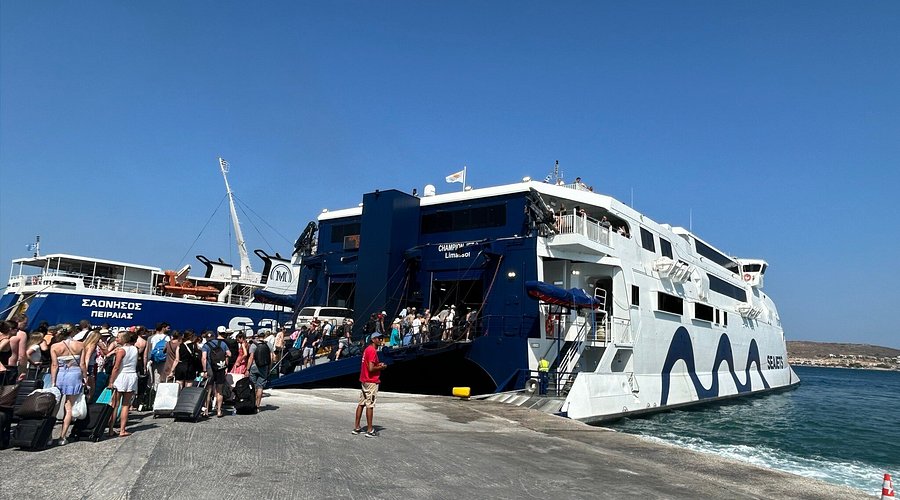
Seajets runs the biggest fleet of high-speed ferries in Greece, connecting more than 50 ports all over the Aegean. They handle both passengers and freight, and people know them for speed, not luxury.
History and Fleet
Brothers Panagiotis and Marios Iliopoulos started Seajets back in 1989, but they didn’t actually get into the ferry business until 2002. Now, with Marios Iliopoulos at the helm, they’re a major force in Greek ferry transport.
Their fleet’s up to 28 vessels. You’ll see everything from standard ferries to high-speed catamarans. All together, they can carry about 24,000 passengers and 3,800 vehicles.
Ships range from small ones like the Super Cat Jet (fits 300 people) to big guys like Tera Jet (up to 1,750). Most high-speed ferries were built between 1995 and 2005. Some of the older, conventional ferries date back to the ‘70s, but they’ve been given some updates.
In 2018, Seajets grabbed the “Passenger Line of the Year” award at the Lloyd’s List Greek Shipping Awards. They’ve put a lot into new tech to stay ahead as Greece’s top high-speed ferry operator.
Routes and Destinations
Seajets covers over 400 destinations, mostly from their base in Piraeus. During summer, they run daily trips between the mainland and the popular island chains.
Top routes include Athens (Piraeus) to Santorini, Mykonos, Paros, Naxos, and a bunch of Cycladic islands. They also serve six ports in Crete: Heraklion, Chania, Kissamos, Rethymno, Agios Nikolaos, and Sitia.
High-speed ferries can get you from Athens to Santorini in about 5 hours—way quicker than the 7+ hours on regular ferries. But in winter, schedules drop way down. Some routes that run daily in July might only go once or twice a week in January.
Types of Vessels
Seajets has three main vessel types. High-speed catamarans make up most of the fleet—think WorldChampion Jet and the Champion Jet series for the fastest rides.
Monohull high-speed ferries like Speedrunner Jet and Superrunner Jet can take vehicles and are almost as quick as the catamarans. The conventional PAX/Car ferries (Super Star, Aqua Blue, etc.) are slower but give you more space and are steadier if the sea gets rough.
High-speed vessels usually have airplane-style seats. Regular ferries offer more varied seating and even cabins. Most ships have a business class section, but you’ll pay extra for that.
Passenger Experience and Comfort
SeaJets ferries offer a range of seating options, and your comfort really depends on what class you book and which ship you get. The experience is pretty basic—nothing fancy—but it works for short island hops.
Cabin Classes and Seating Options
There are three main seating categories: Economy (Silver), Club, and Platinum Class. The price jump from Economy to Platinum is usually about 20%, so upgrading isn’t out of reach.
Economy means the main cabin, limited legroom, and rows of seats that get cramped, especially if you’re tall. It fills up fast, and finding a spot for your luggage can be a pain.
Platinum Class is a real upgrade. Some ships have a private cabin area with a door, so you can actually escape the noise. The seats are in a 2-2 setup, there are tables, and you get power outlets for your devices. There’s even an attendant who’ll bring food and drinks to your seat (but you still pay for them). The extra legroom alone is nice, and these sections don’t get as crowded.
Club Class is somewhere in between, but what you get depends on the specific ship.
Onboard Amenities
Don’t expect anything fancy. There’s a basic cafe for drinks, snacks, and light meals. The line gets long fast, especially right after departure when everyone suddenly wants coffee or breakfast.
If you’re in Platinum Class, the attendant service is actually pretty useful. You can order before departure—which I’d recommend, since the seas can get rough and walking around isn’t always easy. The cappuccinos are surprisingly good for a ferry.
Restrooms are on board, but cleanliness is hit or miss. Newer ships tend to have better facilities.
You might get cell reception when passing near islands, so tethering your laptop is sometimes possible. Don’t expect reliable wifi, though.
Accessibility and Family Services
Details about accessibility are sparse. Boarding usually means stairs from the car deck up to the passenger areas, so if mobility is an issue, it’s not ideal.
If you’re traveling with kids, leaving your luggage on the car deck (which staff often suggest) just doesn’t work. You’ll want your bags nearby, and Economy can get way too crowded for families with little ones.
No dedicated family zones or kids’ entertainment here. It’s point-to-point transport, not a cruise.
How to Book and Plan Your Seajets Trip
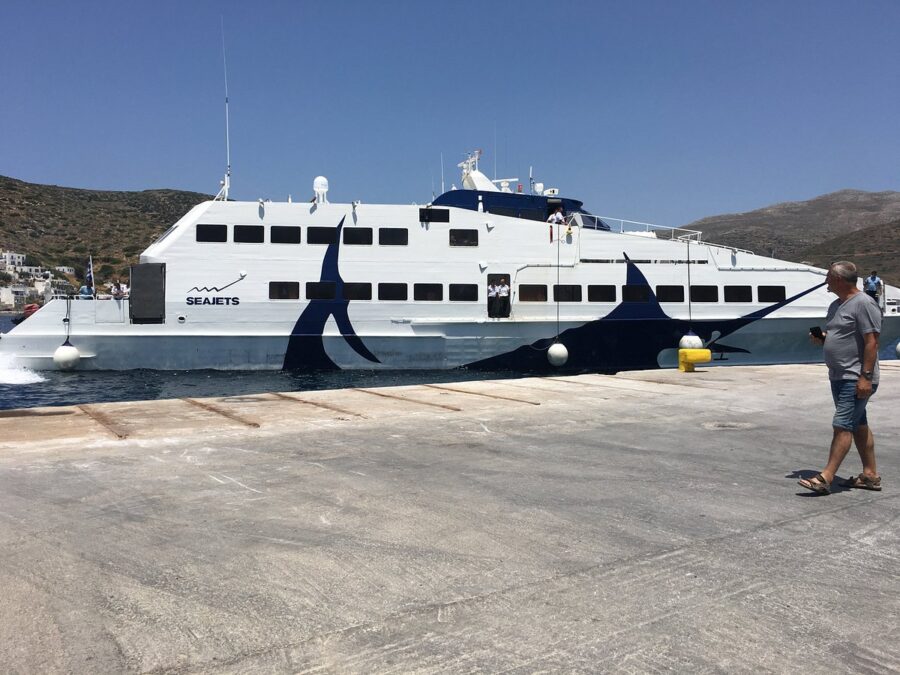
You can book Seajets tickets on several platforms, and prices depend on class and season. For summer, book early if you want your pick of departure times.
Booking Methods and Platforms
Book directly on the Seajets website for real-time availability and no extra fees, or use third-party sites like Ferryhopper, Ferryscanner, and Direct Ferries to compare prices across different operators.
Personally, booking through Seajets gives me more control over seat selection. Third-party sites are handy for multi-leg trips with different ferry companies. Most places accept credit cards and send instant email confirmations.
The process is simple: pick your departure, destination, date, and number of passengers, then choose your ferry and class. Mobile tickets are the norm now—no need to print anything.
Ticket Prices and Classes
Seajets offers several ticket classes. Economy class starts around €30-50 for short hops like Mykonos to Paros. Longer trips, like Heraklion to Piraeus, can run €70-140 depending on your class.
Club Class is about 30-50% more than economy. You get a quieter area and more legroom. Some travelers mention that even in premium sections, outlets can be oddly placed.
Business Class is only on certain routes and includes lounge access and priority boarding. Prices swing a lot by route and season, and summer’s always more expensive. Kids under 5 usually travel free, and kids 5-10 get discounts.
Reservation Tips for Peak Season
If you’re traveling June through September, book at least 2-3 weeks ahead. The Santorini, Mykonos, and Paros routes sell out quickly. You’ll get better times and prices by booking flights and ferries early.
Try to be flexible with your times. Morning ferries tend to be cheaper than afternoons. Seajets sometimes tweaks schedules 24-48 hours before departure, so keep an eye on your email.
Think about travel insurance that covers ferry cancellations. Weather—especially strong winds—can mess with schedules. This happens a lot in the Cyclades at certain times of year.
Punctuality, Reliability, and Schedule Insights
Seajets usually runs on time during the busy summer months, but weather and mechanical hiccups do happen. Delays are more common in the shoulder season when the Aegean gets rough, and sometimes ferries get canceled last minute.
Common Delays and Cancellations
High-speed catamarans are touchy when it comes to wind. If winds hit 7-8 on the Beaufort scale, expect delays or cancellations. The Meltemi winds hit hardest July through September, but in peak summer, they’re pretty predictable so it’s not usually a big deal.
Winter and the off-season (November to April) are another story. Rough seas mean more cancellations, especially to smaller islands like Ios or Folegandros. Mechanical problems crop up sometimes, too, though Seajets has gotten better at maintenance lately.
Usually, they announce cancellations 2-4 hours before departure, but sometimes you won’t know until you show up at the port. That’s rough if you’ve got a flight or hotel lined up. Routes to Santorini and Mykonos are more reliable since they’re priorities and have more daily sailings.
Managing Last-Minute Changes
Flexibility is your friend. Book refundable tickets if you can, even if they cost a bit more. Seajets lets you change most tickets up to 24 hours before departure.
Check your email and phone often on travel days. Seajets sends SMS updates to Greek numbers, so if you’re using a foreign SIM, you might miss alerts. Port authority websites post real-time updates, too.
Always have a backup plan for tight connections. If you need to catch a flight, take an earlier ferry than you think you need. I’ve seen way too many people miss flights because they cut it too close.
Real-Time Ferry Tracking Tools
Seajets doesn’t have its own tracking app, which feels a bit outdated these days. So, you’ll have to use third-party tools to check your ferry’s location and status.
The Ferryhopper app does a decent job tracking Seajets vessels in real-time, showing where the boats are and when they’re expected to arrive. Marine Traffic is another option, showing all kinds of vessels at sea, but honestly, it’s a little clunky if you’re just a regular traveler trying to find your ferry.
Honestly, the most accurate info usually comes from calling Seajets’ customer service or just asking at the port ticket office. The staff there tend to know about delays or changes before anything gets posted online. Port agents are usually in the loop.
Customer Reviews and Reputation Analysis
Seajets has a pretty rocky reputation on most review sites, with ratings hovering around 2.5 out of 5 stars. People complain about delays, how staff handle problems, and whether the service is worth the prices they charge.
Service Quality Feedback
The bulk of complaints about Seajets focus on major delays and mechanical hiccups. One traveler described a ferry taking over 4 hours for a trip that was supposed to last just 2.5 hours. That’s not a small delay, especially if you’ve got kids in tow or connections you can’t miss.
The ships themselves often don’t live up to their marketing. What’s sold as a “luxury catamaran experience” usually turns out to be a pretty standard ferry with okay seats—nothing fancy. Sometimes, you end up waiting in hot, stuffy cargo areas filled with diesel fumes for 15 minutes or longer just to board or depart.
Food safety has come up too. At least one traveler got served raw chicken with their complimentary meal. If your journey gets disrupted by mechanical issues, Seajets might hand out basic dinners, but the quality is pretty hit or miss.
Staff Behavior and Professionalism
The crew’s attitude is a real mixed bag. Some staff are polite and helpful when things go sideways, but others act downright unprofessional. One parent said a crew member mocked their worries about delays for their kids by singing and humming in a dismissive way. Not exactly what you want to deal with when you’re stressed.
To make things worse, Seajets almost never responds to formal complaints. Lots of customers report emailing different company addresses and never hearing back. Even when staff on board say you should file a complaint and admit a colleague screwed up, there’s usually no follow-up at all.
Value for Money
If you’re paying for ferry services in Greece, you expect reliability and the experience you were promised. Seajets struggles to deliver. The gap between what’s advertised and what you actually get leads to a lot of frustration.
Longer trips mean you lose valuable vacation time. If a 2.5-hour ride turns into 4+ hours, that’s half your day on Santorini gone. For families with little kids who get up at 5:30am for these trips, getting back at 10:30pm and missing hotel dinner just doesn’t feel worth the money.
Embarkation and Port Experience
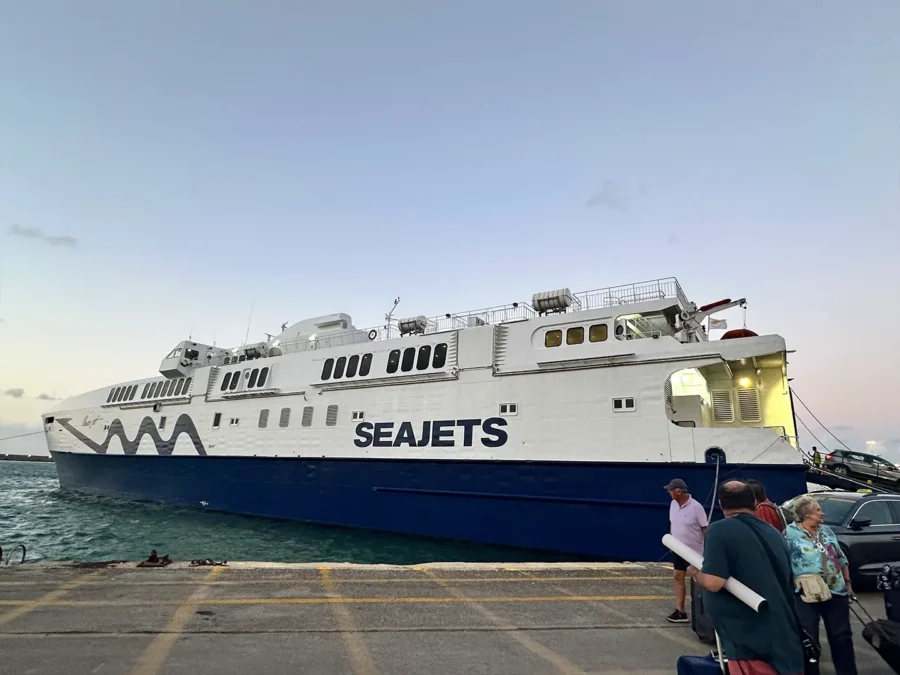
Getting on a Seajets ferry is more hassle than you’d expect. Ports are crowded, boarding feels a bit chaotic, and you’ll have to handle your own luggage up some pretty steep ramps.
Boarding Process and Luggage Handling
Boarding at Greek ports isn’t anything like an airport. There’s no organized line or gate announcements—just a bit of a scramble.
At places like Santorini’s Athinios port, signage is confusing and gates sometimes change at the last minute. Some travelers even get sent to the wrong side of the port by Seajets staff and nearly miss their boat.
You’ll need to carry your own luggage up the boarding ramp. These ramps are steep, and there’s no porter service. Once you’re onboard, you’ll stash big bags in an open storage area on the lower deck—no tags, no check-in, so remember where you put your stuff.
The ramps get packed fast as everyone tries to board at the same time. If you’re carrying heavy gear, it’s worth packing lighter for ferry days.
Airport vs. Ferry Port Comparison
Ferry ports are a totally different world from airports. No security screening, no formal check-in counters.
You just show your ticket (digital or printed) at the gate. Sometimes staff scan it, sometimes they don’t, especially if things are busy. The whole process feels a bit chaotic compared to airports.
Facilities at the ports are pretty basic. Don’t count on comfy waiting areas, charging stations, or spotless restrooms. Most Greek ferry ports are just open-air docks with little protection from the sun or wind.
Local Port Facilities
Athinios Port in Santorini and Heraklion Port in Crete don’t offer much. There are a few small cafes and ticket counters, but that’s about it.
The biggest headache at Athinios is the access road. It’s a narrow, winding route down the cliffs that gets totally jammed during busy times. You really should arrange your transfer at least two hours before your ferry leaves.
If you’re driving, parking is tight. The terminal is tiny and gets packed fast when several ferries are boarding at once. There isn’t much seating, so you might end up standing around if you arrive early.
Frequently Asked Questions
Seajets passengers tend to ask the same things about booking, travel, and what to expect on board. The big topics are amenities, punctuality, seat comfort, baggage rules, and overall passenger satisfaction.
What amenities are offered onboard Seajets ferries?
On Seajets, you’ll find bars selling snacks, drinks, and meals. WiFi is available, but you’ll need to pay at the bar—three euros gets you three hours online.
Most ferries have outdoor decks for fresh air and photos, plus air-conditioned indoor seating (which is a lifesaver in summer).
If you’re bringing pets, Seajets has kennels for bigger animals (over 10 kg). Smaller pets can stay with you in a carrier.
How punctual are Seajets departures and arrivals compared to other Greek ferry services?
Let’s be real—Seajets usually sticks to its schedule better than the old-school ferries, but delays still happen.
The Aegean’s weather can flip fast, and strong winds (the meltemi, especially in summer) often delay or cancel ferries. That’s just Greece, not a Seajets-only problem.
Plan to be at the port at least 30 minutes before your ferry leaves. If you’re bringing a car, give yourself an hour.
Can passengers expect comfortable seating arrangements with Seajets, and how do they vary?
Seajets offers different seat classes depending on the boat. Economy is basic airline-style seating—fine for short trips under three hours.
Premium and business seats have more legroom and usually better spots on the boat. Platinum is the priciest and most spacious.
Even with a premium ticket, though, remember these are ferry seats, not beds. On longer routes like Piraeus to Santorini (about 5 hours), you’ll probably get restless no matter what.
What are the baggage policies and allowances when traveling with Seajets?
You can bring hand luggage up to 50 kg or one cubic meter—way more than most people need.
The ferry doesn’t take responsibility for your stuff unless you hand it over to the ship’s accounting office for safekeeping. Don’t leave valuables in your luggage in the storage area.
If you’re traveling with pets, you have to declare them when you book and get zero-fare tickets for them. You can’t book pet tickets online right now, so you’ll need to call customer service at +30 210 710 7710.
How do travelers usually rate their experience with Seajets on prominent review platforms?
Reviews for Seajets are honestly all over the map. Some passengers love the speed and efficiency, while others complain about crowded conditions and occasional delays.
On Tripadvisor, Seajets sits somewhere in the middle among Santorini attractions, with nearly 2,900 reviews. People seem split—some had a smooth journey and shrugged it off as fine, while others ran into issues and left frustrated.
Long boarding lines, especially in the height of summer, pop up often in complaints. Customer service feels hit-or-miss, too. Still, a lot of travelers admit Seajets gets them where they need to go fast, and that counts for something.