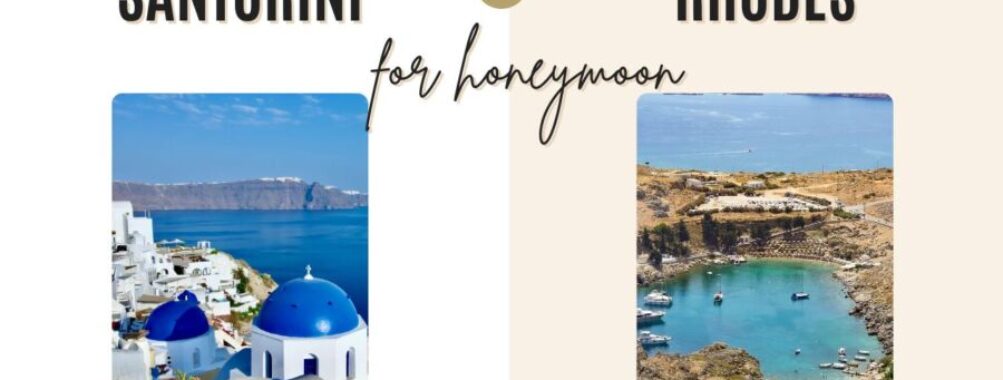
Santorini vs Rhodes for Honeymoon: 6 Essential Differences & Romantic Tips
Updated March 9, 2026
Choosing between Santorini and Rhodes for your honeymoon really depends on what kind of romantic escape you’re dreaming about. Both islands have that Greek island magic, but they feel worlds apart.
Santorini shines if you’re after dramatic scenery, luxury cave hotels, and those famous sunset moments. Rhodes, though, is perfect for honeymooners looking for medieval charm, better beaches, and more to do than just lounge around.
Santorini is all about those white-washed buildings perched on cliffs and infinity pools that spill into the Aegean—honestly, it feels made for couples who want to just soak up the view and each other. Rhodes is bigger and more varied, with ancient ruins, a UNESCO-listed old town, and actual sandy beaches instead of volcanic pebbles.
Think about your honeymoon style. If you want to check into one breathtaking hotel and barely leave your private terrace, Santorini’s your spot. But if you get bored easily and want to mix beach days with exploring castles and villages, Rhodes gives you a lot more freedom.
Key Takeaways
- Santorini brings unmatched romantic views and luxury stays, while Rhodes offers more activities and better beaches
- Santorini’s pricier and gets crowded, but it’s got that iconic Greek island vibe you’ve seen everywhere
- Rhodes is easier to get around, has more food options, and mixes history with beach time
Table of Contents
- Santorini vs Rhodes: Which Island Offers the Most Romantic Honeymoon?
- Uniqueness of Santorini for Couples
- Romantic Highlights of Rhodes
- Choosing Based on Your Honeymoon Style
- 1. Iconic Sights and Landscapes: Caldera Views vs. Medieval Wonders
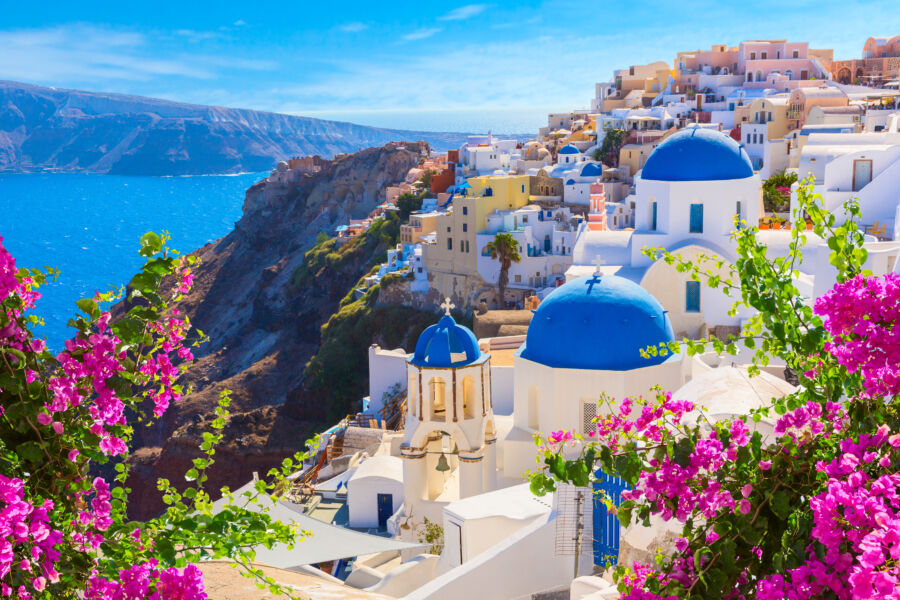
- Santorini’s Caldera, Cliffs, and Blue-Domed Churches
- Rhodes Old Town and the Palace of the Grand Master
- Natural Beauty Beyond the Tourist Trail
- 2. Dreamy Beaches for Honeymooners: Volcanic Sands and Golden Shores
- Santorini’s Volcanic Beaches: Kamari, Perissa, and Vlychada
- Rhodes’ Sun-Kissed Coast: Lindos Beach, Anthony Quinn Bay, and Prasonisi
- 3. Culinary Adventures: A Taste of Greek Romance
- Santorini’s Volcanic Wines and Cycladic Flavors
- Rhodes’ Medieval Feast and Local Specialties
- 4. Honeymoon Hotels, Resorts & Unique Stays: Luxury or Authentic Charm?
- Santorini’s Boutique Hotels and Caldera-Facing Suites
- Rhodes’ All-Inclusive Resorts and Heritage Mansions
- 5. Ease of Getting Around: Accessibility & Honeymoon Logistics
- Santorini Buses, Transfers, and Island Hopping
- Rhodes Transportation, Car Rentals, and Exploring Beyond Rhodes Town
- 6. Special Excursions & Off-the-Beaten-Path Experiences
- Exploring Ancient Sites: Akrotiri, Ancient Thera, and the Valley of the Butterflies
- Memorable Honeymoon Activities: Sunset Cruises, Vineyard Tours, and Beach Escapes
- Frequently Asked Questions
- What are the unique romantic experiences available for honeymooners in Santorini compared to Rhodes?
- How does the honeymoon cost and overall budget compare between Santorini and Rhodes?
- Which island offers the most private and exclusive locations for honeymoon couples, Santorini or Rhodes?
- Can honeymooners expect a culturally rich experience on both Santorini and Rhodes, and how do they differ?
- What are the differences in scenery and atmosphere for couples looking for a picturesque honeymoon in Santorini vs Rhodes?
- In terms of weather and seasonal preferences, which island is more suited for a honeymoon throughout the year – Santorini or Rhodes?
- Book Your Dream Experience
- More Travel Guides
Santorini vs Rhodes: Which Island Offers the Most Romantic Honeymoon?
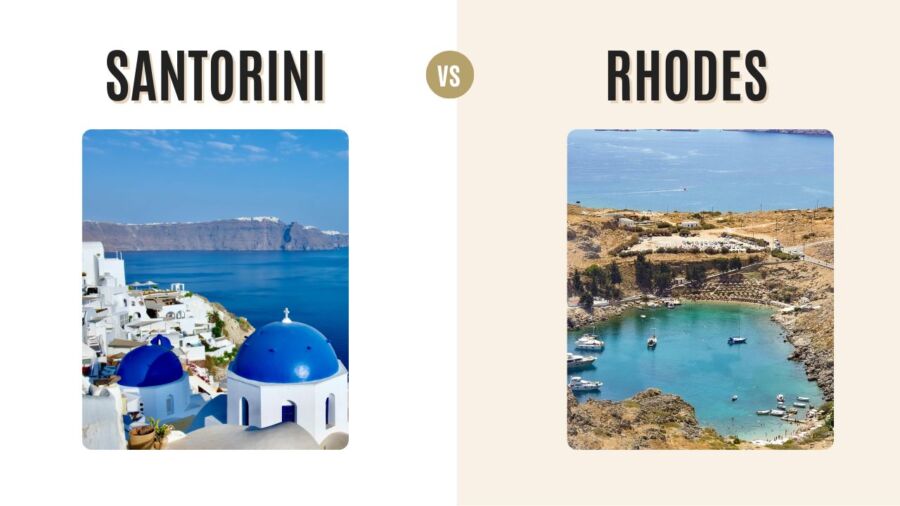
Santorini really does pull ahead for romance—those sunsets and cozy cave hotels are hard to beat. But Rhodes has a different kind of magic with its medieval streets and beaches that, honestly, some couples like better.
Uniqueness of Santorini for Couples
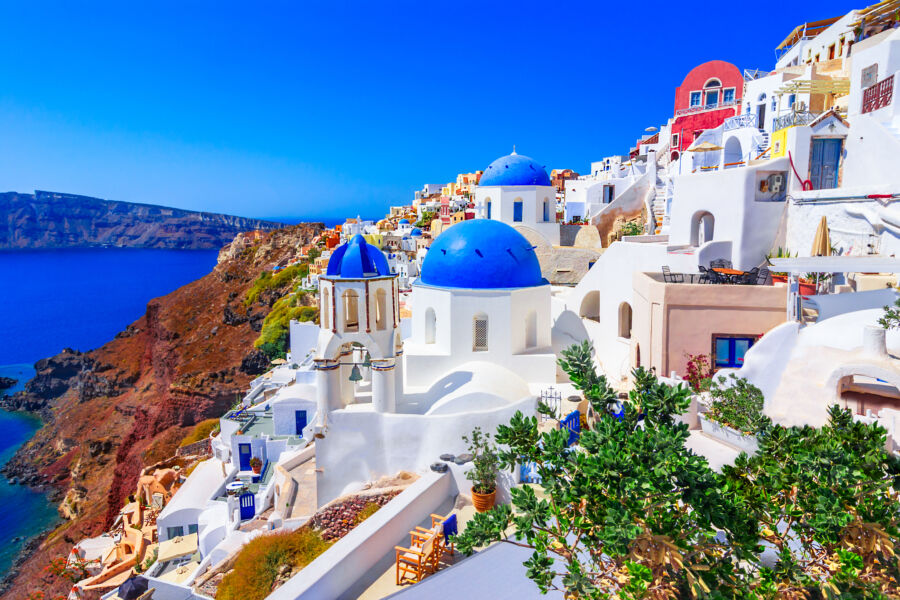
Santorini’s caldera views are probably what you picture when you think of a Greek island.” And in real life? They’re just as stunning.
The white-washed houses clinging to volcanic cliffs make the whole place feel like it was designed for honeymoons. You’ll find cave hotels in Oia and Imerovigli, with breakfast on your private terrace overlooking the deep blue Aegean.
What makes Santorini special:
- Oia’s sunsets that turn the sky wild shades of pink and orange
- Cave suites with private plunge pools
- Wine tastings at volcanic-soil vineyards
- Romantic cliffside dinners
But let’s be real—Santorini gets packed in July and August. Those sunset views aren’t just yours.
You’ll be surrounded by a crowd, all snapping photos. It’s a small island, so you might run out of things to do if you’re not content just soaking up the view and eating.
The beaches? Not so great. They’re volcanic, so you get black or red sand that gets insanely hot. It’s not that classic white-sand beach most people imagine.
Romantic Highlights of Rhodes

Rhodes often surprises people—it’s not usually the first island that comes to mind for honeymoons, but maybe it should be.
The medieval Old Town is a UNESCO World Heritage site, all cobblestone streets and castle walls. Walking through at night feels like you’ve stumbled into another era. The Street of the Knights and the Palace of the Grand Master are actually impressive, not just touristy.
Rhodes’ beaches are a big step up from Santorini’s. Anthony Quinn Bay and Tsambika Beach have real sand and clear turquoise water. You can rent a boat or try water sports without dealing with volcanic pebbles.
Rhodes offers couples:
- More space, fewer crowds
- Better value places to stay
- Beach clubs and water sports
- Day trips to Lindos with its hilltop acropolis
The island’s bigger, so you’ll want to rent a car or scooter to really see it. Some couples love the adventure; others find it less convenient than Santorini, where you can walk or quickly transfer everywhere.
Choosing Based on Your Honeymoon Style
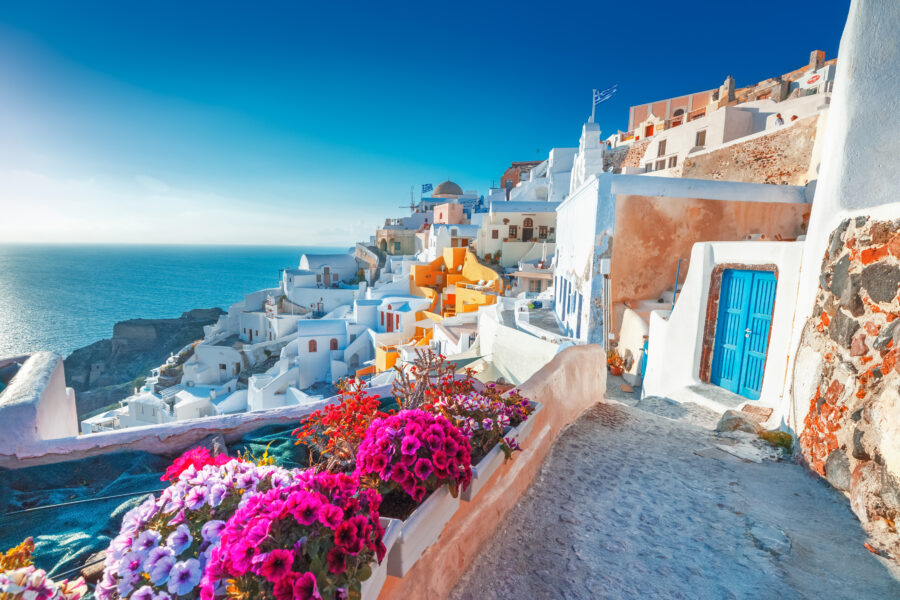
Your pick between santorini or rhodes totally depends on your honeymoon vibe. Go with Santorini if you want that classic, romantic Greek island scene—even if it means crowds and higher prices. It’s perfect for a short stay (3-4 days) and works if you’re greek island hopping.
Pick Rhodes if you want a more active trip with beach time, historical sights, and better value. It’s ideal for week-long honeymoons where you want to settle in and explore.
Budget-wise, Rhodes is the clear winner. Hotels cost 30-40% less, and you’ll notice the difference in restaurant prices too. That savings could mean a longer trip or a few extra splurges.
Some couples actually do both islands. Spend 3-4 nights in Santorini for the views and romance, then head to Rhodes for 5-6 nights of beach and adventure. If you’ve got the time, it’s a great way to get the best of both.
1. Iconic Sights and Landscapes: Caldera Views vs. Medieval Wonders
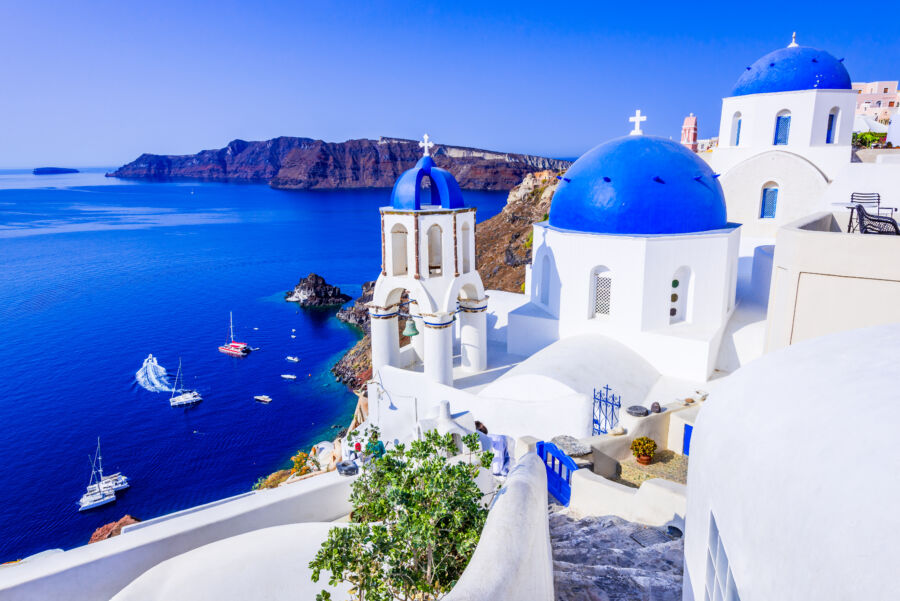
Santorini and Rhodes couldn’t look more different. Santorini’s volcanic cliffs and white buildings are iconic, while Rhodes has stone fortresses and winding ancient streets.
Santorini’s Caldera, Cliffs, and Blue-Domed Churches
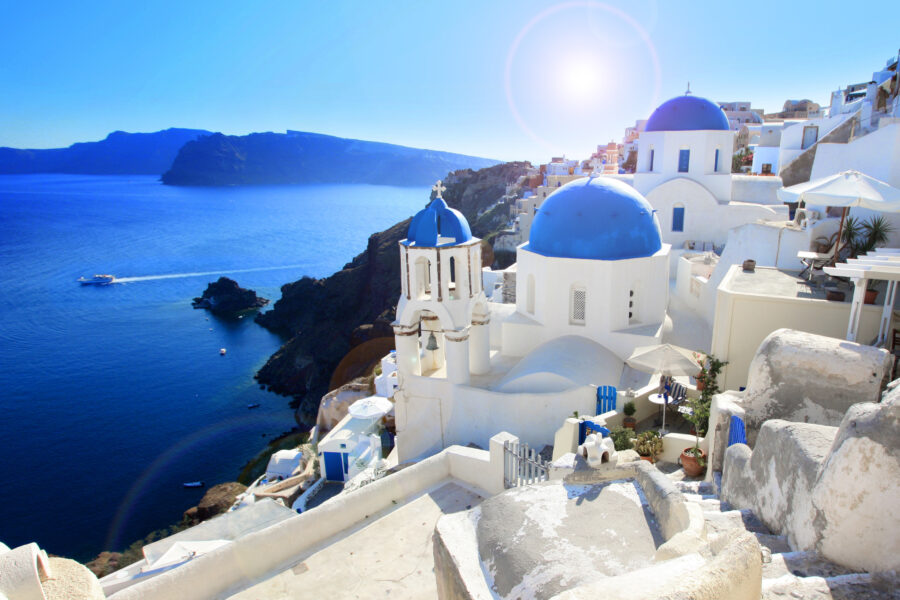
The caldera is Santorini’s calling card. This massive volcanic crater, formed thousands of years ago, makes a dramatic crescent-shaped cliff dropping almost 1,000 feet into the sea.
Oia sits at the northern tip and gives you those famous sunset views you see all over Instagram. The village clings to the cliff edge, white-washed houses stacked up like sugar cubes.
Those blue-domed churches? They’re here, though honestly, there are just three main ones that everyone crowds around for photos.
Fira, the island’s capital, has similar caldera views but with more buzz. The clifftop walk from Fira to Imerovigli is worth the 20-minute stroll—you’ll pass quieter spots and never lose sight of those views.
Here’s a tip: the caldera looks best from your hotel terrace at dawn, not during the sunset rush. The morning light on the cliffs is unreal, and you’ll probably have it to yourself.
Rhodes Old Town and the Palace of the Grand Master

Rhodes Old Town is something else. Inside its medieval walls, you’ll find one of Europe’s best-preserved old towns. Wandering here genuinely feels like stepping back centuries.
The Palace of the Grand Master towers over the old town. Built in the 14th century by the Knights of St. John, it’s got thick stone walls, grand halls, and mosaics that were actually brought over from Kos. You can easily spend an hour poking around the palace and museum.
Street of the Knights leads down from the palace and really hasn’t changed much since the 1400s. The cobblestone street is lined with the old Inns where knights from different countries lived. If you want photos without crowds, go early.
Rhodes Old Town is a mash-up of Byzantine churches, Ottoman mosques, and Italian-era buildings, all squeezed together. It’s a maze of narrow lanes, and honestly, getting lost is half the fun.
Natural Beauty Beyond the Tourist Trail

Both islands have gorgeous spots that most visitors miss. Santorini’s volcanic beaches near Perissa have black and red sand that gets blistering hot—bring sandals. The landscape around Akrotiri lighthouse feels almost lunar.
Lindos on Rhodes is a two-for-one: history and beach. The Lindos Acropolis sits high above the town, with ancient temples and a medieval fortress sharing the same rock.
The climb up is steep, but St. Paul’s Bay below is a perfect place to cool off after.
Rhodes is way greener than Santorini. Its interior has pine forests and valleys that most honeymooners never see. If you rent a car, the drive to Lindos takes you through villages that still feel authentic.
2. Dreamy Beaches for Honeymooners: Volcanic Sands and Golden Shores
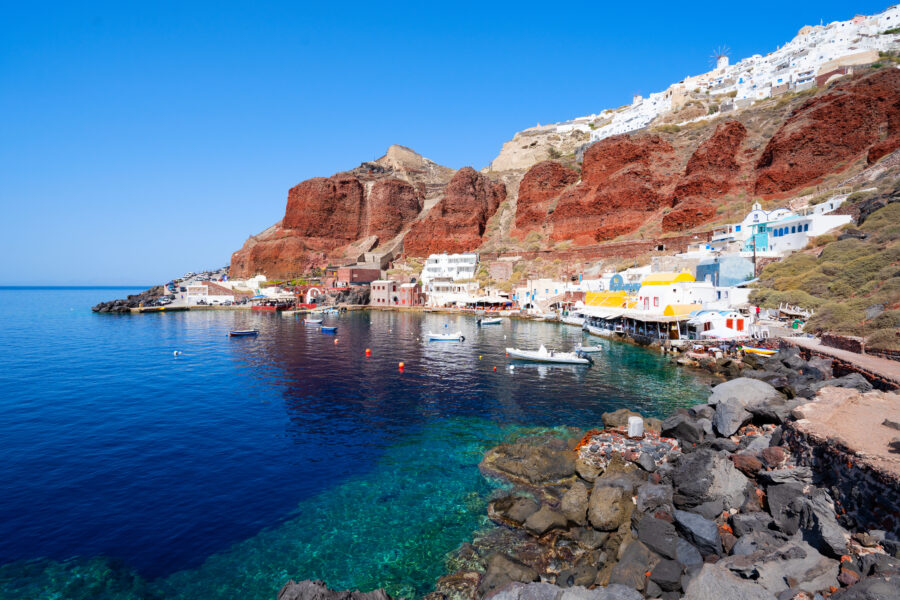
Santorini’s volcanic beaches are dramatic, with black and red sand, while Rhodes gives you classic golden shores and clear Aegean water. The beach vibe is totally different on each island.
Santorini’s Volcanic Beaches: Kamari, Perissa, and Vlychada

Santorini’s beaches are unique—you won’t find black sand like this elsewhere. At Kamari and Perissa, the sand heats up fast, so water shoes are a good idea if you’re out midday.
Kamari stretches about 5 kilometers, with the Mesa Vouna mountain looming behind. There are sunbeds, umbrellas, and plenty of tavernas for cold drinks.
Perissa beach is on the other side of that mountain. It’s a little more laid-back, with a younger crowd and beach bars that stay open late. The mix of black pebbles and sand makes for some cool photos.
Vlychada feels almost otherworldly. The white cliffs have been sculpted by wind and sea for ages, and the volcanic formations look like natural art.
It’s quieter and more secluded—great if you want to dodge the crowds. The black sand against those pale cliffs is striking.
Rhodes’ Sun-Kissed Coast: Lindos Beach, Anthony Quinn Bay, and Prasonisi

Rhodes serves up those classic golden beaches. Lindos Beach sits right below the acropolis, so you get history and a swim all in one. The water stays shallow for a long way out, perfect for a lazy float.
Anthony Quinn Bay is tiny but gorgeous. The actor loved it so much while filming “The Guns of Navarone” that they named it after him. You’ll swim in emerald water surrounded by pine-covered hills, and if you’re into snorkeling, the rocky seabed is perfect.
Prasonisi is at the southern tip, where two seas meet. On windy days, you can literally stand with one foot in calm water and the other in choppy waves.
It’s famous for windsurfing, but the west side is usually calm enough for swimming. The landscape here feels wild and untamed compared to the more developed north.
3. Culinary Adventures: A Taste of Greek Romance

Both islands have unforgettable food, but Santorini leans into volcanic wines and Cycladic flavors, while Rhodes celebrates hearty Dodecanese dishes and centuries-old recipes.
Santorini’s Volcanic Wines and Cycladic Flavors
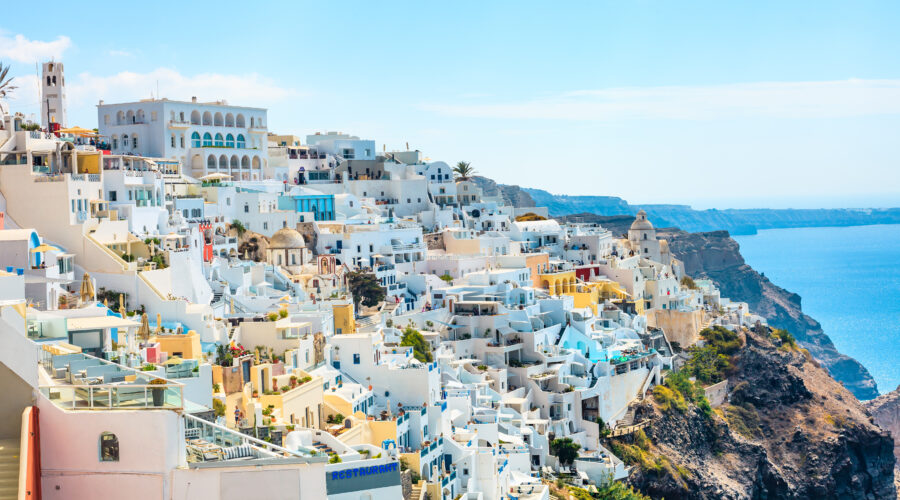
The volcanic soil here doesn’t just shape the cliffs—it makes for some of Greece’s most unique wines and veggies.
Vinsanto is Santorini’s signature dessert wine. Winemakers sun-dry grapes for up to two weeks, then age the wine in oak barrels for years. The taste? Think honey, apricots, and caramelized figs.
You should also try Athiri, a crisp white wine that pairs perfectly with seafood dinners overlooking the caldera. The island’s vines are basket-shaped and sit low to the ground to protect them from wind.
The food here puts a twist on classic Greek cuisine. Fava (yellow split pea puree) tastes creamier and sweeter than on other islands, probably thanks to the mineral-rich soil. Local chefs serve it with caramelized onions and olive oil.
White eggplant grows only in Santorini. It’s got fewer seeds and a slightly sweet flavor.
You’ll spot it in moussaka at tavernas throughout Oia and Fira. And those cherry tomatoes? They’re smaller, but the flavor is intense—every Greek salad just tastes better here.
Rhodes’ Medieval Feast and Local Specialties
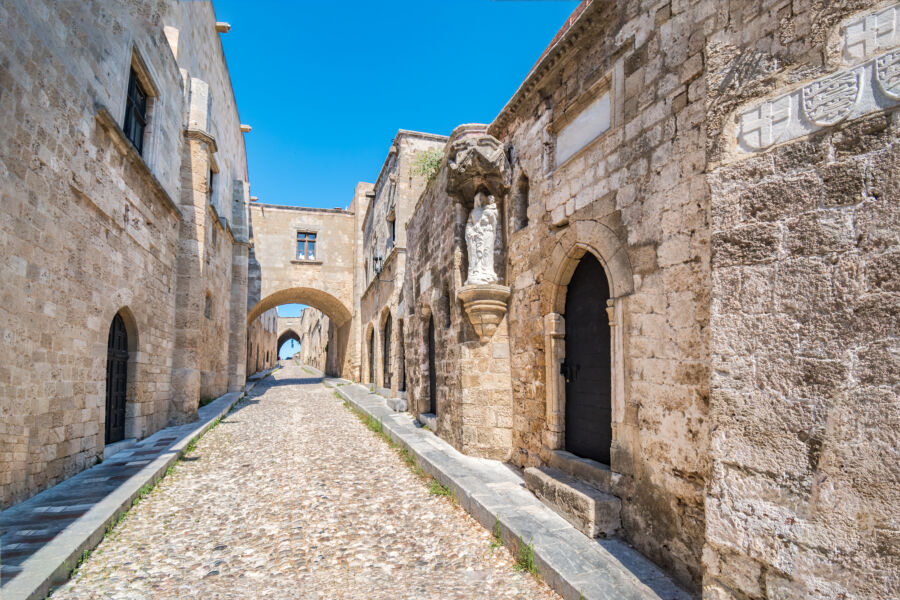
Rhodes brings together Turkish, Italian, and traditional Greek influences in dishes that feel heartier and more filling than what you’ll eat in Santorini.
The Old Town’s medieval atmosphere even seeps into its food. Pitaroudia (chickpea fritters) come out of kitchens the same way they’ve always been made—onions, fresh herbs, a little history in every bite. You’ll spot them at almost every taverna in the Jewish Quarter.
Melekouni is this chewy, not-too-sweet sesame and honey bar that locals still whip up for weddings and celebrations. It’s a snack that actually tastes like Rhodes’ past.
Lakani (a homemade pasta) gets tossed with fresh tomato sauce and mizithra cheese. It’s simple, filling comfort food—the kind you crave after wandering the Palace of the Grand Masters all day.
Rhodes produces some excellent local honey from thyme and wildflowers. Restaurants drizzle it over meats and desserts, and the island’s olive oil—peppery, bold—begs for warm bread to soak it up while you wait for dinner. If you’re trying to save a little on getting to Greece, maybe put those extra euros toward a few more memorable meals.
4. Honeymoon Hotels, Resorts & Unique Stays: Luxury or Authentic Charm?
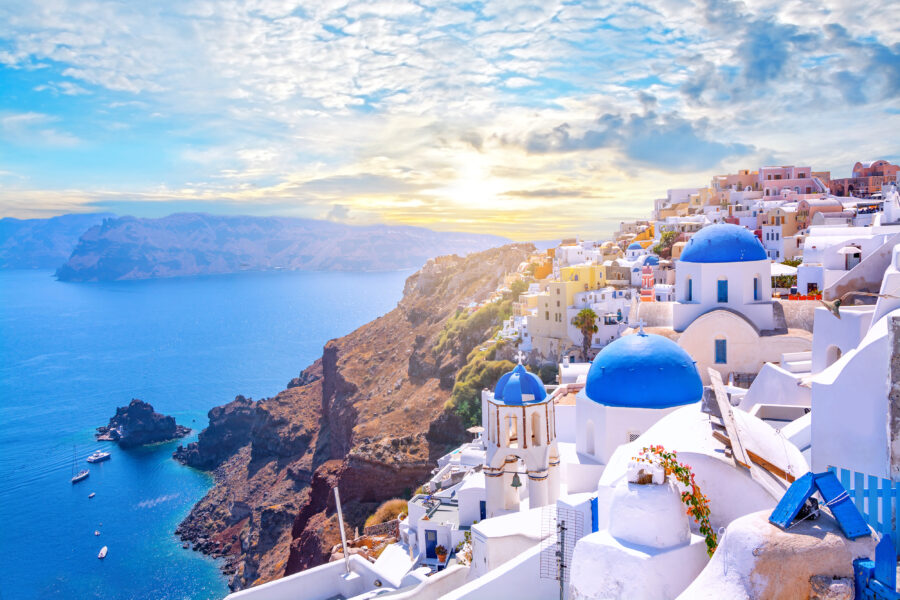
Santorini leans into boutique luxury with caldera-facing suites and cave hotels, while Rhodes offers a bigger mix: all-inclusive beach resorts, quirky heritage properties, and more.
Santorini’s Boutique Hotels and Caldera-Facing Suites
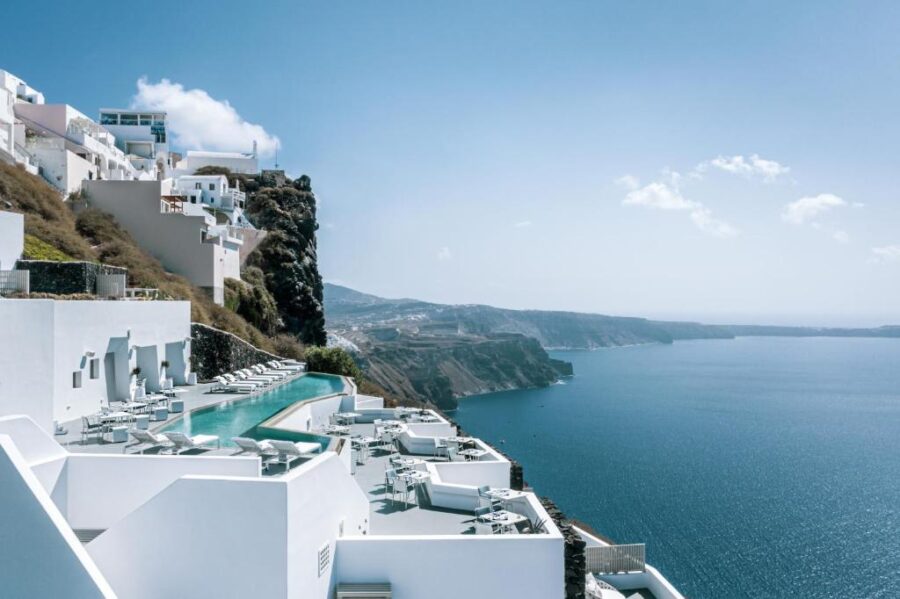
Santorini isn’t about sprawling resorts. Instead, you’ll find small, boutique places tucked into the cliffs of Oia, Imerovigli, and Fira. Most have fewer than 20 rooms, so if you spot a gem, don’t wait too long to book.
Those famous white-washed buildings often hide cave suites carved right into the volcanic rock. Many have private plunge pools or jacuzzis on the terrace, though true privacy can be elusive—neighboring terraces or distant viewpoints might peek into your spot. That’s just how the caldera curves.
Caldera views are the big draw, but you’ll pay for them. Rooms facing the crater cost much more than those without. Most hotels stick to bed-and-breakfast, not all-inclusive, which actually works out; you’ll want to roam the island’s tavernas anyway.
Forget mega-resorts—intimate properties are the norm, where staff remember your name and breakfast lands on your terrace above the Aegean. If you’re booking accommodation, Imerovigli is quieter for caldera views, while Oia brings the iconic blue domes.
Rhodes’ All-Inclusive Resorts and Heritage Mansions

Rhodes gives you options Santorini just doesn’t. All-inclusive beach resorts line the east coast near Faliraki and Lindos, with pools, water sports, and evening shows. If you want everything sorted in one place, it’s easy.
But Rhodes also has something special—restored heritage mansions inside the Old Town’s medieval walls. These old captain’s houses and Ottoman-era buildings come with stone archways, jasmine-filled courtyards, and a real sense of history. Some even have rooftop terraces overlooking the castle walls.
The island’s size lets you mix things up. Spend a few nights at a beachfront resort, then switch to a boutique hotel in Rhodes Town for cobblestone wandering and harbor-side dinners.
Greek islands like Rhodes are usually more affordable than Santorini. Your budget stretches further, whether you’re eyeing luxury stays or mid-range digs. The trade-off? No dramatic caldera sunsets, but you get proper sandy beaches and way more variety in accommodation.
5. Ease of Getting Around: Accessibility & Honeymoon Logistics
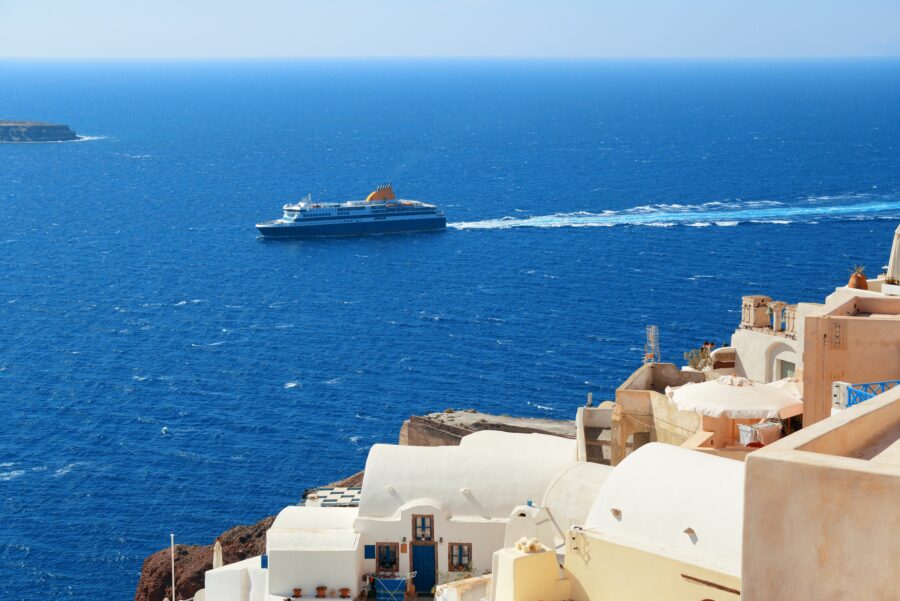
Santorini’s small size makes it manageable, but you’ll deal with narrow roads and summer crowds. Rhodes gives you more space and better roads if you want to explore on your own. Both islands have public transit, but honestly, you’ll probably want your own wheels at some point.
Santorini Buses, Transfers, and Island Hopping

The KTEL bus system links major spots like Fira, Oia, and the airport, running every 30 minutes during peak season. Buses cost around €2-3 per ride but get absolutely packed at sunset when everyone’s heading to Oia.
Most honeymooners rent ATVs or small cars since taxis cost a lot and can be tough to find. Expect to pay €30-50 daily for a quad or €50-70 for a compact car. The roads are steep and winding, so if that sounds stressful, just book private transfers through your hotel.
Santorini sits in the Cyclades, so hopping to islands like Naxos, Paros, or Mykonos is pretty easy if you’ve got time. Ferries run daily in summer, taking 2-4 hours depending on where you’re headed. You can also find cheap flight tickets if you’d rather skip the boat.
Rhodes Transportation, Car Rentals, and Exploring Beyond Rhodes Town

Rhodes is nearly four times bigger than Santorini, so you’ll want a rental car to see places like ancient Kamiros or the village of Ialyssos. Car rentals start around €35-45 per day, and the roads are wider and less nerve-wracking than Santorini’s.
The bus system works well for trips between Rhodes Town and popular beaches, but schedules thin out if you’re heading to remote archaeological sites. Taxis use meters, so pricing’s straightforward—no haggling.
Rhodes sits in the Dodecanese chain, near Turkey and smaller islands like Symi. Day trips to Symi take about 45 minutes by ferry and let you get a taste of Greek island hopping without repacking your bags. Need to store luggage while exploring? You’ll find options in Rhodes Town near the cruise port.
6. Special Excursions & Off-the-Beaten-Path Experiences
Both islands offer unique adventures beyond the main sights, from ancient ruins to cozy wine tastings and hidden beaches. The big difference? Santorini leans into volcanic landscapes and wine, while Rhodes layers on history and natural wonders.
Exploring Ancient Sites: Akrotiri, Ancient Thera, and the Valley of the Butterflies
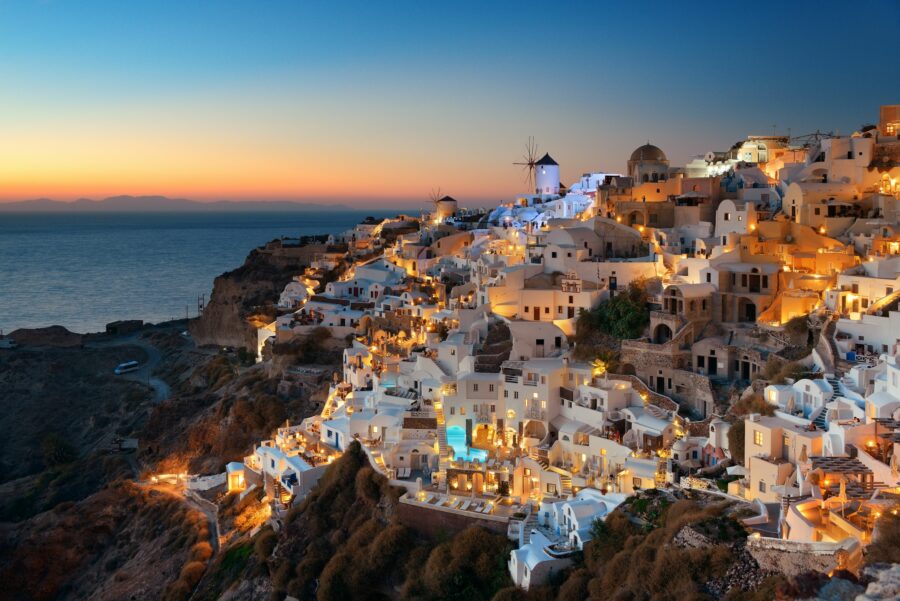
Santorini’s Akrotiri archaeological site lets you wander a Minoan settlement frozen under volcanic ash for 3,500 years. You’ll walk ancient streets and see frescoes that outlived the eruption. It’s almost eerie—like a time capsule, honestly.
Up higher, Ancient Thera perches on a ridge between two beaches, with ruins from the 9th century BC through Byzantine times. Getting there means a winding drive, but wow, those Aegean views are worth every hairpin turn.
Rhodes has its own treasures. In the Valley of the Butterflies, thousands of Jersey Tiger moths gather in summer.
This lush valley feels totally different from the beaches—wooden walkways, streams, waterfalls, and a cool escape from the heat. You can also climb up to the ancient acropolis at Lindos, sitting above a stunning bay with white-pebbled beaches.
Memorable Honeymoon Activities: Sunset Cruises, Vineyard Tours, and Beach Escapes
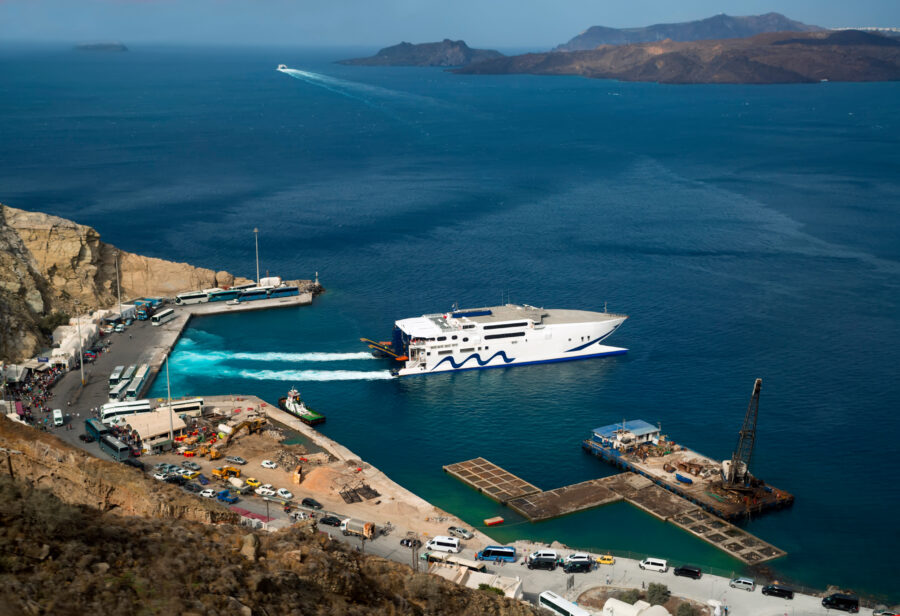
Santorini’s volcanic soil gives its wines a distinct edge, especially the crisp Assyrtiko. Small family wineries in villages like Exo Gonia and Pyrgos let you taste these unique wines, often with the winemakers sharing stories about their traditions as you sip overlooking the caldera.
Catamaran cruises around the caldera pass the Akrotiri lighthouse and usually stop for swims at volcanic hot springs. The best ones serve local wine and fresh seafood as the sun goes down. You can book sightseeing tours that pack in multiple experiences in a day.
Rhodes is a dream for beach hopping. The island’s size means you can find everything from organized beaches with water sports to quiet little coves you reach only by boat.
Anthony Quinn Bay is a favorite for snorkeling with its clear water. If you want something different, try a boat trip to Dodecanese islands like Symi, where colorful neoclassical houses tumble down the hillside.
Frequently Asked Questions
Choosing between Santorini and Rhodes for your honeymoon brings up all sorts of questions—romance, costs, privacy, timing. Each island delivers its own flavor of magic.
What are the unique romantic experiences available for honeymooners in Santorini compared to Rhodes?
Santorini gives you those iconic caldera sunsets, whether from your hotel room or a cliffside restaurant in Oia. Private cave pools carved into volcanic rock, infinity pools that seem to spill into the sea—it’s all here.
The island’s wine tastings at boutique vineyards feel intimate, especially with the prized Assyrtiko grape. You can book private catamaran cruises around the caldera, stopping at Red Beach and White Beach for a swim.
Rhodes does romance differently. You’ll wander the medieval Old Town at night, stone streets glowing under lamplight after the crowds vanish. The island has secluded coves and long stretches of beach where you can actually find some space.
Rhodes’ traditional villages in the interior let you experience authentic Greek life without tourist crowds. And if you want some nightlife, Faliraki brings energy and dancing into the mix.
How does the honeymoon cost and overall budget compare between Santorini and Rhodes?
Santorini costs more, no sugarcoating it. During high season (July and August), private rooms with those famous views can run well into four figures per night.
Mid-range hotels in Fira or on Perissa’s black sand beaches start at a few hundred dollars. Meals with caldera views will cost more than similar food elsewhere in Greece.
Rhodes offers better value. Luxury resorts and boutique hotels cost less than Santorini’s equivalents, and the bigger island means more accommodation options, keeping prices reasonable.
Dining out is cheaper in Rhodes, and portions tend to be generous. Beach activities and water sports come in at lower prices too. On a tighter budget but still want Greek island romance? Rhodes goes further for your wallet.
Which island offers the most private and exclusive locations for honeymoon couples, Santorini or Rhodes?
Santorini’s privacy comes at a price—and with some caveats. Cliffside hotels squeeze together, and those “private” plunge pools aren’t always as private as you hope. Sometimes, other guests or tourists can see you from different angles.
Imerovigli and Pyrgos are quieter than busy Oia. The southern Akrotiri peninsula gives you more space and fewer crowds, but the views still impress.
Rhodes spreads visitors out over a much larger area. You’ll find isolated beaches on the eastern and southern coasts where you might be the only couple. Interior villages feel genuinely private and authentic.
Boutique hotels off the main resort strips offer real seclusion. The island’s size really helps if you want to escape the crowds.
Can honeymooners expect a culturally rich experience on both Santorini and Rhodes, and how do they differ?
Santorini’s culture revolves around its volcanic history and the Akrotiri site, sometimes called the “Greek Pompeii.” The island’s wine-making tradition goes back thousands of years, and you’ll see how grapes grow in volcanic soil.
The white-washed buildings and blue-domed churches create that postcard Greek vibe everyone knows. But Santorini’s small size and focus on tourism mean the cultural experience feels a bit more curated.
Rhodes has deeper historical layers. The medieval Old Town is a UNESCO World Heritage site once ruled by the Knights of St. John. You’ll walk through castle walls and explore the Palace of the Grand Masters.
Ancient Lindos gives you both an Acropolis and a living village. The island blends Greek, Ottoman, Italian, and Byzantine influences in its architecture and food. Museums, ancient sites, and living culture—Rhodes doesn’t just show you history, it lets you live it a little.
What are the differences in scenery and atmosphere for couples looking for a picturesque honeymoon in Santorini vs Rhodes?
Santorini’s scenery? It’s all about those wild volcanic cliffs, that iconic caldera, and the sharp contrast of whitewashed buildings against the impossibly blue sea. The whole place almost feels surreal—like it was made just to be photographed.
You’ll spot black sand at Perissa and those striking red cliffs at Red Beach, both reminders of the island’s fiery origins. Everything’s close together and honestly, it looks like someone arranged it for maximum beauty. The vibe here leans romantic and pretty upscale—luxury isn’t just an option, it’s kind of expected.
Rhodes, though, offers a broader mix. There’s medieval stonework, lush pine forests, endless sandy beaches, and tucked-away mountain villages. The scenery feels more classically Mediterranean, less curated, maybe even a bit rough around the edges in a good way.
The atmosphere in Rhodes really depends on where you wander. Faliraki buzzes with party energy, while mountain villages keep things quiet and genuine.
Along the coast, you’ll find those familiar beach resort feels. Instead of chasing that one perfect postcard shot, Rhodes is more about stumbling into different moods and views as you explore.
In terms of weather and seasonal preferences, which island is more suited for a honeymoon throughout the year – Santorini or Rhodes?
Santorini really shines from late April to June and again in September and October. Those months hit a sweet spot: pleasant weather, fewer crowds, and you won’t have to dodge swarms of cruise ship day-trippers like in the thick of summer.
Since the island sits up high, summers usually hover around 75°F, though honestly, recent heatwaves have nudged that up a bit. Once November rolls around, things get quieter—and chillier.
Winter means cooler temps near 50°F and some rain. Most fancy hotels and a lot of restaurants just close up shop during these months, so it can feel almost deserted.
Rhodes, on the other hand, stretches its good weather longer. The island racks up more sunshine than most of Greece and stays warm well into fall. You can visit from April all the way through November and still feel comfortable.
Winter’s milder in Rhodes, and plenty of hotels and restaurants keep their doors open year-round. Since Rhodes is bigger and has a larger local population, you won’t run into that ghost-town vibe you might get on Santorini in the off months.
If you’re open to traveling outside peak season or just want more flexibility, Rhodes gives you more to work with. For some, that’s a real advantage—especially if you’re tempted by off-season travel.