 Real Journey Travels

Last modified November 25, 2026
Planning an RV trip can be exciting, but figuring out how much it’ll cost can be tricky. That’s where an RV trip cost calculator comes in handy. These tools help you estimate fuel expenses, which are often the biggest part of your RV travel budget. By plugging in your RV’s fuel efficiency, trip distance, and current gas prices, you can get a good idea of what you’ll spend at the pump.
But fuel isn’t the only cost to consider. Your total trip budget will also include things like campground fees, food, and activities. Some RV trip calculators go beyond just gas and help you plan for these other expenses. This way, you can avoid surprises and ensure you have enough money for your whole adventure.
Quick Planning Comparison & Takeaways
| Cost factor | What to compare | Planning takeaway |
|---|---|---|
| Trip distance | Mileage for each route you are considering. | Use your planned trip distance rather than judging fuel costs by destination alone. |
| RV fuel efficiency | MPG for the RVs you are considering. | Compare fuel consumption alongside vehicle suitability; the same route can produce different fuel budgets. |
| Fuel prices | Current prices relevant to your planned journey. | Update the price input when reviewing your budget rather than relying on an older estimate. |
| Campground fees | Expected fees for your planned overnight stops. | Include camping separately if your chosen calculator estimates only fuel expenses. |
| Food | Your expected food spending during the trip. | Add food to the total before deciding whether the adventure fits your budget. |
| Activities | Expected spending on things you want to do. | Account for activities alongside fuel, camping, and food to avoid overlooking part of the trip. |
- Calculate fuel first: divide trip miles by your RV’s miles per gallon, then multiply the gallons needed by your fuel price estimate.
- Check the calculator’s scope before using its total. If it covers only gas, add campground fees, food, and activities yourself.
- Compare route and RV options using the same cost categories. If the total exceeds your budget, revise your plans before committing.
Using an RV trip cost calculator is a smart first step in planning your journey. It helps you figure out if your dream trip fits your budget or if you need to make some changes. With a clear picture of your expected costs, you can focus on the fun parts of planning, like choosing your route and deciding what to see along the way.
Key Takeaways
- RV trip cost calculators estimate fuel expenses based on your vehicle and route
- Planning for all trip costs helps avoid budget surprises on the road
- Using a calculator can help you adjust your plans to fit your budget
Understanding RV Fuel Efficiency
RV fuel efficiency plays a big role in trip costs. Knowing how to figure it out can help you plan better and save money on the road.
What Determines Fuel Efficiency in RVs

RV size and weight are key factors in fuel efficiency. Bigger, heavier RVs use more gas. A small camper van might get 18-22 mpg, while a big Class A motorhome only gets 6-10 mpg.
Engine type matters too. Diesel engines often get better mileage than gas, especially for bigger RVs. But diesel costs more per gallon.
Your driving habits make a difference. Speeding, quick starts, and hard braking all burn more fuel. Keeping a steady speed and using cruise control on highways helps save gas.
Wind resistance affects mileage. Boxy RVs face more drag. Adding a wind deflector to your tow vehicle can improve efficiency.
How to Calculate Miles Per Gallon
To figure out your RV’s mpg:
- Fill up your tank completely
- Reset your trip odometer
- Drive normally until you need gas again
- Fill up and note how many gallons you added
- Check your trip odometer for miles driven
- Divide miles by gallons used
Example: You drove 300 miles and used 30 gallons. 300 ÷ 30 = 10 mpg
Do this a few times to get an average. Your mpg will vary based on terrain, weather, and load. Uphill drives and headwinds lower mpg, while downhill and tailwinds boost it.
Knowing your real-world mpg helps you estimate fuel costs more accurately for trip planning.
Estimating Fuel Costs for RV Travel

Gas prices can make or break your RV trip budget. Figuring out how much you’ll spend on fuel is key to planning an affordable adventure. Let’s look at ways to estimate your costs and use online tools to crunch the numbers.
Current Gas Prices and Budgeting
Gas prices change a lot, so you need to stay on top of them. Check sites like GasBuddy or AAA’s TripTik to see current prices along your route. Don’t forget – RVs often use more fuel than cars. A big rig might only get 6-10 miles per gallon.
To budget, figure out your RV’s fuel economy first. Then map your trip and add up the miles. Multiply that by the average gas price you expect. Add a bit extra for side trips or detours.
Here’s a quick way to estimate:
- Miles of your trip: 1000
- RV fuel economy: 8 mpg
- Average gas price: $3.50/gallon
- 1000 miles / 8 mpg = 125 gallons
- 125 gallons x $3.50 = $437.50
Remember, diesel RVs might cost more to fill up but often get better mileage.
Online Trip Cost Calculators

Online tools make it easy to figure out fuel costs. RV Trip Wizard is great for planning routes and estimating gas money. It lets you put in your RV’s mpg and current prices. The app even finds campgrounds along the way.
For a quick estimate, try free calculators like the one on TravelswithTed.com. Just plug in your trip distance, RV’s mpg, and the gas price. It spits out your total fuel cost in seconds.
Some apps update gas prices in real-time as you travel. This helps you find the cheapest fuel stops. RVers swear by apps like GasBuddy to save cash on the road.
Remember, these tools give estimates. Real costs might be a bit different. But they’re super helpful for setting a fuel budget for your next RV adventure.
Planning Your RV Trip

Getting ready for your RV adventure takes some careful planning. Let’s look at figuring out how far you’ll go and what extra costs you might face beyond just gas.
Determining Your Trip Distance
First things first – you need to map out your route. Pull out a good old-fashioned map or fire up Google Maps to plot your course. Don’t just look at the fastest way – think about fun stops you want to make along the way. Maybe there’s a quirky roadside attraction or a national park you’ve always wanted to see.
Once you’ve got your route, add up the miles between each stop. This total distance is key for estimating your fuel costs. Remember to factor in any side trips or detours you might take. It’s better to overestimate a bit than come up short.
Additional Expenses Beyond Fuel
Gas isn’t your only cost on the road. You’ll need to budget for campground fees, which can range from $20 to $100+ per night depending on amenities. Don’t forget about food – eating out adds up fast, so plan to cook some meals in your RV.
Road tolls can sneak up on you too. Check your route for toll roads and bridges. Some states offer RV-specific toll passes that can save you money.
Set aside some cash for fun stuff like attraction tickets or souvenirs. And always keep an emergency fund for unexpected repairs or campground upgrades. A good rule of thumb is to pad your budget by 10-15% for those “just in case” moments.
Tips to Reduce Fuel Costs
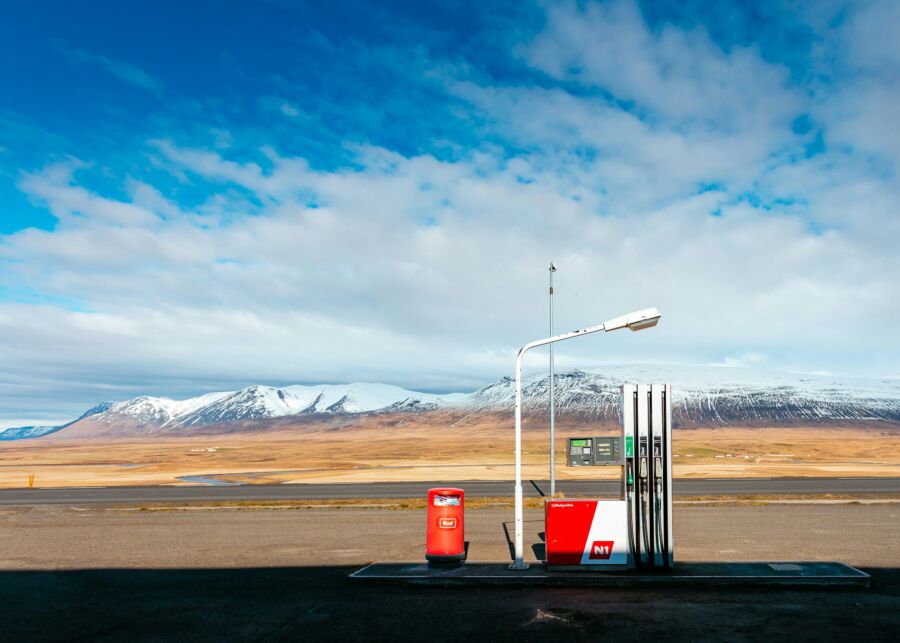
Keeping your gas costs down can make a big difference in your RV trip budget. Let’s look at some ways to boost your fuel efficiency and find the best gas prices on the road.
Improving RV Gas Mileage
You can squeeze more miles out of each gallon with a few simple tricks. First, slow down a bit – driving 55-60 mph instead of 70+ can bump up your mpg. Use cruise control on flat highways to keep a steady speed. Check your tire pressure before trips – proper inflation makes a big difference. Pack light and ditch stuff you don’t need. This cuts weight and boosts efficiency.
Remove bike racks or cargo carriers when not using them. They create drag and hurt mpg. Plan routes to avoid steep hills and mountains when possible. Uphill climbs guzzle gas fast. Regular tune-ups keep your engine running smoothly. Change air filters, spark plugs, and oil on schedule.
Useful Tools and Apps
Tech can help you save at the pump. The GasBuddy app shows current prices at stations near you. It’s a must-have for finding cheap gas on road trips. Google Maps and Waze also show gas prices along your route.
RV trip gas calculators help estimate fuel costs before you go. Just plug in your RV’s mpg, trip distance, and average gas price. This helps with budgeting and avoiding surprises. Some RVs have built-in fuel economy displays. Keep an eye on yours to adjust driving habits.
Consider a rewards credit card that gives cash back on gas purchases. The savings add up on long trips. Fuel price comparison websites like GasPrice.com let you check prices in areas you’ll be traveling through.
Choosing the Right RV for Your Adventure
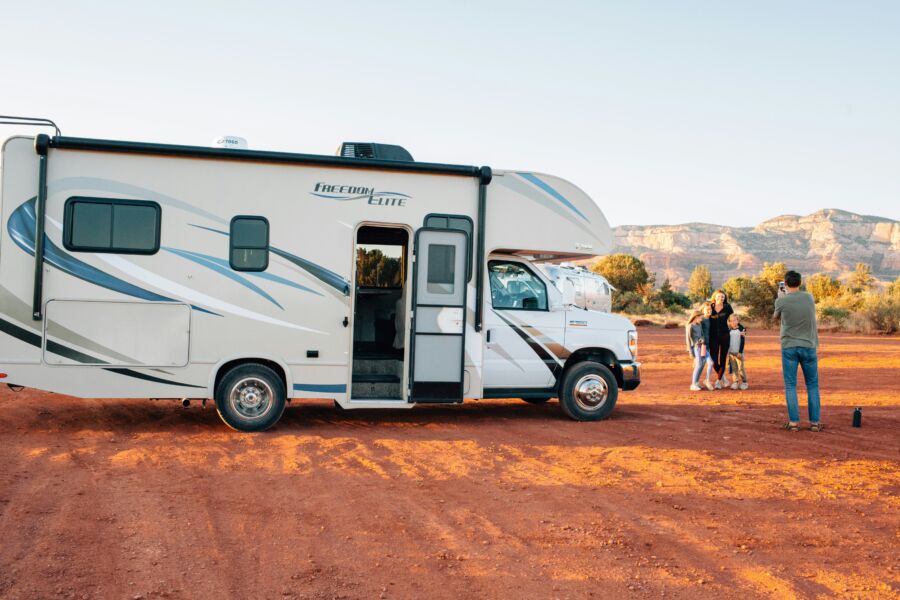
Picking the perfect RV can make or break your trip. Let’s explore the different types of RVs and how to find your ideal match for unforgettable adventures on the road.
Comparing Types of RVs and Their Fuel Consumption
Class A motorhomes are big and roomy but guzzle gas. They usually get 6-10 mpg. Class C RVs are smaller and more fuel-efficient, averaging 10-14 mpg.
Travel trailers are popular and versatile. Tow them with your truck or SUV. Fuel use depends on your tow vehicle, but expect 9-15 mpg.
Fifth wheels offer lots of space. You’ll need a pickup to tow one. Plan for 8-13 mpg when towing.
Pop-up campers are lightweight and easy on gas. Your fuel economy only drops a little when towing – maybe 2-4 mpg less than normal.
Think about how much you’ll drive. Long trips in gas-hungry RVs can really add up!
Finding Your Perfect RV
Start by asking yourself some key questions:
- How many people need to sleep comfortably?
- Do you want to tow or drive your RV?
- What’s your budget for purchase and fuel?
- How much storage space do you need?
Rent different RVs before you buy. It’s a great way to test drive your options.
Check out RV shows to see lots of models in one place. Talk to owners about their experiences.
Don’t forget to factor in maintenance costs. Bigger RVs often mean bigger repair bills.
Look for features that fit your travel style. Love to cook? Get a nice kitchen. Need to work? Make sure there’s space for your laptop.
Frequently Asked Questions
How do I calculate fuel costs for an RV trip?
Divide your planned trip distance in miles by your RV’s miles per gallon to estimate gallons needed. Multiply that amount by your estimated price per gallon. Use current fuel prices when budgeting, and treat the result as an estimate rather than a guaranteed final bill.
Does an RV trip cost calculator include campground fees?
Not necessarily. Some calculators estimate fuel expenses only, while others help account for additional trip costs. Check which categories the tool includes. If campground fees, food, or activities are missing, add those expenses separately before comparing the total with your available travel budget.
How should I compare RV options for my trip budget?
Compare each RV’s fuel efficiency using the same trip distance and fuel price estimate. This makes differences in estimated fuel spending easier to see. Then consider which RV suits your adventure and include campground fees, food, and activities when assessing whether the overall trip is affordable.


