Private St. Andrews Town Guided Walking Tour vs St. Andrews Town Guided Walking Tour: Which Tour Is Better?
Updated May 12, 2026
You want to explore St Andrews and know a walking tour is the best way to see the historic town center. The immediate choice you face is between a scheduled group tour and booking a private guide.
Both options cover the same core landmarks, like the Old Course and the cathedral ruins, but the experience differs significantly in pace, personalization, and price. This guide breaks down the practical differences to help you decide which St Andrews town guided walking tour fits your travel style and budget.
Table of Contents
Defining the Two Tour Styles
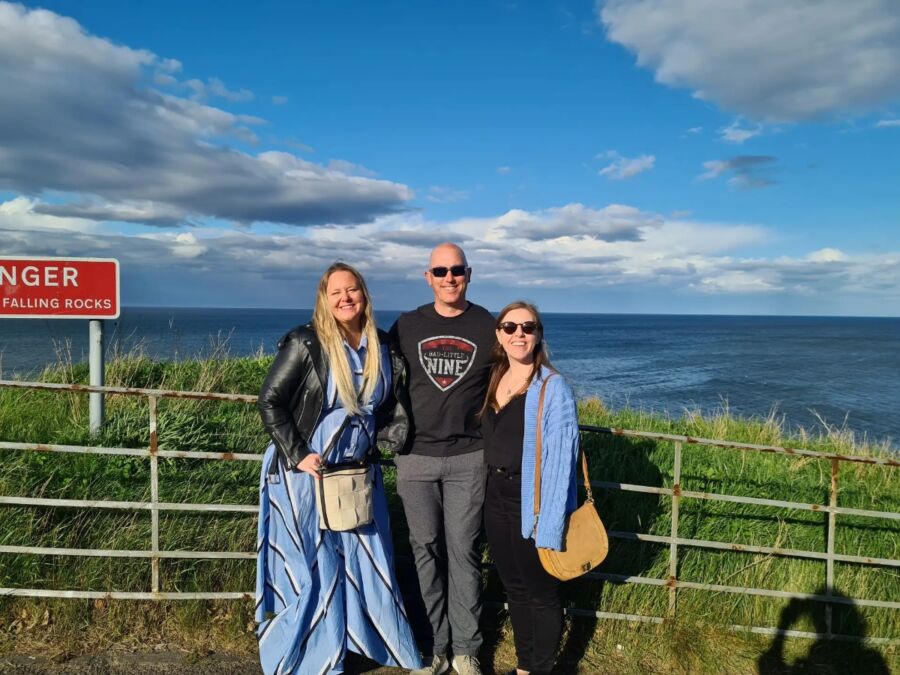
A standard St Andrews town guided walking tour is a scheduled group experience. You join a pre-arranged tour that operates at set times, often once or twice a day.
The group size can vary, typically accommodating between 15 and 25 people. You meet your guide at a central, public location like the St Andrews Cathedral gate or the tourist information center.
The guide leads the entire group along a fixed route, sharing a scripted narrative about the town’s history, its university, and its famous golf links. The content is consistent for every tour.
A private St Andrews town guided walking tour is an exclusive booking for you and your chosen companions. You are the only participants. Instead of a fixed schedule, you arrange the tour’s start time directly with the guide or tour company.
The meeting point is often flexible, sometimes at your hotel or another convenient spot. The guide tailors the experience to your interests, whether you want to spend more time discussing the Reformation or tracing specific golf history. The route itself can be adjusted based on your preferences.
Cost and Value Comparison
The price difference between these tours is the most concrete factor. A spot on a standard group walking tour in St Andrews costs between £15 and £25 per person.
This fee is straightforward and paid in advance online or in cash to the guide. A private guided tour operates on a different pricing model.
You pay a flat fee for the guide’s exclusive time, which typically ranges from £150 to £250 for a two-hour tour, regardless of your group’s size. This means the per-person cost drops significantly if you are a family of four or a small group of friends.
You must assess what you get for each price. The group tour offers a low-cost entry point to learn the town’s history. The private tour is a premium product.
You pay for customization, direct access to the guide for questions, and the ability to set your own pace. For solo travelers or couples, the private tour is a significant investment. For a group of six, the per-person cost becomes comparable to the group tour, but with a vastly more personalized experience.
See Related: Best Cities in Europe to Enjoy Winter Without the Crowds
Group Size and Social Dynamics
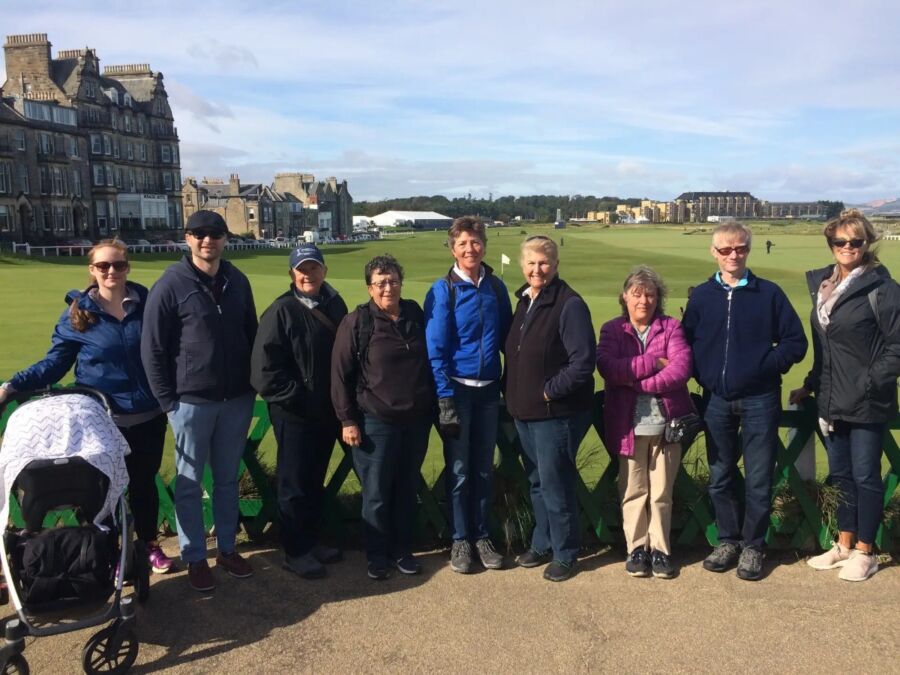
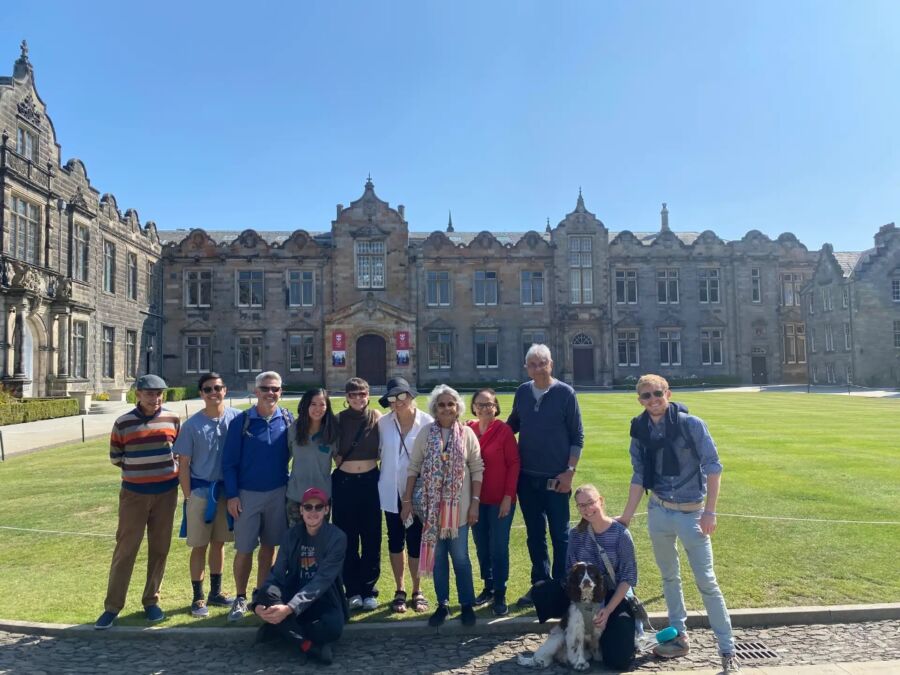
The social environment on each tour creates a different atmosphere. On a standard tour, you are part of a crowd. This can be a positive if you enjoy meeting other travelers and hearing their questions.
However, a larger group has practical drawbacks. You might struggle to hear the guide if you are at the back, especially on a windy day near the coast.
Taking photographs without strangers in the frame requires timing. The group moves at the pace of its slowest member, and you cannot easily ask the guide to linger at a site that personally interests you.
A private tour eliminates these social variables. The experience is intimate and focused.
You can hear every word without straining. You can stop for as many photos as you want. If you become fascinated by a detail at St Salvator’s Quadrangle, you can spend extra time there without feeling rushed.
The tour becomes a conversation rather than a lecture. This dynamic is ideal for travelers with specific mobility considerations, families with young children who may need breaks, or anyone who prefers a more contemplative exploration.
Customization and Flexibility
Customization is the defining feature of a private tour. A group tour follows a set itinerary designed to appeal to the broadest audience. The guide has a timed schedule to keep.
If you have a deep interest in medieval history, the tour will only briefly touch on it before moving to the next topic. A private guide can reshape the entire tour around your passions. You can request a deeper focus on the University of St Andrews, the history of golf, ecclesiastical architecture, or even film locations.
This flexibility extends to logistics. You can often arrange a start time that fits your schedule, whether that’s a morning tour before the crowds or a late afternoon walk.
The route can be adjusted for accessibility, avoiding steep hills or focusing on paved pathways. If you want to incorporate a coffee break or end the tour at a specific restaurant for lunch, a private guide can facilitate that. The standard tour offers no such adjustments; you adhere to its published time and path.
See Related: Affordable Places to Retire in Europe (You’ve Never Thought About!)
Booking Process and Logistics
Booking each type of tour involves different steps. For a standard group tour, you typically book online through a platform like Viator or directly on a local operator’s website.
You select a date and time from a fixed calendar, purchase individual tickets, and receive a confirmation email with the meeting point details. You are expected to arrive 10 minutes early. These tours can sell out, especially during the summer months and around major golf tournaments, so booking a few days in advance is advised.
Booking a private tour requires direct communication. You contact a guide or company via email or a booking form on their website. You discuss your preferred date, start time, group size, and any special interests.
The guide will confirm their availability and provide a firm quote. Payment is usually arranged via bank transfer or a secure online payment link.
This process is less instant but allows for a dialogue to ensure the tour is designed to your specifications. It is recommended to book a private tour several weeks in advance to secure your preferred guide.
Depth of Information and Guide Interaction
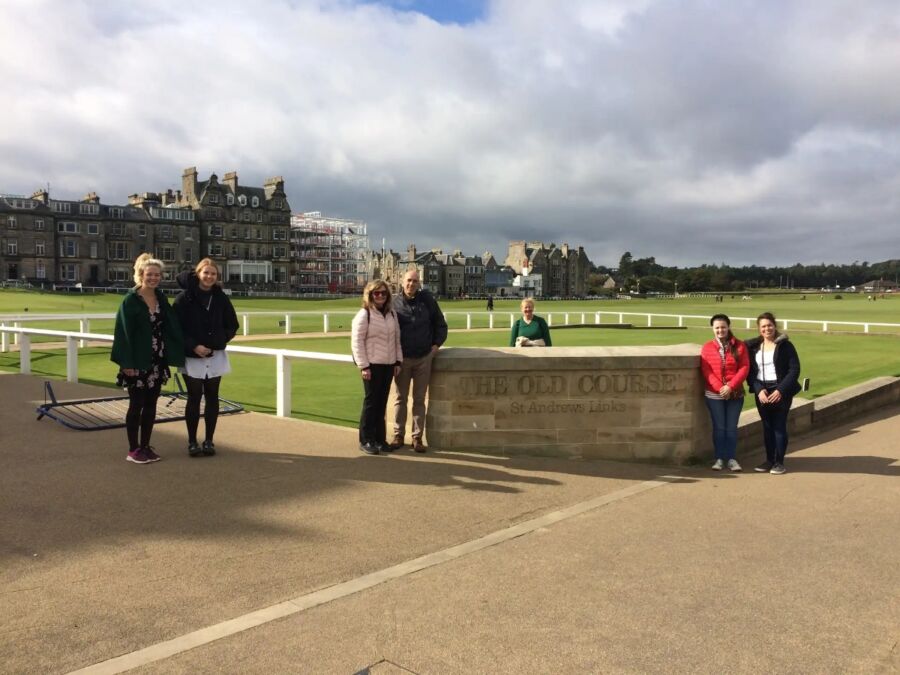
Both tours are led by knowledgeable guides, but the nature of your interaction changes. On a group tour, the guide delivers a well-rehearsed presentation.
The information is accurate and engaging, but it is a one-way flow. You can ask questions, but time constraints may limit lengthy discussions. The guide must keep the entire group engaged and on schedule.
Your access to the guide on a private tour is total. The experience is a two-way dialogue. You can interrupt with questions, ask for clarifications, and steer the conversation toward what intrigues you.
Guides often have specialized knowledge; you might discover your guide is an expert on Scottish Reformation history or a lifelong golf enthusiast. This allows for a much deeper and more nuanced understanding of St Andrews than the general overview provided on a group tour. You are not just learning history; you are having a conversation about it.
See Related: Best Places to Visit in Europe This Year
Ideal Choice For Different Travelers
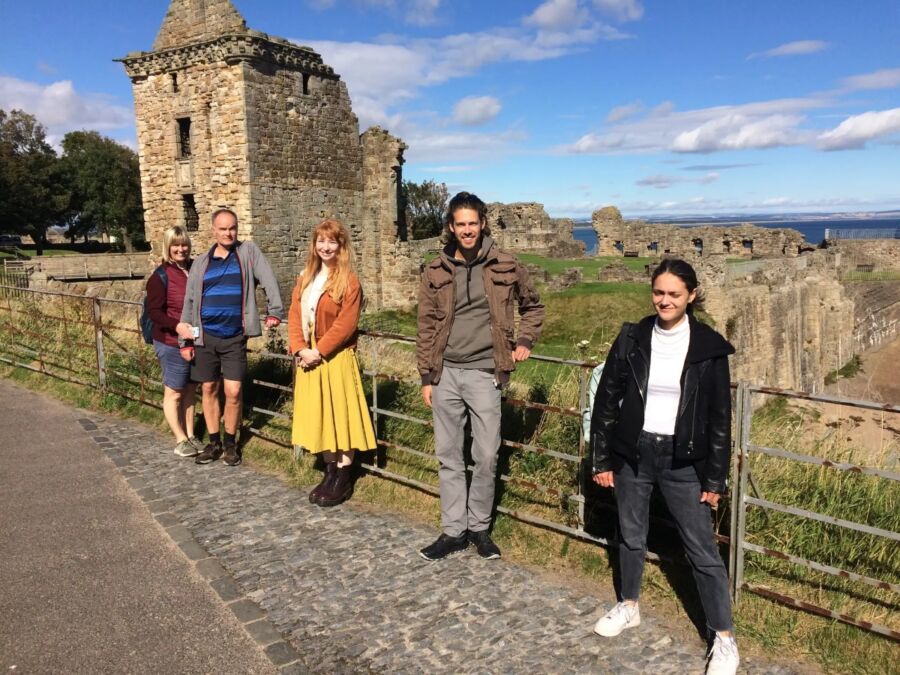
Your personal travel circumstances will point you toward the best option. The standard group walking tour is ideal for solo travelers, couples, and budget-conscious visitors.
It is efficient and social. If you are content with a broad overview of the town and enjoy the energy of a group, this tour provides excellent value. It is also a good spontaneous choice if you decide on a tour with only a day or two of notice.
The private tour is better suited for families, small groups, and special occasions. If you are celebrating an anniversary or a graduation, the private experience feels more exclusive. Families appreciate the ability to set a child-friendly pace.
Travelers with a specific academic or niche interest will get far more out of a customized tour. Photographers often prefer private tours for the freedom to stop and compose shots without holding up a group. Ultimately, the choice hinges on whether you prioritize budget and socializing or personalization and depth.
Book Your Dream Experience
More Travel Guides
Explore These Destinations
Related Posts