
Zuhl Museum: Home of the Zuhl Collection
About Zuhl Museum: Home of the Zuhl Collection
Description
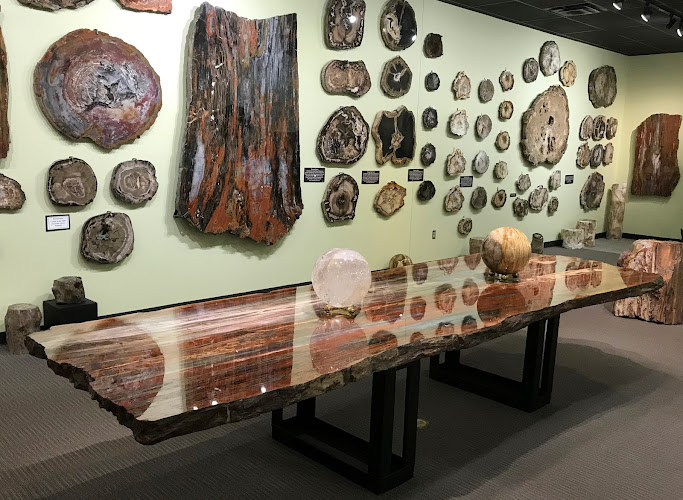
The Zuhl Museum, often called the place where rocks come alive, is one of those rare gems that surprises most travelers who stumble upon it in southern New Mexico. Part art gallery, part natural history showcase, it holds over 1,800 specimens of petrified wood, fossils, and minerals. And not just any specimens – we’re talking about world-class pieces that span millions (actually, billions) of years of Earth’s history. From a 3.5-billion-year-old banded iron formation from Australia to massive slabs of polished petrified wood that look like artwork, the collection is both scientific and artistic. It’s the kind of place where you can walk in knowing nothing about geology and walk out feeling like you’ve just peeked into the Earth’s diary.
What makes the museum stand out is how approachable it feels. It’s not intimidating, and you don’t need a geology degree to enjoy it. Families, school groups, and curious travelers all find something to marvel at here. The atmosphere is calm, educational, and a bit awe-inspiring. And while the displays are polished (literally and figuratively), they don’t feel sterile. There’s a warmth to the way the exhibits are presented—like someone really wanted to share their passion for the natural world with you. That’s probably because the collection started as a personal passion project by Herb and Joan Zuhl before becoming a gift to the university and the public.
Most visitors leave impressed, often saying they didn’t expect to spend as much time as they did. Sure, there are a few who might find it smaller than they imagined, but the overwhelming feeling is one of delight. It’s the kind of museum where you can linger, get lost in the textures and colors of ancient wood turned to stone, and maybe even have that moment of “wow, this stuff is older than humanity itself.”
Key Features
- One of the largest collections of petrified wood on display in the United States
- Fossils and minerals from around the world, some dating back billions of years
- Free admission, making it accessible to all travelers
- Wheelchair accessible entrance, restrooms, and parking
- Family-friendly environment with exhibits that fascinate both kids and adults
- Guided tours available for visitors who want deeper insight
- Gender-neutral restrooms and a safe, inclusive environment
- On-site parking and Wi-Fi for convenience
Best Time to Visit
Since the museum is indoors, it’s a year-round destination. That said, if you’re traveling through southern New Mexico, the cooler months from October through April make the whole trip more comfortable. The desert sun can be relentless in summer, and while the museum itself is air-conditioned, you’ll probably want to explore the surrounding area too. Weekdays tend to be quieter, which makes it easier to take your time at the exhibits without feeling rushed. If you enjoy a bit of buzz, visiting on a weekend or during one of their special open-house events adds a livelier vibe. Personally, I like going on a weekday morning—it feels almost like having the place to yourself.
How to Get There
The museum sits within the New Mexico State University campus in Las Cruces, which makes it easy to reach if you’re already in the city. If you’re driving, on-site parking is available, and it’s straightforward to find with campus signage. For those flying in, the nearest major airport is in El Paso, Texas, about an hour’s drive away. From there, renting a car is the most convenient option, especially if you plan to explore other attractions in the area like White Sands National Park. Public transportation in Las Cruces is limited, so having your own wheels is the best bet. And honestly, the drive through the desert landscape is part of the fun—it sets the mood for seeing rocks that have been around since before dinosaurs walked the Earth.
Tips for Visiting
Here’s the thing: don’t rush. Even though the museum isn’t massive, the details in the specimens are what make it special. Take your time to notice the colors in the petrified wood or the intricate patterns in the fossils. If you’re bringing kids, encourage them to ask questions—the staff and guides are friendly and love to share stories. I once overheard a guide explaining how a log turned into stone over millions of years, and the kids were wide-eyed like they’d just been told a magic trick.
Photography is allowed, so bring your camera or phone, but be mindful of reflections on the polished specimens. If you’re a geology buff, you might want to check in advance about guided tours—they add a lot of context that you won’t get just by reading the signs. And here’s a practical tip: wear comfortable shoes. You’ll be standing and walking slowly as you explore, and it makes a difference. Also, since admission is free, consider leaving a donation if you enjoyed your visit. It helps keep places like this thriving for future travelers.
Lastly, pair your visit with other nearby attractions. Las Cruces has a charming downtown with local restaurants and shops, and the Organ Mountains are just a short drive away if you’re craving some outdoor adventure after your museum visit. It makes for a well-rounded day: a little science, a little art, and a whole lot of New Mexico scenery.
Key Features
- One of the largest collections of petrified wood on display in the United States
- Fossils and minerals from around the world, some dating back billions of years
- Free admission, making it accessible to all travelers
- Wheelchair accessible entrance, restrooms, and parking
- Family-friendly environment with exhibits that fascinate both kids and adults
- Guided tours available for visitors who want deeper insight
- Gender-neutral restrooms and a safe, inclusive environment
- On-site parking and Wi-Fi for convenience
More Details
Updated September 9, 2025
Table of Contents
- Description
- Key Features
- Best Time to Visit
- How to Get There
- Tips for Visiting
- Key Highlights
- Location
- Places to Stay Near Zuhl Museum: Home of the Zuhl Collection
- Find and Book a Tour
- Explore More Travel Guides
- Nearby Places You Might Like
- Traveler Reviews for Zuhl Museum: Home of the Zuhl Collection
- Share Your Experience
Description
The Zuhl Museum, often called the place where rocks come alive, is one of those rare gems that surprises most travelers who stumble upon it in southern New Mexico. Part art gallery, part natural history showcase, it holds over 1,800 specimens of petrified wood, fossils, and minerals. And not just any specimens – we’re talking about world-class pieces that span millions (actually, billions) of years of Earth’s history. From a 3.5-billion-year-old banded iron formation from Australia to massive slabs of polished petrified wood that look like artwork, the collection is both scientific and artistic. It’s the kind of place where you can walk in knowing nothing about geology and walk out feeling like you’ve just peeked into the Earth’s diary.
What makes the museum stand out is how approachable it feels. It’s not intimidating, and you don’t need a geology degree to enjoy it. Families, school groups, and curious travelers all find something to marvel at here. The atmosphere is calm, educational, and a bit awe-inspiring. And while the displays are polished (literally and figuratively), they don’t feel sterile. There’s a warmth to the way the exhibits are presented—like someone really wanted to share their passion for the natural world with you. That’s probably because the collection started as a personal passion project by Herb and Joan Zuhl before becoming a gift to the university and the public.
Most visitors leave impressed, often saying they didn’t expect to spend as much time as they did. Sure, there are a few who might find it smaller than they imagined, but the overwhelming feeling is one of delight. It’s the kind of museum where you can linger, get lost in the textures and colors of ancient wood turned to stone, and maybe even have that moment of “wow, this stuff is older than humanity itself.”
Key Features
- One of the largest collections of petrified wood on display in the United States
- Fossils and minerals from around the world, some dating back billions of years
- Free admission, making it accessible to all travelers
- Wheelchair accessible entrance, restrooms, and parking
- Family-friendly environment with exhibits that fascinate both kids and adults
- Guided tours available for visitors who want deeper insight
- Gender-neutral restrooms and a safe, inclusive environment
- On-site parking and Wi-Fi for convenience
Best Time to Visit
Since the museum is indoors, it’s a year-round destination. That said, if you’re traveling through southern New Mexico, the cooler months from October through April make the whole trip more comfortable. The desert sun can be relentless in summer, and while the museum itself is air-conditioned, you’ll probably want to explore the surrounding area too. Weekdays tend to be quieter, which makes it easier to take your time at the exhibits without feeling rushed. If you enjoy a bit of buzz, visiting on a weekend or during one of their special open-house events adds a livelier vibe. Personally, I like going on a weekday morning—it feels almost like having the place to yourself.
How to Get There
The museum sits within the New Mexico State University campus in Las Cruces, which makes it easy to reach if you’re already in the city. If you’re driving, on-site parking is available, and it’s straightforward to find with campus signage. For those flying in, the nearest major airport is in El Paso, Texas, about an hour’s drive away. From there, renting a car is the most convenient option, especially if you plan to explore other attractions in the area like White Sands National Park. Public transportation in Las Cruces is limited, so having your own wheels is the best bet. And honestly, the drive through the desert landscape is part of the fun—it sets the mood for seeing rocks that have been around since before dinosaurs walked the Earth.
Tips for Visiting
Here’s the thing: don’t rush. Even though the museum isn’t massive, the details in the specimens are what make it special. Take your time to notice the colors in the petrified wood or the intricate patterns in the fossils. If you’re bringing kids, encourage them to ask questions—the staff and guides are friendly and love to share stories. I once overheard a guide explaining how a log turned into stone over millions of years, and the kids were wide-eyed like they’d just been told a magic trick.
Photography is allowed, so bring your camera or phone, but be mindful of reflections on the polished specimens. If you’re a geology buff, you might want to check in advance about guided tours—they add a lot of context that you won’t get just by reading the signs. And here’s a practical tip: wear comfortable shoes. You’ll be standing and walking slowly as you explore, and it makes a difference. Also, since admission is free, consider leaving a donation if you enjoyed your visit. It helps keep places like this thriving for future travelers.
Lastly, pair your visit with other nearby attractions. Las Cruces has a charming downtown with local restaurants and shops, and the Organ Mountains are just a short drive away if you’re craving some outdoor adventure after your museum visit. It makes for a well-rounded day: a little science, a little art, and a whole lot of New Mexico scenery.
Key Highlights
- One of the largest collections of petrified wood on display in the United States
- Fossils and minerals from around the world, some dating back billions of years
- Free admission, making it accessible to all travelers
- Wheelchair accessible entrance, restrooms, and parking
- Family-friendly environment with exhibits that fascinate both kids and adults
- Guided tours available for visitors who want deeper insight
- Gender-neutral restrooms and a safe, inclusive environment
- On-site parking and Wi-Fi for convenience
Location
Places to Stay Near Zuhl Museum: Home of the Zuhl Collection
Find and Book a Tour
Explore More Travel Guides
No reviews found! Be the first to review!
Traveler Reviews for Zuhl Museum: Home of the Zuhl Collection
There are no reviews yet. Be the first one to write one.
Have you visited Zuhl Museum: Home of the Zuhl Collection? Help other travelers by sharing your review.
You Might Also Like

Veteran's Memorial Park

Chihuahuan Desert Nature Park
Amaro Winery LLC
Find Accommodations Nearby
Recommended Tours & Activities
Visitor Reviews
There are no reviews yet. Be the first one to write one.
Share Your Experience
Have you visited Zuhl Museum: Home of the Zuhl Collection? Help other travelers by leaving a review.