
Zonguldak Mining Museum
About Zonguldak Mining Museum
Description
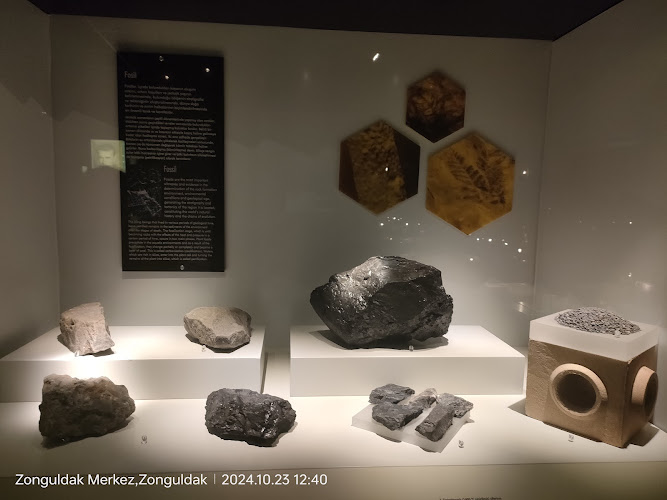
The Zonguldak Mining Museum sits in the Çınartepe area of Zonguldak and presents one of Turkey's most honest, rugged museum experiences. It is a museum about coal, people, machines and the long, often dangerous relationship between a city and the underground that sustained it. The museum displays mining equipment, historical photographs, miners' clothing, maps, models of mine galleries and—most importantly—stories. Visitors will learn not just how coal was extracted, but how whole neighborhoods, traditions and family rhythms were shaped by work that took place far beneath the surface.
The museum keeps a straightforward, almost unvarnished presentation style. Exhibits favor original artifacts over shiny reconstructions; you will see heavy boots with worn soles, hand-dented lamps, and rusted tools that still seem to carry fingerprints. For travelers who prefer authentic over theatrical, this is a big plus. The narrative pays attention to labor history, health and safety evolution, and local culture—so it slips naturally between technical interest and human drama.
The Zonguldak Mining Museum has been developed with accessibility in mind. There is a wheelchair accessible entrance, parking and restroom, which is a rare and welcome detail for a site focusing on industrial heritage. But visitors should know: the museum does not offer an on-site restaurant. So plan snacks or a meal before or after the visit. There is free parking, which makes access easier for those driving in from the coast or inland routes.
As a place, the museum has a friendly, slightly lived-in atmosphere—think of a neighborhood uncle telling long stories: not polished, but memorably real. The exhibits are curated to let the objects speak; text panels give context, but much of the emotional pull comes from artifacts and the spatial feel. The museum is good for families and children—the displays are tangible and relatable—yet it also resonates deeply with historians, engineers, and anyone curious about how landscapes are transformed by industry.
In short: the Zonguldak Mining Museum is less about spectacle and more about substance. It’s for people who like to come away with a clearer sense of how work and place shape each other. It will not wow you with flashy multimedia, but it will teach you things, make you think, and, often, touch you.
Key Features
- Authentic mining artifacts: original lamps, tools, helmets, carts and machinery that give a tactile sense of coal mining life
- Historical exhibits covering the local coal industry, miner lifestyles, and the social history of Zonguldak
- Educational displays suitable for children—interactive elements and hands-on-able objects that help explain mining processes
- Wheelchair accessible entrance, parking and restroom to accommodate mobility needs
- Free parking lot for visitors arriving by car
- No on-site restaurant, but nearby cafes and snack options in the neighborhood
- Explanatory panels in multiple languages at major exhibits (check the reception for language availability)
- Photo-friendly displays—bring a camera; some of the old machines make great, gritty shots
- Short documentary screenings or oral-history recordings (when available) that convey miner voices and local memory
- Guided tour options at times—ask at reception for schedules or volunteer guides
Best Time to Visit
The best time to visit the Zonguldak Mining Museum largely depends on what the traveler wants out of the day. For quieter museum time and better opportunities to ask staff questions, weekday mornings are ideal. Weekends can be busy with families, local school groups, and tour groups, which can be lively and fun, but less intimate.
Seasons matter a bit. Late spring through early autumn offers mild weather for combining the museum visit with a walk around the port or a stop at local viewpoints. Winters in Zonguldak are wet and windy; the museum is indoor and cozy, so it can be a warm escape from a blustery day. But the author notes that winter visits sometimes coincide with school excursions, making galleries busier.
Plan to spend at least 90 minutes if one wants to read panels and browse slowly. Two hours gives breathing room to see everything, take photos, watch any short films, and absorb displays. If you’re in a rush, a well-paced 45–60 minute walk-through will still hit the highlights.
As a practical tip: check opening hours ahead of time. Some museums like this have seasonal hours or close on national holidays. Also, if a guided tour is important to you, call on a weekday before you travel—guided slots can be limited.
How to Get There
The Zonguldak Mining Museum is reachable from multiple starting points around the region. Visitors arriving by car will appreciate the free parking lot and accessible entrance; driving gives the most flexibility for combining the museum with other local sites. Public transport options include buses and minivans that serve Zonguldak city center—once in the central area, short local transport or a brisk walk will get visitors to the Çınartepe area where the museum sits.
If coming from nearby cities along the Black Sea coast, expect a coastal drive with scenic sections and occasional narrow stretches—allow for traffic and take breaks if needed. For travelers relying on public transit, consult the local bus schedules and give yourself extra travel time; connections can be less frequent than in larger Turkish cities.
Taxi or ride-hailing services in Zonguldak are a convenient option for those who prefer door-to-door travel. Taxis can also be useful for combining the museum trip with a visit to the port, old industrial sites, or local eateries. For the adventurous, walking from nearby neighborhoods is reasonable and offers a better sense of the city’s streetscapes and mining-related landmarks.
Tips for Visiting
Practical tips that matter. First: plan snacks or a meal. As noted, there is no restaurant on site. The author once showed up ravenously after a long morning of train travel—lesson learned. Bring water and a light snack, or plan to eat nearby.
Second: wear comfortable shoes. Some display areas have real mining surfaces and uneven flooring; for the tactile feel of the place, comfortable walking shoes will let you linger without hurting your feet. Also bring a jacket—museums with large open displays can feel cool, especially in winter.
Third: keep camera batteries charged. The museum is full of photo-worthy relics and textures—the metallic patina of machinery, laminated photographs, and the play of light on old lamps. Photographs are allowed in most sections, but always check signage and staff guidance for restricted areas.
Fourth: ask questions. Staff and volunteer guides are often local and can tell small stories that don’t appear on panels. The author remembers being told a vivid anecdote about a miner’s radio and how it became the neighborhood’s heartbeat during strikes—little human stories that make exhibits live.
Fifth: be mindful of younger visitors. The museum is kid-friendly, but some machines and displays have sharp edges or fragile elements. Keep children close and encourage hands-on, supervised interactions where allowed. The tactile parts that are safe can be the most memorable for a child—so bring patience and curiosity.
Sixth: accessibility is actually taken seriously here. If mobility is a concern, the accessible entrance, parking and restroom make the visit feasible for many visitors. Still, call ahead for specific needs; staff can advise on elevator access, slope gradients, or alternative routes within the museum.
Seventh: time your visit with other local curios. Zonguldak’s coastal scenery, small cafés, and industrial heritage spots pair well with the museum. Combining a museum visit with a stroll along the harbor or a stop at a neighborhood bakery creates a fuller day without rushing.
Finally: respect the human stories. Mining history contains hardship and resilience. Exhibits honor people who worked underground, their families and communities. Visitors are encouraged to approach displays with curiosity and empathy; this is not just machinery, it is lived experience carved into metal and fabric.
Small extra notes: budget around 90–120 minutes for a satisfying visit; bring some local cash for small donations if you’re inclined to support upkeep; and check if any temporary exhibitions or events coincide with your visit—those often bring fresh material and sometimes local speakers.
All in all, the Zonguldak Mining Museum is a compact, well-curated stop for travelers interested in industrial history, social memory, and the peculiar poetry of places that grew by digging down. It’s not loud or flashy. But it’s honest. And sometimes that’s exactly what a traveler wants—the feeling of learning something real, something that sticks with you when you step back out into the light.
Key Features
- Authentic mining artifacts: original lamps, tools, helmets, carts and machinery that give a tactile sense of coal mining life
- Historical exhibits covering the local coal industry, miner lifestyles, and the social history of Zonguldak
- Educational displays suitable for children—interactive elements and hands-on-able objects that help explain mining processes
- Wheelchair accessible entrance, parking and restroom to accommodate mobility needs
- Free parking lot for visitors arriving by car
- No on-site restaurant, but nearby cafes and snack options in the neighborhood
- Explanatory panels in multiple languages at major exhibits (check the reception for language availability)
- Photo-friendly displays—bring a camera; some of the old machines make great, gritty shots
More Details
Updated August 30, 2025
Table of Contents
Description
The Zonguldak Mining Museum sits in the Çınartepe area of Zonguldak and presents one of Turkey’s most honest, rugged museum experiences. It is a museum about coal, people, machines and the long, often dangerous relationship between a city and the underground that sustained it. The museum displays mining equipment, historical photographs, miners’ clothing, maps, models of mine galleries and—most importantly—stories. Visitors will learn not just how coal was extracted, but how whole neighborhoods, traditions and family rhythms were shaped by work that took place far beneath the surface.
The museum keeps a straightforward, almost unvarnished presentation style. Exhibits favor original artifacts over shiny reconstructions; you will see heavy boots with worn soles, hand-dented lamps, and rusted tools that still seem to carry fingerprints. For travelers who prefer authentic over theatrical, this is a big plus. The narrative pays attention to labor history, health and safety evolution, and local culture—so it slips naturally between technical interest and human drama.
The Zonguldak Mining Museum has been developed with accessibility in mind. There is a wheelchair accessible entrance, parking and restroom, which is a rare and welcome detail for a site focusing on industrial heritage. But visitors should know: the museum does not offer an on-site restaurant. So plan snacks or a meal before or after the visit. There is free parking, which makes access easier for those driving in from the coast or inland routes.
As a place, the museum has a friendly, slightly lived-in atmosphere—think of a neighborhood uncle telling long stories: not polished, but memorably real. The exhibits are curated to let the objects speak; text panels give context, but much of the emotional pull comes from artifacts and the spatial feel. The museum is good for families and children—the displays are tangible and relatable—yet it also resonates deeply with historians, engineers, and anyone curious about how landscapes are transformed by industry.
In short: the Zonguldak Mining Museum is less about spectacle and more about substance. It’s for people who like to come away with a clearer sense of how work and place shape each other. It will not wow you with flashy multimedia, but it will teach you things, make you think, and, often, touch you.
Key Features
- Authentic mining artifacts: original lamps, tools, helmets, carts and machinery that give a tactile sense of coal mining life
- Historical exhibits covering the local coal industry, miner lifestyles, and the social history of Zonguldak
- Educational displays suitable for children—interactive elements and hands-on-able objects that help explain mining processes
- Wheelchair accessible entrance, parking and restroom to accommodate mobility needs
- Free parking lot for visitors arriving by car
- No on-site restaurant, but nearby cafes and snack options in the neighborhood
- Explanatory panels in multiple languages at major exhibits (check the reception for language availability)
- Photo-friendly displays—bring a camera; some of the old machines make great, gritty shots
- Short documentary screenings or oral-history recordings (when available) that convey miner voices and local memory
- Guided tour options at times—ask at reception for schedules or volunteer guides
Best Time to Visit
The best time to visit the Zonguldak Mining Museum largely depends on what the traveler wants out of the day. For quieter museum time and better opportunities to ask staff questions, weekday mornings are ideal. Weekends can be busy with families, local school groups, and tour groups, which can be lively and fun, but less intimate.
Seasons matter a bit. Late spring through early autumn offers mild weather for combining the museum visit with a walk around the port or a stop at local viewpoints. Winters in Zonguldak are wet and windy; the museum is indoor and cozy, so it can be a warm escape from a blustery day. But the author notes that winter visits sometimes coincide with school excursions, making galleries busier.
Plan to spend at least 90 minutes if one wants to read panels and browse slowly. Two hours gives breathing room to see everything, take photos, watch any short films, and absorb displays. If you’re in a rush, a well-paced 45–60 minute walk-through will still hit the highlights.
As a practical tip: check opening hours ahead of time. Some museums like this have seasonal hours or close on national holidays. Also, if a guided tour is important to you, call on a weekday before you travel—guided slots can be limited.
How to Get There
The Zonguldak Mining Museum is reachable from multiple starting points around the region. Visitors arriving by car will appreciate the free parking lot and accessible entrance; driving gives the most flexibility for combining the museum with other local sites. Public transport options include buses and minivans that serve Zonguldak city center—once in the central area, short local transport or a brisk walk will get visitors to the Çınartepe area where the museum sits.
If coming from nearby cities along the Black Sea coast, expect a coastal drive with scenic sections and occasional narrow stretches—allow for traffic and take breaks if needed. For travelers relying on public transit, consult the local bus schedules and give yourself extra travel time; connections can be less frequent than in larger Turkish cities.
Taxi or ride-hailing services in Zonguldak are a convenient option for those who prefer door-to-door travel. Taxis can also be useful for combining the museum trip with a visit to the port, old industrial sites, or local eateries. For the adventurous, walking from nearby neighborhoods is reasonable and offers a better sense of the city’s streetscapes and mining-related landmarks.
Tips for Visiting
Practical tips that matter. First: plan snacks or a meal. As noted, there is no restaurant on site. The author once showed up ravenously after a long morning of train travel—lesson learned. Bring water and a light snack, or plan to eat nearby.
Second: wear comfortable shoes. Some display areas have real mining surfaces and uneven flooring; for the tactile feel of the place, comfortable walking shoes will let you linger without hurting your feet. Also bring a jacket—museums with large open displays can feel cool, especially in winter.
Third: keep camera batteries charged. The museum is full of photo-worthy relics and textures—the metallic patina of machinery, laminated photographs, and the play of light on old lamps. Photographs are allowed in most sections, but always check signage and staff guidance for restricted areas.
Fourth: ask questions. Staff and volunteer guides are often local and can tell small stories that don’t appear on panels. The author remembers being told a vivid anecdote about a miner’s radio and how it became the neighborhood’s heartbeat during strikes—little human stories that make exhibits live.
Fifth: be mindful of younger visitors. The museum is kid-friendly, but some machines and displays have sharp edges or fragile elements. Keep children close and encourage hands-on, supervised interactions where allowed. The tactile parts that are safe can be the most memorable for a child—so bring patience and curiosity.
Sixth: accessibility is actually taken seriously here. If mobility is a concern, the accessible entrance, parking and restroom make the visit feasible for many visitors. Still, call ahead for specific needs; staff can advise on elevator access, slope gradients, or alternative routes within the museum.
Seventh: time your visit with other local curios. Zonguldak’s coastal scenery, small cafés, and industrial heritage spots pair well with the museum. Combining a museum visit with a stroll along the harbor or a stop at a neighborhood bakery creates a fuller day without rushing.
Finally: respect the human stories. Mining history contains hardship and resilience. Exhibits honor people who worked underground, their families and communities. Visitors are encouraged to approach displays with curiosity and empathy; this is not just machinery, it is lived experience carved into metal and fabric.
Small extra notes: budget around 90–120 minutes for a satisfying visit; bring some local cash for small donations if you’re inclined to support upkeep; and check if any temporary exhibitions or events coincide with your visit—those often bring fresh material and sometimes local speakers.
All in all, the Zonguldak Mining Museum is a compact, well-curated stop for travelers interested in industrial history, social memory, and the peculiar poetry of places that grew by digging down. It’s not loud or flashy. But it’s honest. And sometimes that’s exactly what a traveler wants—the feeling of learning something real, something that sticks with you when you step back out into the light.
Key Highlights
- Authentic mining artifacts: original lamps, tools, helmets, carts and machinery that give a tactile sense of coal mining life
- Historical exhibits covering the local coal industry, miner lifestyles, and the social history of Zonguldak
- Educational displays suitable for children—interactive elements and hands-on-able objects that help explain mining processes
- Wheelchair accessible entrance, parking and restroom to accommodate mobility needs
- Free parking lot for visitors arriving by car
- No on-site restaurant, but nearby cafes and snack options in the neighborhood
- Explanatory panels in multiple languages at major exhibits (check the reception for language availability)
- Photo-friendly displays—bring a camera; some of the old machines make great, gritty shots
Location
Places to Stay Near Zonguldak Mining Museum
Find and Book a Tour
Explore More Travel Guides
No reviews found! Be the first to review!
Traveler Reviews for Zonguldak Mining Museum
There are no reviews yet. Be the first one to write one.
Have you visited Zonguldak Mining Museum? Help other travelers by sharing your review.
You Might Also Like

Samandere Waterfall

Old Tarsus Houses
Bayezid Paşa Camii
Find Accommodations Nearby
Recommended Tours & Activities
Visitor Reviews
There are no reviews yet. Be the first one to write one.
Share Your Experience
Have you visited Zonguldak Mining Museum? Help other travelers by leaving a review.