About Zona Arqueológica Teopanzolco

Description

Teopanzolco Archaeological Zone is one of those places that quietly takes your breath away—not because it’s grand or flashy, but because it whispers stories of an ancient world right in the middle of modern Cuernavaca. Imagine standing on a hill that was once a lava flow, surrounded by city life, and realizing that centuries ago, this same spot was sacred ground for the Tlahuica people, long before the Mexica (Aztecs) came into power. It’s a surreal blend of past and present, where history feels alive under the warm sun and the hum of the city hums just beyond the ruins.

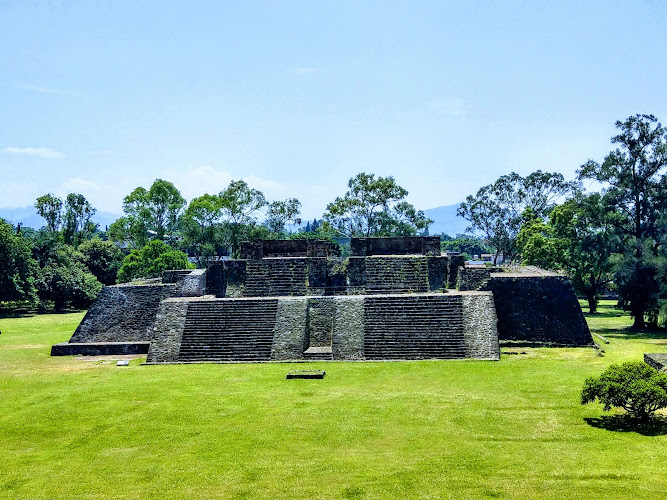
The site dates back to the 13th century and showcases the remains of a pre-Hispanic ceremonial center. The main pyramid, built on a sloping stone platform, is the heart of Teopanzolco. It’s believed to have been dedicated to Tlaloc and Huitzilopochtli—two major deities in the Mexica pantheon. The design of the temples, with twin staircases leading up to separate shrines, reflects the architectural style later seen in the Templo Mayor of Tenochtitlán. In other words, Teopanzolco gives visitors a glimpse into the architectural evolution that would define an empire.

Walking around the site, you’ll notice smaller altars and platforms scattered nearby. Some are partially restored, others left in their original state—rugged, weathered, and quietly dignified. There’s something humbling about running your hand along those ancient stones, thinking about the people who once gathered here for rituals, offerings, and maybe even celebrations. It’s not a massive site, but it’s rich in atmosphere and authenticity. And honestly, that’s what makes it special. You can take it all in without feeling rushed or overwhelmed.

There’s a small interpretation area that provides context about the Tlahuica culture, their daily life, and how they fit into the larger story of Mesoamerica. What’s particularly fascinating is how Teopanzolco lost prominence when Cuauhnahuac (modern Cuernavaca) grew under Mexica rule around 1427. The people here were absorbed into the empire but left behind this sacred space—a reminder of their identity and spiritual traditions. It’s that quiet persistence of culture that makes Teopanzolco more than just ruins; it’s a symbol of continuity and resilience.

Sure, some visitors might say it’s not as impressive as Teotihuacán or Chichén Itzá, and that’s fair. But Teopanzolco has a certain intimacy those larger sites don’t. It’s approachable. You can wander slowly, take photos without a crowd in every frame, and really feel the energy of the place. The air here feels different—maybe it’s the altitude, maybe it’s the history—but it stays with you long after you leave.

Key Features

  • Main Pyramid: A double-temple structure dedicated to Tlaloc and Huitzilopochtli, showcasing early Aztec architectural influence.
  • Secondary Platforms and Altars: Smaller ceremonial areas used for offerings and community rituals.
  • Panoramic Views: Elevated position offering a scenic overlook of Cuernavaca’s lush landscape and modern skyline.
  • Interpretation Area: Informative displays explaining the Tlahuica culture and their connection to the Mexica Empire.
  • Accessibility: Wheelchair-accessible entrance and pathways, making it inclusive for all visitors.
  • Parking: Free street parking available nearby, convenient for independent travelers.

One of the underrated joys of visiting Teopanzolco is how peaceful it feels. You can hear birds, the rustle of trees, and occasionally the faint sound of traffic. It’s like time folds in on itself—you’re standing in a sacred space that’s somehow both ancient and modern. And if you’re into photography, the lighting here, especially around golden hour, is just stunning. The contrast between the dark volcanic stones and the soft, warm sky makes for some pretty unforgettable shots.

Best Time to Visit

Cuernavaca is famously called the “City of Eternal Spring,” and honestly, that nickname holds up. The weather is mild year-round, which means there’s really no bad time to visit Teopanzolco. That said, if you prefer cooler mornings and fewer crowds, aim for early weekdays between November and February. The air feels crisp, and the sunlight hits the stones just right for photos.

Spring (March to May) can be warmer, but it’s also when the surrounding trees are in full bloom, adding color and contrast to the gray stone structures. Summer brings occasional rain showers—short and refreshing, not the kind that ruins your plans. I’ve been caught in one before, and there’s something oddly magical about watching raindrops slide down centuries-old stones. Just bring a light jacket or umbrella, and you’ll be fine.

Late afternoons are another sweet spot. The site isn’t large, so you can explore it in under an hour, then sit for a while and watch the sun dip behind the hills. The fading light gives the ruins a golden hue that’s hard to describe—it’s one of those moments you have to see for yourself.

How to Get There

Getting to Teopanzolco is refreshingly easy, especially if you’re already in Cuernavaca. The site sits right within the city’s Vista Hermosa district, so you don’t need to trek into the wilderness or book a special tour. If you’re driving from Mexico City, it’s about a 90-minute trip south along the Mexico–Cuernavaca highway. The drive itself is quite scenic—rolling hills, patches of forest, and the occasional roadside stand selling tamales or fresh fruit. (I always stop for the tamarind candy; it’s a personal weakness.)

Once in Cuernavaca, local taxis and ride-share apps can drop you off right at the entrance. Public buses also run routes nearby if you’re traveling on a budget, though they can be a bit tricky to navigate without some Spanish. For those who prefer walking, the site is within a reasonable distance from several hotels and restaurants in the city center. Just wear comfortable shoes—the streets can be uneven in places.

Parking is free and generally easy to find on nearby streets. If you’re visiting on a weekend or holiday, it’s best to arrive early since locals also enjoy exploring the site or attending cultural events occasionally hosted there.

Tips for Visiting

Here’s the thing about Teopanzolco—it’s not a massive archaeological complex, so your experience depends a lot on how you approach it. If you rush through, you’ll miss the subtle details that make it fascinating. Take your time. Walk slowly. Look at the way the stones fit together, the orientation of the temples, the view from the top of the main platform. It’s those small observations that make the visit memorable.

  • Arrive early: The morning light is perfect for photos, and it’s quieter before the midday visitors arrive.
  • Bring water and sunscreen: There’s not much shade, and Cuernavaca’s sun can be deceptively strong.
  • Wear comfortable shoes: The terrain is uneven in spots, and you’ll want good footing for exploring.
  • Take a local guide: If you’re into history, hiring a guide adds a lot of context. They often share stories you won’t find on the signs.
  • Respect the site: Remember, this isn’t just a tourist attraction—it’s sacred ground for many. Avoid climbing on restricted areas.
  • Check for events: Occasionally, the site hosts cultural performances or night tours that bring the ruins to life in a completely different way.

One last thing—don’t forget to just pause and take it all in. There’s a quiet energy here that’s hard to describe, almost like the stones themselves are humming with memory. I remember sitting near one of the smaller altars, just listening to the wind and thinking about how many generations have stood in that same spot. It’s humbling, really. You come for the history, but you leave with something deeper—a sense of connection to the land and the people who shaped it.

So, whether you’re a history buff, a casual traveler, or someone just looking for a peaceful escape from city noise, Teopanzolco is worth your time. It might not be the biggest or the most famous archaeological site in Mexico, but it’s one of the most quietly powerful. And that’s its magic—it doesn’t shout for attention; it simply waits for you to listen.

Key Features

  • Key Features
  • Best Time to Visit
  • How to Get There
  • Tips for Visiting

More Details

Updated December 1, 2025

Description

Teopanzolco Archaeological Zone is one of those places that quietly takes your breath away—not because it’s grand or flashy, but because it whispers stories of an ancient world right in the middle of modern Cuernavaca. Imagine standing on a hill that was once a lava flow, surrounded by city life, and realizing that centuries ago, this same spot was sacred ground for the Tlahuica people, long before the Mexica (Aztecs) came into power. It’s a surreal blend of past and present, where history feels alive under the warm sun and the hum of the city hums just beyond the ruins.

The site dates back to the 13th century and showcases the remains of a pre-Hispanic ceremonial center. The main pyramid, built on a sloping stone platform, is the heart of Teopanzolco. It’s believed to have been dedicated to Tlaloc and Huitzilopochtli—two major deities in the Mexica pantheon. The design of the temples, with twin staircases leading up to separate shrines, reflects the architectural style later seen in the Templo Mayor of Tenochtitlán. In other words, Teopanzolco gives visitors a glimpse into the architectural evolution that would define an empire.

Walking around the site, you’ll notice smaller altars and platforms scattered nearby. Some are partially restored, others left in their original state—rugged, weathered, and quietly dignified. There’s something humbling about running your hand along those ancient stones, thinking about the people who once gathered here for rituals, offerings, and maybe even celebrations. It’s not a massive site, but it’s rich in atmosphere and authenticity. And honestly, that’s what makes it special. You can take it all in without feeling rushed or overwhelmed.

There’s a small interpretation area that provides context about the Tlahuica culture, their daily life, and how they fit into the larger story of Mesoamerica. What’s particularly fascinating is how Teopanzolco lost prominence when Cuauhnahuac (modern Cuernavaca) grew under Mexica rule around 1427. The people here were absorbed into the empire but left behind this sacred space—a reminder of their identity and spiritual traditions. It’s that quiet persistence of culture that makes Teopanzolco more than just ruins; it’s a symbol of continuity and resilience.

Sure, some visitors might say it’s not as impressive as Teotihuacán or Chichén Itzá, and that’s fair. But Teopanzolco has a certain intimacy those larger sites don’t. It’s approachable. You can wander slowly, take photos without a crowd in every frame, and really feel the energy of the place. The air here feels different—maybe it’s the altitude, maybe it’s the history—but it stays with you long after you leave.

Key Features

  • Main Pyramid: A double-temple structure dedicated to Tlaloc and Huitzilopochtli, showcasing early Aztec architectural influence.
  • Secondary Platforms and Altars: Smaller ceremonial areas used for offerings and community rituals.
  • Panoramic Views: Elevated position offering a scenic overlook of Cuernavaca’s lush landscape and modern skyline.
  • Interpretation Area: Informative displays explaining the Tlahuica culture and their connection to the Mexica Empire.
  • Accessibility: Wheelchair-accessible entrance and pathways, making it inclusive for all visitors.
  • Parking: Free street parking available nearby, convenient for independent travelers.

One of the underrated joys of visiting Teopanzolco is how peaceful it feels. You can hear birds, the rustle of trees, and occasionally the faint sound of traffic. It’s like time folds in on itself—you’re standing in a sacred space that’s somehow both ancient and modern. And if you’re into photography, the lighting here, especially around golden hour, is just stunning. The contrast between the dark volcanic stones and the soft, warm sky makes for some pretty unforgettable shots.

Best Time to Visit

Cuernavaca is famously called the “City of Eternal Spring,” and honestly, that nickname holds up. The weather is mild year-round, which means there’s really no bad time to visit Teopanzolco. That said, if you prefer cooler mornings and fewer crowds, aim for early weekdays between November and February. The air feels crisp, and the sunlight hits the stones just right for photos.

Spring (March to May) can be warmer, but it’s also when the surrounding trees are in full bloom, adding color and contrast to the gray stone structures. Summer brings occasional rain showers—short and refreshing, not the kind that ruins your plans. I’ve been caught in one before, and there’s something oddly magical about watching raindrops slide down centuries-old stones. Just bring a light jacket or umbrella, and you’ll be fine.

Late afternoons are another sweet spot. The site isn’t large, so you can explore it in under an hour, then sit for a while and watch the sun dip behind the hills. The fading light gives the ruins a golden hue that’s hard to describe—it’s one of those moments you have to see for yourself.

How to Get There

Getting to Teopanzolco is refreshingly easy, especially if you’re already in Cuernavaca. The site sits right within the city’s Vista Hermosa district, so you don’t need to trek into the wilderness or book a special tour. If you’re driving from Mexico City, it’s about a 90-minute trip south along the Mexico–Cuernavaca highway. The drive itself is quite scenic—rolling hills, patches of forest, and the occasional roadside stand selling tamales or fresh fruit. (I always stop for the tamarind candy; it’s a personal weakness.)

Once in Cuernavaca, local taxis and ride-share apps can drop you off right at the entrance. Public buses also run routes nearby if you’re traveling on a budget, though they can be a bit tricky to navigate without some Spanish. For those who prefer walking, the site is within a reasonable distance from several hotels and restaurants in the city center. Just wear comfortable shoes—the streets can be uneven in places.

Parking is free and generally easy to find on nearby streets. If you’re visiting on a weekend or holiday, it’s best to arrive early since locals also enjoy exploring the site or attending cultural events occasionally hosted there.

Tips for Visiting

Here’s the thing about Teopanzolco—it’s not a massive archaeological complex, so your experience depends a lot on how you approach it. If you rush through, you’ll miss the subtle details that make it fascinating. Take your time. Walk slowly. Look at the way the stones fit together, the orientation of the temples, the view from the top of the main platform. It’s those small observations that make the visit memorable.

  • Arrive early: The morning light is perfect for photos, and it’s quieter before the midday visitors arrive.
  • Bring water and sunscreen: There’s not much shade, and Cuernavaca’s sun can be deceptively strong.
  • Wear comfortable shoes: The terrain is uneven in spots, and you’ll want good footing for exploring.
  • Take a local guide: If you’re into history, hiring a guide adds a lot of context. They often share stories you won’t find on the signs.
  • Respect the site: Remember, this isn’t just a tourist attraction—it’s sacred ground for many. Avoid climbing on restricted areas.
  • Check for events: Occasionally, the site hosts cultural performances or night tours that bring the ruins to life in a completely different way.

One last thing—don’t forget to just pause and take it all in. There’s a quiet energy here that’s hard to describe, almost like the stones themselves are humming with memory. I remember sitting near one of the smaller altars, just listening to the wind and thinking about how many generations have stood in that same spot. It’s humbling, really. You come for the history, but you leave with something deeper—a sense of connection to the land and the people who shaped it.

So, whether you’re a history buff, a casual traveler, or someone just looking for a peaceful escape from city noise, Teopanzolco is worth your time. It might not be the biggest or the most famous archaeological site in Mexico, but it’s one of the most quietly powerful. And that’s its magic—it doesn’t shout for attention; it simply waits for you to listen.

Key Highlights

  • Key Features
  • Best Time to Visit
  • How to Get There
  • Tips for Visiting

Location

Places to Stay Near Zona Arqueológica Teopanzolco

Find and Book a Tour

Explore More Travel Guides

No reviews found! Be the first to review!

Traveler Reviews for Zona Arqueológica Teopanzolco

There are no reviews yet. Be the first one to write one.

Share Your Experience

Have you visited Zona Arqueológica Teopanzolco? Help other travelers by sharing your review.

Find Accommodations Nearby

Recommended Tours & Activities

Visitor Reviews

There are no reviews yet. Be the first one to write one.

Share Your Experience

Have you visited Zona Arqueológica Teopanzolco? Help other travelers by leaving a review.