
MMAC Juan Soriano
About MMAC Juan Soriano
Description
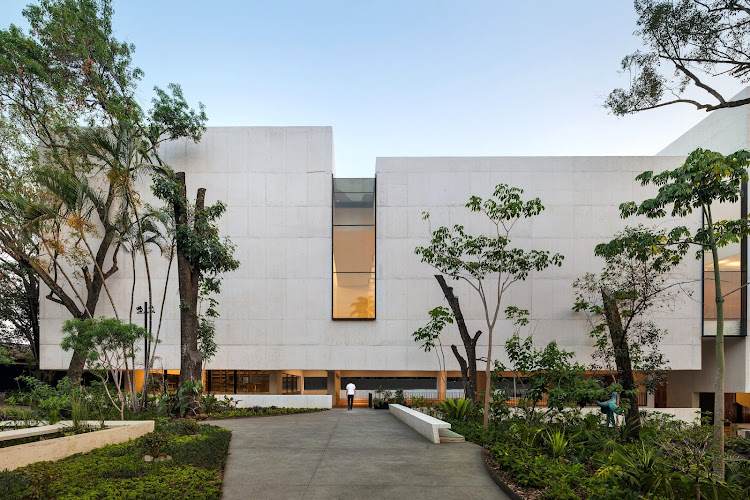
The MMAC Juan Soriano is one of those places that quietly sneaks up on you. It’s not just another museum—it’s a living, breathing cultural hub where art feels approachable, even for those who don’t usually spend their weekends in galleries. The space itself is modern yet warm, filled with light that spills through wide glass walls and dances across the sculptures and paintings. It’s got a way of making you slow down, take a breath, and actually look at what’s in front of you.
Named after Juan Soriano, one of Mexico’s most celebrated artists, the museum celebrates not only his legacy but also the broader world of contemporary art. It’s a place where you can wander from one exhibition to another and feel like you’re eavesdropping on a conversation between generations of artists. The curators clearly care about balance—between the bold and the subtle, the traditional and the experimental.
I’ll admit, the first time I came here, I didn’t expect to stay long. But two hours later, I was still there, sitting on a bench, staring at a sculpture that somehow made me think of my grandmother’s garden. That’s what this place does—it connects art to life in the most unexpected ways.
Visitors often mention how well the museum is maintained and how welcoming the staff are. It’s accessible, inclusive, and thoughtfully designed for everyone to enjoy. Whether you’re a seasoned art lover or just someone looking for a calm, inspiring afternoon, MMAC Juan Soriano delivers an experience that feels personal and genuine. Sure, there are moments when an exhibit might not hit the mark for everyone—but that’s part of what keeps it interesting. You never quite know what you’ll find next.
Key Features
- Permanent and temporary exhibitions showcasing Mexican and international artists
- Spacious galleries with natural lighting and modern architecture
- Outdoor sculpture garden offering a peaceful space for reflection
- Workshops and cultural events for adults and children throughout the year
- Wheelchair-accessible entrances, restrooms, and parking areas
- Free on-site parking for visitors
- Discounted admission for children and students
- Accepts debit and credit card payments for convenience
- Clean restrooms and well-maintained facilities
One of my favorite things about this museum is how it mixes art with community. You’ll often find local families wandering through the exhibits, kids sketching on benches, or artists chatting over coffee in the courtyard. It feels alive, not sterile or overly curated. And that’s rare.
Best Time to Visit
If you ask me, mornings are the sweet spot. The air is cooler, the crowds are thinner, and you can take your time without feeling rushed. Weekdays are ideal if you prefer a quieter experience—there’s something almost meditative about walking through the galleries when it’s just you and the sound of your footsteps.
That said, weekends can be fun too. The museum often hosts special events, workshops, or guided tours that add another layer to your visit. Late afternoons, when the sunlight filters through the glass and casts long shadows across the sculptures, are particularly magical. It’s the kind of light photographers dream about.
If you’re traveling during the dry season, usually from November to April, you’ll find the outdoor spaces especially pleasant. The gardens are green, the weather’s mild, and you can linger outside without worrying about sudden rain.
How to Get There
Getting to MMAC Juan Soriano is straightforward. The cultural center sits in a well-connected area of Cuernavaca, so you can reach it easily by car, taxi, or local transport. If you’re driving, there’s free on-site parking—something that’s becoming a bit of a luxury in most cities.
For those relying on public transportation, several local bus routes stop nearby, and taxis or ride-sharing services are readily available. I’ve taken both, and honestly, the drive itself can be part of the fun. You’ll pass through leafy streets and catch glimpses of Cuernavaca’s colorful walls and hidden gardens along the way.
If you’re staying in the city center, it’s just a quick ride away—perfect for a half-day trip before grabbing lunch at one of the nearby cafés. And if you’re the walking type, the surrounding neighborhood is pleasant enough to explore on foot, especially in the early morning or late afternoon.
Tips for Visiting
Here’s what I’ve learned after a couple of visits (and a few small mistakes along the way):
- Take your time. The museum isn’t massive, but there’s a lot to absorb. Give yourself at least two hours to wander and reflect.
- Bring a notebook or sketchpad. Something about the atmosphere here just sparks ideas. Even if you’re not an artist, jotting down thoughts or impressions can make the experience richer.
- Check for temporary exhibitions. The lineup changes regularly, and some of the most memorable shows are short-term installations. It’s worth checking the schedule before you go.
- Visit the garden. Don’t skip it. The outdoor sculptures and landscaping create a peaceful contrast to the indoor galleries.
- Stay hydrated. Cuernavaca can get warm, and while the museum is air-conditioned, you’ll appreciate having water on hand, especially if you plan to explore the area afterward.
- Respect the space. It’s tempting to take a million photos, but sometimes the best way to experience art is just to look—no screen between you and the piece.
- Bring kids. The museum is surprisingly family-friendly, and the staff often organize creative workshops for children. It’s a great way to introduce them to art without it feeling stuffy.
One small thing I love: the staff genuinely seem happy to be there. They’re approachable, knowledgeable, and eager to answer questions. Once, a guide told me a story about how Juan Soriano used to sculpt late into the night, often inspired by the sounds of the city outside his studio. That little anecdote stuck with me—it made me look at his work differently.
If you’re planning a trip to Cuernavaca, MMAC Juan Soriano deserves a spot on your itinerary. It’s more than a museum—it’s a reminder of how art can quietly shape the way we see the world. And honestly, that’s reason enough to go.
Key Features
- Permanent and temporary exhibitions showcasing Mexican and international artists
- Spacious galleries with natural lighting and modern architecture
- Outdoor sculpture garden offering a peaceful space for reflection
- Workshops and cultural events for adults and children throughout the year
- Wheelchair-accessible entrances, restrooms, and parking areas
- Free on-site parking for visitors
- Discounted admission for children and students
- Accepts debit and credit card payments for convenience
More Details
Updated December 1, 2025
Table of Contents
Description
The MMAC Juan Soriano is one of those places that quietly sneaks up on you. It’s not just another museum—it’s a living, breathing cultural hub where art feels approachable, even for those who don’t usually spend their weekends in galleries. The space itself is modern yet warm, filled with light that spills through wide glass walls and dances across the sculptures and paintings. It’s got a way of making you slow down, take a breath, and actually look at what’s in front of you.
Named after Juan Soriano, one of Mexico’s most celebrated artists, the museum celebrates not only his legacy but also the broader world of contemporary art. It’s a place where you can wander from one exhibition to another and feel like you’re eavesdropping on a conversation between generations of artists. The curators clearly care about balance—between the bold and the subtle, the traditional and the experimental.
I’ll admit, the first time I came here, I didn’t expect to stay long. But two hours later, I was still there, sitting on a bench, staring at a sculpture that somehow made me think of my grandmother’s garden. That’s what this place does—it connects art to life in the most unexpected ways.
Visitors often mention how well the museum is maintained and how welcoming the staff are. It’s accessible, inclusive, and thoughtfully designed for everyone to enjoy. Whether you’re a seasoned art lover or just someone looking for a calm, inspiring afternoon, MMAC Juan Soriano delivers an experience that feels personal and genuine. Sure, there are moments when an exhibit might not hit the mark for everyone—but that’s part of what keeps it interesting. You never quite know what you’ll find next.
Key Features
- Permanent and temporary exhibitions showcasing Mexican and international artists
- Spacious galleries with natural lighting and modern architecture
- Outdoor sculpture garden offering a peaceful space for reflection
- Workshops and cultural events for adults and children throughout the year
- Wheelchair-accessible entrances, restrooms, and parking areas
- Free on-site parking for visitors
- Discounted admission for children and students
- Accepts debit and credit card payments for convenience
- Clean restrooms and well-maintained facilities
One of my favorite things about this museum is how it mixes art with community. You’ll often find local families wandering through the exhibits, kids sketching on benches, or artists chatting over coffee in the courtyard. It feels alive, not sterile or overly curated. And that’s rare.
Best Time to Visit
If you ask me, mornings are the sweet spot. The air is cooler, the crowds are thinner, and you can take your time without feeling rushed. Weekdays are ideal if you prefer a quieter experience—there’s something almost meditative about walking through the galleries when it’s just you and the sound of your footsteps.
That said, weekends can be fun too. The museum often hosts special events, workshops, or guided tours that add another layer to your visit. Late afternoons, when the sunlight filters through the glass and casts long shadows across the sculptures, are particularly magical. It’s the kind of light photographers dream about.
If you’re traveling during the dry season, usually from November to April, you’ll find the outdoor spaces especially pleasant. The gardens are green, the weather’s mild, and you can linger outside without worrying about sudden rain.
How to Get There
Getting to MMAC Juan Soriano is straightforward. The cultural center sits in a well-connected area of Cuernavaca, so you can reach it easily by car, taxi, or local transport. If you’re driving, there’s free on-site parking—something that’s becoming a bit of a luxury in most cities.
For those relying on public transportation, several local bus routes stop nearby, and taxis or ride-sharing services are readily available. I’ve taken both, and honestly, the drive itself can be part of the fun. You’ll pass through leafy streets and catch glimpses of Cuernavaca’s colorful walls and hidden gardens along the way.
If you’re staying in the city center, it’s just a quick ride away—perfect for a half-day trip before grabbing lunch at one of the nearby cafés. And if you’re the walking type, the surrounding neighborhood is pleasant enough to explore on foot, especially in the early morning or late afternoon.
Tips for Visiting
Here’s what I’ve learned after a couple of visits (and a few small mistakes along the way):
- Take your time. The museum isn’t massive, but there’s a lot to absorb. Give yourself at least two hours to wander and reflect.
- Bring a notebook or sketchpad. Something about the atmosphere here just sparks ideas. Even if you’re not an artist, jotting down thoughts or impressions can make the experience richer.
- Check for temporary exhibitions. The lineup changes regularly, and some of the most memorable shows are short-term installations. It’s worth checking the schedule before you go.
- Visit the garden. Don’t skip it. The outdoor sculptures and landscaping create a peaceful contrast to the indoor galleries.
- Stay hydrated. Cuernavaca can get warm, and while the museum is air-conditioned, you’ll appreciate having water on hand, especially if you plan to explore the area afterward.
- Respect the space. It’s tempting to take a million photos, but sometimes the best way to experience art is just to look—no screen between you and the piece.
- Bring kids. The museum is surprisingly family-friendly, and the staff often organize creative workshops for children. It’s a great way to introduce them to art without it feeling stuffy.
One small thing I love: the staff genuinely seem happy to be there. They’re approachable, knowledgeable, and eager to answer questions. Once, a guide told me a story about how Juan Soriano used to sculpt late into the night, often inspired by the sounds of the city outside his studio. That little anecdote stuck with me—it made me look at his work differently.
If you’re planning a trip to Cuernavaca, MMAC Juan Soriano deserves a spot on your itinerary. It’s more than a museum—it’s a reminder of how art can quietly shape the way we see the world. And honestly, that’s reason enough to go.
Key Highlights
- Permanent and temporary exhibitions showcasing Mexican and international artists
- Spacious galleries with natural lighting and modern architecture
- Outdoor sculpture garden offering a peaceful space for reflection
- Workshops and cultural events for adults and children throughout the year
- Wheelchair-accessible entrances, restrooms, and parking areas
- Free on-site parking for visitors
- Discounted admission for children and students
- Accepts debit and credit card payments for convenience
Location
Places to Stay Near MMAC Juan Soriano
Find and Book a Tour
Explore More Travel Guides
No reviews found! Be the first to review!
Traveler Reviews for MMAC Juan Soriano
There are no reviews yet. Be the first one to write one.
Have you visited MMAC Juan Soriano? Help other travelers by sharing your review.
You Might Also Like
Parque Revolucion

Gran Outlet Cuernavaca

Parque lineal cd chapultepec
Find Accommodations Nearby
Recommended Tours & Activities
Visitor Reviews
There are no reviews yet. Be the first one to write one.
Share Your Experience
Have you visited MMAC Juan Soriano? Help other travelers by leaving a review.