Zhongping Road Story House
About Zhongping Road Story House
Description
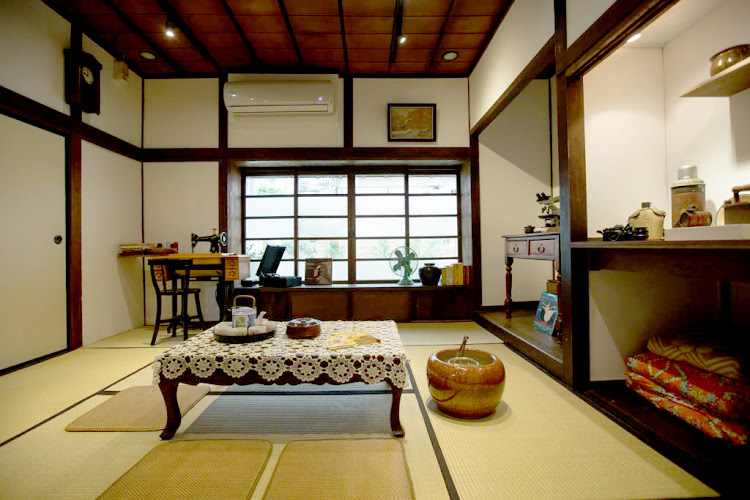
The Zhongping Road Story House stands as a remarkable testament to Taiwan's complex colonial history, offering visitors an authentic glimpse into 1930s Japanese architecture and daily life. This carefully preserved wooden dormitory represents one of those rare historical gems where you can actually feel the passage of time rather than just read about it on a plaque. Walking through these halls feels different from most heritage sites. You're not looking at a reconstruction or some heavily modified building that's been commercialized beyond recognition. This is the real deal – original wooden floorboards that creak slightly under your feet, traditional shoji screens that filter afternoon light in that distinctive way only rice paper can, and period furnishings that transport you back nearly a century. What strikes most visitors first is the intimate scale of the place. This wasn't a grand administrative building or some pompous colonial mansion. These were actual living quarters where Japanese workers and their families made their homes during Taiwan's colonial period. And that's precisely what makes it so compelling. The personal artifacts on display – cooking utensils, clothing, photographs, everyday items – tell stories about real people navigating their lives in a very different era. The preservation work here deserves serious recognition. Too many heritage sites get "restored" into sterile museum pieces that lose their soul in the process. But the Story House has maintained that lived-in quality, that sense of authenticity that makes history tangible. You can almost imagine families gathering around the low tables or children playing in the corridors. For travelers interested in architecture, this building showcases classic Japanese colonial design principles adapted for Taiwan's subtropical climate. The raised wooden floors, deep eaves, and ventilation systems reflect careful environmental considerations that many modern buildings could learn from, honestly.Key Features
The Zhongping Road Story House offers several distinctive elements that make it worth adding to your Taiwan itinerary: • Original 1930s wooden construction showcasing authentic Japanese colonial architectural techniques and craftsmanship • Period-appropriate interior furnishings and layouts that recreate the living conditions of Japanese workers during the colonial era • Personal artifacts and household items from the 1930s and 1940s that provide intimate insights into daily life during that period • Traditional Japanese architectural elements including tatami rooms, shoji screens, and engawa verandas • Educational displays explaining the historical context of Japanese colonial rule in Taiwan and its lasting cultural impacts • Well-preserved wooden structural elements that demonstrate traditional joinery and construction methods • Wheelchair accessible entrance and restrooms making this heritage site available to visitors with mobility considerations • Rotating exhibitions that explore different aspects of the colonial period and Taiwan's cultural evolution • Photography opportunities capturing authentic Japanese architecture without needing to travel to Japan • Quiet contemplative spaces that allow for reflection away from Taiwan's typically bustling urban environmentsBest Time to Visit
Timing your visit to the Zhongping Road Story House can significantly impact your experience, and I've learned through various trips that heritage buildings have their own rhythms worth considering. Weekday mornings, particularly Tuesday through Thursday, offer the most peaceful experience. You'll often have entire rooms to yourself, which really matters when you're trying to absorb the atmosphere of a historical space. There's something about being alone in a 90-year-old building that lets your imagination work better – you can actually picture the families who lived there without modern tourists photobombing your mental imagery. Weather plays a bigger role than you might expect. Taiwan's subtropical climate means summer visits can be quite warm inside these wooden structures, as traditional Japanese architecture wasn't exactly designed with air conditioning in mind. The cooler months from October through March provide more comfortable exploring conditions, especially since you'll want to spend time examining details and reading the informational displays. Rainy days actually have their charm here. The sound of rain on the traditional roof tiles creates an incredibly atmospheric experience, and the slightly overcast light filtering through the shoji screens produces beautiful photographic conditions. Just bring an umbrella for getting to and from the building. Avoid major Taiwanese holidays and weekends if crowds bother you. The Story House has gained popularity among local visitors interested in their island's complex history, which is wonderful for heritage preservation funding but can mean navigating around school groups and family outings. Late afternoons, around an hour before closing time, can also be surprisingly quiet as most visitors have already departed. The golden hour light streaming through the wooden lattice work creates some magical moments, though you'll need to move efficiently if you want to see everything before they close up. Spring brings blooming flowers to the surrounding area, which provides nice context for your visit and photographic opportunities. But honestly, this building's appeal transcends seasons – it's more about finding quiet moments to connect with the space.How to Get There
Getting to the Zhongping Road Story House requires a bit more planning than just hopping on a metro line, but it's definitely manageable for independent travelers. The most straightforward approach involves taking Taiwan's excellent public transportation system as far as it'll take you, then finishing with a short taxi ride or walk. Most visitors will want to use the Taiwan Railway Administration system to reach the nearest station, then transfer to local transportation. Checking current bus routes beforehand saves considerable time and confusion – Taiwan's bus systems are efficient but can be tricky for foreign visitors who don't read Chinese characters. Taxis offer a practical solution, especially if you're traveling with others to split the cost. Having the destination written in Chinese characters on your phone helps tremendously, as not all taxi drivers speak English. Screenshot the address and save relevant Chinese names for the area before you head out. For those renting scooters – a popular option among younger travelers in Taiwan – the Story House makes a good addition to a broader exploration day. Parking isn't particularly abundant right at the site, so arriving early or being flexible about walking a short distance matters. The surrounding neighborhood doesn't have the dense commercial development you'd find in major city centers, which is actually part of its charm. This means fewer obvious landmarks to navigate by, so using Google Maps or a similar navigation app becomes pretty essential. Download offline maps if you're concerned about data connectivity. Getting back can sometimes prove trickier than arriving, particularly later in the afternoon when you might be tired from exploring. Planning your return transportation while you're still fresh and oriented helps avoid the frustration of trying to figure out bus schedules when you're ready to leave.Tips for Visiting
Making the most of your Zhongping Road Story House experience involves some practical considerations that guidebooks don't always mention. Photography is generally permitted, but be respectful about it. This isn't an Instagram playground – it's a heritage site with cultural significance. Skip the selfie stick gymnastics and focus on capturing the architectural details and atmospheric qualities that make this place special. Natural light works beautifully here, so you probably won't need flash anyway. Wear socks or bring a pair with you. Traditional Japanese architecture often requires removing shoes when entering certain areas, and walking around a heritage building in bare feet feels weird and disrespectful. Plus those wooden floors can get surprisingly cold during winter months. The information displays are often in Chinese with limited English translations, so consider downloading a translation app beforehand. You'll get substantially more from your visit if you can understand the historical context and stories behind the artifacts. Some visitors have found hiring a local guide worthwhile, though this requires advance arrangement. Plan for about 60 to 90 minutes to properly explore the site if you're genuinely interested in the history and architecture. Sure, you could rush through in 30 minutes, but why would you travel all this way to just tick a box? Take time to sit in the traditional rooms, examine the construction details, and let the atmosphere sink in. The wheelchair accessible facilities are commendable, though navigating some of the narrower corridors might still present challenges depending on mobility needs. Calling ahead to discuss specific accessibility requirements shows consideration for both yourself and the site staff. Small gift shops at heritage sites can be hit or miss, but if there's one here, supporting it helps fund preservation efforts. Authentic cultural souvenirs beat mass-produced tourist junk any day, and you'll actually remember where you got them years later. Respect the preservation rules. Don't touch artifacts unless specifically indicated, lean against walls, or try to access areas marked as off-limits. These buildings have survived nearly a century – let's make sure they last another one. Consider combining your visit with exploration of the surrounding area. Heritage buildings rarely exist in isolation, and the neighborhood context often reveals interesting layers of history and cultural evolution that deepen your understanding of the main site. Bring water and perhaps a small snack, as the immediate area might not have abundant refreshment options. Staying hydrated and comfortable lets you focus on the experience rather than physical discomfort. Finally, approach this visit with genuine curiosity rather than just completionist tourism. The Zhongping Road Story House rewards thoughtful engagement. It's not the flashiest attraction Taiwan offers, but it provides something increasingly rare – an authentic connection to the past that hasn't been sanitized or commercialized beyond recognition.Key Features
- Key Features
- Best Time to Visit
- How to Get There
- Tips for Visiting
More Details
Updated January 18, 2026
Table of Contents
Description
The Zhongping Road Story House stands as a remarkable testament to Taiwan’s complex colonial history, offering visitors an authentic glimpse into 1930s Japanese architecture and daily life. This carefully preserved wooden dormitory represents one of those rare historical gems where you can actually feel the passage of time rather than just read about it on a plaque.
Walking through these halls feels different from most heritage sites. You’re not looking at a reconstruction or some heavily modified building that’s been commercialized beyond recognition. This is the real deal – original wooden floorboards that creak slightly under your feet, traditional shoji screens that filter afternoon light in that distinctive way only rice paper can, and period furnishings that transport you back nearly a century.
What strikes most visitors first is the intimate scale of the place. This wasn’t a grand administrative building or some pompous colonial mansion. These were actual living quarters where Japanese workers and their families made their homes during Taiwan’s colonial period. And that’s precisely what makes it so compelling. The personal artifacts on display – cooking utensils, clothing, photographs, everyday items – tell stories about real people navigating their lives in a very different era.
The preservation work here deserves serious recognition. Too many heritage sites get “restored” into sterile museum pieces that lose their soul in the process. But the Story House has maintained that lived-in quality, that sense of authenticity that makes history tangible. You can almost imagine families gathering around the low tables or children playing in the corridors.
For travelers interested in architecture, this building showcases classic Japanese colonial design principles adapted for Taiwan’s subtropical climate. The raised wooden floors, deep eaves, and ventilation systems reflect careful environmental considerations that many modern buildings could learn from, honestly.
Key Features
The Zhongping Road Story House offers several distinctive elements that make it worth adding to your Taiwan itinerary:
• Original 1930s wooden construction showcasing authentic Japanese colonial architectural techniques and craftsmanship
• Period-appropriate interior furnishings and layouts that recreate the living conditions of Japanese workers during the colonial era
• Personal artifacts and household items from the 1930s and 1940s that provide intimate insights into daily life during that period
• Traditional Japanese architectural elements including tatami rooms, shoji screens, and engawa verandas
• Educational displays explaining the historical context of Japanese colonial rule in Taiwan and its lasting cultural impacts
• Well-preserved wooden structural elements that demonstrate traditional joinery and construction methods
• Wheelchair accessible entrance and restrooms making this heritage site available to visitors with mobility considerations
• Rotating exhibitions that explore different aspects of the colonial period and Taiwan’s cultural evolution
• Photography opportunities capturing authentic Japanese architecture without needing to travel to Japan
• Quiet contemplative spaces that allow for reflection away from Taiwan’s typically bustling urban environments
Best Time to Visit
Timing your visit to the Zhongping Road Story House can significantly impact your experience, and I’ve learned through various trips that heritage buildings have their own rhythms worth considering.
Weekday mornings, particularly Tuesday through Thursday, offer the most peaceful experience. You’ll often have entire rooms to yourself, which really matters when you’re trying to absorb the atmosphere of a historical space. There’s something about being alone in a 90-year-old building that lets your imagination work better – you can actually picture the families who lived there without modern tourists photobombing your mental imagery.
Weather plays a bigger role than you might expect. Taiwan’s subtropical climate means summer visits can be quite warm inside these wooden structures, as traditional Japanese architecture wasn’t exactly designed with air conditioning in mind. The cooler months from October through March provide more comfortable exploring conditions, especially since you’ll want to spend time examining details and reading the informational displays.
Rainy days actually have their charm here. The sound of rain on the traditional roof tiles creates an incredibly atmospheric experience, and the slightly overcast light filtering through the shoji screens produces beautiful photographic conditions. Just bring an umbrella for getting to and from the building.
Avoid major Taiwanese holidays and weekends if crowds bother you. The Story House has gained popularity among local visitors interested in their island’s complex history, which is wonderful for heritage preservation funding but can mean navigating around school groups and family outings.
Late afternoons, around an hour before closing time, can also be surprisingly quiet as most visitors have already departed. The golden hour light streaming through the wooden lattice work creates some magical moments, though you’ll need to move efficiently if you want to see everything before they close up.
Spring brings blooming flowers to the surrounding area, which provides nice context for your visit and photographic opportunities. But honestly, this building’s appeal transcends seasons – it’s more about finding quiet moments to connect with the space.
How to Get There
Getting to the Zhongping Road Story House requires a bit more planning than just hopping on a metro line, but it’s definitely manageable for independent travelers.
The most straightforward approach involves taking Taiwan’s excellent public transportation system as far as it’ll take you, then finishing with a short taxi ride or walk. Most visitors will want to use the Taiwan Railway Administration system to reach the nearest station, then transfer to local transportation. Checking current bus routes beforehand saves considerable time and confusion – Taiwan’s bus systems are efficient but can be tricky for foreign visitors who don’t read Chinese characters.
Taxis offer a practical solution, especially if you’re traveling with others to split the cost. Having the destination written in Chinese characters on your phone helps tremendously, as not all taxi drivers speak English. Screenshot the address and save relevant Chinese names for the area before you head out.
For those renting scooters – a popular option among younger travelers in Taiwan – the Story House makes a good addition to a broader exploration day. Parking isn’t particularly abundant right at the site, so arriving early or being flexible about walking a short distance matters.
The surrounding neighborhood doesn’t have the dense commercial development you’d find in major city centers, which is actually part of its charm. This means fewer obvious landmarks to navigate by, so using Google Maps or a similar navigation app becomes pretty essential. Download offline maps if you’re concerned about data connectivity.
Getting back can sometimes prove trickier than arriving, particularly later in the afternoon when you might be tired from exploring. Planning your return transportation while you’re still fresh and oriented helps avoid the frustration of trying to figure out bus schedules when you’re ready to leave.
Tips for Visiting
Making the most of your Zhongping Road Story House experience involves some practical considerations that guidebooks don’t always mention.
Photography is generally permitted, but be respectful about it. This isn’t an Instagram playground – it’s a heritage site with cultural significance. Skip the selfie stick gymnastics and focus on capturing the architectural details and atmospheric qualities that make this place special. Natural light works beautifully here, so you probably won’t need flash anyway.
Wear socks or bring a pair with you. Traditional Japanese architecture often requires removing shoes when entering certain areas, and walking around a heritage building in bare feet feels weird and disrespectful. Plus those wooden floors can get surprisingly cold during winter months.
The information displays are often in Chinese with limited English translations, so consider downloading a translation app beforehand. You’ll get substantially more from your visit if you can understand the historical context and stories behind the artifacts. Some visitors have found hiring a local guide worthwhile, though this requires advance arrangement.
Plan for about 60 to 90 minutes to properly explore the site if you’re genuinely interested in the history and architecture. Sure, you could rush through in 30 minutes, but why would you travel all this way to just tick a box? Take time to sit in the traditional rooms, examine the construction details, and let the atmosphere sink in.
The wheelchair accessible facilities are commendable, though navigating some of the narrower corridors might still present challenges depending on mobility needs. Calling ahead to discuss specific accessibility requirements shows consideration for both yourself and the site staff.
Small gift shops at heritage sites can be hit or miss, but if there’s one here, supporting it helps fund preservation efforts. Authentic cultural souvenirs beat mass-produced tourist junk any day, and you’ll actually remember where you got them years later.
Respect the preservation rules. Don’t touch artifacts unless specifically indicated, lean against walls, or try to access areas marked as off-limits. These buildings have survived nearly a century – let’s make sure they last another one.
Consider combining your visit with exploration of the surrounding area. Heritage buildings rarely exist in isolation, and the neighborhood context often reveals interesting layers of history and cultural evolution that deepen your understanding of the main site.
Bring water and perhaps a small snack, as the immediate area might not have abundant refreshment options. Staying hydrated and comfortable lets you focus on the experience rather than physical discomfort.
Finally, approach this visit with genuine curiosity rather than just completionist tourism. The Zhongping Road Story House rewards thoughtful engagement. It’s not the flashiest attraction Taiwan offers, but it provides something increasingly rare – an authentic connection to the past that hasn’t been sanitized or commercialized beyond recognition.
Key Highlights
- Key Features
- Best Time to Visit
- How to Get There
- Tips for Visiting
Location
Places to Stay Near Zhongping Road Story House
Find and Book a Tour
Explore More Travel Guides
No reviews found! Be the first to review!
Traveler Reviews for Zhongping Road Story House
There are no reviews yet. Be the first one to write one.
Have you visited Zhongping Road Story House? Help other travelers by sharing your review.
Find Accommodations Nearby
Recommended Tours & Activities
Visitor Reviews
There are no reviews yet. Be the first one to write one.
Share Your Experience
Have you visited Zhongping Road Story House? Help other travelers by leaving a review.
