About Dragon Caves

Description

The Dragon Caves have earned their reputation as one of those magical places where nature decided to show off a little. And honestly, after seeing what millions of years of water erosion can do to limestone, it's hard not to be impressed. These caves stretch deep into the earth, creating an underground world that feels like stepping onto another planet entirely. I remember the first time I visited a cave system like this – the temperature drop hits you immediately, and there's this earthy, mineral smell that you just can't replicate anywhere else. The Dragon Caves offer that same visceral experience, though with their own unique character that keeps drawing visitors back year after year. What makes these caves particularly special is the combination of geological wonder and adventure opportunity. Sure, you've got your standard cave formations – stalactites hanging like nature's chandeliers, stalagmites rising from the floor like stone sentinels – but the Dragon Caves take it further. The rock climbing opportunities here attract enthusiasts from around the globe, transforming what could be a simple sightseeing spot into an adrenaline-pumping destination. The cave system got its name from the dragon-like formations found throughout the chambers, where mineral deposits and rock shapes create creatures that seem frozen in stone. It's the kind of place where your imagination runs wild, especially if you're traveling with kids who can spot a dozen different animals in every shadow and formation. With restroom facilities available on-site, visitors can spend a good chunk of their day exploring without worrying about basic amenities. However, it's worth noting that the caves aren't wheelchair accessible, which is unfortunately common with natural cave systems where the terrain simply doesn't allow for modifications without damaging the geological features.

Key Features

The Dragon Caves pack quite a punch when it comes to distinctive features that set them apart from your typical tourist cave:
  • Dramatic rock formations that have been sculpted over millennia, creating shapes that genuinely resemble dragons, serpents, and other mythical creatures throughout the various chambers
  • Technical rock climbing routes that cater to different skill levels, making this a dual-purpose destination for both casual tourists and serious climbers looking for their next challenge
  • Multiple cave chambers to explore, each with its own character and geological personality – some tight and intimate, others vast and cathedral-like
  • Natural acoustics within certain chambers that create an almost otherworldly atmosphere, where even whispers seem to echo and dance off the ancient walls
  • Year-round consistent temperatures inside the caves, typically hovering in the mid-50s to low-60s Fahrenheit regardless of what's happening outside
  • Family-friendly accessibility for most of the main viewing areas, allowing kids to experience the wonder of underground exploration safely
  • Unique mineral deposits that create colorful streaks and patterns across the cave walls, adding unexpected splashes of rust-red, deep green, and golden hues to the predominantly grey-brown palette
  • Historical significance as both a natural landmark and a site that's been visited by humans for generations, with some areas showing evidence of past explorers and inhabitants

Best Time to Visit

Here's the thing about caves – they're basically nature's air conditioning in summer and a relatively warm refuge in winter. The internal temperature stays pretty constant throughout the year, which means there isn't really a "bad" time to visit from a comfort standpoint. But that doesn't mean all seasons are created equal for the Dragon Caves experience. Summer months, particularly June through August, bring the biggest crowds. Everyone's got vacation time, the kids are out of school, and suddenly everyone remembers that caves exist and would be fun to explore. You'll be dealing with longer wait times, more crowded chambers, and that slightly claustrophobic feeling when you're trying to admire a particularly stunning formation but there's a family of five blocking your view while they take selfies. Spring and fall are honestly your sweet spots. April, May, September, and October offer mild weather for the journey to and from the caves, smaller crowds, and better opportunities to actually hear yourself think while you're underground. The lighting during these shoulder seasons can be particularly beautiful too, with softer angles creating interesting shadows in the cave entrances. Winter visits have their own charm, though you'll need to prepare appropriately for the contrast between freezing exterior temperatures and the relatively moderate cave interior. Dressing in layers becomes crucial. I've made the mistake of bundling up for winter weather and then nearly sweating through my clothes inside the caves – not my finest moment. For rock climbing enthusiasts, spring and fall also provide the best conditions. The rock stays at optimal temperature and texture, and you're not competing with as many other climbers for the prime routes. Summer can see climbers literally lining up for popular walls, which kind of defeats the purpose of the adventure. If you're trying to photograph the caves, weekday mornings during shoulder seasons give you the best natural lighting at the entrance chambers and the fewest photobombers. Though honestly, some of the most dramatic shots I've seen came from winter visits when ice formations near the entrance created an extra layer of crystalline beauty.

How to Get There

Getting to the Dragon Caves requires a bit of planning, but it's not rocket science. Most visitors arrive by car, which gives you the flexibility to explore at your own pace and carry all the gear you might need for a day of caving and climbing. The cave system is accessible via main highways, though the final approach typically involves some winding roads that can be a bit nerve-wracking if you're not comfortable with mountain driving. Take it slow, enjoy the scenery, and maybe don't check your phone for texts while navigating those hairpin turns – just a suggestion based on, uh, observation of other drivers, definitely not personal experience. Public transportation options exist but they're limited. Some tour companies run buses from nearby cities, which solves the driving problem but locks you into their schedule. If you're the type who likes to linger and really soak in an experience, the structured tour timeline might feel restrictive. Parking at the caves is generally adequate, though arrive early during peak season unless you fancy hiking an extra half-mile from overflow parking. The lot can fill up by mid-morning on summer weekends. There's usually a parking fee, so keep some cash or a card handy. For international visitors or those flying in, the nearest major airport typically sits about an hour to two hours away depending on traffic. Renting a car makes the most sense unless you're joining an organized tour that includes transportation. Ride-sharing services sometimes operate in the area, but don't count on catching an Uber back if you're visiting during off-hours. The approach road is generally well-maintained, though winter weather can create complications. Check current conditions before heading out if you're visiting between November and March, and make sure your vehicle is equipped for potential snow or ice.

Tips for Visiting

Let me share some wisdom that'll make your Dragon Caves adventure way more enjoyable than it would be if you showed up unprepared like I did on my first major caving expedition. First and foremost – dress in layers. You'll thank me later. The temperature difference between outside and inside the caves can be significant, and you want options. A light jacket or fleece that you can tie around your waist when you're warm is perfect. And please, wear closed-toe shoes with good traction. I've watched too many people in flip-flops or fashion sneakers struggle on slick cave floors. Bring a headlamp or flashlight, even if the caves have some installed lighting. Batteries die, bulbs burn out, and sometimes the most interesting features hide in the shadows just beyond the main illuminated paths. Plus, if you're into rock climbing within the caves, you'll definitely want your own light source. The caves stay humid, so protect any electronics you're bringing. A simple ziplock bag can save your phone from moisture damage. Speaking of phones, don't rely on having signal inside the caves – download any maps or information you need beforehand. If you're bringing kids, prepare them for the darkness and enclosed spaces. Some children absolutely love the cave experience, while others might feel anxious. There's no shame in cutting the visit short if someone's uncomfortable – forced family fun is never actually fun. For photographers, a tripod helps immensely in the low-light conditions. Fast lenses are your friend here too. And resist the urge to use flash directly on formations – it washes them out and you'll end up with disappointing photos. Long exposures with available light or carefully bounced flash produces much better results. Rock climbers need to check current regulations before arriving. Some areas might be closed seasonally to protect bat populations or for safety maintenance. Bring all your own gear – there aren't rental facilities on-site. And seriously, respect the rating systems for routes. Cave climbing adds unique challenges that can make a normally moderate route feel significantly harder. Hydration is crucial. Bring more water than you think you'll need. The cave air can be dehydrating even though it feels humid, and if you're climbing, you'll work up quite a sweat despite the cool temperatures. Bathrooms are available, but they're not scattered throughout the cave system. Use facilities before entering and plan accordingly for longer explorations. Consider hiring a guide for your first visit, especially if you want to venture beyond the main tourist areas. Local guides know the caves intimately and can share stories and point out features you'd definitely miss on your own. The investment usually pays off in experience quality. Don't touch the formations unless specifically allowed in designated areas. The oils from your skin can damage features that took thousands of years to form. Look with your eyes, not your hands – yeah, I sound like a kindergarten teacher, but it genuinely matters here. Check the weather before visiting, not because it affects the cave interior much, but because it impacts your journey there and back. Flash flooding can occur in the area, and you don't want to get stranded. Finally, give yourself more time than you think you'll need. The Dragon Caves have a way of captivating visitors, and rushing through misses the whole point. This isn't a place to check off a list – it's somewhere to actually experience.

Key Features

  • Dramatic sandstone cliffs and the eponymous sea cave
  • Clear water with good snorkeling and scuba diving opportunities
  • Popular rock-climbing routes on pocketed sandstone
  • Cliff-jumping spots and natural sea platforms
  • Scenic coastal views and sunrise/sunset photography opportunities

More Details

Updated March 30, 2026

Description

The Dragon Caves have earned their reputation as one of those magical places where nature decided to show off a little. And honestly, after seeing what millions of years of water erosion can do to limestone, it’s hard not to be impressed. These caves stretch deep into the earth, creating an underground world that feels like stepping onto another planet entirely.

I remember the first time I visited a cave system like this – the temperature drop hits you immediately, and there’s this earthy, mineral smell that you just can’t replicate anywhere else. The Dragon Caves offer that same visceral experience, though with their own unique character that keeps drawing visitors back year after year.

What makes these caves particularly special is the combination of geological wonder and adventure opportunity. Sure, you’ve got your standard cave formations – stalactites hanging like nature’s chandeliers, stalagmites rising from the floor like stone sentinels – but the Dragon Caves take it further. The rock climbing opportunities here attract enthusiasts from around the globe, transforming what could be a simple sightseeing spot into an adrenaline-pumping destination.

The cave system got its name from the dragon-like formations found throughout the chambers, where mineral deposits and rock shapes create creatures that seem frozen in stone. It’s the kind of place where your imagination runs wild, especially if you’re traveling with kids who can spot a dozen different animals in every shadow and formation.

With restroom facilities available on-site, visitors can spend a good chunk of their day exploring without worrying about basic amenities. However, it’s worth noting that the caves aren’t wheelchair accessible, which is unfortunately common with natural cave systems where the terrain simply doesn’t allow for modifications without damaging the geological features.

Key Features

The Dragon Caves pack quite a punch when it comes to distinctive features that set them apart from your typical tourist cave:

  • Dramatic rock formations that have been sculpted over millennia, creating shapes that genuinely resemble dragons, serpents, and other mythical creatures throughout the various chambers
  • Technical rock climbing routes that cater to different skill levels, making this a dual-purpose destination for both casual tourists and serious climbers looking for their next challenge
  • Multiple cave chambers to explore, each with its own character and geological personality – some tight and intimate, others vast and cathedral-like
  • Natural acoustics within certain chambers that create an almost otherworldly atmosphere, where even whispers seem to echo and dance off the ancient walls
  • Year-round consistent temperatures inside the caves, typically hovering in the mid-50s to low-60s Fahrenheit regardless of what’s happening outside
  • Family-friendly accessibility for most of the main viewing areas, allowing kids to experience the wonder of underground exploration safely
  • Unique mineral deposits that create colorful streaks and patterns across the cave walls, adding unexpected splashes of rust-red, deep green, and golden hues to the predominantly grey-brown palette
  • Historical significance as both a natural landmark and a site that’s been visited by humans for generations, with some areas showing evidence of past explorers and inhabitants

Best Time to Visit

Here’s the thing about caves – they’re basically nature’s air conditioning in summer and a relatively warm refuge in winter. The internal temperature stays pretty constant throughout the year, which means there isn’t really a “bad” time to visit from a comfort standpoint. But that doesn’t mean all seasons are created equal for the Dragon Caves experience.

Summer months, particularly June through August, bring the biggest crowds. Everyone’s got vacation time, the kids are out of school, and suddenly everyone remembers that caves exist and would be fun to explore. You’ll be dealing with longer wait times, more crowded chambers, and that slightly claustrophobic feeling when you’re trying to admire a particularly stunning formation but there’s a family of five blocking your view while they take selfies.

Spring and fall are honestly your sweet spots. April, May, September, and October offer mild weather for the journey to and from the caves, smaller crowds, and better opportunities to actually hear yourself think while you’re underground. The lighting during these shoulder seasons can be particularly beautiful too, with softer angles creating interesting shadows in the cave entrances.

Winter visits have their own charm, though you’ll need to prepare appropriately for the contrast between freezing exterior temperatures and the relatively moderate cave interior. Dressing in layers becomes crucial. I’ve made the mistake of bundling up for winter weather and then nearly sweating through my clothes inside the caves – not my finest moment.

For rock climbing enthusiasts, spring and fall also provide the best conditions. The rock stays at optimal temperature and texture, and you’re not competing with as many other climbers for the prime routes. Summer can see climbers literally lining up for popular walls, which kind of defeats the purpose of the adventure.

If you’re trying to photograph the caves, weekday mornings during shoulder seasons give you the best natural lighting at the entrance chambers and the fewest photobombers. Though honestly, some of the most dramatic shots I’ve seen came from winter visits when ice formations near the entrance created an extra layer of crystalline beauty.

How to Get There

Getting to the Dragon Caves requires a bit of planning, but it’s not rocket science. Most visitors arrive by car, which gives you the flexibility to explore at your own pace and carry all the gear you might need for a day of caving and climbing.

The cave system is accessible via main highways, though the final approach typically involves some winding roads that can be a bit nerve-wracking if you’re not comfortable with mountain driving. Take it slow, enjoy the scenery, and maybe don’t check your phone for texts while navigating those hairpin turns – just a suggestion based on, uh, observation of other drivers, definitely not personal experience.

Public transportation options exist but they’re limited. Some tour companies run buses from nearby cities, which solves the driving problem but locks you into their schedule. If you’re the type who likes to linger and really soak in an experience, the structured tour timeline might feel restrictive.

Parking at the caves is generally adequate, though arrive early during peak season unless you fancy hiking an extra half-mile from overflow parking. The lot can fill up by mid-morning on summer weekends. There’s usually a parking fee, so keep some cash or a card handy.

For international visitors or those flying in, the nearest major airport typically sits about an hour to two hours away depending on traffic. Renting a car makes the most sense unless you’re joining an organized tour that includes transportation. Ride-sharing services sometimes operate in the area, but don’t count on catching an Uber back if you’re visiting during off-hours.

The approach road is generally well-maintained, though winter weather can create complications. Check current conditions before heading out if you’re visiting between November and March, and make sure your vehicle is equipped for potential snow or ice.

Tips for Visiting

Let me share some wisdom that’ll make your Dragon Caves adventure way more enjoyable than it would be if you showed up unprepared like I did on my first major caving expedition.

First and foremost – dress in layers. You’ll thank me later. The temperature difference between outside and inside the caves can be significant, and you want options. A light jacket or fleece that you can tie around your waist when you’re warm is perfect. And please, wear closed-toe shoes with good traction. I’ve watched too many people in flip-flops or fashion sneakers struggle on slick cave floors.

Bring a headlamp or flashlight, even if the caves have some installed lighting. Batteries die, bulbs burn out, and sometimes the most interesting features hide in the shadows just beyond the main illuminated paths. Plus, if you’re into rock climbing within the caves, you’ll definitely want your own light source.

The caves stay humid, so protect any electronics you’re bringing. A simple ziplock bag can save your phone from moisture damage. Speaking of phones, don’t rely on having signal inside the caves – download any maps or information you need beforehand.

If you’re bringing kids, prepare them for the darkness and enclosed spaces. Some children absolutely love the cave experience, while others might feel anxious. There’s no shame in cutting the visit short if someone’s uncomfortable – forced family fun is never actually fun.

For photographers, a tripod helps immensely in the low-light conditions. Fast lenses are your friend here too. And resist the urge to use flash directly on formations – it washes them out and you’ll end up with disappointing photos. Long exposures with available light or carefully bounced flash produces much better results.

Rock climbers need to check current regulations before arriving. Some areas might be closed seasonally to protect bat populations or for safety maintenance. Bring all your own gear – there aren’t rental facilities on-site. And seriously, respect the rating systems for routes. Cave climbing adds unique challenges that can make a normally moderate route feel significantly harder.

Hydration is crucial. Bring more water than you think you’ll need. The cave air can be dehydrating even though it feels humid, and if you’re climbing, you’ll work up quite a sweat despite the cool temperatures.

Bathrooms are available, but they’re not scattered throughout the cave system. Use facilities before entering and plan accordingly for longer explorations.

Consider hiring a guide for your first visit, especially if you want to venture beyond the main tourist areas. Local guides know the caves intimately and can share stories and point out features you’d definitely miss on your own. The investment usually pays off in experience quality.

Don’t touch the formations unless specifically allowed in designated areas. The oils from your skin can damage features that took thousands of years to form. Look with your eyes, not your hands – yeah, I sound like a kindergarten teacher, but it genuinely matters here.

Check the weather before visiting, not because it affects the cave interior much, but because it impacts your journey there and back. Flash flooding can occur in the area, and you don’t want to get stranded.

Finally, give yourself more time than you think you’ll need. The Dragon Caves have a way of captivating visitors, and rushing through misses the whole point. This isn’t a place to check off a list – it’s somewhere to actually experience.
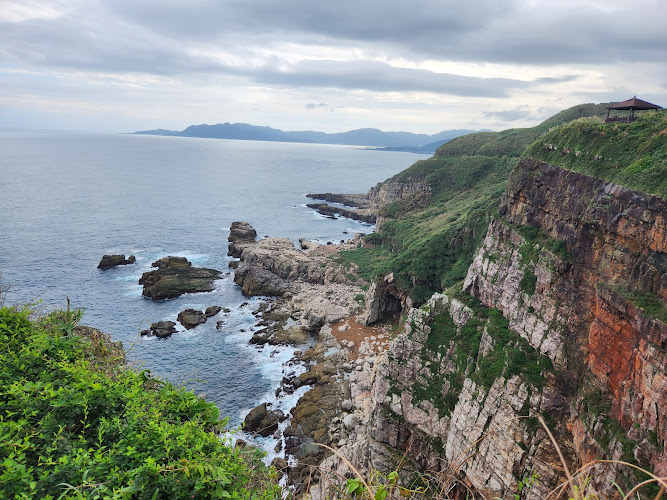

Key Highlights

  • Dramatic sandstone cliffs and the eponymous sea cave
  • Clear water with good snorkeling and scuba diving opportunities
  • Popular rock-climbing routes on pocketed sandstone
  • Cliff-jumping spots and natural sea platforms
  • Scenic coastal views and sunrise/sunset photography opportunities

Location

Places to Stay Near Dragon Caves

Find and Book a Tour

Explore More Travel Guides

No reviews found! Be the first to review!

Dragon Caves is a prominent attractions located in TW.

Visit us at: VCCG+9MJ, Putuo District, Zhoushan, Zhoushan, Zhejiang, China.

Traveler Reviews for Dragon Caves

There are no reviews yet. Be the first one to write one.

Share Your Experience

Have you visited Dragon Caves? Help other travelers by sharing your review.

Nearby Attractions

Fulong Beach Bitou Cape (Bitoujiao) Trail Fulong Old Caoling Tunnel and bike path

Find Accommodations Nearby

Recommended Tours & Activities

Visitor Reviews

There are no reviews yet. Be the first one to write one.

Share Your Experience

Have you visited Dragon Caves? Help other travelers by leaving a review.