

Zaria
About Zaria
Description
Zaria is one of those Nigerian cities that quietly carries the weight of history on its shoulders, and if you’re the kind of traveler who likes places with stories layered on top of each other, this one might grab you more than you expect. Located in Kaduna State and spread across four local government areas, Zaria is not just a city; it’s the heart of the Zazzau Emirate Council and one of the original seven Hausa city-states. That alone gives it serious cultural credibility. And yes, you feel it when you walk around. The past isn’t hidden in museums only; it’s stitched into daily life.
The city has a metropolitan rhythm that can surprise first-time visitors. There’s traffic, noise, laughter, bargaining, and prayer calls floating through the air. But there’s also a certain calm, especially once you step into older quarters where walls have stood for centuries. I remember the first time I visited, expecting something sleepy and slow, and instead finding a place that felt alive in a grounded, unapologetic way. Zaria doesn’t perform for tourists. It just is.
Zaria is widely known as an educational hub, thanks largely to Ahmadu Bello University, one of the largest universities in Sub-Saharan Africa. That academic influence changes the city’s tone. You’ll hear debates in roadside cafés, see students hunched over books under trees, and notice a slightly more cosmopolitan mix of people than you might expect in northern Nigeria. But don’t get it twisted. Tradition still runs the show here. Emirate structures, religious practices, and age-old customs remain deeply respected.
Travelers should know that Zaria isn’t polished in a glossy-magazine way. Some roads are rough. Power can be unpredictable. And patience is required. But that’s also part of its charm. The city rewards those who slow down and observe. And if you’re open to conversation, locals are often eager to explain their history, their beliefs, and their daily struggles. Sometimes with humor, sometimes with brutal honesty.
From ancient city walls to busy markets selling everything from grains to handwoven textiles, Zaria offers a textured experience. It’s not always comfortable, but it’s rarely boring. And honestly, the longer you stay, the more it grows on you. Like a song you didn’t like at first, but now can’t get out of your head.
Key Features
- One of the original seven Hausa city-states, with centuries-old historical significance
- Capital of the Zazzau Emirate Council, still active and influential today
- Ancient city walls and traditional quarters that reveal pre-colonial urban planning
- Ahmadu Bello University, shaping the city’s intellectual and cultural life
- Busy local markets offering traditional foods, fabrics, and crafts
- Strong Islamic heritage visible in architecture, daily routines, and festivals
- A mix of old-city traditions and modern metropolitan life
Best Time to Visit
If timing matters to you (and it should), the best time to visit Zaria is during the dry season, roughly from November to February. The weather is more forgiving then, with less humidity and clearer skies. And trust me, walking through markets or exploring old city areas is way more pleasant when you’re not drenched in sweat five minutes after stepping outside. I once visited during the hotter months and, whew, that sun doesn’t play around.
December is particularly interesting. There’s a festive mood in the air, students are on break, and the city feels slightly more relaxed. But also busier. If you enjoy seeing a place in motion, this is a good thing. On the other hand, Ramadan brings a completely different atmosphere. Days are quieter, nights come alive, and if you’re respectful, you’ll witness some deeply moving communal moments.
The rainy season, from around May to September, has its own beauty. The landscape turns greener, and the dust settles. But travel can be trickier. Roads may flood, and plans can change last minute. If you’re flexible and don’t mind a bit of unpredictability, it’s doable. But for first-timers, dry season is the safer bet.
How to Get There
Getting to Zaria isn’t complicated, but it does require a bit of planning. The city is well connected by road, especially from major northern cities like Kaduna and Kano. Long-distance buses and shared taxis are common, and while they’re not luxurious, they get the job done. Bring patience and maybe a snack. Nigerian road trips have a way of testing your spirit.
For those coming from farther away, flying into Kaduna is often the most practical option, then continuing by road to Zaria. The drive isn’t long, and it gives you a glimpse of the surrounding landscape. Flat, open, and dotted with small settlements. It’s during this drive that you start to feel the transition into Zaria’s world.
Once in the city, getting around is mostly by taxis, tricycles, or motorcycles. It can feel chaotic at first. Drivers shout destinations, horns blare, and you’re expected to negotiate fares. But after a day or two, it starts making sense. And honestly, it’s part of the experience. Just keep your phone charged and your sense of humor intact.
Tips for Visiting
First things first: dress modestly. Zaria is conservative, and respecting local norms goes a long way. You don’t need to change who you are, just be mindful. Loose clothing, covered shoulders, and a general air of respect will make interactions smoother. I’ve seen travelers struggle simply because they didn’t take this seriously.
Learn a few basic Hausa phrases. Even a simple greeting can break barriers instantly. People appreciate the effort, and conversations open up in surprising ways. I once spent an entire afternoon drinking tea with a shop owner just because I greeted him properly. That wasn’t on my itinerary, but it became a highlight.
Photography is tricky. Always ask before taking photos, especially of people or religious sites. Some will say yes, some will say no, and that’s okay. Don’t argue. Also, avoid sensitive areas without permission. When in doubt, ask. Zaria rewards curiosity, but only the respectful kind.
Food-wise, try local dishes from reputable spots. Street food can be amazing, but ease into it if your stomach isn’t used to it. Spicy stews, grilled meats, and traditional snacks are part of the adventure. And drink bottled water. This isn’t negotiable.
Finally, give yourself time. Zaria isn’t a checklist destination. It’s a place you feel out slowly. Sit. Watch. Listen. Let conversations wander. Some of your best memories here will come from moments you didn’t plan. And that, if you ask me, is the whole point of traveling in the first place.
Key Features
- One of the original seven Hausa city-states, with centuries-old historical significance
- Capital of the Zazzau Emirate Council, still active and influential today
- Ancient city walls and traditional quarters that reveal pre-colonial urban planning
- Ahmadu Bello University, shaping the city’s intellectual and cultural life
- Busy local markets offering traditional foods, fabrics, and crafts
- Strong Islamic heritage visible in architecture, daily routines, and festivals
- A mix of old-city traditions and modern metropolitan life
More Details
Updated January 1, 2026
Table of Contents
Description
Zaria is one of those Nigerian cities that quietly carries the weight of history on its shoulders, and if you’re the kind of traveler who likes places with stories layered on top of each other, this one might grab you more than you expect. Located in Kaduna State and spread across four local government areas, Zaria is not just a city; it’s the heart of the Zazzau Emirate Council and one of the original seven Hausa city-states. That alone gives it serious cultural credibility. And yes, you feel it when you walk around. The past isn’t hidden in museums only; it’s stitched into daily life.
The city has a metropolitan rhythm that can surprise first-time visitors. There’s traffic, noise, laughter, bargaining, and prayer calls floating through the air. But there’s also a certain calm, especially once you step into older quarters where walls have stood for centuries. I remember the first time I visited, expecting something sleepy and slow, and instead finding a place that felt alive in a grounded, unapologetic way. Zaria doesn’t perform for tourists. It just is.
Zaria is widely known as an educational hub, thanks largely to Ahmadu Bello University, one of the largest universities in Sub-Saharan Africa. That academic influence changes the city’s tone. You’ll hear debates in roadside cafés, see students hunched over books under trees, and notice a slightly more cosmopolitan mix of people than you might expect in northern Nigeria. But don’t get it twisted. Tradition still runs the show here. Emirate structures, religious practices, and age-old customs remain deeply respected.
Travelers should know that Zaria isn’t polished in a glossy-magazine way. Some roads are rough. Power can be unpredictable. And patience is required. But that’s also part of its charm. The city rewards those who slow down and observe. And if you’re open to conversation, locals are often eager to explain their history, their beliefs, and their daily struggles. Sometimes with humor, sometimes with brutal honesty.
From ancient city walls to busy markets selling everything from grains to handwoven textiles, Zaria offers a textured experience. It’s not always comfortable, but it’s rarely boring. And honestly, the longer you stay, the more it grows on you. Like a song you didn’t like at first, but now can’t get out of your head.
Key Features
- One of the original seven Hausa city-states, with centuries-old historical significance
- Capital of the Zazzau Emirate Council, still active and influential today
- Ancient city walls and traditional quarters that reveal pre-colonial urban planning
- Ahmadu Bello University, shaping the city’s intellectual and cultural life
- Busy local markets offering traditional foods, fabrics, and crafts
- Strong Islamic heritage visible in architecture, daily routines, and festivals
- A mix of old-city traditions and modern metropolitan life
Best Time to Visit
If timing matters to you (and it should), the best time to visit Zaria is during the dry season, roughly from November to February. The weather is more forgiving then, with less humidity and clearer skies. And trust me, walking through markets or exploring old city areas is way more pleasant when you’re not drenched in sweat five minutes after stepping outside. I once visited during the hotter months and, whew, that sun doesn’t play around.
December is particularly interesting. There’s a festive mood in the air, students are on break, and the city feels slightly more relaxed. But also busier. If you enjoy seeing a place in motion, this is a good thing. On the other hand, Ramadan brings a completely different atmosphere. Days are quieter, nights come alive, and if you’re respectful, you’ll witness some deeply moving communal moments.
The rainy season, from around May to September, has its own beauty. The landscape turns greener, and the dust settles. But travel can be trickier. Roads may flood, and plans can change last minute. If you’re flexible and don’t mind a bit of unpredictability, it’s doable. But for first-timers, dry season is the safer bet.
How to Get There
Getting to Zaria isn’t complicated, but it does require a bit of planning. The city is well connected by road, especially from major northern cities like Kaduna and Kano. Long-distance buses and shared taxis are common, and while they’re not luxurious, they get the job done. Bring patience and maybe a snack. Nigerian road trips have a way of testing your spirit.
For those coming from farther away, flying into Kaduna is often the most practical option, then continuing by road to Zaria. The drive isn’t long, and it gives you a glimpse of the surrounding landscape. Flat, open, and dotted with small settlements. It’s during this drive that you start to feel the transition into Zaria’s world.
Once in the city, getting around is mostly by taxis, tricycles, or motorcycles. It can feel chaotic at first. Drivers shout destinations, horns blare, and you’re expected to negotiate fares. But after a day or two, it starts making sense. And honestly, it’s part of the experience. Just keep your phone charged and your sense of humor intact.
Tips for Visiting
First things first: dress modestly. Zaria is conservative, and respecting local norms goes a long way. You don’t need to change who you are, just be mindful. Loose clothing, covered shoulders, and a general air of respect will make interactions smoother. I’ve seen travelers struggle simply because they didn’t take this seriously.
Learn a few basic Hausa phrases. Even a simple greeting can break barriers instantly. People appreciate the effort, and conversations open up in surprising ways. I once spent an entire afternoon drinking tea with a shop owner just because I greeted him properly. That wasn’t on my itinerary, but it became a highlight.
Photography is tricky. Always ask before taking photos, especially of people or religious sites. Some will say yes, some will say no, and that’s okay. Don’t argue. Also, avoid sensitive areas without permission. When in doubt, ask. Zaria rewards curiosity, but only the respectful kind.
Food-wise, try local dishes from reputable spots. Street food can be amazing, but ease into it if your stomach isn’t used to it. Spicy stews, grilled meats, and traditional snacks are part of the adventure. And drink bottled water. This isn’t negotiable.
Finally, give yourself time. Zaria isn’t a checklist destination. It’s a place you feel out slowly. Sit. Watch. Listen. Let conversations wander. Some of your best memories here will come from moments you didn’t plan. And that, if you ask me, is the whole point of traveling in the first place.
Key Highlights
- One of the original seven Hausa city-states, with centuries-old historical significance
- Capital of the Zazzau Emirate Council, still active and influential today
- Ancient city walls and traditional quarters that reveal pre-colonial urban planning
- Ahmadu Bello University, shaping the city’s intellectual and cultural life
- Busy local markets offering traditional foods, fabrics, and crafts
- Strong Islamic heritage visible in architecture, daily routines, and festivals
- A mix of old-city traditions and modern metropolitan life
Location
Places to Stay Near Zaria
Find and Book a Tour
Explore More Travel Guides
No reviews found! Be the first to review!
Traveler Reviews for Zaria
There are no reviews yet. Be the first one to write one.
Have you visited Zaria? Help other travelers by sharing your review.
You Might Also Like

Ahmadu Bello University

Central Mosque
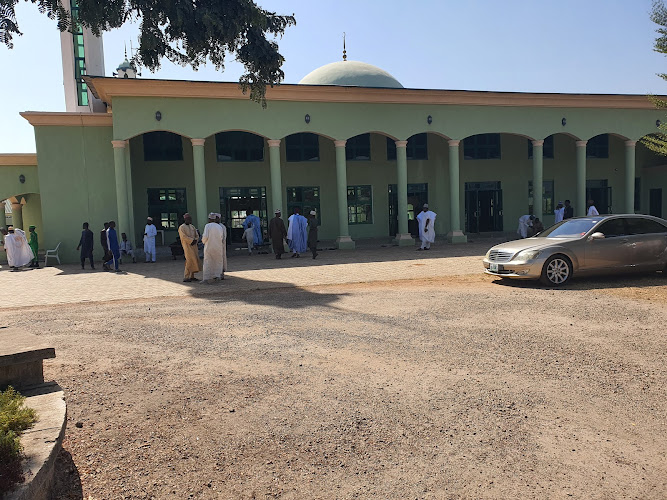
ITN Mosque, Zaria
Find Accommodations Nearby
Recommended Tours & Activities
Visitor Reviews
There are no reviews yet. Be the first one to write one.
Share Your Experience
Have you visited Zaria? Help other travelers by leaving a review.