Description
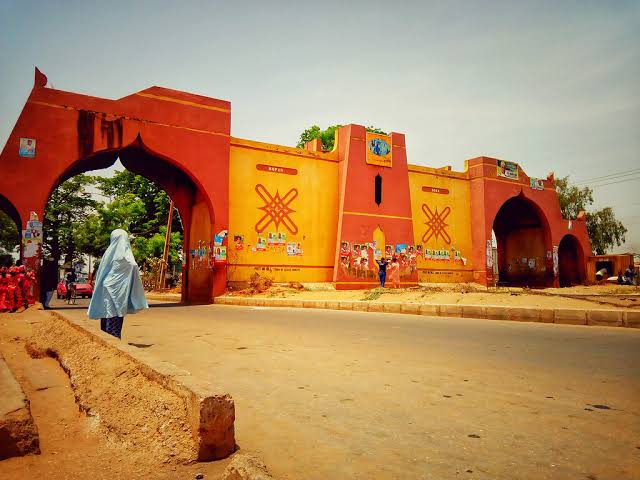
The gate played a strategic role back when Kano was a fortified city, serving as one of the controlled entry points into the old urban center. Traders, messengers, warriors, farmers… they all passed through Kofar Doka at different points in history. Today, the gate sits within a busy modern environment, which I find oddly comforting. It’s not frozen behind glass. Life flows around it. Motorcycles hum past, kids laugh nearby, and elders sit and talk as if the gate were an old friend. And maybe it is.
As a tourist attraction, Kofar Doka doesn’t try too hard to impress, and that’s part of its charm. Some visitors love it instantly, others shrug and say, “Okay, I’ve seen it.” Both reactions are fair. This isn’t a polished museum experience. It’s raw, real, and sometimes a little confusing if you don’t know the backstory. But if you slow down and let your imagination do some work, the place opens up. You start picturing caravans arriving from distant lands, carrying salt, leather, kola nuts, and news from far away.
The structure itself reflects traditional Hausa architectural techniques, built thick for defense and insulation. The weathered surfaces show signs of repair over the years, which tells you the gate wasn’t abandoned and forgotten. It was used, maintained, argued over, probably cursed at during hot afternoons. I like thinking about that human side of it. Not the heroic stuff only, but the everyday annoyance of waiting at a gate, or guarding it during a long night shift.
Kofar Doka is also surprisingly approachable. Families visit, kids run around, and there’s nothing intimidating about the space. Accessibility has clearly been considered, which matters more than people realize until they need it. Wheelchair users can enter without hassle, and that inclusivity gives the site a modern relevance without erasing its past. It’s history you can touch, walk through, and argue about with your travel companions over who would’ve made a good gatekeeper back in the day.
Best Time to Visit
The best time to visit Kofar Doka is in the morning, hands down. Early hours bring softer light, fewer crowds, and cooler air. If you’re anything like me, you’ll appreciate not sweating through your shirt while trying to appreciate 15th-century architecture. Morning also tends to be when locals are more relaxed and open to chatting, which can turn a quick stop into a memorable conversation.
Season-wise, the dry months are easier for travelers. Less dust clinging to everything, fewer muddy patches, and clearer skies for photos. But there’s something kind of dramatic about the rainy season too, when the earth darkens and the gate looks heavier, more serious somehow. Just be prepared for slippery ground and the occasional sudden downpour. Kano weather doesn’t always ask permission.
Weekdays are calmer compared to weekends. On weekends, families and local visitors increase, which can be nice if you enjoy people-watching, but less ideal if you want quiet reflection. Religious holidays can also change the vibe completely, with more activity and sometimes restricted access nearby. I once showed up during a local event and had to improvise my plan, which, to be fair, is half of traveling anyway.
How to Get There
Getting to Kofar Doka is fairly straightforward if you’re already within Kano. Taxis, ride-hailing services, and local transport all know the general area, even if they argue about the fastest route. And yes, they will argue. Sit back and enjoy it. If you’re driving yourself, be patient with traffic and don’t expect perfect signage. Asking locals is still the most reliable navigation system around here.
For travelers unfamiliar with the city, going with a local guide or joining a planned visit makes things easier. Not because the gate is hard to find, but because the context matters. Without it, you might stand there for five minutes, take a photo, and leave. With a bit of explanation, the place suddenly feels layered and meaningful. Advance planning is recommended, especially if you’re coordinating with guides or visiting during peak travel periods.
Public transport can get you close, but you’ll likely walk the last stretch. That walk is part of the experience, honestly. You’ll pass small shops, food sellers, and everyday scenes that remind you this is a living city, not a historical theme park. Just keep your belongings secure and your curiosity open.
Tips for Visiting
First tip: give it time. Not hours, necessarily, but more than a rushed stop. Stand there. Walk around. Look at the details. The cracks, the repairs, the way people interact with the space. That’s where the real value is. I made the mistake my first time of treating it like a checkbox attraction, and I regretted it almost immediately.
Dress modestly and comfortably. This is a cultural and historical site within an active community. Respect goes a long way, and you’ll feel more at ease blending in rather than standing out awkwardly. Comfortable shoes are a must. The ground isn’t always even, and you don’t want to be thinking about your feet instead of the place.
Bring water, especially during hotter months. There may be vendors nearby, but I’ve learned the hard way not to rely on “maybe.” Hydration makes you a better traveler, full stop.
If you’re visiting with kids, let them explore a bit. The site is considered good for children, and watching history spark curiosity in younger minds is pretty great. Explain what the gate was for, maybe turn it into a little story about guards and travelers. Kids get it faster than adults sometimes.
Photography is welcome, but be mindful of people. Ask before taking close-up shots of locals. A smile and a quick gesture usually do the trick. And sometimes you’ll get a story along with permission, which is the best souvenir.
Finally, manage your expectations. Kofar Doka isn’t flashy, and it doesn’t need to be. Its power comes from age, endurance, and continuity. If you’re looking for polished displays and digital screens, you might leave underwhelmed. But if you’re the kind of traveler who enjoys places that feel honest and a little rough around the edges, this gate might stick with you longer than you expect. It did with me, and I still think about it whenever conversations turn to how cities remember their past.