
Zapote
About Zapote
Description
The Zapote represents one of those fascinating destinations that travelers often stumble upon rather than actively seek out, which honestly makes discovering it all the more rewarding. This location has developed a reputation among those who've ventured there as a place that delivers authentic experiences without the overwhelming tourist crowds you'll find at more commercialized spots. When you first arrive at Zapote, you'll notice immediately that it doesn't try too hard to impress. And that's precisely what makes it special, in my opinion. The atmosphere feels genuine, the kind of place where locals actually go about their daily lives rather than performing for camera-wielding visitors. I remember talking to a fellow traveler who'd spent three weeks exploring the region, and she said Zapote was the one place where she felt she'd actually connected with the local culture rather than just observing it from behind a camera lens. The name itself, Zapote, comes from the native fruit tree that's been part of the landscape for generations. You'll see these trees dotted throughout the area, their branches heavy with the sweet brown fruit that locals have harvested for centuries. There's something grounding about visiting a place that's named after something so organic and tied to the land itself. What strikes most visitors is how Zapote manages to balance accessibility with authenticity. It hasn't been completely overtaken by tourism infrastructure, but there's enough there that you won't feel completely lost if you don't speak the local language fluently. Though honestly, bringing a translation app or learning a few key phrases will definitely enhance your experience here.Key Features
Travelers who make the journey to Zapote consistently highlight several distinctive aspects that make this destination worth adding to your itinerary: • The local market scene operates on a rhythm that's remained largely unchanged for decades, with vendors arriving before dawn to set up their stalls filled with regional produce, handcrafted goods, and traditional foods you won't find anywhere else • Architecture throughout the area reflects multiple historical periods, creating this fascinating visual timeline where colonial-era structures stand alongside more modern buildings without feeling jarring or out of place • Green spaces provide unexpected pockets of tranquility where you can actually hear birdsong rather than traffic noise, which is increasingly rare in today's world • The culinary scene leans heavily into traditional preparation methods, with many establishments still using recipes passed down through families rather than adapted for tourist palates • Community gatherings happen regularly in public spaces, and visitors who time their trip right might witness local celebrations that offer genuine cultural insight • Walking paths and trails connect different parts of the area, making it surprisingly easy to explore on foot if you're someone who prefers to experience places at a slower pace • Small workshops and studios dot the landscape where artisans practice traditional crafts, and many welcome visitors who show genuine interest in learning about their techniques • The local population tends to be welcoming toward respectful travelers, creating opportunities for meaningful exchanges that go beyond superficial tourist interactionsBest Time to Visit
Timing your visit to Zapote really depends on what kind of experience you're after, and I'll be honest with you – there's no universally "perfect" time that works for everyone. The dry season typically runs from November through April, and this is when you'll encounter the most comfortable weather conditions. Temperatures stay moderate, rainfall is minimal, and you can plan outdoor activities without constantly checking the sky for storm clouds. But here's the thing – this is also when Zapote sees its highest visitor numbers. Now, it's not going to be anywhere near as crowded as major tourist hotspots, but you'll definitely notice more travelers around. If you're someone who really values having places mostly to yourself, consider visiting during the shoulder months of May or October. The weather's still pretty decent, though you might encounter occasional rain showers. Pack a light rain jacket and you'll be fine. I actually prefer traveling during these transitional periods because everything feels more relaxed, prices sometimes drop a bit, and locals have more time to chat since they're not constantly dealing with peak season demands. The rainy season from June through September brings its own magic to Zapote. Yes, you'll get wet, but the landscape transforms into something incredibly lush and beautiful. Plus, there's something oddly peaceful about being in a place when the weather's keeping the fair-weather travelers away. Just be prepared for potential transportation delays and always have a backup plan for outdoor activities. Local festivals and celebrations can make or break your experience regardless of season. Do some research before booking your dates because participating in a traditional festival can become the highlight of your entire trip. On the flip side, if you're after quiet contemplation, arriving during a major celebration might not align with your goals.How to Get There
Getting to Zapote requires a bit more effort than simply hopping on a direct flight, and honestly, the journey there becomes part of the adventure if you approach it with the right mindset. Most travelers fly into the nearest major airport and then need to arrange ground transportation to reach Zapote. The drive typically takes a few hours depending on traffic and road conditions. You've got several options for covering this distance, each with its own pros and cons. Renting a car gives you maximum flexibility and freedom to explore at your own pace. If you're comfortable driving in unfamiliar territory and navigating without perfect road signage, this can be the best choice. Just make sure your GPS is working properly or you've downloaded offline maps because cell service can get spotty in certain stretches. And fair warning – driving styles might differ from what you're used to back home. Public buses run regularly between the airport area and Zapote, offering the most budget-friendly option. The trade-off is time and comfort. Buses make multiple stops, the journey takes longer, and you'll be sharing space with locals going about their daily commutes. But if you're the type of traveler who finds these experiences enriching rather than exhausting, it's definitely doable. Hiring a private car or shuttle offers a middle ground between cost and convenience. Yes, it's more expensive than the bus, but you'll have air conditioning, more personal space, and potentially a driver who speaks some English and can share local insights during the ride. Several companies offer this service, though booking in advance is recommended especially during busier travel periods. Some adventurous travelers actually combine different transportation methods, maybe taking a bus partway and then arranging local transportation for the final leg. There's no single "right" way to do it.Tips for Visiting
After talking with numerous travelers who've visited Zapote and drawing on general travel wisdom, here are some practical suggestions that'll help you make the most of your time there. Bring cash in small denominations. While larger establishments might accept cards, many local vendors and small businesses operate on a cash-only basis. And trust me, trying to get change for a large bill at a small family-run eatery creates an awkward situation for everyone involved. Learn at least basic greetings and polite phrases in the local language. Even if your pronunciation is terrible – and mine definitely was when I first started traveling – the effort itself demonstrates respect and usually earns you warmer interactions. People appreciate when visitors try to meet them partway linguistically rather than just assuming everyone speaks English. Pack layers regardless of when you're visiting. Microclimates can create surprising temperature variations throughout the day, and you'll want options whether you're exploring in full sun or ducking into air-conditioned spaces. Give yourself more time than you think you need. One of the biggest mistakes travelers make is rushing through places like Zapote trying to tick off some predetermined checklist of sights. The real magic happens when you slow down enough to notice the details – the way afternoon light hits a particular building, an unexpected conversation with a local shop owner, stumbling upon a tiny cafe that serves the best coffee you've ever tasted. Respect local customs and dress codes, particularly if you're visiting any religious or culturally significant sites. When in doubt, err on the side of modesty and formality. You can always remove a layer or roll up sleeves, but you can't really add clothing you didn't bring. Stay flexible with your plans. Things don't always run on strict schedules in places like Zapote, and that's actually part of the charm once you adjust your expectations. That shop you wanted to visit might close early because the owner's daughter has a school event. The restaurant you picked out might be closed on a day that doesn't match what you found online. Roll with it. Connect with other travelers when opportunities arise naturally. Some of my best travel memories come from unexpected connections with fellow visitors who shared tips, joined for a meal, or just provided good conversation after a long day of exploring. Take care of your health basics. Stay hydrated, use sunscreen, and pay attention to food safety particularly if you have a sensitive stomach. Getting sick during your trip isn't just unpleasant – it wastes precious travel time lying in a hotel room instead of exploring. Document your experiences in whatever way feels natural to you, but don't experience the entire place through a camera lens. Sometimes the best memories are the ones we just allow ourselves to fully experience in the moment.Key Features
- Shaded walking paths and open lawns
- Community gathering and event space
- Accessible location on Zapote Street, near Biñan city center
- Casual vendor/food options during peak times
- Good spot for families and people-watching
More Details
Updated January 5, 2026
Table of Contents
Description
The Zapote represents one of those fascinating destinations that travelers often stumble upon rather than actively seek out, which honestly makes discovering it all the more rewarding. This location has developed a reputation among those who’ve ventured there as a place that delivers authentic experiences without the overwhelming tourist crowds you’ll find at more commercialized spots.
When you first arrive at Zapote, you’ll notice immediately that it doesn’t try too hard to impress. And that’s precisely what makes it special, in my opinion. The atmosphere feels genuine, the kind of place where locals actually go about their daily lives rather than performing for camera-wielding visitors. I remember talking to a fellow traveler who’d spent three weeks exploring the region, and she said Zapote was the one place where she felt she’d actually connected with the local culture rather than just observing it from behind a camera lens.
The name itself, Zapote, comes from the native fruit tree that’s been part of the landscape for generations. You’ll see these trees dotted throughout the area, their branches heavy with the sweet brown fruit that locals have harvested for centuries. There’s something grounding about visiting a place that’s named after something so organic and tied to the land itself.
What strikes most visitors is how Zapote manages to balance accessibility with authenticity. It hasn’t been completely overtaken by tourism infrastructure, but there’s enough there that you won’t feel completely lost if you don’t speak the local language fluently. Though honestly, bringing a translation app or learning a few key phrases will definitely enhance your experience here.
Key Features
Travelers who make the journey to Zapote consistently highlight several distinctive aspects that make this destination worth adding to your itinerary:
• The local market scene operates on a rhythm that’s remained largely unchanged for decades, with vendors arriving before dawn to set up their stalls filled with regional produce, handcrafted goods, and traditional foods you won’t find anywhere else
• Architecture throughout the area reflects multiple historical periods, creating this fascinating visual timeline where colonial-era structures stand alongside more modern buildings without feeling jarring or out of place
• Green spaces provide unexpected pockets of tranquility where you can actually hear birdsong rather than traffic noise, which is increasingly rare in today’s world
• The culinary scene leans heavily into traditional preparation methods, with many establishments still using recipes passed down through families rather than adapted for tourist palates
• Community gatherings happen regularly in public spaces, and visitors who time their trip right might witness local celebrations that offer genuine cultural insight
• Walking paths and trails connect different parts of the area, making it surprisingly easy to explore on foot if you’re someone who prefers to experience places at a slower pace
• Small workshops and studios dot the landscape where artisans practice traditional crafts, and many welcome visitors who show genuine interest in learning about their techniques
• The local population tends to be welcoming toward respectful travelers, creating opportunities for meaningful exchanges that go beyond superficial tourist interactions
Best Time to Visit
Timing your visit to Zapote really depends on what kind of experience you’re after, and I’ll be honest with you – there’s no universally “perfect” time that works for everyone.
The dry season typically runs from November through April, and this is when you’ll encounter the most comfortable weather conditions. Temperatures stay moderate, rainfall is minimal, and you can plan outdoor activities without constantly checking the sky for storm clouds. But here’s the thing – this is also when Zapote sees its highest visitor numbers. Now, it’s not going to be anywhere near as crowded as major tourist hotspots, but you’ll definitely notice more travelers around.
If you’re someone who really values having places mostly to yourself, consider visiting during the shoulder months of May or October. The weather’s still pretty decent, though you might encounter occasional rain showers. Pack a light rain jacket and you’ll be fine. I actually prefer traveling during these transitional periods because everything feels more relaxed, prices sometimes drop a bit, and locals have more time to chat since they’re not constantly dealing with peak season demands.
The rainy season from June through September brings its own magic to Zapote. Yes, you’ll get wet, but the landscape transforms into something incredibly lush and beautiful. Plus, there’s something oddly peaceful about being in a place when the weather’s keeping the fair-weather travelers away. Just be prepared for potential transportation delays and always have a backup plan for outdoor activities.
Local festivals and celebrations can make or break your experience regardless of season. Do some research before booking your dates because participating in a traditional festival can become the highlight of your entire trip. On the flip side, if you’re after quiet contemplation, arriving during a major celebration might not align with your goals.
How to Get There
Getting to Zapote requires a bit more effort than simply hopping on a direct flight, and honestly, the journey there becomes part of the adventure if you approach it with the right mindset.
Most travelers fly into the nearest major airport and then need to arrange ground transportation to reach Zapote. The drive typically takes a few hours depending on traffic and road conditions. You’ve got several options for covering this distance, each with its own pros and cons.
Renting a car gives you maximum flexibility and freedom to explore at your own pace. If you’re comfortable driving in unfamiliar territory and navigating without perfect road signage, this can be the best choice. Just make sure your GPS is working properly or you’ve downloaded offline maps because cell service can get spotty in certain stretches. And fair warning – driving styles might differ from what you’re used to back home.
Public buses run regularly between the airport area and Zapote, offering the most budget-friendly option. The trade-off is time and comfort. Buses make multiple stops, the journey takes longer, and you’ll be sharing space with locals going about their daily commutes. But if you’re the type of traveler who finds these experiences enriching rather than exhausting, it’s definitely doable.
Hiring a private car or shuttle offers a middle ground between cost and convenience. Yes, it’s more expensive than the bus, but you’ll have air conditioning, more personal space, and potentially a driver who speaks some English and can share local insights during the ride. Several companies offer this service, though booking in advance is recommended especially during busier travel periods.
Some adventurous travelers actually combine different transportation methods, maybe taking a bus partway and then arranging local transportation for the final leg. There’s no single “right” way to do it.
Tips for Visiting
After talking with numerous travelers who’ve visited Zapote and drawing on general travel wisdom, here are some practical suggestions that’ll help you make the most of your time there.
Bring cash in small denominations. While larger establishments might accept cards, many local vendors and small businesses operate on a cash-only basis. And trust me, trying to get change for a large bill at a small family-run eatery creates an awkward situation for everyone involved.
Learn at least basic greetings and polite phrases in the local language. Even if your pronunciation is terrible – and mine definitely was when I first started traveling – the effort itself demonstrates respect and usually earns you warmer interactions. People appreciate when visitors try to meet them partway linguistically rather than just assuming everyone speaks English.
Pack layers regardless of when you’re visiting. Microclimates can create surprising temperature variations throughout the day, and you’ll want options whether you’re exploring in full sun or ducking into air-conditioned spaces.
Give yourself more time than you think you need. One of the biggest mistakes travelers make is rushing through places like Zapote trying to tick off some predetermined checklist of sights. The real magic happens when you slow down enough to notice the details – the way afternoon light hits a particular building, an unexpected conversation with a local shop owner, stumbling upon a tiny cafe that serves the best coffee you’ve ever tasted.
Respect local customs and dress codes, particularly if you’re visiting any religious or culturally significant sites. When in doubt, err on the side of modesty and formality. You can always remove a layer or roll up sleeves, but you can’t really add clothing you didn’t bring.
Stay flexible with your plans. Things don’t always run on strict schedules in places like Zapote, and that’s actually part of the charm once you adjust your expectations. That shop you wanted to visit might close early because the owner’s daughter has a school event. The restaurant you picked out might be closed on a day that doesn’t match what you found online. Roll with it.
Connect with other travelers when opportunities arise naturally. Some of my best travel memories come from unexpected connections with fellow visitors who shared tips, joined for a meal, or just provided good conversation after a long day of exploring.
Take care of your health basics. Stay hydrated, use sunscreen, and pay attention to food safety particularly if you have a sensitive stomach. Getting sick during your trip isn’t just unpleasant – it wastes precious travel time lying in a hotel room instead of exploring.
Document your experiences in whatever way feels natural to you, but don’t experience the entire place through a camera lens. Sometimes the best memories are the ones we just allow ourselves to fully experience in the moment.
Key Highlights
- Shaded walking paths and open lawns
- Community gathering and event space
- Accessible location on Zapote Street, near Biñan city center
- Casual vendor/food options during peak times
- Good spot for families and people-watching
Location
Places to Stay Near City of Biñan People's Park
Find and Book a Tour
Explore More Travel Guides
No reviews found! Be the first to review!
Traveler Reviews for Zapote
There are no reviews yet. Be the first one to write one.
Have you visited Zapote? Help other travelers by sharing your review.
Nearby Attractions
You Might Also Like

Jose Rizal Monument - Biñan
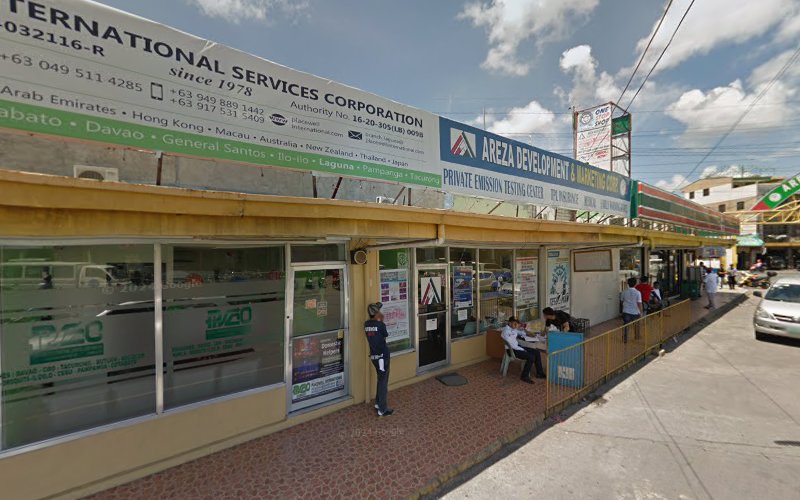
Areza Development & Marketing Corp

School of Rizal Site and Museum
Find Accommodations Nearby
Recommended Tours & Activities
Visitor Reviews
There are no reviews yet. Be the first one to write one.
Share Your Experience
Have you visited Zapote? Help other travelers by leaving a review.