

Ambrosio Rianzares Bautista Historical Marker – Biñan City Hall
About Ambrosio Rianzares Bautista Historical Marker – Biñan City Hall
Description
Standing proudly at Biñan City Hall, the Ambrosio Rianzares Bautista Historical Marker serves as a powerful reminder of one of the Philippines' most influential yet underappreciated heroes. You might walk past it thinking it's just another brass plaque on a government building, but here's the thing – this marker honors the man who actually read the Philippine Declaration of Independence on June 12, 1898. Yeah, that guy. While Emilio Aguinaldo gets most of the credit in history books, Bautista was the legal mind and eloquent voice who penned and proclaimed those revolutionary words that changed the course of Filipino history forever. The marker itself might seem modest at first glance, but that's kind of the point. It represents the quiet dignity of a man who worked behind the scenes, crafting legal documents and revolutionary manifestos while others stood in the spotlight. Located in Biñan, his hometown, the marker connects this bustling Laguna city to its remarkable past. Bautista wasn't just some guy with a pen – he was a lawyer, scholar, and revolutionary who understood that freedom needed to be articulated clearly and forcefully if it was going to mean anything at all. What makes this historical marker particularly special is its placement at the City Hall. There's something poetic about honoring a man who helped establish Philippine sovereignty right at the seat of local governance. It's a daily reminder to government officials and citizens alike about the responsibility that comes with the freedom Bautista helped secure. And honestly, we could all use more reminders like that these days. The marker tells visitors about Bautista's life from his birth in Biñan in 1830 to his contributions as the author of the Acta de la Proclamación de Independencia del Pueblo Filipino. He was also a journalist, founding several newspapers that pushed for reforms during Spanish colonial rule. But here's what most people don't know – Bautista was already in his late sixties when he read the Declaration of Independence. Imagine having that much fire and conviction at that age, standing before a crowd and essentially declaring war on a colonial empire.Key Features
The Ambrosio Rianzares Bautista Historical Marker offers several noteworthy aspects that make it worth adding to your Laguna itinerary:- The marker provides detailed information about Bautista's role as the author of the Philippine Declaration of Independence, a fact that surprises many visitors who weren't taught this in school
- Historical context presented on the marker explains Bautista's journalistic work and his contributions to the propaganda movement that preceded armed revolution
- The location at Biñan City Hall creates an authentic connection between past and present governance, making history feel more relevant to contemporary Filipino life
- The marker is family-friendly and particularly educational for children learning about Philippine history, offering a tangible connection to textbook lessons
- Surrounding areas include other historical sites related to another famous Biñan native, Jose Rizal, allowing for a comprehensive historical tour of the city
- The marker features the official seal of the National Historical Commission of the Philippines, indicating its recognized importance in national heritage
- Photo opportunities abound with the City Hall architecture serving as a dignified backdrop to the historical marker
- The site is accessible and doesn't require entrance fees, making it an inclusive educational experience for all economic backgrounds
Best Time to Visit
Timing your visit to the Ambrosio Rianzares Bautista Historical Marker really depends on what kind of experience you're after. The marker itself is accessible year-round since it's located at a public government building, but let me share some thoughts based on practical considerations. If you want the best weather and comfortable conditions for taking photos and reading the historical information, aim for the dry season between November and April. December through February offers the coolest temperatures, which matters when you're standing outside reading historical text under the Philippine sun. Trust me, trying to concentrate on 19th-century history when sweat is dripping into your eyes isn't anyone's idea of a good time. However, visiting during Independence Day on June 12th carries special significance. Many local government units, including Biñan, organize commemoration activities around this date. You might catch wreath-laying ceremonies or historical programs at City Hall that bring additional context to Bautista's contributions. The atmosphere becomes more celebratory and patriotic, which adds emotional weight to your visit. But expect crowds during this time. Weekday mornings between 8 AM and 10 AM offer the quietest visiting conditions if you prefer a more contemplative experience. City Hall operates during these hours, but before the lunch rush, foot traffic remains manageable. Early morning light also provides better photography conditions, with softer shadows and less harsh glare on the marker's metal surface. Avoid visiting during heavy rain season from June through October unless you don't mind getting drenched. The marker is outdoors, and while a quick look is possible with an umbrella, you won't fully appreciate the information presented while fighting against wind and rain. Plus, wet metal markers can be difficult to photograph without glare. School break periods, particularly April and May, see increased family visits. This can be either positive or negative depending on your preference. More families mean a livelier atmosphere but also mean you might need to wait for your turn to take photos without photobombers.How to Get There
Getting to the Ambrosio Rianzares Bautista Historical Marker at Biñan City Hall is pretty straightforward, especially considering Biñan's proximity to Metro Manila. The city sits along major transportation routes connecting the capital region to southern Luzon, making it accessible through various means. If you're driving from Manila, take the South Luzon Expressway (SLEX) and exit at Biñan. The City Hall is located near the city center, and most navigation apps will get you there without hassle. Parking is available around the City Hall complex, though spaces can fill up during busy government transaction hours. Weekday afternoons after 2 PM and weekends generally offer better parking availability. For those using public transportation, multiple options exist. Buses bound for Laguna provinces pass through Biñan regularly from various Manila terminals. From Pasay, you can catch buses at terminals along EDSA that have signboards indicating "Sta. Rosa," "Calamba," or points further south – all pass through Biñan. Tell the conductor you're dropping off at Biñan City Hall or the city center. The fare is surprisingly affordable, usually less than 100 pesos depending on your exact starting point. Once you arrive at Biñan's main roads, tricycles serve as the primary mode of local transport. These three-wheeled vehicles can take you directly to City Hall for a minimal fare. Don't be shy about negotiating the price beforehand, though most drivers are honest about the standard rates. The tricycle ride from major Biñan landmarks to City Hall typically takes less than ten minutes. Jeepneys also service routes throughout Biñan, including those passing near City Hall. Look for jeepneys with "Biñan" on their signboards. The drivers are usually helpful if you ask where to drop off for City Hall. Just prepare exact or near-exact change since drivers often struggle with large bills. For travelers coming from nearby Laguna destinations like Los Baños or Calamba, local buses and jeepneys run regularly between these cities. The interconnected public transportation system in Laguna makes city-hopping quite manageable even without a private vehicle. Ride-hailing services like Grab operate in Biñan, offering convenient door-to-door service if you prefer air-conditioned comfort over the more adventurous public transport experience. However, during peak hours, finding available drivers might take longer than usual.Tips for Visiting
Before you head out to see the Ambrosio Rianzares Bautista Historical Marker, let me share some practical advice that'll make your visit more rewarding. These are things I wish someone had told me before my first visit to historical markers around the Philippines. First off, come prepared with some background knowledge about Bautista. While the marker provides information, your experience deepens considerably when you already understand the context. Read up on the Philippine Revolution and the events of June 1898 beforehand. This transforms your visit from just reading a plaque to actually connecting with a pivotal moment in history. Bring water and maybe a small umbrella or hat. The marker is outdoors, and depending on when you visit, you'll be exposed to sun or rain. Staying comfortable lets you take your time reading and reflecting rather than rushing through because you're overheating. I've seen too many tourists snap a quick photo and leave without actually reading the marker's text simply because they were uncomfortable. Dress respectfully. You're visiting a government building and a site honoring a national hero, so tank tops and beach attire probably aren't appropriate. Plus, if you decide to enter City Hall for any reason, security might restrict entry based on dress code. Business casual works perfectly. Don't forget your camera or smartphone, but here's a tip – take photos of the marker's text clearly enough that you can read it later. Many markers contain information not easily found online, and having readable photos lets you reference details when sharing your experience or writing about your trip. Adjust your angle to minimize glare on the metal surface. Consider combining your visit with other Biñan historical sites. The Teodoro M. Kalaw Ancestral House and various sites related to Jose Rizal's mother, Teodora Alonso (who was from Biñan), are nearby. Making a historical circuit of Biñan provides fuller appreciation of why this small city produced so many significant figures in Philippine history. If you're visiting with kids, prepare them beforehand with age-appropriate stories about Bautista and the Philippine Revolution. The marker is definitely good for kids as the description indicates, but children engage more meaningfully when they have context. Maybe frame it as visiting the memorial to "the man who read the Philippine birthday announcement to the whole country." Be patient with other visitors. Historical markers attract students working on school projects, families on educational outings, and fellow history enthusiasts. Everyone deserves their moment with the marker, so practice courtesy in sharing the space. Sometimes striking up conversations with other visitors leads to interesting discussions about history and different perspectives on these events. Check if City Hall has any ongoing renovations or special events that might affect access. While the marker itself is public, security measures or special government functions occasionally limit access to certain areas. A quick call to City Hall's public information office can save you a wasted trip. Finally, take a moment for genuine reflection. In our age of quick social media posts and moving on to the next destination, historical sites like this offer rare opportunities to pause and think about the courage required to declare independence from a colonial empire. Bautista and his contemporaries risked everything for a free Philippines. That deserves more than just a selfie and a hasty departure.Key Features
- The marker provides detailed information about Bautista's role as the author of the Philippine Declaration of Independence, a fact that surprises many visitors who weren't taught this in school
- Historical context presented on the marker explains Bautista's journalistic work and his contributions to the propaganda movement that preceded armed revolution
- The location at Biñan City Hall creates an authentic connection between past and present governance, making history feel more relevant to contemporary Filipino life
- The marker is family-friendly and particularly educational for children learning about Philippine history, offering a tangible connection to textbook lessons
- Surrounding areas include other historical sites related to another famous Biñan native, Jose Rizal, allowing for a comprehensive historical tour of the city
- The marker features the official seal of the National Historical Commission of the Philippines, indicating its recognized importance in national heritage
- Photo opportunities abound with the City Hall architecture serving as a dignified backdrop to the historical marker
- The site is accessible and doesn't require entrance fees, making it an inclusive educational experience for all economic backgrounds
More Details
Updated January 5, 2026
Table of Contents
- Description
- Key Features
- Best Time to Visit
- How to Get There
- Tips for Visiting
- Key Highlights
- Location
- Places to Stay Near Ambrosio Rianzares Bautista Historical Marker - Biñan City Hall
- Find and Book a Tour
- Explore More Travel Guides
- Nearby Places You Might Like
- Traveler Reviews for Ambrosio Rianzares Bautista Historical Marker – Biñan City Hall
- Share Your Experience
Description
Standing proudly at Biñan City Hall, the Ambrosio Rianzares Bautista Historical Marker serves as a powerful reminder of one of the Philippines’ most influential yet underappreciated heroes. You might walk past it thinking it’s just another brass plaque on a government building, but here’s the thing – this marker honors the man who actually read the Philippine Declaration of Independence on June 12, 1898. Yeah, that guy. While Emilio Aguinaldo gets most of the credit in history books, Bautista was the legal mind and eloquent voice who penned and proclaimed those revolutionary words that changed the course of Filipino history forever.
The marker itself might seem modest at first glance, but that’s kind of the point. It represents the quiet dignity of a man who worked behind the scenes, crafting legal documents and revolutionary manifestos while others stood in the spotlight. Located in Biñan, his hometown, the marker connects this bustling Laguna city to its remarkable past. Bautista wasn’t just some guy with a pen – he was a lawyer, scholar, and revolutionary who understood that freedom needed to be articulated clearly and forcefully if it was going to mean anything at all.
What makes this historical marker particularly special is its placement at the City Hall. There’s something poetic about honoring a man who helped establish Philippine sovereignty right at the seat of local governance. It’s a daily reminder to government officials and citizens alike about the responsibility that comes with the freedom Bautista helped secure. And honestly, we could all use more reminders like that these days.
The marker tells visitors about Bautista’s life from his birth in Biñan in 1830 to his contributions as the author of the Acta de la Proclamación de Independencia del Pueblo Filipino. He was also a journalist, founding several newspapers that pushed for reforms during Spanish colonial rule. But here’s what most people don’t know – Bautista was already in his late sixties when he read the Declaration of Independence. Imagine having that much fire and conviction at that age, standing before a crowd and essentially declaring war on a colonial empire.
Key Features
The Ambrosio Rianzares Bautista Historical Marker offers several noteworthy aspects that make it worth adding to your Laguna itinerary:
- The marker provides detailed information about Bautista’s role as the author of the Philippine Declaration of Independence, a fact that surprises many visitors who weren’t taught this in school
- Historical context presented on the marker explains Bautista’s journalistic work and his contributions to the propaganda movement that preceded armed revolution
- The location at Biñan City Hall creates an authentic connection between past and present governance, making history feel more relevant to contemporary Filipino life
- The marker is family-friendly and particularly educational for children learning about Philippine history, offering a tangible connection to textbook lessons
- Surrounding areas include other historical sites related to another famous Biñan native, Jose Rizal, allowing for a comprehensive historical tour of the city
- The marker features the official seal of the National Historical Commission of the Philippines, indicating its recognized importance in national heritage
- Photo opportunities abound with the City Hall architecture serving as a dignified backdrop to the historical marker
- The site is accessible and doesn’t require entrance fees, making it an inclusive educational experience for all economic backgrounds
Best Time to Visit
Timing your visit to the Ambrosio Rianzares Bautista Historical Marker really depends on what kind of experience you’re after. The marker itself is accessible year-round since it’s located at a public government building, but let me share some thoughts based on practical considerations.
If you want the best weather and comfortable conditions for taking photos and reading the historical information, aim for the dry season between November and April. December through February offers the coolest temperatures, which matters when you’re standing outside reading historical text under the Philippine sun. Trust me, trying to concentrate on 19th-century history when sweat is dripping into your eyes isn’t anyone’s idea of a good time.
However, visiting during Independence Day on June 12th carries special significance. Many local government units, including Biñan, organize commemoration activities around this date. You might catch wreath-laying ceremonies or historical programs at City Hall that bring additional context to Bautista’s contributions. The atmosphere becomes more celebratory and patriotic, which adds emotional weight to your visit. But expect crowds during this time.
Weekday mornings between 8 AM and 10 AM offer the quietest visiting conditions if you prefer a more contemplative experience. City Hall operates during these hours, but before the lunch rush, foot traffic remains manageable. Early morning light also provides better photography conditions, with softer shadows and less harsh glare on the marker’s metal surface.
Avoid visiting during heavy rain season from June through October unless you don’t mind getting drenched. The marker is outdoors, and while a quick look is possible with an umbrella, you won’t fully appreciate the information presented while fighting against wind and rain. Plus, wet metal markers can be difficult to photograph without glare.
School break periods, particularly April and May, see increased family visits. This can be either positive or negative depending on your preference. More families mean a livelier atmosphere but also mean you might need to wait for your turn to take photos without photobombers.
How to Get There
Getting to the Ambrosio Rianzares Bautista Historical Marker at Biñan City Hall is pretty straightforward, especially considering Biñan’s proximity to Metro Manila. The city sits along major transportation routes connecting the capital region to southern Luzon, making it accessible through various means.
If you’re driving from Manila, take the South Luzon Expressway (SLEX) and exit at Biñan. The City Hall is located near the city center, and most navigation apps will get you there without hassle. Parking is available around the City Hall complex, though spaces can fill up during busy government transaction hours. Weekday afternoons after 2 PM and weekends generally offer better parking availability.
For those using public transportation, multiple options exist. Buses bound for Laguna provinces pass through Biñan regularly from various Manila terminals. From Pasay, you can catch buses at terminals along EDSA that have signboards indicating “Sta. Rosa,” “Calamba,” or points further south – all pass through Biñan. Tell the conductor you’re dropping off at Biñan City Hall or the city center. The fare is surprisingly affordable, usually less than 100 pesos depending on your exact starting point.
Once you arrive at Biñan’s main roads, tricycles serve as the primary mode of local transport. These three-wheeled vehicles can take you directly to City Hall for a minimal fare. Don’t be shy about negotiating the price beforehand, though most drivers are honest about the standard rates. The tricycle ride from major Biñan landmarks to City Hall typically takes less than ten minutes.
Jeepneys also service routes throughout Biñan, including those passing near City Hall. Look for jeepneys with “Biñan” on their signboards. The drivers are usually helpful if you ask where to drop off for City Hall. Just prepare exact or near-exact change since drivers often struggle with large bills.
For travelers coming from nearby Laguna destinations like Los Baños or Calamba, local buses and jeepneys run regularly between these cities. The interconnected public transportation system in Laguna makes city-hopping quite manageable even without a private vehicle.
Ride-hailing services like Grab operate in Biñan, offering convenient door-to-door service if you prefer air-conditioned comfort over the more adventurous public transport experience. However, during peak hours, finding available drivers might take longer than usual.
Tips for Visiting
Before you head out to see the Ambrosio Rianzares Bautista Historical Marker, let me share some practical advice that’ll make your visit more rewarding. These are things I wish someone had told me before my first visit to historical markers around the Philippines.
First off, come prepared with some background knowledge about Bautista. While the marker provides information, your experience deepens considerably when you already understand the context. Read up on the Philippine Revolution and the events of June 1898 beforehand. This transforms your visit from just reading a plaque to actually connecting with a pivotal moment in history.
Bring water and maybe a small umbrella or hat. The marker is outdoors, and depending on when you visit, you’ll be exposed to sun or rain. Staying comfortable lets you take your time reading and reflecting rather than rushing through because you’re overheating. I’ve seen too many tourists snap a quick photo and leave without actually reading the marker’s text simply because they were uncomfortable.
Dress respectfully. You’re visiting a government building and a site honoring a national hero, so tank tops and beach attire probably aren’t appropriate. Plus, if you decide to enter City Hall for any reason, security might restrict entry based on dress code. Business casual works perfectly.
Don’t forget your camera or smartphone, but here’s a tip – take photos of the marker’s text clearly enough that you can read it later. Many markers contain information not easily found online, and having readable photos lets you reference details when sharing your experience or writing about your trip. Adjust your angle to minimize glare on the metal surface.
Consider combining your visit with other Biñan historical sites. The Teodoro M. Kalaw Ancestral House and various sites related to Jose Rizal’s mother, Teodora Alonso (who was from Biñan), are nearby. Making a historical circuit of Biñan provides fuller appreciation of why this small city produced so many significant figures in Philippine history.
If you’re visiting with kids, prepare them beforehand with age-appropriate stories about Bautista and the Philippine Revolution. The marker is definitely good for kids as the description indicates, but children engage more meaningfully when they have context. Maybe frame it as visiting the memorial to “the man who read the Philippine birthday announcement to the whole country.”
Be patient with other visitors. Historical markers attract students working on school projects, families on educational outings, and fellow history enthusiasts. Everyone deserves their moment with the marker, so practice courtesy in sharing the space. Sometimes striking up conversations with other visitors leads to interesting discussions about history and different perspectives on these events.
Check if City Hall has any ongoing renovations or special events that might affect access. While the marker itself is public, security measures or special government functions occasionally limit access to certain areas. A quick call to City Hall’s public information office can save you a wasted trip.
Finally, take a moment for genuine reflection. In our age of quick social media posts and moving on to the next destination, historical sites like this offer rare opportunities to pause and think about the courage required to declare independence from a colonial empire. Bautista and his contemporaries risked everything for a free Philippines. That deserves more than just a selfie and a hasty departure.
Key Highlights
- The marker provides detailed information about Bautista's role as the author of the Philippine Declaration of Independence, a fact that surprises many visitors who weren't taught this in school
- Historical context presented on the marker explains Bautista's journalistic work and his contributions to the propaganda movement that preceded armed revolution
- The location at Biñan City Hall creates an authentic connection between past and present governance, making history feel more relevant to contemporary Filipino life
- The marker is family-friendly and particularly educational for children learning about Philippine history, offering a tangible connection to textbook lessons
- Surrounding areas include other historical sites related to another famous Biñan native, Jose Rizal, allowing for a comprehensive historical tour of the city
- The marker features the official seal of the National Historical Commission of the Philippines, indicating its recognized importance in national heritage
- Photo opportunities abound with the City Hall architecture serving as a dignified backdrop to the historical marker
- The site is accessible and doesn't require entrance fees, making it an inclusive educational experience for all economic backgrounds
Location
Places to Stay Near Ambrosio Rianzares Bautista Historical Marker - Biñan City Hall
Find and Book a Tour
Explore More Travel Guides
No reviews found! Be the first to review!
Traveler Reviews for Ambrosio Rianzares Bautista Historical Marker – Biñan City Hall
There are no reviews yet. Be the first one to write one.
Have you visited Ambrosio Rianzares Bautista Historical Marker – Biñan City Hall? Help other travelers by sharing your review.
You Might Also Like

School of Rizal Site and Museum
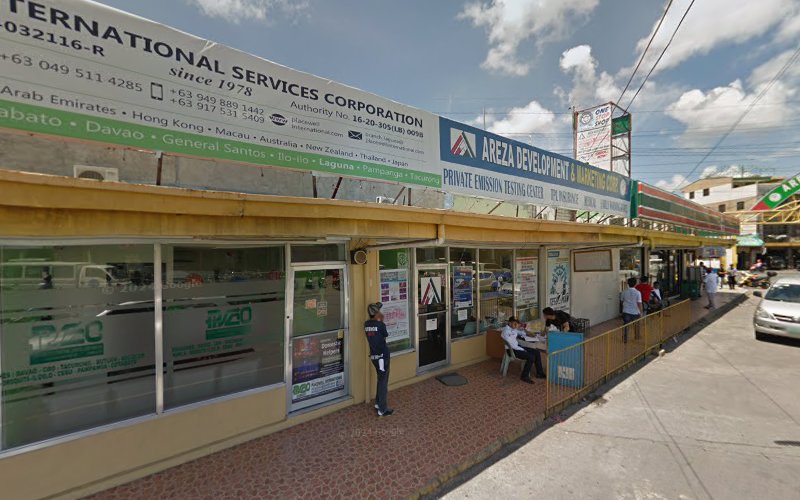
Areza Development & Marketing Corp

Jose Rizal Monument - Biñan
Find Accommodations Nearby
Recommended Tours & Activities
Visitor Reviews
There are no reviews yet. Be the first one to write one.
Share Your Experience
Have you visited Ambrosio Rianzares Bautista Historical Marker – Biñan City Hall? Help other travelers by leaving a review.