
Zanjan Saltmen Museum
About Zanjan Saltmen Museum
Description
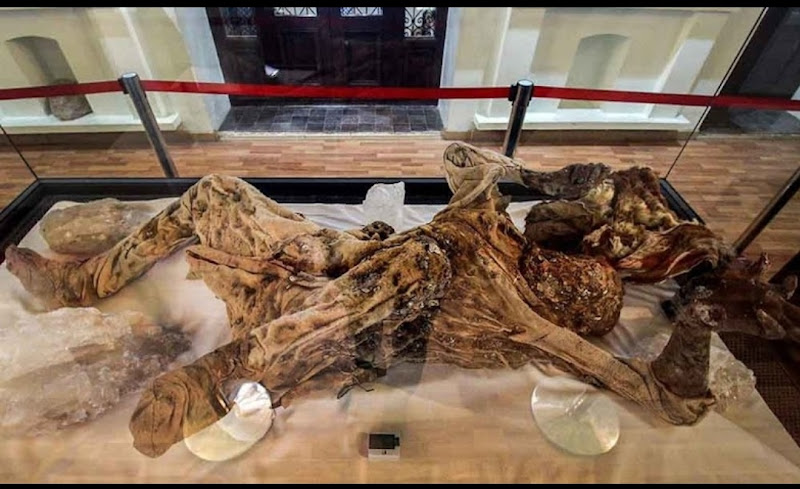
The Zanjan Saltmen Museum stands as one of Iran's most fascinating and somewhat eerie archaeological destinations, showcasing a remarkable collection of naturally mummified human remains discovered in the Chehrabad salt mines. This specialized museum tells the haunting story of ancient miners who met their fate thousands of years ago, preserved almost perfectly by the salt that they were working so hard to extract. When you first encounter these mummies, there's this weird mix of awe and sadness that hits you – these were real people going about their daily work who never made it home. The museum houses remains dating back to different historical periods, with the oldest specimen believed to be around 2,500 years old. What makes these saltmen absolutely unique in the archaeological world is their exceptional state of preservation. We're talking about skin, hair, clothing, and even internal organs that have survived millennia thanks to the natural dehydrating and antibacterial properties of salt. I remember reading about how researchers could still see the expression on one of the saltman's faces, and honestly, that stuck with me for days. The facility itself presents these ancient miners with respect and scientific rigor, explaining the circumstances of their discoveries and what researchers have learned from studying them. Through various exhibits, visitors can understand the salt mining techniques used in ancient Persia, the daily lives of these workers, and the geological conditions that made such remarkable preservation possible. And let me tell you, the educational value here is immense – you're not just looking at old bones, you're connecting with actual humans from antiquity in a way that most museums can't offer. The displays include tools, equipment, and personal belongings found alongside the mummies, painting a vivid picture of life (and death) in these dangerous mines. The museum does an admirable job of balancing scientific information with accessibility for general audiences, though admittedly some sections could use better English translations for international visitors.Key Features
- Six naturally preserved salt mummies dating from different historical periods, including one of the world's oldest preserved human specimens with remarkably intact features and clothing
- Original mining tools and equipment discovered at the excavation sites, providing insight into ancient Persian mining techniques and working conditions
- Detailed scientific explanations of the mummification process through salt preservation, including information about the unique chemical composition that prevented decomposition
- Personal artifacts found with the mummies, including leather boots, iron knives, gold earrings, and woolen trousers that survived thousands of years underground
- Educational displays about the history of salt mining in the Zanjan region, an industry that has operated continuously for over 2,500 years
- Archaeological context showing how the saltmen were discovered during modern mining operations, often by accident when contemporary miners stumbled upon their ancient predecessors
- Informative panels explaining the scientific studies conducted on the remains, including DNA analysis and dietary research that revealed what these ancient workers ate
- A collection of salt crystals and geological specimens that demonstrate the mineral composition responsible for the preservation
- Kid-friendly educational materials that make this potentially macabre subject matter accessible and interesting for younger visitors without being too frightening
Best Time to Visit
Planning your visit to the Zanjan Saltmen Museum requires considering both the regional climate and the practical aspects of museum touring. The facility operates year-round, but certain seasons offer more comfortable conditions for travelers exploring this part of northwestern Iran. Spring months from April through early June provide ideal visiting conditions. The weather during this period is pleasantly mild, making the journey to the museum comfortable and allowing you to explore other Zanjan attractions without dealing with extreme temperatures. The landscapes around the city bloom during spring, adding visual appeal to your trip. Plus, you'll find that crowds are generally manageable during these months, giving you more space to contemplate the exhibits without feeling rushed. Autumn, particularly September through November, presents another excellent window for visiting. The temperature drops to comfortable levels after the summer heat, and the city takes on a different character as locals prepare for winter. I've heard from travelers who visited during October that the experience felt more authentic somehow, maybe because there were fewer tour groups competing for viewing space around the main exhibits. Summer can be quite hot in Zanjan, with temperatures sometimes exceeding 35 degrees Celsius (95 Fahrenheit). But here's the thing – the museum itself is indoors and reasonably cool, so if you're already traveling through Iran during summer months, don't let the heat deter you completely. Just plan to arrive early in the morning when the museum opens, spend your afternoon in the cool interior, and you'll be fine. Winter visits are totally doable but come with challenges. Zanjan can get pretty cold, and occasionally snow affects transportation. However, winter also means you'll likely have the museum almost to yourself, which creates a more intimate and contemplative viewing experience. There's something about standing in front of these ancient mummies on a quiet winter day that amplifies the sense of connection across time. Weekdays are generally less crowded than weekends and Iranian holidays. If your schedule allows flexibility, visiting Tuesday through Thursday typically offers the best experience. The museum tends to see increased local visitors on Fridays (the Iranian weekend), which can make the relatively small space feel cramped.How to Get There
Getting to the Zanjan Saltmen Museum requires some planning, especially for international travelers, but the journey is part of the adventure of exploring Iran beyond the typical tourist circuits. Zanjan city sits along the main highway connecting Tehran to Tabriz, making it relatively accessible by various transportation methods. If you're coming from Tehran, the distance is approximately 330 kilometers, which translates to about a four to five-hour drive depending on traffic and road conditions. Many visitors rent cars or hire drivers in Tehran for the journey, which gives you flexibility to stop at other points of interest along the way. The bus system in Iran is actually quite reliable and comfortable for intercity travel. Several bus companies operate daily services from Tehran's main bus terminals to Zanjan. The buses range from standard to VIP classes, with the VIP options offering considerably more legroom and comfort for the journey. Tickets are affordable by international standards, and the buses generally run on schedule. Once you arrive at Zanjan's main bus terminal, you'll need to take a taxi to reach the museum, which shouldn't cost more than a few dollars. Train service between Tehran and Tabriz stops in Zanjan, offering another option for reaching the city. The train journey takes longer than buses but provides a different perspective on Iranian landscapes and can be more comfortable for some travelers. From Zanjan's railway station, taxis are readily available to take you to the museum. For those already exploring other parts of Iran, Zanjan is accessible from multiple directions. The city serves as a junction point, so whether you're coming from Tabriz in the northwest, Rasht from the Caspian region, or other cities, you'll find transportation options available. Within Zanjan itself, the museum location is known to most taxi drivers. Free street parking is available around the museum if you're driving yourself, though finding a spot can be tricky during peak visiting hours. The surrounding neighborhood is relatively easy to navigate on foot if you want to explore the area. One practical tip – download offline maps before arriving, as GPS can be unreliable in some parts of Iran. Having the museum's location marked on an offline map app saves a lot of confusion. And learning to say "Muzeh Namak-dan" (Salt Museum) in Farsi helps when asking locals for directions, though many younger Iranians speak at least some English.Tips for Visiting
Visiting the Zanjan Saltmen Museum offers a unique experience, but a few practical considerations will enhance your time there and help you avoid common pitfalls that sometimes frustrate travelers. First off, bring cash in Iranian rials. The museum doesn't accept credit cards, and the entrance fee, while modest, must be paid in local currency. Actually, this applies to most places in Iran due to international banking restrictions, so having sufficient cash is just good practice throughout your travels in the country. Photography policies at the museum can be inconsistent, so ask permission before taking photos. Generally, photography without flash is allowed, but staff members sometimes have different interpretations of the rules. Being respectful and asking first prevents any awkward situations. And honestly, sometimes putting the camera away and just experiencing these incredible mummies with your own eyes creates more lasting memories than any photograph could capture. The museum is relatively small, and most visitors spend about 45 minutes to an hour exploring the exhibits. However, if you're genuinely interested in archaeology or ancient history, you could easily spend two hours reading all the information panels and studying the artifacts in detail. Plan your schedule accordingly – don't rush through if this type of site genuinely interests you, but also don't expect a full-day museum experience like you might get at larger institutions. Restroom facilities are available on site, which is definitely worth knowing before you arrive. However, bring your own tissue paper or hand sanitizer, as these aren't always reliably stocked. This is pretty standard advice for traveling anywhere in Iran, really. The museum is considered appropriate for children and can be educational for kids interested in history or science. But parents should gauge their own children's sensitivities – these are real human remains, and some children might find them disturbing or scary. The museum doesn't sensationalize the mummies, but they're undeniably confronting. Maybe have a conversation with your kids beforehand about what they'll see and why it's important. Wheelchair accessibility is limited. The museum lacks proper wheelchair ramps and accessible parking, which unfortunately is common for smaller museums in Iran. If you or someone in your group has mobility challenges, contact the museum ahead of time to discuss what accommodations might be possible. Dress code follows standard Iranian requirements – women need to wear hijab and dress modestly, and men should wear long pants. The museum staff aren't particularly strict about this compared to some other sites, but following local customs shows respect and avoids any potential issues. English signage has improved in recent years, but it's still somewhat limited. Consider hiring a guide if you want detailed explanations beyond what the written materials provide. Local guides in Zanjan often offer their services at reasonable rates and can provide context and stories that bring the exhibits to life in ways that printed descriptions simply can't match. Visit during the cooler parts of the day if you're traveling in summer, not just for comfort getting there but because the museum's climate control isn't always perfect. The preservation of the mummies requires specific environmental conditions, so the facility maintains certain temperature and humidity levels, but it can still feel warm during peak summer afternoons. Combine your museum visit with exploring other Zanjan attractions. The city is famous for its knives, traditional handicrafts, and has other historical sites worth seeing. The Saltmen Museum alone might not justify a special trip for every traveler, but as part of a broader exploration of Zanjan and the region, it becomes a highlight of a memorable journey through northwestern Iran. Finally, approach your visit with appropriate respect. These aren't props or curiosities – they're the remains of real people who died tragically while doing hard, dangerous work. The museum presents them with dignity, and visitors should maintain that same respectful attitude. It's easy to get caught up in the novelty and scientific interest, but taking a moment to reflect on the humanity of these ancient workers adds depth to the experience.Key Features
- Six naturally preserved salt mummies dating from different historical periods, including one of the world's oldest preserved human specimens with remarkably intact features and clothing
- Original mining tools and equipment discovered at the excavation sites, providing insight into ancient Persian mining techniques and working conditions
- Detailed scientific explanations of the mummification process through salt preservation, including information about the unique chemical composition that prevented decomposition
- Personal artifacts found with the mummies, including leather boots, iron knives, gold earrings, and woolen trousers that survived thousands of years underground
- Educational displays about the history of salt mining in the Zanjan region, an industry that has operated continuously for over 2,500 years
- Archaeological context showing how the saltmen were discovered during modern mining operations, often by accident when contemporary miners stumbled upon their ancient predecessors
- Informative panels explaining the scientific studies conducted on the remains, including DNA analysis and dietary research that revealed what these ancient workers ate
- A collection of salt crystals and geological specimens that demonstrate the mineral composition responsible for the preservation
More Details
Updated January 17, 2026
Table of Contents
Description
The Zanjan Saltmen Museum stands as one of Iran’s most fascinating and somewhat eerie archaeological destinations, showcasing a remarkable collection of naturally mummified human remains discovered in the Chehrabad salt mines. This specialized museum tells the haunting story of ancient miners who met their fate thousands of years ago, preserved almost perfectly by the salt that they were working so hard to extract. When you first encounter these mummies, there’s this weird mix of awe and sadness that hits you – these were real people going about their daily work who never made it home.
The museum houses remains dating back to different historical periods, with the oldest specimen believed to be around 2,500 years old. What makes these saltmen absolutely unique in the archaeological world is their exceptional state of preservation. We’re talking about skin, hair, clothing, and even internal organs that have survived millennia thanks to the natural dehydrating and antibacterial properties of salt. I remember reading about how researchers could still see the expression on one of the saltman’s faces, and honestly, that stuck with me for days.
The facility itself presents these ancient miners with respect and scientific rigor, explaining the circumstances of their discoveries and what researchers have learned from studying them. Through various exhibits, visitors can understand the salt mining techniques used in ancient Persia, the daily lives of these workers, and the geological conditions that made such remarkable preservation possible. And let me tell you, the educational value here is immense – you’re not just looking at old bones, you’re connecting with actual humans from antiquity in a way that most museums can’t offer.
The displays include tools, equipment, and personal belongings found alongside the mummies, painting a vivid picture of life (and death) in these dangerous mines. The museum does an admirable job of balancing scientific information with accessibility for general audiences, though admittedly some sections could use better English translations for international visitors.
Key Features
- Six naturally preserved salt mummies dating from different historical periods, including one of the world’s oldest preserved human specimens with remarkably intact features and clothing
- Original mining tools and equipment discovered at the excavation sites, providing insight into ancient Persian mining techniques and working conditions
- Detailed scientific explanations of the mummification process through salt preservation, including information about the unique chemical composition that prevented decomposition
- Personal artifacts found with the mummies, including leather boots, iron knives, gold earrings, and woolen trousers that survived thousands of years underground
- Educational displays about the history of salt mining in the Zanjan region, an industry that has operated continuously for over 2,500 years
- Archaeological context showing how the saltmen were discovered during modern mining operations, often by accident when contemporary miners stumbled upon their ancient predecessors
- Informative panels explaining the scientific studies conducted on the remains, including DNA analysis and dietary research that revealed what these ancient workers ate
- A collection of salt crystals and geological specimens that demonstrate the mineral composition responsible for the preservation
- Kid-friendly educational materials that make this potentially macabre subject matter accessible and interesting for younger visitors without being too frightening
Best Time to Visit
Planning your visit to the Zanjan Saltmen Museum requires considering both the regional climate and the practical aspects of museum touring. The facility operates year-round, but certain seasons offer more comfortable conditions for travelers exploring this part of northwestern Iran.
Spring months from April through early June provide ideal visiting conditions. The weather during this period is pleasantly mild, making the journey to the museum comfortable and allowing you to explore other Zanjan attractions without dealing with extreme temperatures. The landscapes around the city bloom during spring, adding visual appeal to your trip. Plus, you’ll find that crowds are generally manageable during these months, giving you more space to contemplate the exhibits without feeling rushed.
Autumn, particularly September through November, presents another excellent window for visiting. The temperature drops to comfortable levels after the summer heat, and the city takes on a different character as locals prepare for winter. I’ve heard from travelers who visited during October that the experience felt more authentic somehow, maybe because there were fewer tour groups competing for viewing space around the main exhibits.
Summer can be quite hot in Zanjan, with temperatures sometimes exceeding 35 degrees Celsius (95 Fahrenheit). But here’s the thing – the museum itself is indoors and reasonably cool, so if you’re already traveling through Iran during summer months, don’t let the heat deter you completely. Just plan to arrive early in the morning when the museum opens, spend your afternoon in the cool interior, and you’ll be fine.
Winter visits are totally doable but come with challenges. Zanjan can get pretty cold, and occasionally snow affects transportation. However, winter also means you’ll likely have the museum almost to yourself, which creates a more intimate and contemplative viewing experience. There’s something about standing in front of these ancient mummies on a quiet winter day that amplifies the sense of connection across time.
Weekdays are generally less crowded than weekends and Iranian holidays. If your schedule allows flexibility, visiting Tuesday through Thursday typically offers the best experience. The museum tends to see increased local visitors on Fridays (the Iranian weekend), which can make the relatively small space feel cramped.
How to Get There
Getting to the Zanjan Saltmen Museum requires some planning, especially for international travelers, but the journey is part of the adventure of exploring Iran beyond the typical tourist circuits.
Zanjan city sits along the main highway connecting Tehran to Tabriz, making it relatively accessible by various transportation methods. If you’re coming from Tehran, the distance is approximately 330 kilometers, which translates to about a four to five-hour drive depending on traffic and road conditions. Many visitors rent cars or hire drivers in Tehran for the journey, which gives you flexibility to stop at other points of interest along the way.
The bus system in Iran is actually quite reliable and comfortable for intercity travel. Several bus companies operate daily services from Tehran’s main bus terminals to Zanjan. The buses range from standard to VIP classes, with the VIP options offering considerably more legroom and comfort for the journey. Tickets are affordable by international standards, and the buses generally run on schedule. Once you arrive at Zanjan’s main bus terminal, you’ll need to take a taxi to reach the museum, which shouldn’t cost more than a few dollars.
Train service between Tehran and Tabriz stops in Zanjan, offering another option for reaching the city. The train journey takes longer than buses but provides a different perspective on Iranian landscapes and can be more comfortable for some travelers. From Zanjan’s railway station, taxis are readily available to take you to the museum.
For those already exploring other parts of Iran, Zanjan is accessible from multiple directions. The city serves as a junction point, so whether you’re coming from Tabriz in the northwest, Rasht from the Caspian region, or other cities, you’ll find transportation options available.
Within Zanjan itself, the museum location is known to most taxi drivers. Free street parking is available around the museum if you’re driving yourself, though finding a spot can be tricky during peak visiting hours. The surrounding neighborhood is relatively easy to navigate on foot if you want to explore the area.
One practical tip – download offline maps before arriving, as GPS can be unreliable in some parts of Iran. Having the museum’s location marked on an offline map app saves a lot of confusion. And learning to say “Muzeh Namak-dan” (Salt Museum) in Farsi helps when asking locals for directions, though many younger Iranians speak at least some English.
Tips for Visiting
Visiting the Zanjan Saltmen Museum offers a unique experience, but a few practical considerations will enhance your time there and help you avoid common pitfalls that sometimes frustrate travelers.
First off, bring cash in Iranian rials. The museum doesn’t accept credit cards, and the entrance fee, while modest, must be paid in local currency. Actually, this applies to most places in Iran due to international banking restrictions, so having sufficient cash is just good practice throughout your travels in the country.
Photography policies at the museum can be inconsistent, so ask permission before taking photos. Generally, photography without flash is allowed, but staff members sometimes have different interpretations of the rules. Being respectful and asking first prevents any awkward situations. And honestly, sometimes putting the camera away and just experiencing these incredible mummies with your own eyes creates more lasting memories than any photograph could capture.
The museum is relatively small, and most visitors spend about 45 minutes to an hour exploring the exhibits. However, if you’re genuinely interested in archaeology or ancient history, you could easily spend two hours reading all the information panels and studying the artifacts in detail. Plan your schedule accordingly – don’t rush through if this type of site genuinely interests you, but also don’t expect a full-day museum experience like you might get at larger institutions.
Restroom facilities are available on site, which is definitely worth knowing before you arrive. However, bring your own tissue paper or hand sanitizer, as these aren’t always reliably stocked. This is pretty standard advice for traveling anywhere in Iran, really.
The museum is considered appropriate for children and can be educational for kids interested in history or science. But parents should gauge their own children’s sensitivities – these are real human remains, and some children might find them disturbing or scary. The museum doesn’t sensationalize the mummies, but they’re undeniably confronting. Maybe have a conversation with your kids beforehand about what they’ll see and why it’s important.
Wheelchair accessibility is limited. The museum lacks proper wheelchair ramps and accessible parking, which unfortunately is common for smaller museums in Iran. If you or someone in your group has mobility challenges, contact the museum ahead of time to discuss what accommodations might be possible.
Dress code follows standard Iranian requirements – women need to wear hijab and dress modestly, and men should wear long pants. The museum staff aren’t particularly strict about this compared to some other sites, but following local customs shows respect and avoids any potential issues.
English signage has improved in recent years, but it’s still somewhat limited. Consider hiring a guide if you want detailed explanations beyond what the written materials provide. Local guides in Zanjan often offer their services at reasonable rates and can provide context and stories that bring the exhibits to life in ways that printed descriptions simply can’t match.
Visit during the cooler parts of the day if you’re traveling in summer, not just for comfort getting there but because the museum’s climate control isn’t always perfect. The preservation of the mummies requires specific environmental conditions, so the facility maintains certain temperature and humidity levels, but it can still feel warm during peak summer afternoons.
Combine your museum visit with exploring other Zanjan attractions. The city is famous for its knives, traditional handicrafts, and has other historical sites worth seeing. The Saltmen Museum alone might not justify a special trip for every traveler, but as part of a broader exploration of Zanjan and the region, it becomes a highlight of a memorable journey through northwestern Iran.
Finally, approach your visit with appropriate respect. These aren’t props or curiosities – they’re the remains of real people who died tragically while doing hard, dangerous work. The museum presents them with dignity, and visitors should maintain that same respectful attitude. It’s easy to get caught up in the novelty and scientific interest, but taking a moment to reflect on the humanity of these ancient workers adds depth to the experience.
Key Highlights
- Six naturally preserved salt mummies dating from different historical periods, including one of the world's oldest preserved human specimens with remarkably intact features and clothing
- Original mining tools and equipment discovered at the excavation sites, providing insight into ancient Persian mining techniques and working conditions
- Detailed scientific explanations of the mummification process through salt preservation, including information about the unique chemical composition that prevented decomposition
- Personal artifacts found with the mummies, including leather boots, iron knives, gold earrings, and woolen trousers that survived thousands of years underground
- Educational displays about the history of salt mining in the Zanjan region, an industry that has operated continuously for over 2,500 years
- Archaeological context showing how the saltmen were discovered during modern mining operations, often by accident when contemporary miners stumbled upon their ancient predecessors
- Informative panels explaining the scientific studies conducted on the remains, including DNA analysis and dietary research that revealed what these ancient workers ate
- A collection of salt crystals and geological specimens that demonstrate the mineral composition responsible for the preservation
Location
Places to Stay Near Zanjan Saltmen Museum
Find and Book a Tour
Explore More Travel Guides
No reviews found! Be the first to review!
Traveler Reviews for Zanjan Saltmen Museum
There are no reviews yet. Be the first one to write one.
Have you visited Zanjan Saltmen Museum? Help other travelers by sharing your review.
You Might Also Like

Zanjan

Arazi Park
Zanjan Study And Research Institution (Zanjan Shenasi Foundation)
Find Accommodations Nearby
Recommended Tours & Activities
Visitor Reviews
There are no reviews yet. Be the first one to write one.
Share Your Experience
Have you visited Zanjan Saltmen Museum? Help other travelers by leaving a review.