
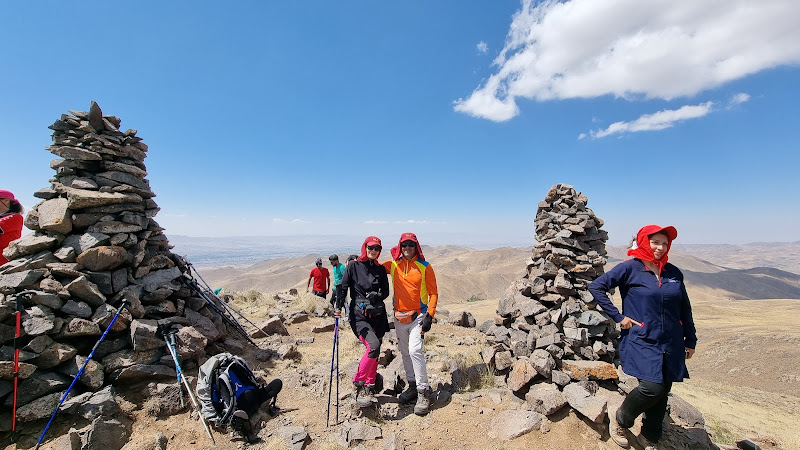
Banari Peak
About Banari Peak
Description
Banari Peak stands as one of those places that somehow manages to stay off the beaten path despite offering exactly what serious hikers and mountain lovers are searching for. You won't find massive crowds here, which honestly is part of its charm. When I think about mountains that deliver authentic experiences without all the tourist circus, this peak comes to mind. The terrain around Banari Peak provides that perfect blend of challenge and reward that keeps you coming back. It's not one of those gentle afternoon strolls where you can chat the whole way up – this is proper hiking territory. The paths wind through varying elevations, and you'll definitely feel it in your legs by the time you're done. But that's exactly what makes reaching any viewpoint along the way feel so earned. What strikes most people about this area is how unspoiled it remains. You're not dodging selfie sticks or waiting in line for photo opportunities at scenic overlooks. Instead, you get to experience the mountain landscape in a more intimate way, which is becoming increasingly rare these days. The natural environment here has that raw quality that reminds you why people fall in love with hiking in the first place. The peak itself offers different routes and approaches depending on your skill level and how much time you've got. Some visitors tackle it as a day trip, while others use it as part of longer treks in the region. Either way, you're looking at genuine mountain hiking that requires proper preparation and respect for the environment.Key Features
- Authentic hiking terrain that caters to experienced trekkers looking for challenging trails and meaningful elevation gains
- Relatively undiscovered compared to more commercialized peaks, meaning you'll likely have stretches of trail practically to yourself
- Multiple approach routes that allow hikers to customize their experience based on fitness level and available time
- Natural landscape that remains largely untouched by overdevelopment or tourist infrastructure
- Elevation changes that provide both cardiovascular challenge and rewarding perspective shifts as you climb
- Trail conditions that vary throughout the ascent, offering different types of terrain to navigate and keeping the hike interesting
- Panoramic viewing opportunities at various points along the routes, not just at the summit
- Wildlife habitat areas where careful observers might spot local fauna in their natural environment
- Flora diversity that changes with elevation, providing botanical interest for those who pay attention to such things
- Rocky outcrops and natural formations that add character to the landscape and provide natural rest stops
Best Time to Visit
Timing your visit to Banari Peak makes a huge difference in your experience, and I can't stress this enough. The mountain doesn't care about your vacation schedule, so you need to work with what nature provides. The most reliable hiking conditions typically show up during the drier months when trail stability is at its best. Wet conditions can turn certain sections into slippery challenges that aren't worth the risk, especially on steeper portions. You want firm ground under your boots, trust me on this one. Early morning starts are practically mandatory if you're serious about the climb. Not only do you beat any afternoon weather developments that mountains love to throw at people, but you also get the best light for those views you're working so hard to reach. And let's be honest, finishing your descent before the heat of the day becomes oppressive just makes practical sense. Avoid planning your trek during peak wet season. I've seen too many disappointed hikers who thought they could push through and ended up either turning back or having a miserable slog through mud. Mountain weather systems can develop quickly, and being caught in poor conditions at elevation is nobody's idea of fun. Shoulder seasons often provide that sweet spot of decent weather and even fewer people on the trails. If you can swing a visit during these periods, you might find yourself with an almost private mountain experience. The temperatures tend to be more moderate too, which your body will appreciate during the sustained effort of climbing. Check local weather patterns for at least a week before your planned hike. Mountain forecasts can be tricky, but you want to spot any concerning trends before you commit to the trek. A single day of clear weather surrounded by storms isn't necessarily your green light – those trails need time to dry out and become safe again.How to Get There
Getting yourself to Banari Peak requires some planning since this isn't the kind of place you just stumble upon during a casual drive. The access points aren't marked with giant tourist signs, which again is part of what keeps it special but also means you need to do your homework. Most hikers arrive by private vehicle since public transportation doesn't really service the trailhead areas. You'll need to research the specific starting point you're planning to use and map out the approach roads carefully. Some of these access routes aren't exactly highway quality, so factor in extra time and make sure your vehicle can handle rougher road conditions. Local guides and tour operators in the region can arrange transportation if you don't have your own wheels, and honestly, this might be your best bet if you're unfamiliar with the area. They know which roads wash out seasonally and which routes are currently passable. Plus, you don't have to worry about leaving your rental car at a trailhead for hours. The nearest towns with proper services and accommodations sit a fair distance from the trailheads, so plan on an early departure on hiking day. You can't just roll out of bed at 9 AM and expect to be on the trail at a reasonable hour. Account for at least an hour or two of travel time, possibly more depending on road conditions and which approach you're taking. Parking at trailheads is usually informal – we're not talking about paved lots with painted spaces here. Find a safe spot that doesn't block access for others or local traffic. The last thing you want is to return exhausted from your hike only to discover you've been towed or blocked in. GPS coordinates become essential since landmark navigation doesn't really work in these less-developed areas. Download offline maps before you go because cell service near the mountain is spotty at best. I mean it – don't rely on having signal when you need it most.Tips for Visiting
Right, let's talk about what you actually need to know to tackle Banari Peak safely and enjoyably. This isn't a place where you can wing it and hope for the best. Physical preparation matters more than people want to admit. If your idea of exercise is walking to your car, you're going to have a rough time. Spend at least a few weeks before your trip doing cardio work and some training hikes with elevation if possible. Your heart and lungs will thank you, and you'll actually enjoy the experience instead of just surviving it. Water requirements are serious business on this peak. We're talking at least 2-3 liters per person, maybe more depending on conditions and your personal sweat rate. Dehydration at elevation feels ten times worse than at sea level, and there aren't convenient water fountains along the trail. Carry more than you think you need. Proper footwear isn't optional. Those trendy sneakers you wear to the gym? Leave them at home. You need actual hiking boots with ankle support and aggressive tread. The terrain will punish inadequate footwear, and a twisted ankle hours from the trailhead is nobody's idea of fun. Bring layers even if the forecast looks perfect. Mountain weather has its own personality and doesn't always cooperate with predictions. A lightweight waterproof jacket weighs almost nothing in your pack but could save your hike if conditions change. And they will change, that's just how mountains work. Navigation skills and tools are essential. Don't assume the trail will be obvious the whole way. Carry a physical map and compass, and actually know how to use them. Your phone battery dies, GPS signals get blocked by terrain, and suddenly those basic orienteering skills become very important. Start earlier than feels necessary. Most people underestimate how long the trek actually takes, especially on the return journey when fatigue sets in. You want to finish with daylight to spare, not be scrambling down in twilight wondering if you're still on the trail. Tell someone your plans before you go. Give them your expected route, start time, and when you plan to be back. It's basic safety that people skip because nothing bad has happened to them before. But mountains don't care about your track record. Pack real food, not just energy bars. Your body needs actual fuel for this kind of effort. Sandwiches, nuts, dried fruit – stuff that provides sustained energy and actually tastes good enough that you'll want to eat it when you're tired. A basic first aid kit belongs in every pack, along with any personal medications you might need. Blisters, scrapes, headaches – minor issues can derail your whole day if you can't address them. Include blister treatment specifically because even the best boots can cause problems on long hikes. Respect the environment and practice proper trail etiquette. Pack out everything you pack in, stay on established paths to prevent erosion, and yield to other hikers appropriately. The peak's unspoiled character depends on everyone doing their part to keep it that way.Key Features
- Solitary, off-the-beaten-path summit experience
- Varied terrain: ridgelines, scree, and grassy slopes
- Panoramic views over Zanjan Province
- Seasonal wildflowers and local birdlife
- Accessible from Zanjan city but little developed
More Details
Updated January 17, 2026
Table of Contents
Description
Banari Peak stands as one of those places that somehow manages to stay off the beaten path despite offering exactly what serious hikers and mountain lovers are searching for. You won’t find massive crowds here, which honestly is part of its charm. When I think about mountains that deliver authentic experiences without all the tourist circus, this peak comes to mind.
The terrain around Banari Peak provides that perfect blend of challenge and reward that keeps you coming back. It’s not one of those gentle afternoon strolls where you can chat the whole way up – this is proper hiking territory. The paths wind through varying elevations, and you’ll definitely feel it in your legs by the time you’re done. But that’s exactly what makes reaching any viewpoint along the way feel so earned.
What strikes most people about this area is how unspoiled it remains. You’re not dodging selfie sticks or waiting in line for photo opportunities at scenic overlooks. Instead, you get to experience the mountain landscape in a more intimate way, which is becoming increasingly rare these days. The natural environment here has that raw quality that reminds you why people fall in love with hiking in the first place.
The peak itself offers different routes and approaches depending on your skill level and how much time you’ve got. Some visitors tackle it as a day trip, while others use it as part of longer treks in the region. Either way, you’re looking at genuine mountain hiking that requires proper preparation and respect for the environment.
Key Features
- Authentic hiking terrain that caters to experienced trekkers looking for challenging trails and meaningful elevation gains
- Relatively undiscovered compared to more commercialized peaks, meaning you’ll likely have stretches of trail practically to yourself
- Multiple approach routes that allow hikers to customize their experience based on fitness level and available time
- Natural landscape that remains largely untouched by overdevelopment or tourist infrastructure
- Elevation changes that provide both cardiovascular challenge and rewarding perspective shifts as you climb
- Trail conditions that vary throughout the ascent, offering different types of terrain to navigate and keeping the hike interesting
- Panoramic viewing opportunities at various points along the routes, not just at the summit
- Wildlife habitat areas where careful observers might spot local fauna in their natural environment
- Flora diversity that changes with elevation, providing botanical interest for those who pay attention to such things
- Rocky outcrops and natural formations that add character to the landscape and provide natural rest stops
Best Time to Visit
Timing your visit to Banari Peak makes a huge difference in your experience, and I can’t stress this enough. The mountain doesn’t care about your vacation schedule, so you need to work with what nature provides.
The most reliable hiking conditions typically show up during the drier months when trail stability is at its best. Wet conditions can turn certain sections into slippery challenges that aren’t worth the risk, especially on steeper portions. You want firm ground under your boots, trust me on this one.
Early morning starts are practically mandatory if you’re serious about the climb. Not only do you beat any afternoon weather developments that mountains love to throw at people, but you also get the best light for those views you’re working so hard to reach. And let’s be honest, finishing your descent before the heat of the day becomes oppressive just makes practical sense.
Avoid planning your trek during peak wet season. I’ve seen too many disappointed hikers who thought they could push through and ended up either turning back or having a miserable slog through mud. Mountain weather systems can develop quickly, and being caught in poor conditions at elevation is nobody’s idea of fun.
Shoulder seasons often provide that sweet spot of decent weather and even fewer people on the trails. If you can swing a visit during these periods, you might find yourself with an almost private mountain experience. The temperatures tend to be more moderate too, which your body will appreciate during the sustained effort of climbing.
Check local weather patterns for at least a week before your planned hike. Mountain forecasts can be tricky, but you want to spot any concerning trends before you commit to the trek. A single day of clear weather surrounded by storms isn’t necessarily your green light – those trails need time to dry out and become safe again.
How to Get There
Getting yourself to Banari Peak requires some planning since this isn’t the kind of place you just stumble upon during a casual drive. The access points aren’t marked with giant tourist signs, which again is part of what keeps it special but also means you need to do your homework.
Most hikers arrive by private vehicle since public transportation doesn’t really service the trailhead areas. You’ll need to research the specific starting point you’re planning to use and map out the approach roads carefully. Some of these access routes aren’t exactly highway quality, so factor in extra time and make sure your vehicle can handle rougher road conditions.
Local guides and tour operators in the region can arrange transportation if you don’t have your own wheels, and honestly, this might be your best bet if you’re unfamiliar with the area. They know which roads wash out seasonally and which routes are currently passable. Plus, you don’t have to worry about leaving your rental car at a trailhead for hours.
The nearest towns with proper services and accommodations sit a fair distance from the trailheads, so plan on an early departure on hiking day. You can’t just roll out of bed at 9 AM and expect to be on the trail at a reasonable hour. Account for at least an hour or two of travel time, possibly more depending on road conditions and which approach you’re taking.
Parking at trailheads is usually informal – we’re not talking about paved lots with painted spaces here. Find a safe spot that doesn’t block access for others or local traffic. The last thing you want is to return exhausted from your hike only to discover you’ve been towed or blocked in.
GPS coordinates become essential since landmark navigation doesn’t really work in these less-developed areas. Download offline maps before you go because cell service near the mountain is spotty at best. I mean it – don’t rely on having signal when you need it most.
Tips for Visiting
Right, let’s talk about what you actually need to know to tackle Banari Peak safely and enjoyably. This isn’t a place where you can wing it and hope for the best.
Physical preparation matters more than people want to admit. If your idea of exercise is walking to your car, you’re going to have a rough time. Spend at least a few weeks before your trip doing cardio work and some training hikes with elevation if possible. Your heart and lungs will thank you, and you’ll actually enjoy the experience instead of just surviving it.
Water requirements are serious business on this peak. We’re talking at least 2-3 liters per person, maybe more depending on conditions and your personal sweat rate. Dehydration at elevation feels ten times worse than at sea level, and there aren’t convenient water fountains along the trail. Carry more than you think you need.
Proper footwear isn’t optional. Those trendy sneakers you wear to the gym? Leave them at home. You need actual hiking boots with ankle support and aggressive tread. The terrain will punish inadequate footwear, and a twisted ankle hours from the trailhead is nobody’s idea of fun.
Bring layers even if the forecast looks perfect. Mountain weather has its own personality and doesn’t always cooperate with predictions. A lightweight waterproof jacket weighs almost nothing in your pack but could save your hike if conditions change. And they will change, that’s just how mountains work.
Navigation skills and tools are essential. Don’t assume the trail will be obvious the whole way. Carry a physical map and compass, and actually know how to use them. Your phone battery dies, GPS signals get blocked by terrain, and suddenly those basic orienteering skills become very important.
Start earlier than feels necessary. Most people underestimate how long the trek actually takes, especially on the return journey when fatigue sets in. You want to finish with daylight to spare, not be scrambling down in twilight wondering if you’re still on the trail.
Tell someone your plans before you go. Give them your expected route, start time, and when you plan to be back. It’s basic safety that people skip because nothing bad has happened to them before. But mountains don’t care about your track record.
Pack real food, not just energy bars. Your body needs actual fuel for this kind of effort. Sandwiches, nuts, dried fruit – stuff that provides sustained energy and actually tastes good enough that you’ll want to eat it when you’re tired.
A basic first aid kit belongs in every pack, along with any personal medications you might need. Blisters, scrapes, headaches – minor issues can derail your whole day if you can’t address them. Include blister treatment specifically because even the best boots can cause problems on long hikes.
Respect the environment and practice proper trail etiquette. Pack out everything you pack in, stay on established paths to prevent erosion, and yield to other hikers appropriately. The peak’s unspoiled character depends on everyone doing their part to keep it that way.
Key Highlights
- Solitary, off-the-beaten-path summit experience
- Varied terrain: ridgelines, scree, and grassy slopes
- Panoramic views over Zanjan Province
- Seasonal wildflowers and local birdlife
- Accessible from Zanjan city but little developed
Location
Places to Stay Near Banari Peak
Find and Book a Tour
Explore More Travel Guides
No reviews found! Be the first to review!
Traveler Reviews for Banari Peak
There are no reviews yet. Be the first one to write one.
Have you visited Banari Peak? Help other travelers by sharing your review.
Nearby Attractions
You Might Also Like

Arazi Park

Azadi Square

General Office of Cultural Heritage, Tourism and Handi Crafts of Zanjan Province
Find Accommodations Nearby
Recommended Tours & Activities
Visitor Reviews
There are no reviews yet. Be the first one to write one.
Share Your Experience
Have you visited Banari Peak? Help other travelers by leaving a review.