
Yucca Pens Unit State Wildlife Management Area
About Yucca Pens Unit State Wildlife Management Area
Description
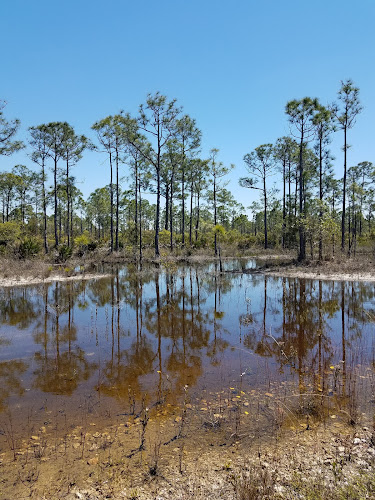
The Yucca Pens Unit State Wildlife Management Area stands as one of Florida's lesser-known outdoor treasures, and honestly, that's part of its charm. Sprawling across thousands of acres of pristine wilderness, this management area delivers an authentic experience for those who crave genuine interaction with nature rather than manicured park settings. Unlike the typical tourist spots where you're shoulder-to-shoulder with other visitors, Yucca Pens offers something increasingly rare – actual solitude. The landscape here tells a distinctly Floridian story. You'll find yourself wandering through flatwoods dotted with towering pines, transitioning into wetland areas where cypress trees stand like ancient sentinels. The diversity of ecosystems packed into this tract creates habitat for an impressive array of wildlife, making every visit feel like you're stepping into a nature documentary. What strikes visitors most is how unspoiled everything feels. This isn't a place where nature has been tamed for convenience. The trails here aren't paved, you won't find visitor centers with air conditioning, and that's entirely the point. The Florida Fish and Wildlife Conservation Commission manages this area primarily for wildlife conservation and outdoor recreation, which means development takes a backseat to preservation. And if you ask me, that's exactly how it should be. The area gets its name from an old cattle operation, and you can still sense that frontier spirit when you explore the grounds. There's something humbling about standing in a place where humans are clearly visitors rather than permanent fixtures. The wildlife here goes about its business largely unbothered, which creates opportunities for observation that feel increasingly precious in our developed world.Key Features
Travelers who venture to Yucca Pens Unit State Wildlife Management Area will discover a range of distinctive features that set this destination apart from typical outdoor recreation areas:- Extensive trail systems that wind through multiple habitat types, offering hiking opportunities for various skill levels and endurance capacities
- Exceptional wildlife viewing opportunities including white-tailed deer, wild turkey, waterfowl, and if you're lucky (or unlucky depending on your perspective), Florida black bears
- Hunting and fishing access during designated seasons, making this a prime destination for sportsmen and women seeking authentic Florida game
- Frogging opportunities in the wetter months – yes, that's actually a thing, and locals take it quite seriously
- Kid-friendly hiking options that introduce younger adventurers to wilderness experiences without overwhelming them
- Trapping opportunities for licensed trappers during appropriate seasons
- Photography locations that capture Florida's wild character, particularly during golden hour when the light filters through the pine canopies
- Birdwatching hotspots where both resident and migratory species congregate, creating opportunities for serious birders to add to their life lists
- Educational experiences for families wanting to teach children about conservation, wildlife management, and responsible outdoor recreation
- Solitude and quiet – perhaps the most valuable feature in our increasingly noisy world
Best Time to Visit
Timing your visit to Yucca Pens Unit really matters, and I can't stress this enough. Florida's seasons don't follow the traditional four-season playbook, so you'll need to think differently about planning. The prime window for most visitors runs from late October through early April. During these months, temperatures become bearable – we're talking highs in the 60s and 70s rather than the brutal 90s with suffocating humidity that define summer. The mosquitoes retreat to tolerable levels, though they never truly disappear (this is Florida, after all). Wildlife activity increases as animals become more active in cooler weather, and honestly, hiking in January here feels like a gift when the rest of the country is buried under snow. Winter mornings at Yucca Pens create magic. The air carries a crisp quality that feels almost foreign to Florida, and ground fog often blankets the lower areas creating an ethereal atmosphere. You'll want to arrive early – dawn brings the most wildlife activity and the best photography light. Spring, particularly March and early April, explodes with wildflowers and returning migratory birds. The landscape transforms from winter's muted browns and greens to a more colorful palette. But be warned: spring also signals the beginning of the wet season, so afternoon thunderstorms become increasingly common. Summer visits are possible but challenging. The heat index regularly exceeds 100 degrees, humidity makes breathing feel like work, and the mosquitoes and biting flies become nearly intolerable without serious bug protection. If you must visit during summer, go at dawn and be off the trails by 10 AM. For hunters, the seasons vary by game species, and checking the Florida Fish and Wildlife Conservation Commission regulations before planning your trip is essential. Deer season typically runs through winter months, while turkey season hits in spring. One consideration many travelers overlook: hunting seasons mean increased activity from armed hunters in the area. Wearing bright orange during these periods isn't just smart – it's potentially life-saving. Even if you're not hunting, knowing when hunting seasons occur helps you understand what to expect.How to Get There
Getting to Yucca Pens Unit requires some planning because this isn't the kind of place you stumble upon accidentally. The management area sits in rural Florida, which means you'll be leaving the beaten path behind. Most travelers will approach by personal vehicle – and really, that's your only practical option. Public transportation doesn't extend to these rural wildlife areas, and rideshare services would cost a small fortune. You'll need a reliable vehicle, preferably with decent ground clearance, because some access roads can get rough, especially during or after wet weather. The area connects to major highways but requires navigating smaller rural roads to reach various access points. GPS works reasonably well out here, but cellular service becomes spotty in places, so downloading offline maps beforehand makes sense. I've seen too many visitors get turned around because they relied entirely on their phone's live navigation. Multiple access points serve different sections of the management area, and figuring out which entrance suits your plans matters. Some access points favor hunters heading to specific zones, while others offer better trail access for hikers. Checking the official management area map before departing helps tremendously. Parking areas tend to be primitive – usually just cleared spaces with room for several vehicles. Don't expect paved lots or fancy facilities. During busy hunting seasons, arriving early ensures you'll find parking, but most of the year, crowding isn't an issue. The nearest towns with services (gas, food, supplies) sit several miles away from the management area boundaries. Filling your gas tank, grabbing supplies, and using bathroom facilities before heading in just makes good sense. Running out of gas on these rural roads isn't fun – trust me on this. Plan for extra travel time beyond what GPS suggests. Wildlife on roads is common, and you'll want to drive cautiously especially during dawn and dusk when animals move most actively. Hitting a deer doesn't just ruin your day – it can total your vehicle.Tips for Visiting
After spending considerable time exploring Florida's wildlife management areas, I've learned some things the hard way that might save you some trouble. First, water is everything. Bring way more than you think you'll need. Florida's heat and humidity dehydrate you faster than you realize, and there are no water fountains out here. I typically pack at least a gallon per person for a half-day visit, and I've been grateful for every ounce. Bug spray isn't optional – it's survival equipment. And not the wimpy stuff either. You'll want something with a high DEET concentration or other proven repellent. Mosquitoes here treat unprotected skin like an all-you-can-eat buffet. Ticks are also present, so checking yourself thoroughly after visiting is important. Sunscreen matters even on cloudy days. The Florida sun doesn't mess around, and you can get seriously burned even in winter. Covering exposed skin helps, and a wide-brimmed hat provides welcome relief. Tell someone where you're going and when you expect to return. Cell service is unreliable at best, so if something goes wrong, you can't count on calling for help. Basic safety protocols that seem paranoid in town become essential in remote areas. Appropriate footwear makes or breaks your experience. Trails here aren't groomed paths – you'll encounter uneven terrain, roots, rocks, and potentially muddy sections. Waterproof hiking boots or shoes with good ankle support and tread are worth their weight in gold. Bringing a basic first aid kit, paper map (yes, the old-fashioned kind), compass, and flashlight or headlamp shows good judgment even for day trips. Things happen, and being prepared transforms potential emergencies into manageable inconveniences. Check regulations before your visit because rules vary by season and activity. Hunting seasons, designated use areas, and permit requirements change throughout the year. The Florida Fish and Wildlife Conservation Commission website has current information, and ignorance of regulations won't excuse violations. Wildlife deserves respect and distance. These are wild animals in their natural habitat, not zoo exhibits. Maintaining safe distances protects both you and them. Feeding wildlife is illegal and harmful, even when animals seem friendly or "hungry." Packing out everything you pack in isn't just good etiquette – it's required. Leave no trace principles apply here, and the wildlife doesn't need your trash. Weather can change rapidly. Afternoon thunderstorms materialize seemingly from nowhere during warm months, and lightning poses a real danger in open areas. Checking forecasts before leaving and watching the sky while exploring helps you avoid getting caught in dangerous conditions. Finally, embrace the imperfection and unpredictability. This isn't Disney World where everything runs on schedule. Sometimes you'll see incredible wildlife, other times you won't. Trails might be muddy, or the mosquitoes might be worse than expected. That's the nature of wild places, and learning to appreciate the uncertainty is part of what makes these experiences valuable.Key Features
- Native scrub and pine flatwoods habitat
- Good birdwatching and seasonal wading bird sightings
- Short, easy unpaved trails for casual hikes
- Low visitor numbers and peaceful, undeveloped ambiance
- Wildlife viewing opportunities including gopher tortoises and other native species
More Details
Updated April 5, 2026
Table of Contents
- Description
- Key Features
- Best Time to Visit
- How to Get There
- Tips for Visiting
- Key Highlights
- Location
- Places to Stay Near Yucca Pens Unit State Wildlife Management Area
- Find and Book a Tour
- Explore More Travel Guides
- Key Takeaways
- About Yucca Pens Unit State Wildlife Management Area
- History and Significance
- What Makes It Special
- What to See and Do
- Main Attractions and Highlights
- Best Time to Visit
- Visitor Information
- Location and How to Get There
- Tips for Visitors
- Nearby Places You Might Like
- Traveler Reviews for Yucca Pens Unit State Wildlife Management Area
- Share Your Experience
Description
The Yucca Pens Unit State Wildlife Management Area stands as one of Florida’s lesser-known outdoor treasures, and honestly, that’s part of its charm. Sprawling across thousands of acres of pristine wilderness, this management area delivers an authentic experience for those who crave genuine interaction with nature rather than manicured park settings. Unlike the typical tourist spots where you’re shoulder-to-shoulder with other visitors, Yucca Pens offers something increasingly rare – actual solitude.
The landscape here tells a distinctly Floridian story. You’ll find yourself wandering through flatwoods dotted with towering pines, transitioning into wetland areas where cypress trees stand like ancient sentinels. The diversity of ecosystems packed into this tract creates habitat for an impressive array of wildlife, making every visit feel like you’re stepping into a nature documentary.
What strikes visitors most is how unspoiled everything feels. This isn’t a place where nature has been tamed for convenience. The trails here aren’t paved, you won’t find visitor centers with air conditioning, and that’s entirely the point. The Florida Fish and Wildlife Conservation Commission manages this area primarily for wildlife conservation and outdoor recreation, which means development takes a backseat to preservation. And if you ask me, that’s exactly how it should be.
The area gets its name from an old cattle operation, and you can still sense that frontier spirit when you explore the grounds. There’s something humbling about standing in a place where humans are clearly visitors rather than permanent fixtures. The wildlife here goes about its business largely unbothered, which creates opportunities for observation that feel increasingly precious in our developed world.
Key Features
Travelers who venture to Yucca Pens Unit State Wildlife Management Area will discover a range of distinctive features that set this destination apart from typical outdoor recreation areas:
- Extensive trail systems that wind through multiple habitat types, offering hiking opportunities for various skill levels and endurance capacities
- Exceptional wildlife viewing opportunities including white-tailed deer, wild turkey, waterfowl, and if you’re lucky (or unlucky depending on your perspective), Florida black bears
- Hunting and fishing access during designated seasons, making this a prime destination for sportsmen and women seeking authentic Florida game
- Frogging opportunities in the wetter months – yes, that’s actually a thing, and locals take it quite seriously
- Kid-friendly hiking options that introduce younger adventurers to wilderness experiences without overwhelming them
- Trapping opportunities for licensed trappers during appropriate seasons
- Photography locations that capture Florida’s wild character, particularly during golden hour when the light filters through the pine canopies
- Birdwatching hotspots where both resident and migratory species congregate, creating opportunities for serious birders to add to their life lists
- Educational experiences for families wanting to teach children about conservation, wildlife management, and responsible outdoor recreation
- Solitude and quiet – perhaps the most valuable feature in our increasingly noisy world
Best Time to Visit
Timing your visit to Yucca Pens Unit really matters, and I can’t stress this enough. Florida’s seasons don’t follow the traditional four-season playbook, so you’ll need to think differently about planning.
The prime window for most visitors runs from late October through early April. During these months, temperatures become bearable – we’re talking highs in the 60s and 70s rather than the brutal 90s with suffocating humidity that define summer. The mosquitoes retreat to tolerable levels, though they never truly disappear (this is Florida, after all). Wildlife activity increases as animals become more active in cooler weather, and honestly, hiking in January here feels like a gift when the rest of the country is buried under snow.
Winter mornings at Yucca Pens create magic. The air carries a crisp quality that feels almost foreign to Florida, and ground fog often blankets the lower areas creating an ethereal atmosphere. You’ll want to arrive early – dawn brings the most wildlife activity and the best photography light.
Spring, particularly March and early April, explodes with wildflowers and returning migratory birds. The landscape transforms from winter’s muted browns and greens to a more colorful palette. But be warned: spring also signals the beginning of the wet season, so afternoon thunderstorms become increasingly common.
Summer visits are possible but challenging. The heat index regularly exceeds 100 degrees, humidity makes breathing feel like work, and the mosquitoes and biting flies become nearly intolerable without serious bug protection. If you must visit during summer, go at dawn and be off the trails by 10 AM.
For hunters, the seasons vary by game species, and checking the Florida Fish and Wildlife Conservation Commission regulations before planning your trip is essential. Deer season typically runs through winter months, while turkey season hits in spring.
One consideration many travelers overlook: hunting seasons mean increased activity from armed hunters in the area. Wearing bright orange during these periods isn’t just smart – it’s potentially life-saving. Even if you’re not hunting, knowing when hunting seasons occur helps you understand what to expect.
How to Get There
Getting to Yucca Pens Unit requires some planning because this isn’t the kind of place you stumble upon accidentally. The management area sits in rural Florida, which means you’ll be leaving the beaten path behind.
Most travelers will approach by personal vehicle – and really, that’s your only practical option. Public transportation doesn’t extend to these rural wildlife areas, and rideshare services would cost a small fortune. You’ll need a reliable vehicle, preferably with decent ground clearance, because some access roads can get rough, especially during or after wet weather.
The area connects to major highways but requires navigating smaller rural roads to reach various access points. GPS works reasonably well out here, but cellular service becomes spotty in places, so downloading offline maps beforehand makes sense. I’ve seen too many visitors get turned around because they relied entirely on their phone’s live navigation.
Multiple access points serve different sections of the management area, and figuring out which entrance suits your plans matters. Some access points favor hunters heading to specific zones, while others offer better trail access for hikers. Checking the official management area map before departing helps tremendously.
Parking areas tend to be primitive – usually just cleared spaces with room for several vehicles. Don’t expect paved lots or fancy facilities. During busy hunting seasons, arriving early ensures you’ll find parking, but most of the year, crowding isn’t an issue.
The nearest towns with services (gas, food, supplies) sit several miles away from the management area boundaries. Filling your gas tank, grabbing supplies, and using bathroom facilities before heading in just makes good sense. Running out of gas on these rural roads isn’t fun – trust me on this.
Plan for extra travel time beyond what GPS suggests. Wildlife on roads is common, and you’ll want to drive cautiously especially during dawn and dusk when animals move most actively. Hitting a deer doesn’t just ruin your day – it can total your vehicle.
Tips for Visiting
After spending considerable time exploring Florida’s wildlife management areas, I’ve learned some things the hard way that might save you some trouble.
First, water is everything. Bring way more than you think you’ll need. Florida’s heat and humidity dehydrate you faster than you realize, and there are no water fountains out here. I typically pack at least a gallon per person for a half-day visit, and I’ve been grateful for every ounce.
Bug spray isn’t optional – it’s survival equipment. And not the wimpy stuff either. You’ll want something with a high DEET concentration or other proven repellent. Mosquitoes here treat unprotected skin like an all-you-can-eat buffet. Ticks are also present, so checking yourself thoroughly after visiting is important.
Sunscreen matters even on cloudy days. The Florida sun doesn’t mess around, and you can get seriously burned even in winter. Covering exposed skin helps, and a wide-brimmed hat provides welcome relief.
Tell someone where you’re going and when you expect to return. Cell service is unreliable at best, so if something goes wrong, you can’t count on calling for help. Basic safety protocols that seem paranoid in town become essential in remote areas.
Appropriate footwear makes or breaks your experience. Trails here aren’t groomed paths – you’ll encounter uneven terrain, roots, rocks, and potentially muddy sections. Waterproof hiking boots or shoes with good ankle support and tread are worth their weight in gold.
Bringing a basic first aid kit, paper map (yes, the old-fashioned kind), compass, and flashlight or headlamp shows good judgment even for day trips. Things happen, and being prepared transforms potential emergencies into manageable inconveniences.
Check regulations before your visit because rules vary by season and activity. Hunting seasons, designated use areas, and permit requirements change throughout the year. The Florida Fish and Wildlife Conservation Commission website has current information, and ignorance of regulations won’t excuse violations.
Wildlife deserves respect and distance. These are wild animals in their natural habitat, not zoo exhibits. Maintaining safe distances protects both you and them. Feeding wildlife is illegal and harmful, even when animals seem friendly or “hungry.”
Packing out everything you pack in isn’t just good etiquette – it’s required. Leave no trace principles apply here, and the wildlife doesn’t need your trash.
Weather can change rapidly. Afternoon thunderstorms materialize seemingly from nowhere during warm months, and lightning poses a real danger in open areas. Checking forecasts before leaving and watching the sky while exploring helps you avoid getting caught in dangerous conditions.
Finally, embrace the imperfection and unpredictability. This isn’t Disney World where everything runs on schedule. Sometimes you’ll see incredible wildlife, other times you won’t. Trails might be muddy, or the mosquitoes might be worse than expected. That’s the nature of wild places, and learning to appreciate the uncertainty is part of what makes these experiences valuable.
Key Highlights
- Native scrub and pine flatwoods habitat
- Good birdwatching and seasonal wading bird sightings
- Short, easy unpaved trails for casual hikes
- Low visitor numbers and peaceful, undeveloped ambiance
- Wildlife viewing opportunities including gopher tortoises and other native species
Location
Places to Stay Near Yucca Pens Unit State Wildlife Management Area
Find and Book a Tour
Explore More Travel Guides
No reviews found! Be the first to review!
The Yucca Pens Unit State Wildlife Management Area sits just outside Cape Coral, and honestly, it’s one of those places most people miss when they’re breezing through Southwest Florida. This 5,000-acre preserve is a real slice of Old Florida—think sand pine scrub, flatwoods, and a whole lot of wildlife, minus the crowds.
It’s technically part of the Fred C. Babcock-Cecil M. Webb Wildlife Management Area, but Yucca Pens has its own vibe.
You’ll find trails that wind through a patchwork of habitats, all of them feeling miles removed from the usual coastal chaos. Hunters do use the park during certain seasons, but for most visitors, it’s a haven for birdwatching and photography.
Definitely bring insect repellent, and trust me, long pants are your friend—the scrub can be scratchy, and the bugs don’t mess around.
Key Takeaways
- Yucca Pens Unit covers 5,000 acres near Cape Coral, packed with native Florida trails and habitats.
- It’s a fantastic spot for wildlife viewing, hiking, and birdwatching—without the crowds you’d expect.
- You’ll need a daily-use permit or a Wildlife Management Area permit to get in.
About Yucca Pens Unit State Wildlife Management Area
The Yucca Pens Unit sits inside the greater Fred C. Babcock-Cecil M. Webb Wildlife Management Area, and it’s got around 5,000 acres of wild Florida to explore. If you’re tired of packed boardwalks and noisy parks, this place is a breath of fresh air—literally.
The flatwoods and sand pine scrub here feel untouched, almost like you’ve stepped back in time.
History and Significance
The name comes from two conservationists, Fred C. Babcock and Cecil M. Webb, who saw the value in Florida’s wild spaces long before it was trendy. Their efforts helped protect spots like Yucca Pens from vanishing.
The Florida Fish and Wildlife Conservation Commission manages the land, working to keep native species around and the ecosystems healthy. You’ll wander through pine flatwoods, marshes, and prairies—each one its own little world.
There’s a focus here on protecting threatened species. The endangered Florida panther and red-cockaded woodpecker both call this place home, which is pretty wild if you think about it.
What Makes It Special
Yucca Pens feels raw and real—no paved trails, no fancy visitor centers, just the old Florida landscape doing its thing. The sand pine scrub is especially rare these days, and you can feel it when you walk through.
Birders show up hoping for a glimpse of the Florida scrub jay, and with luck, you’ll spot white-tailed deer or wild turkeys along the way. The exterior roads twist through scenery that changes with the light and the seasons.
Some folks come to hunt during the right times, others just want a quiet hike or a chance to see wildlife without the crowds. The beauty here is subtle—think golden sunlight through tall pines, prairies that seem to go on forever.
Permits are required: $3 per person or $6 per vehicle, paid at the check station on Zemel Road. Not a huge hassle, but don’t forget.
What to See and Do
Yucca Pens Unit is your ticket to over 5,000 acres of Florida wilderness. Rare birds, sandy trails, and habitats most Cape Coral visitors never even hear about.
Main Attractions and Highlights
The sand pine scrub and flatwoods are packed with sought-after wildlife. If you’ve never seen a Florida scrub jay, this is one of your best shots—these curious blue birds are only in Florida, and they’re not shy.
Gopher tortoises are everywhere, too. Their burrows dot the landscape, and if you’re patient, you might catch one lumbering along.
The exterior roads make it easy to explore, even when it’s hot. Seriously, though—bring insect repellent and maybe a long-sleeve shirt. The bugs can be relentless, especially in summer.
Birdwatching is good all year. Fall and spring bring an explosion of migratory birds, while the freshwater ponds attract wading birds and waterfowl that you won’t find in your average Cape Coral backyard.
Best Time to Visit
Fall and spring are prime time—comfortable weather, loads of birds, and not as many bugs. If you’re into fishing or just want to hike without sweating buckets, winter is perfect. The air’s cool, and you can stay outside for hours.
Summer? It’s doable, but you’ll want to stick to early mornings. The road network helps—you’re not bushwhacking through a jungle of mosquitoes. Remember that daily-use permit: $3 per person or $6 per vehicle, unless you’ve got a Wildlife Management Area Permit already.
Visitor Information
Yucca Pens Unit is in Cape Coral, but it’s not the sort of place you just stumble across—you’ll want to plan ahead. Permits are a must, and knowing the best entrance can save you some backtracking.
If you’re visiting during hunting season, wear something bright. Better safe than sorry.
Location and How to Get There
The Yucca Pens Unit covers over 14,000 acres (yep, it’s bigger than it looks) in Cape Coral as part of the broader Fred C. Babcock/Cecil M. Webb Wildlife Management Area.
You’ll want to use the entrance finder map on the Florida Fish and Wildlife Conservation Commission website. There are a few access points, so downloading the official trail map before you show up is a smart move.
Parking’s available at the main entrances, but if you’re coming during peak times—weekends, hunting season—get there early. Spaces fill up fast, and nobody wants to start their hike with a parking lot shuffle.
Tips for Visitors
You’ll need a Daily-Use Permit to get in—unless you’ve already snagged a Wildlife Management Area Permit. Planning to hunt or fish? You’ll want to double-check your licenses before heading out.
Dogs can tag along, but they’ve got to stay leashed. If you’re visiting during a scheduled hunt, it’s honestly best to throw on some daylight fluorescent orange; better safe than sorry.
Personally, I’d steer clear of the first hour after sunrise when hunting’s in full swing. It’s just not worth the risk or the awkward run-ins.
Restrooms are dotted around Yucca Pens, which is a relief if you’re out for more than a quick stroll. Hours change with the seasons, so it’s worth glancing at the current regulations brochure before you go.
If you’re brave enough to tackle Yucca Pens in summer, bring bug spray. The mosquitoes here don’t mess around, and sticking to the roads helps keep things manageable.
Traveler Reviews for Yucca Pens Unit State Wildlife Management Area
There are no reviews yet. Be the first one to write one.
Have you visited Yucca Pens Unit State Wildlife Management Area? Help other travelers by sharing your review.
Nearby Attractions
You Might Also Like

Paul Sanborn Park

Horton Park & Boat Ramp

Yellow Fever Creek Preserve
Find Accommodations Nearby
Recommended Tours & Activities
Visitor Reviews
There are no reviews yet. Be the first one to write one.
Share Your Experience
Have you visited Yucca Pens Unit State Wildlife Management Area? Help other travelers by leaving a review.