
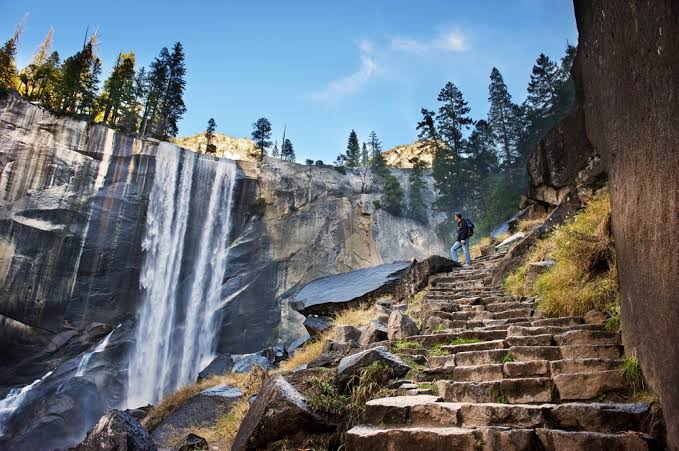
Yosemite Falls
About Yosemite Falls
Description
Standing before Yosemite Falls is one of those rare moments in life where you actually understand why people use the word "breathtaking" so liberally. This isn't hyperbole—the sheer magnitude of North America's tallest waterfall genuinely makes you catch your breath. The falls plunge a staggering 2,425 feet down the granite cliffs of Yosemite Valley, creating a spectacle that has drawn visitors for generations and continues to inspire that same sense of wonder today. The waterfall system actually consists of three separate sections that work together to create this natural masterpiece. Upper Yosemite Fall drops 1,430 feet, followed by the middle cascades at 675 feet, and then Lower Yosemite Fall adds another 320 feet to complete the journey. When you're standing at the base during peak flow, the mist can drench you from dozens of yards away—and trust me, on a warm spring day, it feels absolutely incredible. What makes Yosemite Falls particularly fascinating is its seasonal personality. The falls flow most powerfully from November through July, fed by snowmelt from the high country. I've seen photos from friends who visited in late September only to find dry rock faces where torrents should be, so timing really matters here. The waterfall essentially takes a summer vacation, which might seem disappointing at first but actually reveals the geological features that remain hidden behind the water for most of the year. The surrounding nature preserve protects not just the falls themselves but the entire ecosystem that has developed around this dramatic landscape. Ancient granite formations tell stories spanning millions of years, while the vegetation zones shift as you climb from the valley floor toward the upper falls. It's the kind of place that makes you feel simultaneously insignificant and deeply connected to something much larger than yourself.Key Features
- North America's tallest waterfall with a total drop of 2,425 feet across three distinct sections
- Peak water flow typically occurs from April through June when snowmelt reaches maximum levels
- Multiple viewing perspectives available from easy valley floor walks to challenging summit trails
- Wheelchair accessible viewing areas and parking facilities at the base
- Dog-friendly trails allow visitors to bring well-behaved pets on leashes
- Well-maintained hiking trails ranging from the easy lower falls walk to the strenuous upper falls trek
- Picnic areas with tables strategically positioned for waterfall views during lunch
- Public restrooms and onsite services available near major viewing areas
- Free parking lots serving trail access points throughout the valley
- Cycling lanes connecting waterfall viewing areas to other park attractions
- Kid-friendly shorter trails make this accessible for families with young children
- Photography opportunities that change dramatically throughout the day as light shifts across the granite walls
Best Time to Visit
Here's where planning really pays off. The absolute best time to experience Yosemite Falls in full glory runs from late April through early June. This window captures the peak snowmelt period when the falls roar with maximum force and the spray creates rainbows that dance across the valley. I won't sugarcoat it though—this is also peak tourist season, which means you'll be sharing the experience with quite a few other waterfall enthusiasts. But don't let the crowds deter you entirely. Early morning visits between 6 and 8 AM offer a magical compromise. The light hits the falls beautifully during these hours, the temperature remains comfortable for hiking, and you'll encounter far fewer people on the trails. Plus there's something special about having your morning coffee while watching thousands of gallons cascade down ancient rock—it puts your daily problems into perspective pretty quickly. Late spring also brings wildflowers to the valley floor and surrounding meadows. The contrast between delicate blooms and the powerful waterfall creates this interesting juxtaposition that somehow works perfectly. And the temperatures during May typically hover in that sweet spot where you're comfortable hiking without overheating. If you're looking to avoid the masses altogether, consider visiting in November or December. The falls begin flowing again with early winter storms, and while the volume won't match spring's intensity, you'll practically have the place to yourself. The trade-off is colder weather and potentially icy trail conditions, so come prepared with appropriate gear. March can be hit or miss depending on that year's snowpack and weather patterns. Some years deliver spectacular flows, while others leave you wanting more. Check current conditions before finalizing your travel plans if you're targeting this shoulder season month. Summer visits from July through October present a different challenge. The falls often slow to a trickle or stop flowing entirely during these months. But here's an unpopular opinion—seeing the dry rock face actually offers its own rewards. You can study the geological features more clearly and understand the scale of the cliff faces without water obscuring the details. Just set your expectations accordingly.How to Get There
Getting to Yosemite Falls requires first reaching Yosemite National Park itself, which sits in California's Sierra Nevada mountains. Most visitors drive, and there are several entrance points depending on your starting location. The falls are located in Yosemite Valley, which means you'll need to navigate to the valley floor regardless of which park entrance you use. From the Bay Area, the drive takes approximately four hours via Highway 120 or Highway 140. Highway 140 through the Arch Rock entrance remains open year-round and provides a particularly scenic approach, though summer traffic can test your patience. Highway 120 through the Big Oak Flat entrance offers another option but closes during winter due to snow. If you're coming from Southern California, expect a longer journey of roughly six to seven hours. Highway 41 through the Wawona entrance works well for this approach and stays open throughout most of winter months unless storms temporarily close the road. Once inside the park, clear signage directs you toward Yosemite Valley. Free parking lots serve the Yosemite Falls area, though they fill quickly during peak season—another reason those early morning visits make sense. During busy periods, you might need to park at Yosemite Village or another valley location and walk or take the free shuttle bus to the falls trailheads. The park shuttle system actually works remarkably well. Buses run regularly throughout the valley, stopping at numbered locations near all major attractions including Yosemite Falls. This option eliminates parking stress and allows you to focus on enjoying your visit rather than circling for spaces. For those without vehicles, YARTS public transportation provides bus service into the park from various gateway communities. This option appeals to environmentally conscious travelers and those who'd rather not drive mountain roads.Tips for Visiting
Arriving before 9 AM isn't just about avoiding crowds—it's about avoiding parking nightmares and heat. The earlier you start, the better your entire experience will be. And bring layers even if the forecast looks warm. The temperature near the falls stays noticeably cooler than surrounding areas, and that mist I mentioned earlier will soak you if you get close during high flow periods. The lower falls trail offers the easiest access, covering just over half a mile of mostly flat, paved terrain. Families with strollers and wheelchair users can navigate this route successfully. You'll reach an excellent viewing platform where the falls' power becomes immediately apparent. This short walk satisfies many visitors and takes less than an hour roundtrip. But if you've got the fitness and determination, the upper falls trail delivers rewards proportional to its difficulty. This 7.2-mile roundtrip hike gains 2,700 feet of elevation and typically takes six to eight hours to complete. It's genuinely challenging—your legs will remind you about it the next day. However, the views from the top rank among the most spectacular in the entire national park system. You'll stand at the precipice where water begins its incredible journey downward, with the whole of Yosemite Valley spread below you. Start that upper falls hike very early if you're going during spring or summer. The trail offers minimal shade and afternoon temperatures can become dangerously hot. Bring at least three liters of water per person—more if you're hiking with kids. I've watched unprepared hikers struggle badly on the return trip because they underestimated their water needs. Speaking of preparation, wear real hiking shoes with ankle support and good tread. This isn't the place for sandals or casual sneakers, no matter how fit you think you are. The trail includes steep switchbacks, rocky sections, and areas where loose gravel tests your footing. Pack snacks with protein and salt to maintain energy levels during longer hikes. Granola bars, trail mix, jerky, and fresh fruit all work well. The picnic tables near the lower falls create perfect spots for longer lunch breaks where you can rest while enjoying the scenery. Photography enthusiasts should bring polarizing filters to manage the bright granite reflections and capture rainbow effects in the mist. Midday light can be harsh, but early morning and late afternoon provide that golden glow photographers dream about. Protect your camera gear from spray if you're shooting near the base during high flow periods. If you're bringing dogs, keep them leashed at all times and bring extra water for them too. The paved lower trail works fine for most dogs, but consider whether your pet can handle the upper falls trail before committing. Many dogs can't manage that distance and elevation gain, and carrying an exhausted 50-pound dog down a mountain isn't fun for anyone. Check the park's website for current waterfall flow conditions before your visit. They update regularly and provide realistic expectations about what you'll see. There's no shame in adjusting your plans based on this information—better to know in advance than feel disappointed upon arrival. Credit and debit cards work at park facilities, but cell service remains spotty throughout much of the park. Download offline maps before you arrive and don't count on being able to Google information once you're on the trails. Finally, practice Leave No Trace principles religiously. Pack out everything you bring in, stay on established trails, and respect the natural environment that makes this place so special. The preservation of Yosemite Falls for future generations depends on all of us treating it with the care it deserves.Key Features
- North America’s tallest waterfall with three distinct tiers
- Dramatic granite-cliff backdrop in Yosemite Valley
- Seasonal variability: powerful in spring, trickling in late summer
- Accessible viewpoints: base of Lower Fall and multiple trail lookouts
- Rich cultural and natural history within Yosemite National Park
More Details
Updated March 30, 2026
Table of Contents
Description
Standing before Yosemite Falls is one of those rare moments in life where you actually understand why people use the word “breathtaking” so liberally. This isn’t hyperbole—the sheer magnitude of North America’s tallest waterfall genuinely makes you catch your breath. The falls plunge a staggering 2,425 feet down the granite cliffs of Yosemite Valley, creating a spectacle that has drawn visitors for generations and continues to inspire that same sense of wonder today.
The waterfall system actually consists of three separate sections that work together to create this natural masterpiece. Upper Yosemite Fall drops 1,430 feet, followed by the middle cascades at 675 feet, and then Lower Yosemite Fall adds another 320 feet to complete the journey. When you’re standing at the base during peak flow, the mist can drench you from dozens of yards away—and trust me, on a warm spring day, it feels absolutely incredible.
What makes Yosemite Falls particularly fascinating is its seasonal personality. The falls flow most powerfully from November through July, fed by snowmelt from the high country. I’ve seen photos from friends who visited in late September only to find dry rock faces where torrents should be, so timing really matters here. The waterfall essentially takes a summer vacation, which might seem disappointing at first but actually reveals the geological features that remain hidden behind the water for most of the year.
The surrounding nature preserve protects not just the falls themselves but the entire ecosystem that has developed around this dramatic landscape. Ancient granite formations tell stories spanning millions of years, while the vegetation zones shift as you climb from the valley floor toward the upper falls. It’s the kind of place that makes you feel simultaneously insignificant and deeply connected to something much larger than yourself.
Key Features
- North America’s tallest waterfall with a total drop of 2,425 feet across three distinct sections
- Peak water flow typically occurs from April through June when snowmelt reaches maximum levels
- Multiple viewing perspectives available from easy valley floor walks to challenging summit trails
- Wheelchair accessible viewing areas and parking facilities at the base
- Dog-friendly trails allow visitors to bring well-behaved pets on leashes
- Well-maintained hiking trails ranging from the easy lower falls walk to the strenuous upper falls trek
- Picnic areas with tables strategically positioned for waterfall views during lunch
- Public restrooms and onsite services available near major viewing areas
- Free parking lots serving trail access points throughout the valley
- Cycling lanes connecting waterfall viewing areas to other park attractions
- Kid-friendly shorter trails make this accessible for families with young children
- Photography opportunities that change dramatically throughout the day as light shifts across the granite walls
Best Time to Visit
Here’s where planning really pays off. The absolute best time to experience Yosemite Falls in full glory runs from late April through early June. This window captures the peak snowmelt period when the falls roar with maximum force and the spray creates rainbows that dance across the valley. I won’t sugarcoat it though—this is also peak tourist season, which means you’ll be sharing the experience with quite a few other waterfall enthusiasts.
But don’t let the crowds deter you entirely. Early morning visits between 6 and 8 AM offer a magical compromise. The light hits the falls beautifully during these hours, the temperature remains comfortable for hiking, and you’ll encounter far fewer people on the trails. Plus there’s something special about having your morning coffee while watching thousands of gallons cascade down ancient rock—it puts your daily problems into perspective pretty quickly.
Late spring also brings wildflowers to the valley floor and surrounding meadows. The contrast between delicate blooms and the powerful waterfall creates this interesting juxtaposition that somehow works perfectly. And the temperatures during May typically hover in that sweet spot where you’re comfortable hiking without overheating.
If you’re looking to avoid the masses altogether, consider visiting in November or December. The falls begin flowing again with early winter storms, and while the volume won’t match spring’s intensity, you’ll practically have the place to yourself. The trade-off is colder weather and potentially icy trail conditions, so come prepared with appropriate gear.
March can be hit or miss depending on that year’s snowpack and weather patterns. Some years deliver spectacular flows, while others leave you wanting more. Check current conditions before finalizing your travel plans if you’re targeting this shoulder season month.
Summer visits from July through October present a different challenge. The falls often slow to a trickle or stop flowing entirely during these months. But here’s an unpopular opinion—seeing the dry rock face actually offers its own rewards. You can study the geological features more clearly and understand the scale of the cliff faces without water obscuring the details. Just set your expectations accordingly.
How to Get There
Getting to Yosemite Falls requires first reaching Yosemite National Park itself, which sits in California’s Sierra Nevada mountains. Most visitors drive, and there are several entrance points depending on your starting location. The falls are located in Yosemite Valley, which means you’ll need to navigate to the valley floor regardless of which park entrance you use.
From the Bay Area, the drive takes approximately four hours via Highway 120 or Highway 140. Highway 140 through the Arch Rock entrance remains open year-round and provides a particularly scenic approach, though summer traffic can test your patience. Highway 120 through the Big Oak Flat entrance offers another option but closes during winter due to snow.
If you’re coming from Southern California, expect a longer journey of roughly six to seven hours. Highway 41 through the Wawona entrance works well for this approach and stays open throughout most of winter months unless storms temporarily close the road.
Once inside the park, clear signage directs you toward Yosemite Valley. Free parking lots serve the Yosemite Falls area, though they fill quickly during peak season—another reason those early morning visits make sense. During busy periods, you might need to park at Yosemite Village or another valley location and walk or take the free shuttle bus to the falls trailheads.
The park shuttle system actually works remarkably well. Buses run regularly throughout the valley, stopping at numbered locations near all major attractions including Yosemite Falls. This option eliminates parking stress and allows you to focus on enjoying your visit rather than circling for spaces.
For those without vehicles, YARTS public transportation provides bus service into the park from various gateway communities. This option appeals to environmentally conscious travelers and those who’d rather not drive mountain roads.
Tips for Visiting
Arriving before 9 AM isn’t just about avoiding crowds—it’s about avoiding parking nightmares and heat. The earlier you start, the better your entire experience will be. And bring layers even if the forecast looks warm. The temperature near the falls stays noticeably cooler than surrounding areas, and that mist I mentioned earlier will soak you if you get close during high flow periods.
The lower falls trail offers the easiest access, covering just over half a mile of mostly flat, paved terrain. Families with strollers and wheelchair users can navigate this route successfully. You’ll reach an excellent viewing platform where the falls’ power becomes immediately apparent. This short walk satisfies many visitors and takes less than an hour roundtrip.
But if you’ve got the fitness and determination, the upper falls trail delivers rewards proportional to its difficulty. This 7.2-mile roundtrip hike gains 2,700 feet of elevation and typically takes six to eight hours to complete. It’s genuinely challenging—your legs will remind you about it the next day. However, the views from the top rank among the most spectacular in the entire national park system. You’ll stand at the precipice where water begins its incredible journey downward, with the whole of Yosemite Valley spread below you.
Start that upper falls hike very early if you’re going during spring or summer. The trail offers minimal shade and afternoon temperatures can become dangerously hot. Bring at least three liters of water per person—more if you’re hiking with kids. I’ve watched unprepared hikers struggle badly on the return trip because they underestimated their water needs.
Speaking of preparation, wear real hiking shoes with ankle support and good tread. This isn’t the place for sandals or casual sneakers, no matter how fit you think you are. The trail includes steep switchbacks, rocky sections, and areas where loose gravel tests your footing.
Pack snacks with protein and salt to maintain energy levels during longer hikes. Granola bars, trail mix, jerky, and fresh fruit all work well. The picnic tables near the lower falls create perfect spots for longer lunch breaks where you can rest while enjoying the scenery.
Photography enthusiasts should bring polarizing filters to manage the bright granite reflections and capture rainbow effects in the mist. Midday light can be harsh, but early morning and late afternoon provide that golden glow photographers dream about. Protect your camera gear from spray if you’re shooting near the base during high flow periods.
If you’re bringing dogs, keep them leashed at all times and bring extra water for them too. The paved lower trail works fine for most dogs, but consider whether your pet can handle the upper falls trail before committing. Many dogs can’t manage that distance and elevation gain, and carrying an exhausted 50-pound dog down a mountain isn’t fun for anyone.
Check the park’s website for current waterfall flow conditions before your visit. They update regularly and provide realistic expectations about what you’ll see. There’s no shame in adjusting your plans based on this information—better to know in advance than feel disappointed upon arrival.
Credit and debit cards work at park facilities, but cell service remains spotty throughout much of the park. Download offline maps before you arrive and don’t count on being able to Google information once you’re on the trails.
Finally, practice Leave No Trace principles religiously. Pack out everything you bring in, stay on established trails, and respect the natural environment that makes this place so special. The preservation of Yosemite Falls for future generations depends on all of us treating it with the care it deserves.
Key Highlights
- North America’s tallest waterfall with three distinct tiers
- Dramatic granite-cliff backdrop in Yosemite Valley
- Seasonal variability: powerful in spring, trickling in late summer
- Accessible viewpoints: base of Lower Fall and multiple trail lookouts
- Rich cultural and natural history within Yosemite National Park
Location
Places to Stay Near Yosemite Falls
Find and Book a Tour
Explore More Travel Guides
No reviews found! Be the first to review!
Yosemite Falls is a prominent attractions located in US.
Visit us at: Yosemite Village, CA 95389.
Traveler Reviews for Yosemite Falls
There are no reviews yet. Be the first one to write one.
Have you visited Yosemite Falls? Help other travelers by sharing your review.
Nearby Attractions
You Might Also Like

North Dakota
Little Lagoon
Cape Cod National Seashore
Find Accommodations Nearby
Recommended Tours & Activities
Visitor Reviews
There are no reviews yet. Be the first one to write one.
Share Your Experience
Have you visited Yosemite Falls? Help other travelers by leaving a review.