
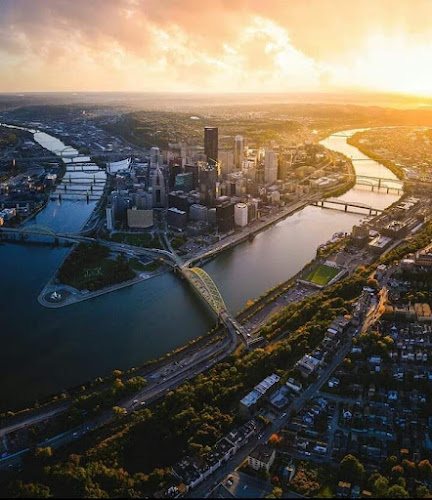
Pennsylvania
About Pennsylvania
Description
Pennsylvania stands as one of America's most historically significant and geographically diverse states, offering travelers an incredible mix of urban excitement, rural charm, and everything in between. The Keystone State - and yes, that nickname actually means something since it was central to the formation of the nation - stretches across multiple regions that each have their own distinct personality and appeal. I've always found Pennsylvania fascinating because it refuses to fit neatly into one category. You've got Philadelphia on one end with its world-class museums and that incredible food scene (we'll talk cheesesteaks later), then Pittsburgh on the other side reinventing itself as a tech hub while keeping its blue-collar roots, and between them lies this gorgeous expanse of mountains, farmland, and small towns that feel frozen in time. The Appalachian Mountains cut right through the middle, creating some seriously beautiful scenery that most people don't associate with the state until they actually visit. What really sets Pennsylvania apart is its role in American history. This is where the Declaration of Independence was signed, where the Constitution was written, and where some of the most important battles of the Revolutionary War and Civil War took place. But it's not just about dusty old museums - though the state has plenty of excellent ones. The history here feels alive because you can walk the same streets as Benjamin Franklin, stand on battlefields that changed the course of nations, and see how immigrant communities shaped entire cities. The state covers about 46,000 square miles and has more than 12 million residents, making it the fifth-most populous state in the country. And here's something most people don't realize - Pennsylvania has 140 miles of shoreline along Lake Erie, giving it proper Great Lakes access with beaches and maritime culture that feels completely different from the rest of the state.Key Features
Pennsylvania offers travelers an remarkable array of experiences and attractions: • Philadelphia's historic downtown contains Independence Hall, the Liberty Bell, and the nation's most concentrated collection of Revolutionary War sites all within walking distance • The Pocono Mountains provide year-round outdoor recreation with skiing, hiking, waterfalls, and resort getaways just 90 minutes from major East Coast cities • Amish Country in Lancaster County presents a genuine look at traditional agricultural communities where horse-drawn buggies share roads with modern vehicles • Pittsburgh's cultural district houses world-class museums including the Carnegie Museum of Natural History and the Andy Warhol Museum • Gettysburg National Military Park preserves the site of the Civil War's most famous battle across more than 6,000 acres • Hershey offers the unique combination of chocolate-themed attractions and serious amusement park thrills at Hersheypark • More than 120 state parks provide free access to hiking, camping, fishing, and natural beauty throughout the commonwealth • The Allegheny National Forest spans over 500,000 acres of wilderness in northwestern Pennsylvania with old-growth forests and extensive trail systems • Pennsylvania's wine country includes more than 200 wineries, particularly concentrated in the Lake Erie region and Lehigh Valley • Frank Lloyd Wright's Fallingwater near Mill Run stands as one of America's most architecturally significant homes, built dramatically over a waterfall • The state's culinary scene ranges from authentic Philly cheesesteaks and soft pretzels to Pittsburgh's Primanti Brothers sandwiches and regional specialties like scrapple • Over 86,000 miles of rivers and streams make Pennsylvania a premier destination for fishing, kayaking, and white-water raftingBest Time to Visit
Pennsylvania's four distinct seasons each offer different advantages for travelers, though I'll be honest - your ideal time depends entirely on what you want to do. Fall might just be the absolute best time to visit, especially from late September through October. The autumn foliage is spectacular across the state's mountain regions, and you're not dealing with the summer crowds. Temperatures hover in that perfect 60-70 degree range during the day, cool enough for comfortable hiking but warm enough that you won't freeze at evening events. Plus, October brings harvest festivals, Halloween attractions, and apple picking season. I went to Pennsylvania one October and the drive through the Allegheny Mountains legitimately took my breath away - every hillside looked like it was on fire with reds, oranges, and golds. Spring runs from April through early June and brings beautiful weather without the peak season prices. The dogwoods and cherry blossoms bloom throughout April, making Philadelphia particularly gorgeous. But be prepared for some rainy days - April showers are definitely a thing here. Memorial Day weekend typically kicks off the summer tourism season, so visiting in May gives you pleasant weather with fewer crowds. Summer from June through August is peak tourist season, and for good reason. Everything's open, the weather's reliably warm (sometimes hot and humid, especially in Philadelphia), and outdoor festivals happen constantly. However, you'll encounter the biggest crowds and highest prices during these months. Popular attractions like Hersheypark and Gettysburg can get absolutely packed. If you're traveling with kids during summer break, you don't have much choice, but try to visit major attractions on weekdays rather than weekends. Winter in Pennsylvania shouldn't be dismissed, particularly if you're into winter sports. The Poconos and other mountain regions typically have reliable snow from December through March, and ski resorts operate at full capacity. Philadelphia and Pittsburgh offer excellent holiday markets and decorations during December. Just know that January and February can be brutally cold, with temperatures often below freezing and occasional major snowstorms that can disrupt travel plans. Weather can vary dramatically across the state due to its size. Philadelphia stays warmer than Pittsburgh, and the mountains get significantly more snow than the cities. Lake Erie creates its own weather patterns in the northwestern corner, bringing lake-effect snow that can dump feet of powder while the rest of the state stays clear.How to Get There
Getting to Pennsylvania is straightforward since it's centrally located on the East Coast and has excellent transportation infrastructure. By air, you've got several major options. Philadelphia International Airport serves as the primary gateway to eastern Pennsylvania and handles flights from around the world. Pittsburgh International Airport covers western Pennsylvania with extensive domestic connections and some international routes. For the Poconos and northeastern region, Lehigh Valley International Airport and Wilkes-Barre/Scranton International Airport provide convenient access with fewer crowds than the bigger airports. Amtrak provides excellent rail service to Pennsylvania, which honestly beats driving if you're coming from other East Coast cities. The Northeast Corridor line connects Philadelphia directly to New York, Boston, and Washington DC with frequent departures daily. The Keystone Service runs between New York and Harrisburg via Philadelphia multiple times per day. Pittsburgh connects to the eastern seaboard through the Pennsylvanian route. Train travel lets you skip traffic and arrive right in the city centers. Driving to Pennsylvania works well if you're within 300-400 miles. Major interstate highways crisscross the state - I-95 runs along the eastern edge, I-76 (the Pennsylvania Turnpike) cuts east-west across the entire state, I-80 provides a northern route, and I-81 runs north-south through the central region. The Pennsylvania Turnpike is a toll road, so keep cash or an E-ZPass handy. Traffic around Philadelphia and Pittsburgh can get heavy during rush hours, so plan accordingly. Several bus companies including Greyhound, Megabus, and regional carriers offer affordable service to Pennsylvania cities from surrounding states. This budget option works especially well for solo travelers or students, though journey times are longer than driving yourself. Once you arrive, getting around depends on where you're going. Philadelphia and Pittsburgh both have functional public transit systems - SEPTA in Philly and Port Authority in Pittsburgh - that can handle most tourist needs within city limits. But if you plan to explore Amish Country, the Poconos, state parks, or smaller towns, you'll absolutely need a rental car. Public transportation outside the major cities is basically nonexistent.Tips for Visiting
Pennsylvania has some quirks that visitors should know about to make their trip smoother and more enjoyable. The liquor laws here are... interesting. Pennsylvania operates state-run wine and spirits stores for anything stronger than beer. You can buy beer at distributors, some grocery stores, and breweries, but the system confuses first-time visitors. If you want to grab a bottle of wine for dinner, look for a "Fine Wine & Good Spirits" store rather than assuming any grocery store will carry it. Don't underestimate driving times between destinations. The state is bigger than it looks on a map, and mountain roads wind considerably. Pittsburgh to Philadelphia takes about five hours of driving, not the three hours people assume by glancing at a map. Plan accordingly and build in extra time, especially during winter when weather can slow things down dramatically. Philadelphia and Pittsburgh have completely different personalities and shouldn't be lumped together. Philly feels more connected to the Northeast corridor with New York influences, while Pittsburgh has distinct Midwestern vibes. Each city has passionate sports fans who take their teams very seriously - wearing rival team gear might get you some comments, though it's generally good-natured ribbing. The Amish communities deserve respectful treatment. These are real people living their faith, not theme park attractions. Don't photograph individuals without permission, be patient with horse-drawn buggies on roads, and understand that most Amish businesses close on Sundays. Many Amish families run excellent farm stands, furniture shops, and restaurants that welcome visitors respectfully. State parks in Pennsylvania are genuinely free - no entrance fees at all. This makes them fantastic budget-friendly options for outdoor recreation. However, some parks charge small fees for camping or specific facilities. Most state parks have limited cell service, so download maps beforehand. Sales tax is 6% statewide, but Allegheny County (Pittsburgh) adds an additional 1%, and Philadelphia adds 2%. Clothing is exempt from sales tax, making Pennsylvania a decent shopping destination. Learn a few local food traditions. In Philly, cheesesteak debates are serious business - Whiz or provolone, with or without onions. Don't call it a Philly cheesesteak while you're actually in Philadelphia; it's just a cheesesteak. Pittsburgh puts french fries on everything, including salads. Scrapple appears on breakfast menus throughout the state, and you either love it or hate it. Many popular attractions require advance tickets, especially during peak season. Book tours of Independence Hall, Fallingwater, and popular museums ahead of time to avoid disappointment. Some smaller attractions still operate on cash-only basis, particularly in rural areas, so keep some bills handy. Pennsylvania has impressive craft beer and winery scenes that often get overlooked. Allocate time to visit local breweries and wineries rather than just hitting the well-known tourist spots. The state ranks among the top wine-producing states, which surprises most visitors. Bring layers regardless of season. Weather can change quickly, particularly in mountain regions. A sunny 75-degree morning can turn into a chilly 55-degree evening. And if you're visiting between November and April, always have winter weather gear accessible in your car - snowstorms can develop with surprising speed.Key Features
- Key Features
- Best Time to Visit
- How to Get There
- Tips for Visiting
More Details
Updated January 17, 2026
Table of Contents
Description
Pennsylvania stands as one of America’s most historically significant and geographically diverse states, offering travelers an incredible mix of urban excitement, rural charm, and everything in between. The Keystone State – and yes, that nickname actually means something since it was central to the formation of the nation – stretches across multiple regions that each have their own distinct personality and appeal.
I’ve always found Pennsylvania fascinating because it refuses to fit neatly into one category. You’ve got Philadelphia on one end with its world-class museums and that incredible food scene (we’ll talk cheesesteaks later), then Pittsburgh on the other side reinventing itself as a tech hub while keeping its blue-collar roots, and between them lies this gorgeous expanse of mountains, farmland, and small towns that feel frozen in time. The Appalachian Mountains cut right through the middle, creating some seriously beautiful scenery that most people don’t associate with the state until they actually visit.
What really sets Pennsylvania apart is its role in American history. This is where the Declaration of Independence was signed, where the Constitution was written, and where some of the most important battles of the Revolutionary War and Civil War took place. But it’s not just about dusty old museums – though the state has plenty of excellent ones. The history here feels alive because you can walk the same streets as Benjamin Franklin, stand on battlefields that changed the course of nations, and see how immigrant communities shaped entire cities.
The state covers about 46,000 square miles and has more than 12 million residents, making it the fifth-most populous state in the country. And here’s something most people don’t realize – Pennsylvania has 140 miles of shoreline along Lake Erie, giving it proper Great Lakes access with beaches and maritime culture that feels completely different from the rest of the state.
Key Features
Pennsylvania offers travelers an remarkable array of experiences and attractions:
• Philadelphia’s historic downtown contains Independence Hall, the Liberty Bell, and the nation’s most concentrated collection of Revolutionary War sites all within walking distance
• The Pocono Mountains provide year-round outdoor recreation with skiing, hiking, waterfalls, and resort getaways just 90 minutes from major East Coast cities
• Amish Country in Lancaster County presents a genuine look at traditional agricultural communities where horse-drawn buggies share roads with modern vehicles
• Pittsburgh’s cultural district houses world-class museums including the Carnegie Museum of Natural History and the Andy Warhol Museum
• Gettysburg National Military Park preserves the site of the Civil War’s most famous battle across more than 6,000 acres
• Hershey offers the unique combination of chocolate-themed attractions and serious amusement park thrills at Hersheypark
• More than 120 state parks provide free access to hiking, camping, fishing, and natural beauty throughout the commonwealth
• The Allegheny National Forest spans over 500,000 acres of wilderness in northwestern Pennsylvania with old-growth forests and extensive trail systems
• Pennsylvania’s wine country includes more than 200 wineries, particularly concentrated in the Lake Erie region and Lehigh Valley
• Frank Lloyd Wright’s Fallingwater near Mill Run stands as one of America’s most architecturally significant homes, built dramatically over a waterfall
• The state’s culinary scene ranges from authentic Philly cheesesteaks and soft pretzels to Pittsburgh’s Primanti Brothers sandwiches and regional specialties like scrapple
• Over 86,000 miles of rivers and streams make Pennsylvania a premier destination for fishing, kayaking, and white-water rafting
Best Time to Visit
Pennsylvania’s four distinct seasons each offer different advantages for travelers, though I’ll be honest – your ideal time depends entirely on what you want to do.
Fall might just be the absolute best time to visit, especially from late September through October. The autumn foliage is spectacular across the state’s mountain regions, and you’re not dealing with the summer crowds. Temperatures hover in that perfect 60-70 degree range during the day, cool enough for comfortable hiking but warm enough that you won’t freeze at evening events. Plus, October brings harvest festivals, Halloween attractions, and apple picking season. I went to Pennsylvania one October and the drive through the Allegheny Mountains legitimately took my breath away – every hillside looked like it was on fire with reds, oranges, and golds.
Spring runs from April through early June and brings beautiful weather without the peak season prices. The dogwoods and cherry blossoms bloom throughout April, making Philadelphia particularly gorgeous. But be prepared for some rainy days – April showers are definitely a thing here. Memorial Day weekend typically kicks off the summer tourism season, so visiting in May gives you pleasant weather with fewer crowds.
Summer from June through August is peak tourist season, and for good reason. Everything’s open, the weather’s reliably warm (sometimes hot and humid, especially in Philadelphia), and outdoor festivals happen constantly. However, you’ll encounter the biggest crowds and highest prices during these months. Popular attractions like Hersheypark and Gettysburg can get absolutely packed. If you’re traveling with kids during summer break, you don’t have much choice, but try to visit major attractions on weekdays rather than weekends.
Winter in Pennsylvania shouldn’t be dismissed, particularly if you’re into winter sports. The Poconos and other mountain regions typically have reliable snow from December through March, and ski resorts operate at full capacity. Philadelphia and Pittsburgh offer excellent holiday markets and decorations during December. Just know that January and February can be brutally cold, with temperatures often below freezing and occasional major snowstorms that can disrupt travel plans.
Weather can vary dramatically across the state due to its size. Philadelphia stays warmer than Pittsburgh, and the mountains get significantly more snow than the cities. Lake Erie creates its own weather patterns in the northwestern corner, bringing lake-effect snow that can dump feet of powder while the rest of the state stays clear.
How to Get There
Getting to Pennsylvania is straightforward since it’s centrally located on the East Coast and has excellent transportation infrastructure.
By air, you’ve got several major options. Philadelphia International Airport serves as the primary gateway to eastern Pennsylvania and handles flights from around the world. Pittsburgh International Airport covers western Pennsylvania with extensive domestic connections and some international routes. For the Poconos and northeastern region, Lehigh Valley International Airport and Wilkes-Barre/Scranton International Airport provide convenient access with fewer crowds than the bigger airports.
Amtrak provides excellent rail service to Pennsylvania, which honestly beats driving if you’re coming from other East Coast cities. The Northeast Corridor line connects Philadelphia directly to New York, Boston, and Washington DC with frequent departures daily. The Keystone Service runs between New York and Harrisburg via Philadelphia multiple times per day. Pittsburgh connects to the eastern seaboard through the Pennsylvanian route. Train travel lets you skip traffic and arrive right in the city centers.
Driving to Pennsylvania works well if you’re within 300-400 miles. Major interstate highways crisscross the state – I-95 runs along the eastern edge, I-76 (the Pennsylvania Turnpike) cuts east-west across the entire state, I-80 provides a northern route, and I-81 runs north-south through the central region. The Pennsylvania Turnpike is a toll road, so keep cash or an E-ZPass handy. Traffic around Philadelphia and Pittsburgh can get heavy during rush hours, so plan accordingly.
Several bus companies including Greyhound, Megabus, and regional carriers offer affordable service to Pennsylvania cities from surrounding states. This budget option works especially well for solo travelers or students, though journey times are longer than driving yourself.
Once you arrive, getting around depends on where you’re going. Philadelphia and Pittsburgh both have functional public transit systems – SEPTA in Philly and Port Authority in Pittsburgh – that can handle most tourist needs within city limits. But if you plan to explore Amish Country, the Poconos, state parks, or smaller towns, you’ll absolutely need a rental car. Public transportation outside the major cities is basically nonexistent.
Tips for Visiting
Pennsylvania has some quirks that visitors should know about to make their trip smoother and more enjoyable.
The liquor laws here are… interesting. Pennsylvania operates state-run wine and spirits stores for anything stronger than beer. You can buy beer at distributors, some grocery stores, and breweries, but the system confuses first-time visitors. If you want to grab a bottle of wine for dinner, look for a “Fine Wine & Good Spirits” store rather than assuming any grocery store will carry it.
Don’t underestimate driving times between destinations. The state is bigger than it looks on a map, and mountain roads wind considerably. Pittsburgh to Philadelphia takes about five hours of driving, not the three hours people assume by glancing at a map. Plan accordingly and build in extra time, especially during winter when weather can slow things down dramatically.
Philadelphia and Pittsburgh have completely different personalities and shouldn’t be lumped together. Philly feels more connected to the Northeast corridor with New York influences, while Pittsburgh has distinct Midwestern vibes. Each city has passionate sports fans who take their teams very seriously – wearing rival team gear might get you some comments, though it’s generally good-natured ribbing.
The Amish communities deserve respectful treatment. These are real people living their faith, not theme park attractions. Don’t photograph individuals without permission, be patient with horse-drawn buggies on roads, and understand that most Amish businesses close on Sundays. Many Amish families run excellent farm stands, furniture shops, and restaurants that welcome visitors respectfully.
State parks in Pennsylvania are genuinely free – no entrance fees at all. This makes them fantastic budget-friendly options for outdoor recreation. However, some parks charge small fees for camping or specific facilities. Most state parks have limited cell service, so download maps beforehand.
Sales tax is 6% statewide, but Allegheny County (Pittsburgh) adds an additional 1%, and Philadelphia adds 2%. Clothing is exempt from sales tax, making Pennsylvania a decent shopping destination.
Learn a few local food traditions. In Philly, cheesesteak debates are serious business – Whiz or provolone, with or without onions. Don’t call it a Philly cheesesteak while you’re actually in Philadelphia; it’s just a cheesesteak. Pittsburgh puts french fries on everything, including salads. Scrapple appears on breakfast menus throughout the state, and you either love it or hate it.
Many popular attractions require advance tickets, especially during peak season. Book tours of Independence Hall, Fallingwater, and popular museums ahead of time to avoid disappointment. Some smaller attractions still operate on cash-only basis, particularly in rural areas, so keep some bills handy.
Pennsylvania has impressive craft beer and winery scenes that often get overlooked. Allocate time to visit local breweries and wineries rather than just hitting the well-known tourist spots. The state ranks among the top wine-producing states, which surprises most visitors.
Bring layers regardless of season. Weather can change quickly, particularly in mountain regions. A sunny 75-degree morning can turn into a chilly 55-degree evening. And if you’re visiting between November and April, always have winter weather gear accessible in your car – snowstorms can develop with surprising speed.
Key Highlights
- Key Features
- Best Time to Visit
- How to Get There
- Tips for Visiting
Location
Places to Stay Near Pennsylvania
Find and Book a Tour
Explore More Travel Guides
No reviews found! Be the first to review!
Traveler Reviews for Pennsylvania
There are no reviews yet. Be the first one to write one.
Have you visited Pennsylvania? Help other travelers by sharing your review.
You Might Also Like
Egg Rock
Zion National Park

Baxter Lake
Find Accommodations Nearby
Recommended Tours & Activities
Visitor Reviews
There are no reviews yet. Be the first one to write one.
Share Your Experience
Have you visited Pennsylvania? Help other travelers by leaving a review.