About Yiwu

Description

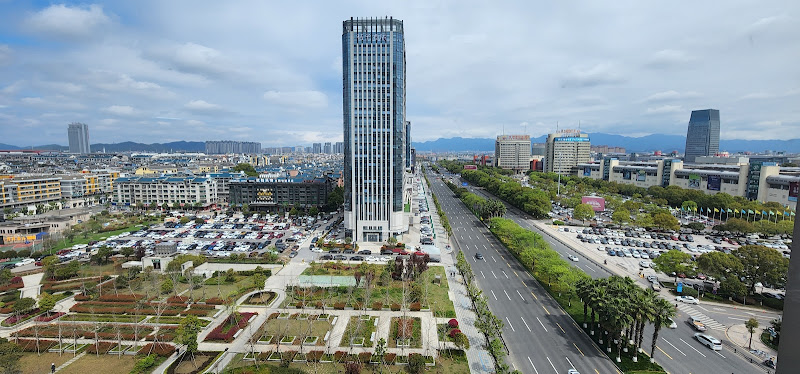
Most travelers have heard of Shanghai's glitzy skyline or Beijing's ancient temples, but Yiwu? That's where things get genuinely interesting for anyone who wants to understand how global commerce actually works. Located in central Zhejiang province under Jinhua's jurisdiction, this county-level city has quietly become one of the most economically significant places you've probably never considered visiting. I'll be honest - when I first heard about Yiwu, I thought someone was pulling my leg. A city famous for being the world's largest wholesale market? It sounded about as exciting as watching paint dry. But here's the thing that changed my perspective completely: Yiwu International Trade City is where approximately 60% of the world's Christmas decorations originate. Yeah, you read that right. That plastic Santa on your neighbor's lawn? Probably came from here. The city itself defies typical Chinese tourism stereotypes. You won't find crowds of selfie-taking tourists at ancient pagodas (though there are some historical sites if you look hard enough). Instead, Yiwu pulses with a different kind of energy - one driven by merchants from literally every corner of the globe haggling over shipping containers full of products destined for stores worldwide. Walking through the market districts feels like stepping into the engine room of global capitalism, and honestly, it's pretty fascinating once you wrap your head around it. What makes Yiwu particularly unique is its unexpected cosmopolitan character. The city hosts one of China's largest populations of foreign residents - Arabs, Africans, Europeans, and Americans who've made this manufacturing hub their home. This has created an unusual cultural blend where you'll find authentic Middle Eastern restaurants next to traditional Zhejiang noodle shops, and hear more languages in a single afternoon than you might in many major tourist cities. For travelers seeking authentic experiences beyond the typical tourist circuit, Yiwu offers something genuinely different. It's raw, commercial, and unapologetically focused on business rather than beauty. And somehow, that's exactly what makes it worth experiencing.

Key Features

The attractions and experiences that define Yiwu center around its commercial identity, though the city offers more than just market halls: • Yiwu International Trade City - This isn't just one market but actually five massive complexes (Districts 1-5) covering over 4 million square meters. Each district specializes in different product categories, from toys and crafts to hardware and electronics. Navigating all of it would take literally days. • Futian Market - The original wholesale market that started it all, still operating and offering a slightly more manageable introduction to Yiwu's trading culture than the massive International Trade City. • Yiwu International Trade Market Area - Beyond the main districts, countless smaller specialized markets focus on specific niches like jewelry, textiles, or seasonal goods. • Xiuhu Park - When you need a break from the commercial chaos, this pleasant urban park offers walking paths, a lake, and a glimpse of local life away from the trading floors. • Choucheng Ancient Town - A restored historical area that provides context for Yiwu's pre-commerce identity, featuring traditional architecture and cultural exhibits. • International dining scene - Thanks to the foreign merchant community, Yiwu has surprisingly authentic international restaurants representing cuisines from across Africa, the Middle East, and beyond. • The wholesale experience itself - Even if you're not buying container loads of products, watching the global trade ecosystem in action is genuinely educational and unlike anything else in typical tourist China. • Cultural diversity - The blend of Chinese and international communities creates unexpected cultural exchanges you won't find in more traditional destinations.

Best Time to Visit

Timing your Yiwu visit depends entirely on what you want to experience, and I've got some thoughts based on the commercial rhythms that drive this city. Spring (March to May) is genuinely the sweet spot for most travelers. The weather cooperates nicely - temperatures ranging from 15-25°C make walking through endless market halls actually pleasant rather than sweaty torture. But here's what really matters: you'll catch the post-Chinese New Year manufacturing ramp-up when factories are in full production and the markets buzz with energy. The city hasn't yet hit the oppressive summer humidity that makes Zhejiang province feel like you're breathing through a wet blanket. Summer (June to August) tests your tolerance for heat and humidity. Temperatures regularly hit 35°C, and the humidity makes it feel even worse. However, this is actually peak business season. If you want to see Yiwu at its most intense - with merchants from every continent negotiating deals and the markets absolutely packed - this is when to come. Just prepare to sweat. A lot. Autumn (September to November) rivals spring as the most comfortable visiting period. October is particularly nice, with pleasant temperatures and clear skies. The Canton Fair in nearby Guangzhou typically drives additional business traffic to Yiwu during this period, so you'll experience the market ecosystem at full throttle without melting in the process. Winter (December to February) gets cold - not Beijing cold, but chilly enough that those market halls without proper heating become uncomfortable. January can dip to freezing. The wildcard here is Chinese New Year, which typically falls in late January or February. Most markets shut down completely for at least a week, sometimes longer. Avoid this period unless you want to experience a ghost town. But if you come in early December? You'll witness the absolute peak of Christmas decoration production and export season, which is actually pretty mind-blowing to observe. Weekdays beat weekends regardless of season. The markets operate primarily Monday through Friday, with reduced hours or closures on weekends. Since you're coming for the commercial experience, weekend visits kind of miss the point.

How to Get There

Getting to Yiwu is surprisingly straightforward for a city most people have never heard of, which tells you something about its economic importance. By air, Yiwu Airport serves the city with connections to major Chinese hubs like Beijing, Shanghai, Guangzhou, and Shenzhen, plus some international flights to Southeast Asia and the Middle East. The airport sits about 10 kilometers from the city center - a 20-minute taxi ride that shouldn't cost more than 50 RMB. Don't let taxi drivers convince you otherwise; I learned this the expensive way. The high-speed train option is honestly what I'd recommend for most travelers already in China. Yiwu Railway Station connects to China's extensive high-speed rail network with frequent service to Shanghai (about 2 hours), Hangzhou (1 hour), and other major cities. The station itself is modern and efficient, and getting from there to the market districts takes maybe 15 minutes by taxi. The train experience gives you a comfortable, scenic journey through Zhejiang's countryside, which beats flying when you factor in airport security and waiting time. If you're coming from Hangzhou, which many international travelers use as their Zhejiang base, the high-speed train is absolutely the move. Trains depart every 30 minutes or so, the journey takes about 60-90 minutes depending on which service you catch, and tickets cost around 60-80 RMB. You can book through Trip.com or the official China Railway 12306 app (which has an English version now, thank goodness). Long-distance buses connect Yiwu to surrounding cities, but unless you're on a seriously tight budget or enjoy questionable road safety standards, skip this option. The time savings and comfort of the train are worth the marginal extra cost. Once you've arrived in Yiwu, getting around requires some planning. The city has a public bus system that's dirt cheap but requires some Chinese language skills and patience. Taxis are abundant and reasonably priced - most trips within the city center run 15-30 RMB. Didi (China's Uber equivalent) works well here if you've got the app set up with a Chinese phone number and payment method. The market districts are spread out enough that walking between them isn't really practical. Plan on taking taxis or buses to move between different market complexes.

Tips for Visiting

Yiwu isn't your typical tourist destination, which means the usual travel advice doesn't quite apply. Here's what actually matters based on the city's unique character. Bring comfortable walking shoes - and I mean the most comfortable ones you own. Exploring the market complexes involves hours of walking on hard floors through endless corridors. My feet have never been more grateful for good shoes than after a full day in the International Trade City. Wear layers too, because the climate control in these massive halls is inconsistent at best. Download a translation app before you arrive. While Yiwu has more English speakers than you'd expect given its international business community, many market vendors still operate primarily in Chinese. Having Google Translate or Plexto ready on your phone makes communication infinitely easier. And yes, you'll need a VPN for Google services in China - don't forget to install it before you arrive. Respect that this is primarily a wholesale environment. Most vendors aren't set up for retail purchases, and they're genuinely busy with actual business clients. If you want to buy things, understand that minimum order quantities might be 100 or 1000 pieces. Some vendors will make exceptions for individual items, especially in the tourist-facing sections, but don't expect everyone to accommodate single-item purchases. Cash still matters here despite China's mobile payment dominance. While WeChat Pay and Alipay rule most transactions, some smaller vendors prefer cash, and you might find situations where your foreign credit card doesn't cut it. Carry some Chinese yuan for peace of mind. The food situation in Yiwu is better than you'd expect. Yes, there are countless cheap noodle joints and dumpling stalls perfect for quick market-day lunches. But the international community has brought authentic cuisine from their home countries. I've had better Ethiopian food in Yiwu than in some major Western cities. Explore the neighborhoods where foreign merchants live - that's where you'll find the culinary gems. Photography can be sensitive. While nobody will stop you from taking general photos of the market halls, many vendors don't want their specific products photographed (knock-off concerns and protecting designs from competitors). Always ask before photographing specific stalls or products. General architectural and crowd shots are usually fine. Plan your market exploration strategically. Each district of the International Trade City specializes in different products - District 1 focuses on crafts and toys, District 2 on hardware and tools, District 3 on cosmetics and daily necessities, and so on. Research what interests you most and prioritize those areas rather than trying to see everything. The language barrier is real but manageable. Learning a few basic Mandarin phrases goes surprisingly far here. Numbers are particularly useful when negotiating or asking prices. The vendors appreciate the effort even if your tones are terrible (like mine definitely were). Accommodation options range from business hotels to international chains. Stay somewhere near the market districts if you're here primarily for the commercial experience. The city center offers more dining variety and a slightly less industrial atmosphere if you prefer that. Don't skip the cultural experiences entirely. Yes, you came for the markets, but spending an evening in the international neighborhoods watching the sunset over Xiuhu Park while locals practice tai chi, then grabbing dinner at a Syrian restaurant run by a merchant who's lived here for 15 years - that's the kind of unexpected experience that makes Yiwu memorable beyond just the commercial spectacle. Finally, adjust your expectations. Yiwu won't give you postcard-perfect moments or ancient wonders. What it offers is a genuine, unfiltered look at how global commerce actually functions at the ground level. Embrace that instead of wishing it were something else, and you'll find the experience genuinely rewarding in ways typical tourism rarely achieves.

Key Features

  • Yiwu International Trade City — the world’s largest small-commodities wholesale market
  • Extensive wholesale districts organized by product category
  • Strong international trader community with multilingual services and showrooms
  • Good transport links: high-speed rail to Hangzhou and beyond
  • Local cultural sites and riverfront neighborhoods offering a calmer contrast to the markets

More Details

Updated March 30, 2026

Description

Most travelers have heard of Shanghai’s glitzy skyline or Beijing’s ancient temples, but Yiwu? That’s where things get genuinely interesting for anyone who wants to understand how global commerce actually works. Located in central Zhejiang province under Jinhua’s jurisdiction, this county-level city has quietly become one of the most economically significant places you’ve probably never considered visiting.

I’ll be honest – when I first heard about Yiwu, I thought someone was pulling my leg. A city famous for being the world’s largest wholesale market? It sounded about as exciting as watching paint dry. But here’s the thing that changed my perspective completely: Yiwu International Trade City is where approximately 60% of the world’s Christmas decorations originate. Yeah, you read that right. That plastic Santa on your neighbor’s lawn? Probably came from here.

The city itself defies typical Chinese tourism stereotypes. You won’t find crowds of selfie-taking tourists at ancient pagodas (though there are some historical sites if you look hard enough). Instead, Yiwu pulses with a different kind of energy – one driven by merchants from literally every corner of the globe haggling over shipping containers full of products destined for stores worldwide. Walking through the market districts feels like stepping into the engine room of global capitalism, and honestly, it’s pretty fascinating once you wrap your head around it.

What makes Yiwu particularly unique is its unexpected cosmopolitan character. The city hosts one of China’s largest populations of foreign residents – Arabs, Africans, Europeans, and Americans who’ve made this manufacturing hub their home. This has created an unusual cultural blend where you’ll find authentic Middle Eastern restaurants next to traditional Zhejiang noodle shops, and hear more languages in a single afternoon than you might in many major tourist cities.

For travelers seeking authentic experiences beyond the typical tourist circuit, Yiwu offers something genuinely different. It’s raw, commercial, and unapologetically focused on business rather than beauty. And somehow, that’s exactly what makes it worth experiencing.

Key Features

The attractions and experiences that define Yiwu center around its commercial identity, though the city offers more than just market halls:

Yiwu International Trade City – This isn’t just one market but actually five massive complexes (Districts 1-5) covering over 4 million square meters. Each district specializes in different product categories, from toys and crafts to hardware and electronics. Navigating all of it would take literally days.

Futian Market – The original wholesale market that started it all, still operating and offering a slightly more manageable introduction to Yiwu’s trading culture than the massive International Trade City.

Yiwu International Trade Market Area – Beyond the main districts, countless smaller specialized markets focus on specific niches like jewelry, textiles, or seasonal goods.

Xiuhu Park – When you need a break from the commercial chaos, this pleasant urban park offers walking paths, a lake, and a glimpse of local life away from the trading floors.

Choucheng Ancient Town – A restored historical area that provides context for Yiwu’s pre-commerce identity, featuring traditional architecture and cultural exhibits.

International dining scene – Thanks to the foreign merchant community, Yiwu has surprisingly authentic international restaurants representing cuisines from across Africa, the Middle East, and beyond.

The wholesale experience itself – Even if you’re not buying container loads of products, watching the global trade ecosystem in action is genuinely educational and unlike anything else in typical tourist China.

Cultural diversity – The blend of Chinese and international communities creates unexpected cultural exchanges you won’t find in more traditional destinations.

Best Time to Visit

Timing your Yiwu visit depends entirely on what you want to experience, and I’ve got some thoughts based on the commercial rhythms that drive this city.

Spring (March to May) is genuinely the sweet spot for most travelers. The weather cooperates nicely – temperatures ranging from 15-25°C make walking through endless market halls actually pleasant rather than sweaty torture. But here’s what really matters: you’ll catch the post-Chinese New Year manufacturing ramp-up when factories are in full production and the markets buzz with energy. The city hasn’t yet hit the oppressive summer humidity that makes Zhejiang province feel like you’re breathing through a wet blanket.

Summer (June to August) tests your tolerance for heat and humidity. Temperatures regularly hit 35°C, and the humidity makes it feel even worse. However, this is actually peak business season. If you want to see Yiwu at its most intense – with merchants from every continent negotiating deals and the markets absolutely packed – this is when to come. Just prepare to sweat. A lot.

Autumn (September to November) rivals spring as the most comfortable visiting period. October is particularly nice, with pleasant temperatures and clear skies. The Canton Fair in nearby Guangzhou typically drives additional business traffic to Yiwu during this period, so you’ll experience the market ecosystem at full throttle without melting in the process.

Winter (December to February) gets cold – not Beijing cold, but chilly enough that those market halls without proper heating become uncomfortable. January can dip to freezing. The wildcard here is Chinese New Year, which typically falls in late January or February. Most markets shut down completely for at least a week, sometimes longer. Avoid this period unless you want to experience a ghost town. But if you come in early December? You’ll witness the absolute peak of Christmas decoration production and export season, which is actually pretty mind-blowing to observe.

Weekdays beat weekends regardless of season. The markets operate primarily Monday through Friday, with reduced hours or closures on weekends. Since you’re coming for the commercial experience, weekend visits kind of miss the point.

How to Get There

Getting to Yiwu is surprisingly straightforward for a city most people have never heard of, which tells you something about its economic importance.

By air, Yiwu Airport serves the city with connections to major Chinese hubs like Beijing, Shanghai, Guangzhou, and Shenzhen, plus some international flights to Southeast Asia and the Middle East. The airport sits about 10 kilometers from the city center – a 20-minute taxi ride that shouldn’t cost more than 50 RMB. Don’t let taxi drivers convince you otherwise; I learned this the expensive way.

The high-speed train option is honestly what I’d recommend for most travelers already in China. Yiwu Railway Station connects to China’s extensive high-speed rail network with frequent service to Shanghai (about 2 hours), Hangzhou (1 hour), and other major cities. The station itself is modern and efficient, and getting from there to the market districts takes maybe 15 minutes by taxi. The train experience gives you a comfortable, scenic journey through Zhejiang’s countryside, which beats flying when you factor in airport security and waiting time.

If you’re coming from Hangzhou, which many international travelers use as their Zhejiang base, the high-speed train is absolutely the move. Trains depart every 30 minutes or so, the journey takes about 60-90 minutes depending on which service you catch, and tickets cost around 60-80 RMB. You can book through Trip.com or the official China Railway 12306 app (which has an English version now, thank goodness).

Long-distance buses connect Yiwu to surrounding cities, but unless you’re on a seriously tight budget or enjoy questionable road safety standards, skip this option. The time savings and comfort of the train are worth the marginal extra cost.

Once you’ve arrived in Yiwu, getting around requires some planning. The city has a public bus system that’s dirt cheap but requires some Chinese language skills and patience. Taxis are abundant and reasonably priced – most trips within the city center run 15-30 RMB. Didi (China’s Uber equivalent) works well here if you’ve got the app set up with a Chinese phone number and payment method.

The market districts are spread out enough that walking between them isn’t really practical. Plan on taking taxis or buses to move between different market complexes.

Tips for Visiting

Yiwu isn’t your typical tourist destination, which means the usual travel advice doesn’t quite apply. Here’s what actually matters based on the city’s unique character.

Bring comfortable walking shoes – and I mean the most comfortable ones you own. Exploring the market complexes involves hours of walking on hard floors through endless corridors. My feet have never been more grateful for good shoes than after a full day in the International Trade City. Wear layers too, because the climate control in these massive halls is inconsistent at best.

Download a translation app before you arrive. While Yiwu has more English speakers than you’d expect given its international business community, many market vendors still operate primarily in Chinese. Having Google Translate or Plexto ready on your phone makes communication infinitely easier. And yes, you’ll need a VPN for Google services in China – don’t forget to install it before you arrive.

Respect that this is primarily a wholesale environment. Most vendors aren’t set up for retail purchases, and they’re genuinely busy with actual business clients. If you want to buy things, understand that minimum order quantities might be 100 or 1000 pieces. Some vendors will make exceptions for individual items, especially in the tourist-facing sections, but don’t expect everyone to accommodate single-item purchases.

Cash still matters here despite China’s mobile payment dominance. While WeChat Pay and Alipay rule most transactions, some smaller vendors prefer cash, and you might find situations where your foreign credit card doesn’t cut it. Carry some Chinese yuan for peace of mind.

The food situation in Yiwu is better than you’d expect. Yes, there are countless cheap noodle joints and dumpling stalls perfect for quick market-day lunches. But the international community has brought authentic cuisine from their home countries. I’ve had better Ethiopian food in Yiwu than in some major Western cities. Explore the neighborhoods where foreign merchants live – that’s where you’ll find the culinary gems.

Photography can be sensitive. While nobody will stop you from taking general photos of the market halls, many vendors don’t want their specific products photographed (knock-off concerns and protecting designs from competitors). Always ask before photographing specific stalls or products. General architectural and crowd shots are usually fine.

Plan your market exploration strategically. Each district of the International Trade City specializes in different products – District 1 focuses on crafts and toys, District 2 on hardware and tools, District 3 on cosmetics and daily necessities, and so on. Research what interests you most and prioritize those areas rather than trying to see everything.

The language barrier is real but manageable. Learning a few basic Mandarin phrases goes surprisingly far here. Numbers are particularly useful when negotiating or asking prices. The vendors appreciate the effort even if your tones are terrible (like mine definitely were).

Accommodation options range from business hotels to international chains. Stay somewhere near the market districts if you’re here primarily for the commercial experience. The city center offers more dining variety and a slightly less industrial atmosphere if you prefer that.

Don’t skip the cultural experiences entirely. Yes, you came for the markets, but spending an evening in the international neighborhoods watching the sunset over Xiuhu Park while locals practice tai chi, then grabbing dinner at a Syrian restaurant run by a merchant who’s lived here for 15 years – that’s the kind of unexpected experience that makes Yiwu memorable beyond just the commercial spectacle.

Finally, adjust your expectations. Yiwu won’t give you postcard-perfect moments or ancient wonders. What it offers is a genuine, unfiltered look at how global commerce actually functions at the ground level. Embrace that instead of wishing it were something else, and you’ll find the experience genuinely rewarding in ways typical tourism rarely achieves.

Key Highlights

  • Yiwu International Trade City — the world’s largest small-commodities wholesale market
  • Extensive wholesale districts organized by product category
  • Strong international trader community with multilingual services and showrooms
  • Good transport links: high-speed rail to Hangzhou and beyond
  • Local cultural sites and riverfront neighborhoods offering a calmer contrast to the markets

Location

Places to Stay Near Yiwu

Find and Book a Tour

Explore More Travel Guides

No reviews found! Be the first to review!

Yiwu is a prominent Attractions located in Jinhua.

Traveler Reviews for Yiwu

There are no reviews yet. Be the first one to write one.

Share Your Experience

Have you visited Yiwu? Help other travelers by sharing your review.

Nearby Attractions

Jinhua, historic urban center and local museums Dongyang — wood carving and cultural crafts (nearby) Hangzhou — West Lake and provincial capital (accessible by high-speed train)

Find Accommodations Nearby

Recommended Tours & Activities

Visitor Reviews

There are no reviews yet. Be the first one to write one.

Share Your Experience

Have you visited Yiwu? Help other travelers by leaving a review.