
Xining
About Xining
Description
Xining, the capital of Qinghai Province in northwestern China, is a place that somehow keeps turning up in unexpected conversations among travelers who like their journeys with a bit of altitude—literally and figuratively. Sitting at around 2,200 meters above sea level on the edge of the great Tibetan Plateau, Xining is a fascinating mix of ethnic cultures, old Silk Road history, and crisp mountain air that hits different the moment one steps off the train (or plane, if one prefers less romance and more convenience). The city might not get the same tourist buzz as Beijing or Chengdu, but that’s part of its charm—fewer crowds, more authenticity.
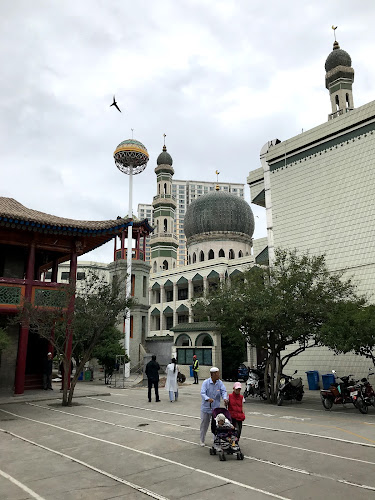
Historically, Xining served as an important trading hub connecting China with Tibet, Nepal, and the Islamic world. That heritage still pulses through its streets. Walk a few blocks and one might hear Mandarin, Tibetan, and even Arabic all drifting in the same breeze. It’s also a deeply spiritual city—the kind of place where Buddhist monks process past mosques, and no one bats an eye. The Dongguan Grand Mosque is a shining symbol of that cultural coexistence, with its elegant domes and Chinese-style rooftops somehow managing to coexist beautifully. The Tibetan Medicine and Culture Museum, on the other hand, dives deep into the scientific and philosophical traditions that have shaped life across the region for centuries. Every object there—notebooks written in Tibetan script, ancient medical instruments—whispers stories of a people who learned to thrive in harsh conditions.
And then there’s Ta’er Monastery—also called Kumbum Monastery—a massive Tibetan Buddhist complex about 30 kilometers from the city center. Even if you’re not religious, the colorful butter sculptures alone make it worth the journey. Each piece is devotional art, made painstakingly by hand. When visited early in the morning, before the tour buses arrive, one can feel a stillness that borders on holy. A soft chant, a curl of incense—these sensory details stay long after the trip ends.
But Xining isn’t just about temples and history. It’s a gateway to one of China’s most striking natural landscapes. Qinghai Lake, the largest salt lake in China, is about a couple of hours away and is one of those places that makes even seasoned travelers gape. The birdlife is extraordinary, especially during migration seasons, with flocks painting moving patterns across the sky. The turquoise waters against the stark brown plateau have a way of making you forget everything back home for a bit. Photographers, cyclists, and wanderers alike swear it’s one of the most scenic stretches of road in western China.
Daily life in Xining has its own rhythm. There’s the hum of morning markets selling yak milk yogurt, dumplings, and freshly baked nang bread. Restaurants cook up spicy noodles that sting just enough to remind you how high up you are. The people—mostly Han, Hui, Tibetan, and Tu—are famously straightforward and warm, provided you respect the layered cultures around you. Talk to a tea seller about the weather and you’ll likely get a lesson on Qinghai’s unpredictable climate along the way. It’s that kind of city.
Not everything’s perfect, of course. The air can feel thin to visitors, and the weather swings wildly—sunny and clear one hour, overcast the next. But those quirks are part of Xining’s character. It’s rough-edged in spots, but alive and real in all the ways that matter. Travelers drawn to the road less traveled tend to leave very fond of it, already daydreaming about the next ride along the Qinghai-Tibet Highway.
Key Features
- Religious diversity: Home to ancient Buddhist temples like Ta’er Monastery and major Islamic landmarks such as the Dongguan Grand Mosque, reflecting centuries of peaceful cultural blending.
- Gateway to the Tibetan Plateau: The last major city before Tibet, offering acclimatization stops for high-altitude travelers heading west.
- Historical Silk Road roots: Xining was a crucial trading post connecting eastern China to Central Asia, leaving behind layers of multicultural history.
- Tibetan Medicine and Culture Museum: Houses over 300,000 artifacts that narrate the fascinating evolution of Tibetan medical practices.
- Proximity to Qinghai Lake: Provides access to China’s largest inland saltwater lake, a spectacular setting for birdwatching, cycling, and photography.
- Local cuisine: Think hand-pulled noodles, yak butter tea, and delicious Hui-style halal food stalls lined along busy streets.
- Cool, high-altitude climate: Though the air can be thin, the summer temperatures stay moderate, making outdoor exploration pleasant.
- Blend of urban and provincial life: Modern high-speed rail, bustling markets, and an undercurrent of old-world charm give the city an interesting dual character.
Best Time to Visit
If there’s one thing to know about Xining’s weather, it’s that it can’t quite make up its mind. The city’s climate leans toward semi-arid, with bright skies and crisp air being the norm. The best time to visit is from May to September. During those months, flowers bloom across the grasslands, and Qinghai Lake turns a deep, dreamy blue. June and July bring cooler breezes, ideal for outdoor hikes and day trips. The summer also coincides with Tibetan festivals near Ta’er Monastery, a cultural experience filled with color, music, and ritual dance.
That said, a winter visit has its quiet appeal. It’s cold—bone-chillingly sometimes—but the snow-dusted monasteries look like something from a painting. If you’re okay with braving the chill (and have decent altitude tolerance), you’ll find fewer tourists and a slower, more introspective pace. Early spring, around April, tends to be dry and dusty, so maybe skip that unless you’re on a research expedition. Honestly, late June sunsets at high altitude are unforgettable—watching gold light spill over the Huangshui River and the hilltops of western China feels almost cinematic.
How to Get There
Getting to Xining is surprisingly convenient for a city sitting at the roof of China. The Xining Caojiabao International Airport is about 30 kilometers east of the urban center, hosting flights from Beijing, Shanghai, Chengdu, and even Lhasa. The approach descent is one of those that makes you grip your seat—the snow-capped peaks seem so close you could reach out and touch them.
If you’re more of a train person (and honestly, who doesn’t love watching landscapes change mile by mile?), consider taking the Qinghai–Tibet Railway. It’s one of the highest railways in the world, connecting Xining directly with cities like Lhasa, Lanzhou, and Chengdu. The ride offers a front-row seat to countryside vistas, grazing yak herds, and vast mountain horizons. For road travelers, the highways stretching from Gansu and Sichuan provinces make scenic routes for longer journeys. Long-distance buses serve routes across northwestern China, though they’re best for the adventurous.
Once in the city, local transport is straightforward. Buses, taxis, and the developing metro network make getting around smooth enough, though walking through the old districts offers a more intimate feel. Don’t rush Xining—it’s the kind of city that reveals its personality slowly, sometimes over a late cup of butter tea at a tucked-away café near a mosque courtyard.
Tips for Visiting
Let’s get practical for a second because Xining, being high-altitude territory, isn’t your average weekend jaunt. First off, take it easy the first day. The air’s thinner up there, and travelers coming straight from sea level sometimes underestimate how breathless a hill climb can make them. Drink water, rest, and maybe save the monastery stairs for day two. Hydration and pacing are not optional—they’re survival strategies.
Dress in layers. The sun burns bright during the day, while nights dip close to freezing even in what passes for summer. And sunscreen—lots of it. The UV exposure at that altitude shows no mercy. Comfortable walking shoes are a must if you plan to wander through monasteries or the Qinghai Lake trails. As for food, don’t miss trying mutton skewers along Mo Jie Street (Xining’s unofficial food corridor). I still remember the charcoal aroma from my first visit; it clings lovingly to your jacket for days. The yak milk yogurt sold by elderly Tibetan women outside Ta’er Monastery is another treat—slightly tart, incredibly fresh, and surprisingly addictive.
Cultural etiquette matters here. When visiting monasteries, always walk clockwise around sacred objects and avoid pointing at religious statues. A small smile and a nod go a long way when interacting with local monks or vendors. Photography is usually fine in public areas but always ask first inside temples. The local community, particularly the Hui and Tibetan, are proud of their traditions, and showing respect will earn heartfelt reciprocation.
For travelers planning longer tours, Xining makes an excellent base camp. Day trips to Qinghai Lake, Kanbula National Forest Park, or even the lesser-known Sun and Moon Mountain are easily arranged. Just double-check altitude information before heading out—locations can reach over 3,000 meters, so altitude sickness precautions still apply. If you’re continuing on the Qinghai–Tibet Railway, give yourself at least a day or two to adjust before the big climb toward Lhasa.
In short, Xining rewards patience and curiosity. It’s not polished in the way some Chinese cities are, but it earns loyalty through its sincerity. Come with open eyes and a steady pace, and this highland capital will quietly rewrite what you think you know about China. And who knows—you might just find yourself standing by the Huangshui River at dusk thinking, “I could stay here a little longer.”
Key Features
- Key Features
- Best Time to Visit
- How to Get There
- Tips for Visiting
More Details
Updated October 20, 2025
Table of Contents Xining, the capital of Qinghai Province in northwestern China, is a place that somehow keeps turning up in unexpected conversations among travelers who like their journeys with a bit of altitude—literally and figuratively. Sitting at around 2,200 meters above sea level on the edge of the great Tibetan Plateau, Xining is a fascinating mix of ethnic cultures, old Silk Road history, and crisp mountain air that hits different the moment one steps off the train (or plane, if one prefers less romance and more convenience). The city might not get the same tourist buzz as Beijing or Chengdu, but that’s part of its charm—fewer crowds, more authenticity. Historically, Xining served as an important trading hub connecting China with Tibet, Nepal, and the Islamic world. That heritage still pulses through its streets. Walk a few blocks and one might hear Mandarin, Tibetan, and even Arabic all drifting in the same breeze. It’s also a deeply spiritual city—the kind of place where Buddhist monks process past mosques, and no one bats an eye. The Dongguan Grand Mosque is a shining symbol of that cultural coexistence, with its elegant domes and Chinese-style rooftops somehow managing to coexist beautifully. The Tibetan Medicine and Culture Museum, on the other hand, dives deep into the scientific and philosophical traditions that have shaped life across the region for centuries. Every object there—notebooks written in Tibetan script, ancient medical instruments—whispers stories of a people who learned to thrive in harsh conditions. And then there’s Ta’er Monastery—also called Kumbum Monastery—a massive Tibetan Buddhist complex about 30 kilometers from the city center. Even if you’re not religious, the colorful butter sculptures alone make it worth the journey. Each piece is devotional art, made painstakingly by hand. When visited early in the morning, before the tour buses arrive, one can feel a stillness that borders on holy. A soft chant, a curl of incense—these sensory details stay long after the trip ends. But Xining isn’t just about temples and history. It’s a gateway to one of China’s most striking natural landscapes. Qinghai Lake, the largest salt lake in China, is about a couple of hours away and is one of those places that makes even seasoned travelers gape. The birdlife is extraordinary, especially during migration seasons, with flocks painting moving patterns across the sky. The turquoise waters against the stark brown plateau have a way of making you forget everything back home for a bit. Photographers, cyclists, and wanderers alike swear it’s one of the most scenic stretches of road in western China. Daily life in Xining has its own rhythm. There’s the hum of morning markets selling yak milk yogurt, dumplings, and freshly baked nang bread. Restaurants cook up spicy noodles that sting just enough to remind you how high up you are. The people—mostly Han, Hui, Tibetan, and Tu—are famously straightforward and warm, provided you respect the layered cultures around you. Talk to a tea seller about the weather and you’ll likely get a lesson on Qinghai’s unpredictable climate along the way. It’s that kind of city. Not everything’s perfect, of course. The air can feel thin to visitors, and the weather swings wildly—sunny and clear one hour, overcast the next. But those quirks are part of Xining’s character. It’s rough-edged in spots, but alive and real in all the ways that matter. Travelers drawn to the road less traveled tend to leave very fond of it, already daydreaming about the next ride along the Qinghai-Tibet Highway. If there’s one thing to know about Xining’s weather, it’s that it can’t quite make up its mind. The city’s climate leans toward semi-arid, with bright skies and crisp air being the norm. The best time to visit is from May to September. During those months, flowers bloom across the grasslands, and Qinghai Lake turns a deep, dreamy blue. June and July bring cooler breezes, ideal for outdoor hikes and day trips. The summer also coincides with Tibetan festivals near Ta’er Monastery, a cultural experience filled with color, music, and ritual dance. That said, a winter visit has its quiet appeal. It’s cold—bone-chillingly sometimes—but the snow-dusted monasteries look like something from a painting. If you’re okay with braving the chill (and have decent altitude tolerance), you’ll find fewer tourists and a slower, more introspective pace. Early spring, around April, tends to be dry and dusty, so maybe skip that unless you’re on a research expedition. Honestly, late June sunsets at high altitude are unforgettable—watching gold light spill over the Huangshui River and the hilltops of western China feels almost cinematic. Getting to Xining is surprisingly convenient for a city sitting at the roof of China. The Xining Caojiabao International Airport is about 30 kilometers east of the urban center, hosting flights from Beijing, Shanghai, Chengdu, and even Lhasa. The approach descent is one of those that makes you grip your seat—the snow-capped peaks seem so close you could reach out and touch them. If you’re more of a train person (and honestly, who doesn’t love watching landscapes change mile by mile?), consider taking the Qinghai–Tibet Railway. It’s one of the highest railways in the world, connecting Xining directly with cities like Lhasa, Lanzhou, and Chengdu. The ride offers a front-row seat to countryside vistas, grazing yak herds, and vast mountain horizons. For road travelers, the highways stretching from Gansu and Sichuan provinces make scenic routes for longer journeys. Long-distance buses serve routes across northwestern China, though they’re best for the adventurous. Once in the city, local transport is straightforward. Buses, taxis, and the developing metro network make getting around smooth enough, though walking through the old districts offers a more intimate feel. Don’t rush Xining—it’s the kind of city that reveals its personality slowly, sometimes over a late cup of butter tea at a tucked-away café near a mosque courtyard. Let’s get practical for a second because Xining, being high-altitude territory, isn’t your average weekend jaunt. First off, take it easy the first day. The air’s thinner up there, and travelers coming straight from sea level sometimes underestimate how breathless a hill climb can make them. Drink water, rest, and maybe save the monastery stairs for day two. Hydration and pacing are not optional—they’re survival strategies. Dress in layers. The sun burns bright during the day, while nights dip close to freezing even in what passes for summer. And sunscreen—lots of it. The UV exposure at that altitude shows no mercy. Comfortable walking shoes are a must if you plan to wander through monasteries or the Qinghai Lake trails. As for food, don’t miss trying mutton skewers along Mo Jie Street (Xining’s unofficial food corridor). I still remember the charcoal aroma from my first visit; it clings lovingly to your jacket for days. The yak milk yogurt sold by elderly Tibetan women outside Ta’er Monastery is another treat—slightly tart, incredibly fresh, and surprisingly addictive. Cultural etiquette matters here. When visiting monasteries, always walk clockwise around sacred objects and avoid pointing at religious statues. A small smile and a nod go a long way when interacting with local monks or vendors. Photography is usually fine in public areas but always ask first inside temples. The local community, particularly the Hui and Tibetan, are proud of their traditions, and showing respect will earn heartfelt reciprocation. For travelers planning longer tours, Xining makes an excellent base camp. Day trips to Qinghai Lake, Kanbula National Forest Park, or even the lesser-known Sun and Moon Mountain are easily arranged. Just double-check altitude information before heading out—locations can reach over 3,000 meters, so altitude sickness precautions still apply. If you’re continuing on the Qinghai–Tibet Railway, give yourself at least a day or two to adjust before the big climb toward Lhasa. In short, Xining rewards patience and curiosity. It’s not polished in the way some Chinese cities are, but it earns loyalty through its sincerity. Come with open eyes and a steady pace, and this highland capital will quietly rewrite what you think you know about China. And who knows—you might just find yourself standing by the Huangshui River at dusk thinking, “I could stay here a little longer.”Description
Key Features
Best Time to Visit
How to Get There
Tips for Visiting
Key Highlights
- Key Features
- Best Time to Visit
- How to Get There
- Tips for Visiting
Location
Places to Stay Near Xining
Find and Book a Tour
Explore More Travel Guides
No reviews found! Be the first to review!
Traveler Reviews for Xining
There are no reviews yet. Be the first one to write one.
Have you visited Xining? Help other travelers by sharing your review.
You Might Also Like
Dafo Temple
-Xining.jpg)
Beihai Park (West Gate)
811602
Find Accommodations Nearby
Recommended Tours & Activities
Visitor Reviews
There are no reviews yet. Be the first one to write one.
Share Your Experience
Have you visited Xining? Help other travelers by leaving a review.