
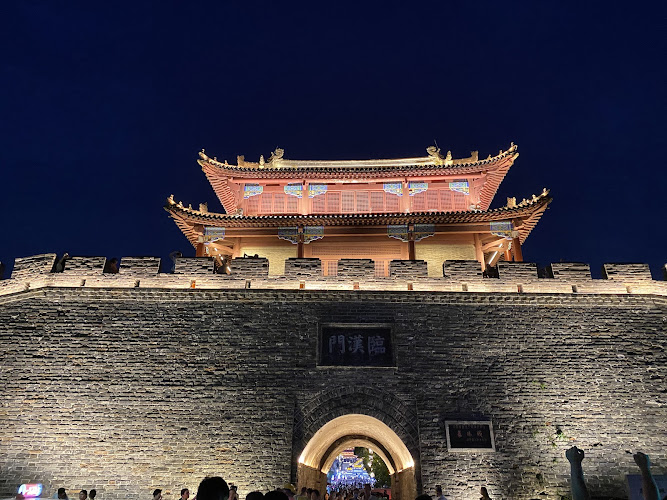
Xiangyang City Wall
About Xiangyang City Wall
Description
The Xiangyang City Wall stands as one of China's most impressive and well-preserved ancient fortifications, stretching across the landscape like a stone dragon frozen in time. I've always been fascinated by structures that have witnessed centuries of history, and this particular wall doesn't disappoint – it's actually one of the most complete ancient city walls still standing in China today, which is saying something in a country filled with historical treasures. Built during the Han Dynasty and reconstructed during the Ming Dynasty, this massive defensive structure encircles the old city of Xiangyang in Hubei Province. What makes this wall particularly special is that unlike many tourist attractions that feel sterile or overly restored, the Xiangyang City Wall maintains an authentic, lived-in quality that transports visitors back through centuries of Chinese military architecture and urban planning. The wall itself measures approximately 7.3 kilometers in circumference, with heights reaching up to 8 meters in some sections. But numbers don't really capture the experience of standing atop these ancient stones, looking out over the Han River on one side and the bustling modern city on the other. It's this juxtaposition of ancient and contemporary that makes the site genuinely compelling for travelers who appreciate historical depth without sacrificing modern convenience. Walking along the ramparts, you can almost hear the echoes of ancient soldiers who once patrolled these same paths, watching for invaders from rival kingdoms. The wall played crucial roles in numerous historical conflicts, including the famous siege during the Mongol invasion in the 13th century. And honestly, when you see the strategic positioning and the thickness of these walls, you understand why it took the Mongols six years to finally breach the defenses. The fortification features multiple gates, watchtowers, and defensive structures that showcase sophisticated military engineering from medieval China. Travelers will find the site remarkably accessible yet authentically preserved, offering both educational value and that intangible sense of connection to the past that makes historical travel so rewarding.Key Features
• Impressive scale and preservation – The wall stretches 7.3 kilometers around the old city and maintains its original structure better than most comparable fortifications in China • Strategic river positioning – The wall runs alongside the Han River, providing stunning waterfront views and demonstrating ancient defensive strategy that used natural barriers • Multiple historic gates – Six main gates pierce the wall, each with its own architectural character and historical significance from different dynastic periods • Wide walkable ramparts – The top of the wall is broad enough for leisurely walks, with some sections wide enough that ancient chariots could traverse them • Original watchtowers – Several towers remain intact, offering elevated viewing platforms where visitors can survey the surrounding landscape just as guards did centuries ago • Moat system – Parts of the original moat are still visible, adding another layer of historical authenticity to the defensive complex • Family-friendly facilities – The site includes restrooms and is well-suited for children, making it practical for families traveling with young ones • Evening illumination – During certain periods, sections of the wall are lit at night, creating dramatic photo opportunities against the darkening sky • Local cultural integration – Unlike some tourist sites that feel isolated from daily life, this wall remains part of the city's living fabric, with locals often exercising or gathering nearbyBest Time to Visit
Timing your visit to the Xiangyang City Wall can make the difference between a pleasant historical exploration and an uncomfortable slog through crowds or extreme weather. Based on my research and traveler experiences, autumn emerges as the ideal season for visiting this ancient fortification. September through November offers the sweet spot of comfortable temperatures, typically ranging from 15 to 25 degrees Celsius. The oppressive humidity of summer has lifted, but winter's bite hasn't yet arrived. Plus, autumn in this region brings clearer skies, which means better visibility for those panoramic views from the ramparts. Spring, particularly April and May, runs a close second. The weather warms up nicely, and you might catch some of the local flowering trees in bloom around the wall's perimeter. But be prepared for occasional rain showers during spring months – nothing that should derail your plans, just something to pack for. I'd personally avoid visiting during the peak summer months of July and August. The combination of heat, humidity, and crowds can turn what should be a contemplative historical experience into an endurance test. Temperatures regularly climb above 30 degrees Celsius, and there's limited shade along the wall itself. Winter visits from December through February are possible but come with their own considerations. Temperatures can drop below freezing, and the wind whipping across the open ramparts adds an extra chill factor. That said, if you bundle up properly, winter visits offer the advantage of fewer tourists and a certain atmospheric quality when mist rolls off the Han River. For those interested in cultural experiences beyond the wall itself, try coordinating your visit with local festivals. The Chinese New Year period brings special celebrations, though it also brings massive crowds. Mid-Autumn Festival offers a nice balance of cultural enrichment without overwhelming tourist numbers. Regarding time of day, early morning visits provide the best light for photography and the coolest temperatures during warmer months. The wall typically opens around 8 AM, and arriving shortly after opening means you'll have sections nearly to yourself. Late afternoon visits work beautifully too, especially if evening illumination is scheduled. Weekdays are generally less crowded than weekends, as you'd expect. If your schedule allows flexibility, plan for a Tuesday through Thursday visit to maximize your elbow room on the ramparts.How to Get There
Getting to the Xiangyang City Wall is refreshingly straightforward compared to some of China's more remote historical sites. The wall encircles the old city center, making it accessible from multiple directions depending on where you're staying. For travelers arriving from outside the region, Xiangyang Liuji Airport serves as the primary air gateway. The airport connects to major Chinese cities including Beijing, Shanghai, Guangzhou, and Shenzhen. From the airport, the city center lies approximately 20 kilometers away, a journey of roughly 30-40 minutes by taxi or ride-sharing service. Taxis are readily available outside the terminal, and using apps like Didi (China's equivalent to Uber) works well if you have a Chinese phone number and payment method set up. The high-speed rail option makes tremendous sense for travelers already in China. Xiangyang has two train stations – Xiangyang Railway Station and Xiangyang East Railway Station. Both connect to China's extensive high-speed rail network. From cities like Wuhan, the journey takes about 90 minutes. From Beijing, you're looking at around 5-6 hours, which might sound long but passes quickly on these modern trains. Once you're in Xiangyang city itself, public buses serve routes that stop near various sections of the wall. Bus lines 6, 9, 13, and several others have stops convenient to different gates. The fare is minimal, usually just a few yuan, but be prepared for potential language barriers if you don't speak Chinese. Taxis and ride-sharing services offer the most convenient option for getting directly to your preferred gate or section of the wall. The city isn't huge by Chinese standards, so most rides within the city remain quite affordable. For the more adventurous or budget-conscious, renting a bicycle makes perfect sense in Xiangyang. The city has bike-share programs similar to those in larger Chinese cities, and cycling around the perimeter of the wall gives you a wonderful sense of its scale before you even climb up onto the ramparts. If you're driving, parking is available near several gates, though spaces can fill up during peak visiting times and holidays.Tips for Visiting
After researching this site extensively, I've gathered some practical advice that'll help you make the most of your visit to the Xiangyang City Wall without the usual tourist frustrations. First off, wear comfortable walking shoes – and I mean actually comfortable, not just shoes you think are comfortable. You'll potentially be covering several kilometers on stone surfaces that weren't exactly designed with modern footwear in mind. Those Instagram-worthy fashion sneakers? Leave them at the hotel. Your feet will thank you. Bring water, especially if you're visiting outside of winter months. While there are facilities available, having your own supply means you won't need to interrupt your exploration. The same goes for snacks if you're planning an extended visit. Weather protection matters more than you might initially think. The wall offers minimal shade, so sun protection is essential during warmer months. Hat, sunscreen, sunglasses – the full sun defense kit. Conversely, the ramparts are exposed to wind, so a windbreaker or light jacket makes sense even on days that seem warm down at street level. Photography enthusiasts should plan for golden hour visits if possible. The lighting during the hour after sunrise or before sunset transforms the ancient stones into something truly magical. And honestly, the wall photographs well from both on top of it and from ground level looking up at its imposing height. Language can present challenges here since this isn't as internationally-focused as tourist sites in Beijing or Shanghai. Having translation apps downloaded and ready on your phone helps immensely. Better yet, download offline translation capabilities before arriving since internet connectivity can be spotty in some areas. The site is indeed good for kids, as the information notes, but keep a close eye on young children near any edges or stairs. The wall was built for defense, not child safety, and while there are railings in most areas, some sections require careful supervision. Plan for at least 2-3 hours if you want to walk a substantial portion of the wall and really soak in the atmosphere. Some travelers rush through in an hour and end up feeling like they missed something – because they did. Cash still matters in smaller Chinese cities. While mobile payment dominates urban China, having some yuan in your pocket provides a backup plan if payment systems don't cooperate. Respect the site and local customs. This is both a tourist attraction and a cherished piece of local heritage. Don't climb on restricted areas, don't litter, and be considerate when taking photographs of local residents who might be using the area for their daily exercise or social activities. Consider hiring a local guide if you're interested in the detailed history. The wall itself doesn't offer extensive English signage, and a knowledgeable guide can bring the stones to life with stories of sieges, defenses, and daily life in ancient Xiangyang. Finally, combine your wall visit with exploration of the surrounding old city neighborhoods. The wall is impressive, but the context of seeing how it fits into the broader urban fabric adds another dimension to understanding its historical and contemporary significance.Key Features
- Extensive Ming-dynasty stone and brick ramparts with original sections
- Multiple preserved gate towers and battlements offering defensive architecture
- Panoramic views over the Han River and historic city areas
- On-site interpretive displays and small museums detailing local military history
- Well-maintained walking paths suitable for photography and historical tours
More Details
Updated March 30, 2026
Table of Contents
Description
The Xiangyang City Wall stands as one of China’s most impressive and well-preserved ancient fortifications, stretching across the landscape like a stone dragon frozen in time. I’ve always been fascinated by structures that have witnessed centuries of history, and this particular wall doesn’t disappoint – it’s actually one of the most complete ancient city walls still standing in China today, which is saying something in a country filled with historical treasures.
Built during the Han Dynasty and reconstructed during the Ming Dynasty, this massive defensive structure encircles the old city of Xiangyang in Hubei Province. What makes this wall particularly special is that unlike many tourist attractions that feel sterile or overly restored, the Xiangyang City Wall maintains an authentic, lived-in quality that transports visitors back through centuries of Chinese military architecture and urban planning.
The wall itself measures approximately 7.3 kilometers in circumference, with heights reaching up to 8 meters in some sections. But numbers don’t really capture the experience of standing atop these ancient stones, looking out over the Han River on one side and the bustling modern city on the other. It’s this juxtaposition of ancient and contemporary that makes the site genuinely compelling for travelers who appreciate historical depth without sacrificing modern convenience.
Walking along the ramparts, you can almost hear the echoes of ancient soldiers who once patrolled these same paths, watching for invaders from rival kingdoms. The wall played crucial roles in numerous historical conflicts, including the famous siege during the Mongol invasion in the 13th century. And honestly, when you see the strategic positioning and the thickness of these walls, you understand why it took the Mongols six years to finally breach the defenses.
The fortification features multiple gates, watchtowers, and defensive structures that showcase sophisticated military engineering from medieval China. Travelers will find the site remarkably accessible yet authentically preserved, offering both educational value and that intangible sense of connection to the past that makes historical travel so rewarding.
Key Features
• Impressive scale and preservation – The wall stretches 7.3 kilometers around the old city and maintains its original structure better than most comparable fortifications in China
• Strategic river positioning – The wall runs alongside the Han River, providing stunning waterfront views and demonstrating ancient defensive strategy that used natural barriers
• Multiple historic gates – Six main gates pierce the wall, each with its own architectural character and historical significance from different dynastic periods
• Wide walkable ramparts – The top of the wall is broad enough for leisurely walks, with some sections wide enough that ancient chariots could traverse them
• Original watchtowers – Several towers remain intact, offering elevated viewing platforms where visitors can survey the surrounding landscape just as guards did centuries ago
• Moat system – Parts of the original moat are still visible, adding another layer of historical authenticity to the defensive complex
• Family-friendly facilities – The site includes restrooms and is well-suited for children, making it practical for families traveling with young ones
• Evening illumination – During certain periods, sections of the wall are lit at night, creating dramatic photo opportunities against the darkening sky
• Local cultural integration – Unlike some tourist sites that feel isolated from daily life, this wall remains part of the city’s living fabric, with locals often exercising or gathering nearby
Best Time to Visit
Timing your visit to the Xiangyang City Wall can make the difference between a pleasant historical exploration and an uncomfortable slog through crowds or extreme weather. Based on my research and traveler experiences, autumn emerges as the ideal season for visiting this ancient fortification.
September through November offers the sweet spot of comfortable temperatures, typically ranging from 15 to 25 degrees Celsius. The oppressive humidity of summer has lifted, but winter’s bite hasn’t yet arrived. Plus, autumn in this region brings clearer skies, which means better visibility for those panoramic views from the ramparts.
Spring, particularly April and May, runs a close second. The weather warms up nicely, and you might catch some of the local flowering trees in bloom around the wall’s perimeter. But be prepared for occasional rain showers during spring months – nothing that should derail your plans, just something to pack for.
I’d personally avoid visiting during the peak summer months of July and August. The combination of heat, humidity, and crowds can turn what should be a contemplative historical experience into an endurance test. Temperatures regularly climb above 30 degrees Celsius, and there’s limited shade along the wall itself.
Winter visits from December through February are possible but come with their own considerations. Temperatures can drop below freezing, and the wind whipping across the open ramparts adds an extra chill factor. That said, if you bundle up properly, winter visits offer the advantage of fewer tourists and a certain atmospheric quality when mist rolls off the Han River.
For those interested in cultural experiences beyond the wall itself, try coordinating your visit with local festivals. The Chinese New Year period brings special celebrations, though it also brings massive crowds. Mid-Autumn Festival offers a nice balance of cultural enrichment without overwhelming tourist numbers.
Regarding time of day, early morning visits provide the best light for photography and the coolest temperatures during warmer months. The wall typically opens around 8 AM, and arriving shortly after opening means you’ll have sections nearly to yourself. Late afternoon visits work beautifully too, especially if evening illumination is scheduled.
Weekdays are generally less crowded than weekends, as you’d expect. If your schedule allows flexibility, plan for a Tuesday through Thursday visit to maximize your elbow room on the ramparts.
How to Get There
Getting to the Xiangyang City Wall is refreshingly straightforward compared to some of China’s more remote historical sites. The wall encircles the old city center, making it accessible from multiple directions depending on where you’re staying.
For travelers arriving from outside the region, Xiangyang Liuji Airport serves as the primary air gateway. The airport connects to major Chinese cities including Beijing, Shanghai, Guangzhou, and Shenzhen. From the airport, the city center lies approximately 20 kilometers away, a journey of roughly 30-40 minutes by taxi or ride-sharing service. Taxis are readily available outside the terminal, and using apps like Didi (China’s equivalent to Uber) works well if you have a Chinese phone number and payment method set up.
The high-speed rail option makes tremendous sense for travelers already in China. Xiangyang has two train stations – Xiangyang Railway Station and Xiangyang East Railway Station. Both connect to China’s extensive high-speed rail network. From cities like Wuhan, the journey takes about 90 minutes. From Beijing, you’re looking at around 5-6 hours, which might sound long but passes quickly on these modern trains.
Once you’re in Xiangyang city itself, public buses serve routes that stop near various sections of the wall. Bus lines 6, 9, 13, and several others have stops convenient to different gates. The fare is minimal, usually just a few yuan, but be prepared for potential language barriers if you don’t speak Chinese.
Taxis and ride-sharing services offer the most convenient option for getting directly to your preferred gate or section of the wall. The city isn’t huge by Chinese standards, so most rides within the city remain quite affordable.
For the more adventurous or budget-conscious, renting a bicycle makes perfect sense in Xiangyang. The city has bike-share programs similar to those in larger Chinese cities, and cycling around the perimeter of the wall gives you a wonderful sense of its scale before you even climb up onto the ramparts.
If you’re driving, parking is available near several gates, though spaces can fill up during peak visiting times and holidays.
Tips for Visiting
After researching this site extensively, I’ve gathered some practical advice that’ll help you make the most of your visit to the Xiangyang City Wall without the usual tourist frustrations.
First off, wear comfortable walking shoes – and I mean actually comfortable, not just shoes you think are comfortable. You’ll potentially be covering several kilometers on stone surfaces that weren’t exactly designed with modern footwear in mind. Those Instagram-worthy fashion sneakers? Leave them at the hotel. Your feet will thank you.
Bring water, especially if you’re visiting outside of winter months. While there are facilities available, having your own supply means you won’t need to interrupt your exploration. The same goes for snacks if you’re planning an extended visit.
Weather protection matters more than you might initially think. The wall offers minimal shade, so sun protection is essential during warmer months. Hat, sunscreen, sunglasses – the full sun defense kit. Conversely, the ramparts are exposed to wind, so a windbreaker or light jacket makes sense even on days that seem warm down at street level.
Photography enthusiasts should plan for golden hour visits if possible. The lighting during the hour after sunrise or before sunset transforms the ancient stones into something truly magical. And honestly, the wall photographs well from both on top of it and from ground level looking up at its imposing height.
Language can present challenges here since this isn’t as internationally-focused as tourist sites in Beijing or Shanghai. Having translation apps downloaded and ready on your phone helps immensely. Better yet, download offline translation capabilities before arriving since internet connectivity can be spotty in some areas.
The site is indeed good for kids, as the information notes, but keep a close eye on young children near any edges or stairs. The wall was built for defense, not child safety, and while there are railings in most areas, some sections require careful supervision.
Plan for at least 2-3 hours if you want to walk a substantial portion of the wall and really soak in the atmosphere. Some travelers rush through in an hour and end up feeling like they missed something – because they did.
Cash still matters in smaller Chinese cities. While mobile payment dominates urban China, having some yuan in your pocket provides a backup plan if payment systems don’t cooperate.
Respect the site and local customs. This is both a tourist attraction and a cherished piece of local heritage. Don’t climb on restricted areas, don’t litter, and be considerate when taking photographs of local residents who might be using the area for their daily exercise or social activities.
Consider hiring a local guide if you’re interested in the detailed history. The wall itself doesn’t offer extensive English signage, and a knowledgeable guide can bring the stones to life with stories of sieges, defenses, and daily life in ancient Xiangyang.
Finally, combine your wall visit with exploration of the surrounding old city neighborhoods. The wall is impressive, but the context of seeing how it fits into the broader urban fabric adds another dimension to understanding its historical and contemporary significance.
Key Highlights
- Extensive Ming-dynasty stone and brick ramparts with original sections
- Multiple preserved gate towers and battlements offering defensive architecture
- Panoramic views over the Han River and historic city areas
- On-site interpretive displays and small museums detailing local military history
- Well-maintained walking paths suitable for photography and historical tours
Location
Places to Stay Near Xiangyang City Wall
Find and Book a Tour
Explore More Travel Guides
No reviews found! Be the first to review!
Xiangyang City Wall is a prominent attractions located in Xiangyang.
Visit us at: 128 Beijie St, Xiangcheng District, Xiangyang, Xiangyang, Hubei, China, 441000.
Traveler Reviews for Xiangyang City Wall
There are no reviews yet. Be the first one to write one.
Have you visited Xiangyang City Wall? Help other travelers by sharing your review.
Nearby Attractions
You Might Also Like
Laohuanglingmiao

Xiangcheng District, Xiangyang

Xiangyang Park
Find Accommodations Nearby
Recommended Tours & Activities
Visitor Reviews
There are no reviews yet. Be the first one to write one.
Share Your Experience
Have you visited Xiangyang City Wall? Help other travelers by leaving a review.