About Xi’an Museum

Description

The Xi'an Museum represents one of those pleasant surprises you stumble upon when exploring China's ancient capital. While most travelers rush off to see the Terracotta Warriors - and rightfully so - this museum complex offers something refreshingly different. It's a modern facility that somehow manages to blend contemporary architecture with traditional Chinese garden aesthetics, creating a space where history doesn't feel trapped behind glass but rather flows naturally through the grounds. What really sets this place apart is the integration of the Small Wild Goose Pagoda right within the museum complex. You're not just walking through exhibition halls here. The museum grounds themselves become part of the experience, with traditional gardens, tranquil pools, and that striking pagoda creating an atmosphere that's more contemplative than your typical museum visit. I remember reading about how museum fatigue is real - that glazed-over feeling after the tenth display case - but the Xi'an Museum counters this beautifully by giving visitors space to breathe and wander. The collections focus primarily on Xi'an's incredible local heritage, which makes sense given that this city served as China's capital for multiple dynasties spanning over a thousand years. You'll find artifacts that trace the city's evolution from ancient Chang'an through various historical periods. The museum does an admirable job presenting these pieces in context, helping visitors understand how Xi'an wasn't just important - it was essentially the center of the known world during certain periods of Chinese history. But what visitors often mention is the museum's accessibility and visitor-friendly approach. It's designed with families in mind, offering educational displays that engage younger visitors without dumbing down the content. The facility meets modern accessibility standards throughout, which isn't always a given at historic sites in China. And perhaps best of all, it doesn't overwhelm you with crowds the way some of Xi'an's more famous attractions do.

Key Features

The Xi'an Museum distinguishes itself through several noteworthy characteristics that enhance the visitor experience:
  • The Small Wild Goose Pagoda standing at 43 meters tall dates back to the Tang Dynasty and remains remarkably intact despite surviving numerous earthquakes over the centuries
  • Exhibition halls showcase over 130,000 cultural relics with permanent collections focusing on Xi'an's role as ancient Chang'an and its significance along the Silk Road
  • Traditional Chinese gardens with carefully designed water features and landscaping provide contemplative spaces between exhibition areas
  • Modern climate-controlled galleries protect delicate artifacts including bronze vessels, jade pieces, pottery, and ancient coins
  • Interactive displays and multimedia presentations help bring historical periods to life, particularly useful for understanding complex dynastic transitions
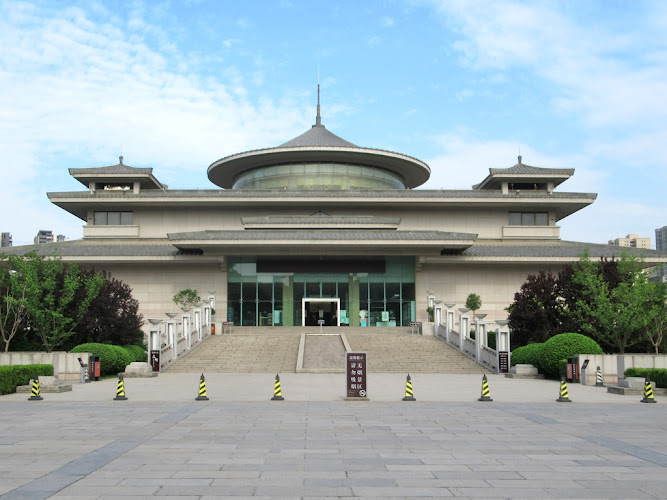
  • The museum architecture itself merges contemporary design principles with traditional Chinese elements, creating a building that feels both timeless and current
  • Full wheelchair accessibility throughout the complex including entrance areas, restrooms, and parking facilities
  • Educational programs and temporary exhibitions that rotate regularly, giving repeat visitors new content to explore
  • Bell ringing ceremonies at the pagoda occur daily, offering visitors a chance to participate in a tradition stretching back centuries
  • Peaceful atmosphere compared to Xi'an's more crowded tourist sites, allowing for genuine contemplation and learning

Best Time to Visit

Timing your visit to the Xi'an Museum requires considering both seasonal factors and daily crowd patterns. The museum operates year-round, but the experience varies considerably depending on when you show up. Spring, specifically April and May, offers ideal conditions. The gardens surrounding the museum burst into bloom during these months, and temperatures hover in that comfortable range where you can explore both indoor and outdoor spaces without discomfort. The Small Wild Goose Pagoda looks particularly photogenic against spring foliage. Autumn months of September and October provide similar advantages - pleasant weather, beautiful garden colors, and generally manageable tourist numbers. Summer in Xi'an gets brutally hot. We're talking temperatures regularly exceeding 35 degrees Celsius with oppressive humidity. However, the museum's air-conditioned interior provides welcome relief, making it actually a smart choice for afternoon activities when outdoor sightseeing becomes unbearable. Just prepare for the temperature shock when moving between spaces. Winter sees fewer tourists overall, which has its advantages. The museum feels more intimate during these months, and you'll have more space to appreciate exhibits without jostling for position. But the gardens lose much of their appeal, and Xi'an winters can be quite cold with occasional snow. Regarding time of day, arriving when the museum opens gives you the best experience. Most tour groups arrive mid-morning to early afternoon, so early birds enjoy quieter galleries. The museum typically opens around 9:00 AM, though you should verify current hours before planning your visit. Late afternoon also sees crowd levels drop as tour groups depart for dinner. Weekdays trump weekends consistently. Chinese domestic tourism peaks on weekends and national holidays, so if your schedule allows flexibility, plan for Tuesday through Thursday visits. And whatever you do, avoid Chinese national holiday periods - the week-long breaks in October and around Chinese New Year transform even peaceful sites into seas of humanity.

How to Get There

Reaching the Xi'an Museum proves straightforward thanks to the city's well-developed public transportation system and central location of the museum itself. The Xi'an Metro provides the most efficient option for most travelers. Line 2 serves the museum area, with Yongningmen Station being your stop. From there, it's roughly a 15-minute walk to the museum entrance. The metro system is modern, affordable, and announcements are made in both Chinese and English. Signs feature bilingual text making navigation manageable even if you don't speak Mandarin. Public buses offer another economical choice. Multiple bus lines stop near the museum including routes 18, 203, and 204 among others. However, buses can be confusing for foreign visitors unfamiliar with Chinese characters and route systems. If you choose this option, having your destination written in Chinese characters to show drivers helps immensely. Taxis and ride-sharing services like Didi work well for those preferring door-to-door convenience. Most hotels can arrange taxis, or you can hail them on the street. Having your destination written in Chinese is essential as many drivers don't speak English. The museum is well-known locally, so drivers generally know the location. Expect fares from central Xi'an hotels to run around 20-30 yuan depending on traffic. For the adventurous, bicycle rentals are available throughout Xi'an through various sharing programs. The city has been developing bike lanes, and cycling offers a unique perspective on the city. The museum area is reasonably bike-friendly, and you'll find parking areas near the entrance. If you're staying in central Xi'an near the Bell Tower or Muslim Quarter, walking is actually feasible - it's about 30-40 minutes on foot. This route takes you through interesting neighborhoods and gives you a sense of the city beyond tourist sites.

Tips for Visiting

Making the most of your Xi'an Museum experience requires some practical knowledge that guidebooks often skip over. First off, admission is free, but you need to bring your passport for registration. They have a limited number of tickets available each day, so arriving early matters, especially during peak tourist seasons. Some visitors don't realize this and show up mid-afternoon only to find daily capacity reached. Plan for at least two to three hours to properly explore. You could rush through in ninety minutes, but you'd be shortchanging yourself. The combination of indoor exhibitions and outdoor gardens deserves unhurried attention. I've found that alternating between galleries and garden areas helps prevent museum fatigue better than trying to see all the indoor exhibits in one go. Photography is generally permitted in most areas, though flash photography damages artifacts and is prohibited. Some special exhibitions may have photography restrictions, so watch for signs. The pagoda and gardens offer excellent photo opportunities, particularly in morning light or late afternoon golden hour. Bring water and snacks since the museum doesn't have a restaurant on-site. There are restrooms available, but dining options require leaving the complex. Small cafes and restaurants exist in the surrounding neighborhood, but nothing within the museum grounds themselves. English signage exists throughout the museum, though not every single artifact has English descriptions. Audio guides are available and worth considering if you want deeper context for the collections. Some visitors rent these at the entrance, though availability can be limited during busy periods. Dress comfortably with good walking shoes. You'll cover considerable ground both indoors and outdoors. Weather-appropriate clothing matters too - layers work well since you'll transition between air-conditioned interiors and outdoor areas. The Small Wild Goose Pagoda can be climbed, but it requires climbing steep, narrow stairs. If you have mobility concerns or fear of heights, enjoy it from ground level instead. The view from the top is nice but not essential to the experience. Consider combining your museum visit with nearby attractions. The Muslim Quarter isn't far, and the city wall is within reasonable distance. This efficient clustering of activities maximizes your time in Xi'an. Finally, respect the cultural significance of what you're seeing. These aren't just old objects - they represent thousands of years of human achievement and cultural development. Keep voices low in exhibition halls, don't touch artifacts, and be mindful of other visitors trying to appreciate the collections. The Xi'an Museum rewards visitors who approach it with curiosity and appropriate time. It won't give you the jaw-dropping spectacle of the Terracotta Army, but it provides something equally valuable - context and understanding of the remarkable city that houses all these historical treasures.

Key Features

  • Collections spanning prehistoric Shaanxi to the Qing dynasty, including bronzes, ceramics and Tang-era artifacts
  • Proximity and visual relationship to the Big Wild Goose Pagoda complex
  • Architectural design inspired by traditional Chinese cosmology (round heaven, square earth)
  • Well-lit, compact galleries with clear labels ideal for contextual learning
  • Museum gardens and courtyards offering pleasant outdoor spaces between exhibits

More Details

Updated March 30, 2026

Description

The Xi’an Museum represents one of those pleasant surprises you stumble upon when exploring China’s ancient capital. While most travelers rush off to see the Terracotta Warriors – and rightfully so – this museum complex offers something refreshingly different. It’s a modern facility that somehow manages to blend contemporary architecture with traditional Chinese garden aesthetics, creating a space where history doesn’t feel trapped behind glass but rather flows naturally through the grounds.

What really sets this place apart is the integration of the Small Wild Goose Pagoda right within the museum complex. You’re not just walking through exhibition halls here. The museum grounds themselves become part of the experience, with traditional gardens, tranquil pools, and that striking pagoda creating an atmosphere that’s more contemplative than your typical museum visit. I remember reading about how museum fatigue is real – that glazed-over feeling after the tenth display case – but the Xi’an Museum counters this beautifully by giving visitors space to breathe and wander.

The collections focus primarily on Xi’an’s incredible local heritage, which makes sense given that this city served as China’s capital for multiple dynasties spanning over a thousand years. You’ll find artifacts that trace the city’s evolution from ancient Chang’an through various historical periods. The museum does an admirable job presenting these pieces in context, helping visitors understand how Xi’an wasn’t just important – it was essentially the center of the known world during certain periods of Chinese history.

But what visitors often mention is the museum’s accessibility and visitor-friendly approach. It’s designed with families in mind, offering educational displays that engage younger visitors without dumbing down the content. The facility meets modern accessibility standards throughout, which isn’t always a given at historic sites in China. And perhaps best of all, it doesn’t overwhelm you with crowds the way some of Xi’an’s more famous attractions do.

Key Features

The Xi’an Museum distinguishes itself through several noteworthy characteristics that enhance the visitor experience:

  • The Small Wild Goose Pagoda standing at 43 meters tall dates back to the Tang Dynasty and remains remarkably intact despite surviving numerous earthquakes over the centuries
  • Exhibition halls showcase over 130,000 cultural relics with permanent collections focusing on Xi’an’s role as ancient Chang’an and its significance along the Silk Road
  • Traditional Chinese gardens with carefully designed water features and landscaping provide contemplative spaces between exhibition areas
  • Modern climate-controlled galleries protect delicate artifacts including bronze vessels, jade pieces, pottery, and ancient coins
  • Interactive displays and multimedia presentations help bring historical periods to life, particularly useful for understanding complex dynastic transitions
  • The museum architecture itself merges contemporary design principles with traditional Chinese elements, creating a building that feels both timeless and current
  • Full wheelchair accessibility throughout the complex including entrance areas, restrooms, and parking facilities
  • Educational programs and temporary exhibitions that rotate regularly, giving repeat visitors new content to explore
  • Bell ringing ceremonies at the pagoda occur daily, offering visitors a chance to participate in a tradition stretching back centuries
  • Peaceful atmosphere compared to Xi’an’s more crowded tourist sites, allowing for genuine contemplation and learning

Best Time to Visit

Timing your visit to the Xi’an Museum requires considering both seasonal factors and daily crowd patterns. The museum operates year-round, but the experience varies considerably depending on when you show up.

Spring, specifically April and May, offers ideal conditions. The gardens surrounding the museum burst into bloom during these months, and temperatures hover in that comfortable range where you can explore both indoor and outdoor spaces without discomfort. The Small Wild Goose Pagoda looks particularly photogenic against spring foliage. Autumn months of September and October provide similar advantages – pleasant weather, beautiful garden colors, and generally manageable tourist numbers.

Summer in Xi’an gets brutally hot. We’re talking temperatures regularly exceeding 35 degrees Celsius with oppressive humidity. However, the museum’s air-conditioned interior provides welcome relief, making it actually a smart choice for afternoon activities when outdoor sightseeing becomes unbearable. Just prepare for the temperature shock when moving between spaces.

Winter sees fewer tourists overall, which has its advantages. The museum feels more intimate during these months, and you’ll have more space to appreciate exhibits without jostling for position. But the gardens lose much of their appeal, and Xi’an winters can be quite cold with occasional snow.

Regarding time of day, arriving when the museum opens gives you the best experience. Most tour groups arrive mid-morning to early afternoon, so early birds enjoy quieter galleries. The museum typically opens around 9:00 AM, though you should verify current hours before planning your visit. Late afternoon also sees crowd levels drop as tour groups depart for dinner.

Weekdays trump weekends consistently. Chinese domestic tourism peaks on weekends and national holidays, so if your schedule allows flexibility, plan for Tuesday through Thursday visits. And whatever you do, avoid Chinese national holiday periods – the week-long breaks in October and around Chinese New Year transform even peaceful sites into seas of humanity.

How to Get There

Reaching the Xi’an Museum proves straightforward thanks to the city’s well-developed public transportation system and central location of the museum itself.

The Xi’an Metro provides the most efficient option for most travelers. Line 2 serves the museum area, with Yongningmen Station being your stop. From there, it’s roughly a 15-minute walk to the museum entrance. The metro system is modern, affordable, and announcements are made in both Chinese and English. Signs feature bilingual text making navigation manageable even if you don’t speak Mandarin.

Public buses offer another economical choice. Multiple bus lines stop near the museum including routes 18, 203, and 204 among others. However, buses can be confusing for foreign visitors unfamiliar with Chinese characters and route systems. If you choose this option, having your destination written in Chinese characters to show drivers helps immensely.

Taxis and ride-sharing services like Didi work well for those preferring door-to-door convenience. Most hotels can arrange taxis, or you can hail them on the street. Having your destination written in Chinese is essential as many drivers don’t speak English. The museum is well-known locally, so drivers generally know the location. Expect fares from central Xi’an hotels to run around 20-30 yuan depending on traffic.

For the adventurous, bicycle rentals are available throughout Xi’an through various sharing programs. The city has been developing bike lanes, and cycling offers a unique perspective on the city. The museum area is reasonably bike-friendly, and you’ll find parking areas near the entrance.

If you’re staying in central Xi’an near the Bell Tower or Muslim Quarter, walking is actually feasible – it’s about 30-40 minutes on foot. This route takes you through interesting neighborhoods and gives you a sense of the city beyond tourist sites.

Tips for Visiting

Making the most of your Xi’an Museum experience requires some practical knowledge that guidebooks often skip over.

First off, admission is free, but you need to bring your passport for registration. They have a limited number of tickets available each day, so arriving early matters, especially during peak tourist seasons. Some visitors don’t realize this and show up mid-afternoon only to find daily capacity reached.

Plan for at least two to three hours to properly explore. You could rush through in ninety minutes, but you’d be shortchanging yourself. The combination of indoor exhibitions and outdoor gardens deserves unhurried attention. I’ve found that alternating between galleries and garden areas helps prevent museum fatigue better than trying to see all the indoor exhibits in one go.

Photography is generally permitted in most areas, though flash photography damages artifacts and is prohibited. Some special exhibitions may have photography restrictions, so watch for signs. The pagoda and gardens offer excellent photo opportunities, particularly in morning light or late afternoon golden hour.

Bring water and snacks since the museum doesn’t have a restaurant on-site. There are restrooms available, but dining options require leaving the complex. Small cafes and restaurants exist in the surrounding neighborhood, but nothing within the museum grounds themselves.

English signage exists throughout the museum, though not every single artifact has English descriptions. Audio guides are available and worth considering if you want deeper context for the collections. Some visitors rent these at the entrance, though availability can be limited during busy periods.

Dress comfortably with good walking shoes. You’ll cover considerable ground both indoors and outdoors. Weather-appropriate clothing matters too – layers work well since you’ll transition between air-conditioned interiors and outdoor areas.

The Small Wild Goose Pagoda can be climbed, but it requires climbing steep, narrow stairs. If you have mobility concerns or fear of heights, enjoy it from ground level instead. The view from the top is nice but not essential to the experience.

Consider combining your museum visit with nearby attractions. The Muslim Quarter isn’t far, and the city wall is within reasonable distance. This efficient clustering of activities maximizes your time in Xi’an.

Finally, respect the cultural significance of what you’re seeing. These aren’t just old objects – they represent thousands of years of human achievement and cultural development. Keep voices low in exhibition halls, don’t touch artifacts, and be mindful of other visitors trying to appreciate the collections.

The Xi’an Museum rewards visitors who approach it with curiosity and appropriate time. It won’t give you the jaw-dropping spectacle of the Terracotta Army, but it provides something equally valuable – context and understanding of the remarkable city that houses all these historical treasures.

Key Highlights

  • Collections spanning prehistoric Shaanxi to the Qing dynasty, including bronzes, ceramics and Tang-era artifacts
  • Proximity and visual relationship to the Big Wild Goose Pagoda complex
  • Architectural design inspired by traditional Chinese cosmology (round heaven, square earth)
  • Well-lit, compact galleries with clear labels ideal for contextual learning
  • Museum gardens and courtyards offering pleasant outdoor spaces between exhibits

Location

Places to Stay Near Xi'an Museum

Find and Book a Tour

Explore More Travel Guides

No reviews found! Be the first to review!

Xi’an Museum is a prominent museums located in Xi’An.

Visit us at: X5VC+33W, Shengli St.

Traveler Reviews for Xi’an Museum

There are no reviews yet. Be the first one to write one.

Share Your Experience

Have you visited Xi’an Museum? Help other travelers by sharing your review.

Nearby Attractions

Big Wild Goose Pagoda (Dayan Pagoda) Daci'en Temple and surrounding park Shaanxi History Museum

Find Accommodations Nearby

Recommended Tours & Activities

Visitor Reviews

There are no reviews yet. Be the first one to write one.

Share Your Experience

Have you visited Xi’an Museum? Help other travelers by leaving a review.