About Small Wild Goose Pagoda

Description

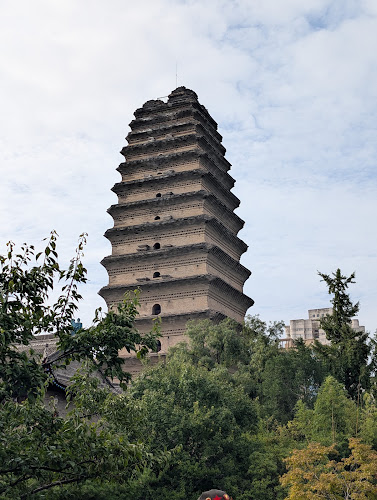
The Small Wild Goose Pagoda stands as one of Xi'an's most endearing historical treasures, though it often gets overshadowed by its more famous cousin, the Big Wild Goose Pagoda. But honestly, that's part of its charm. Built during the Tang Dynasty in 707 AD, this elegant structure has watched over the ancient capital for more than thirteen centuries, surviving earthquakes, wars, and the relentless march of time. What strikes you first about this pagoda isn't its size – because yeah, it's called "small" for a reason – but rather its graceful proportions and the serene atmosphere that surrounds it. The pagoda originally stood at fifteen stories tall, though earthquakes reduced it to its current thirteen tiers. Still, it reaches about 43 meters into the sky, and there's something really special about how it's aged. The brick structure has this weathered, authentic quality that modern restorations sometimes lack. The pagoda was built to house Buddhist scriptures brought back from India by the monk Yijing, who followed in the footsteps of the more famous Xuanzang. While Xuanzang got the bigger pagoda, Yijing's collection found its home here, and honestly, the Small Wild Goose Pagoda feels more intimate and accessible because of it. The surrounding park grounds span about 16 hectares, creating this peaceful pocket of green space where locals practice tai chi in the mornings and families stroll in the evenings. I've always thought that places like this reveal their true character when you just sit and watch for a while. The way the morning light hits those ancient bricks, how the structure seems to have settled into the landscape rather than dominating it – these details tell you something about Chinese architectural philosophy that guidebooks sometimes miss.

Key Features

  • The pagoda's unique architectural design represents early Tang Dynasty construction techniques, with its densely-eaved style setting it apart from other pagodas of the period
  • A remarkable bell from the Jingyun period hangs in the Bell Tower within the complex, and its morning tolls were once counted among the eight greatest sights of ancient Chang'an
  • The structure has survived more than seventy earthquakes throughout its history, including a major one in 1487 that split the pagoda from top to bottom – miraculously, it sealed itself back together during another earthquake in 1521
  • Visitors can climb to the top for panoramic views of Xi'an's skyline, where ancient and modern architecture creates a fascinating contrast
  • The Xi'an Museum sits within the same complex, offering extensive collections of cultural relics without the crowds you'll find at some other museums in the city
  • Traditional Chinese gardens surround the pagoda, featuring classical landscaping elements like carefully placed rocks, pavilions, and water features
  • The site includes a fountain show that combines music and water choreography, though admittedly this feels a bit incongruous with the ancient atmosphere
  • Complete accessibility features make this one of the more visitor-friendly historical sites in Xi'an, with wheelchair access throughout the main areas
  • Early morning tai chi practitioners and musicians gather in the park, offering authentic glimpses into local daily life
  • The preservation work here has maintained the pagoda's authentic character rather than over-restoring it into something that feels fake

Best Time to Visit

Timing your visit to the Small Wild Goose Pagoda really depends on what kind of experience you're after. Spring months from March through May bring comfortable temperatures and blooming flowers throughout the park grounds. The gardens come alive during this season, and you'll find the weather perfect for climbing the pagoda without arriving at the top drenched in sweat. Autumn, particularly September through early November, offers similarly pleasant conditions. The fall colors add another layer of beauty to the park, and the crisp air makes for excellent photography. I'd argue these are actually the premium months for visiting – the light has this particular quality that makes those ancient bricks glow. Summer can be brutal in Xi'an. We're talking temperatures that regularly push past 35°C (95°F), with humidity that makes you question all your life choices. If you must visit during July or August, get there right when it opens in the morning. The gates typically open around 8 AM, and those early hours before the heat builds are golden. Plus, you'll catch locals doing their morning exercises, which adds this wonderful layer of authenticity to the experience. Winter sees fewer tourists, which has its appeal if you don't mind the cold. January temperatures can drop below freezing, but the pagoda dusted with snow creates some genuinely stunning photo opportunities. Just bundle up properly – those ancient structures don't have central heating, and climbing the stairs gets chilly. Weekdays trump weekends regardless of season. Chinese holidays like Golden Week (early October) and Spring Festival should be avoided unless you really enjoy being shoulder-to-shoulder with massive crowds. The difference between a Tuesday morning in April and a Saturday during Golden Week is night and day. Early mornings around 8-9 AM consistently offer the best experience. The lighting is beautiful, the temperature hasn't peaked yet, and you'll have more space to appreciate the pagoda without dodging tour groups. Late afternoons around 4-5 PM work well too, especially in summer when things start cooling down.

How to Get There

Getting to the Small Wild Goose Pagoda is refreshingly straightforward, especially for a city as sprawling as Xi'an. The easiest method involves taking the metro to Nanshaomen Station on Line 2. From there, it's about a ten-minute walk heading south. The station has clear signage in English, and honestly, you can just follow other tourists who are probably heading the same direction. Taxis remain relatively affordable in Xi'an, though you'll want to have the destination written in Chinese characters since many drivers don't speak English. Traffic can be unpredictable, but from the city center, you're looking at maybe twenty minutes depending on where you start. Ride-sharing apps like Didi work well here and often prove easier than flagging down taxis on the street. Bus routes 18, 203, and 204 all stop near the pagoda, but unless you're comfortable navigating Chinese bus systems, the metro probably makes more sense. The buses can get incredibly crowded during rush hours, and figuring out where to get off isn't always intuitive. If you're staying in the city center near the Bell Tower or Drum Tower area, the distance is only about 3 kilometers. Some visitors actually walk it, which takes roughly 40 minutes through interesting neighborhoods. You'll pass through areas that most tourists never see, though the sidewalks can be chaotic and pollution levels sometimes make extended walks less enjoyable than they could be. Many hotels offer tour packages that include the Small Wild Goose Pagoda along with other attractions. These can be convenient, but you'll sacrifice flexibility and probably spend more time in gift shops than you'd like. Independent travel gives you the freedom to linger as long as you want, which really matters at a place like this. Parking is available on-site for those renting cars, though driving in Xi'an traffic isn't for the faint of heart. The accessibility features extend to the parking areas, making this a genuinely feasible option for visitors with mobility requirements.

Tips for Visiting

Buy combination tickets if you plan to visit multiple Xi'an attractions. The Small Wild Goose Pagoda often appears in package deals with the city museum and other sites, potentially saving you a decent amount. But check what you'll actually visit – sometimes paying separately makes more sense than buying a package with stuff you'll skip. Climbing the pagoda requires reasonable fitness levels. Those stairs are steep, narrow, and there's no elevator. Take your time, use the handrails, and maybe skip this part if you have significant mobility issues or aren't comfortable with heights. The views from the top are lovely, but they're not so spectacular that you should push beyond your comfort zone. Bring water, especially during warmer months. While there are vendors around, they charge inflated prices like vendors everywhere. A refillable bottle saves money and reduces plastic waste. There are restrooms on site, including accessible facilities, which aren't always a given at Chinese historical sites. Photography is generally permitted, though restrictions exist inside certain buildings. The pagoda itself photographs beautifully from multiple angles throughout the park. Morning and late afternoon provide the best natural lighting, with harsh midday sun washing out details and creating hard shadows. Dress modestly and comfortably. While this isn't an active temple with strict dress codes, respectful attire makes sense at any religious or historical site. Comfortable walking shoes are essential – you'll be on your feet more than you think, and those ancient pathways aren't always even. English signage exists but remains limited compared to some other Xi'an attractions. Download a translation app or bring a phrasebook if you want deeper historical context. Better yet, consider hiring a guide at the entrance. They're reasonably priced and can explain details you'd otherwise miss. The history here goes deep, and a good guide transforms the experience from "looking at an old building" to understanding how this pagoda fits into Xi'an's incredible historical tapestry. The Xi'an Museum within the complex deserves at least an hour of your time. It's free with your pagoda ticket and houses some genuinely impressive artifacts. Most tour groups skip it or rush through, meaning you often get this excellent collection nearly to yourself. Visit the park areas before or after seeing the pagoda itself. Watching locals go about their daily routines – practicing calligraphy with water brushes on the pavement, playing traditional instruments, or slowly moving through tai chi forms – provides cultural insights that complement the historical architecture. Avoid the midday heat during summer by planning indoor museum time for the hottest hours. The Xi'an Museum's air conditioning feels like a gift during July and August, and you'll appreciate the artifacts more when you're not thinking about how hot you are. Street food vendors operate near the entrance, and while the quality varies, trying some local snacks adds to the experience. Just use common sense about food safety – look for busy stalls with high turnover rather than lonely vendors with food sitting out too long. The fountain shows run at scheduled times, typically several times daily. Check the current schedule if you're interested, though honestly, they feel a bit out of place at this historical site. Still, kids often enjoy them, which might matter if you're traveling with family. Plan for about two to three hours total if you want to see everything without rushing. That includes climbing the pagoda, exploring the museum, and wandering the gardens. You could easily spend longer if you're a history buff or just want to relax in the park atmosphere. Combining this visit with the nearby Beilin Museum or other southern Xi'an attractions makes logistical sense. They're close enough that you're not wasting time crossing the entire city between sites. But don't overpack your schedule – one of the pleasures of places like the Small Wild Goose Pagoda is having time to simply sit and absorb the atmosphere without rushing to the next thing on your itinerary.

Key Features

  • Tang-dynasty architecture (original construction 707 AD)
  • Located within Jianfu Temple grounds next to Xi'an Museum
  • Survived historic earthquakes with visible restoration history
  • Quiet gardened courtyard offering photographic compositions
  • Associated bell and temple complex—part of Xi'an’s historic scenic views

More Details

Updated March 30, 2026

Description

The Small Wild Goose Pagoda stands as one of Xi’an’s most endearing historical treasures, though it often gets overshadowed by its more famous cousin, the Big Wild Goose Pagoda. But honestly, that’s part of its charm. Built during the Tang Dynasty in 707 AD, this elegant structure has watched over the ancient capital for more than thirteen centuries, surviving earthquakes, wars, and the relentless march of time.

What strikes you first about this pagoda isn’t its size – because yeah, it’s called “small” for a reason – but rather its graceful proportions and the serene atmosphere that surrounds it. The pagoda originally stood at fifteen stories tall, though earthquakes reduced it to its current thirteen tiers. Still, it reaches about 43 meters into the sky, and there’s something really special about how it’s aged. The brick structure has this weathered, authentic quality that modern restorations sometimes lack.

The pagoda was built to house Buddhist scriptures brought back from India by the monk Yijing, who followed in the footsteps of the more famous Xuanzang. While Xuanzang got the bigger pagoda, Yijing’s collection found its home here, and honestly, the Small Wild Goose Pagoda feels more intimate and accessible because of it. The surrounding park grounds span about 16 hectares, creating this peaceful pocket of green space where locals practice tai chi in the mornings and families stroll in the evenings.

I’ve always thought that places like this reveal their true character when you just sit and watch for a while. The way the morning light hits those ancient bricks, how the structure seems to have settled into the landscape rather than dominating it – these details tell you something about Chinese architectural philosophy that guidebooks sometimes miss.

Key Features

  • The pagoda’s unique architectural design represents early Tang Dynasty construction techniques, with its densely-eaved style setting it apart from other pagodas of the period
  • A remarkable bell from the Jingyun period hangs in the Bell Tower within the complex, and its morning tolls were once counted among the eight greatest sights of ancient Chang’an
  • The structure has survived more than seventy earthquakes throughout its history, including a major one in 1487 that split the pagoda from top to bottom – miraculously, it sealed itself back together during another earthquake in 1521
  • Visitors can climb to the top for panoramic views of Xi’an’s skyline, where ancient and modern architecture creates a fascinating contrast
  • The Xi’an Museum sits within the same complex, offering extensive collections of cultural relics without the crowds you’ll find at some other museums in the city
  • Traditional Chinese gardens surround the pagoda, featuring classical landscaping elements like carefully placed rocks, pavilions, and water features
  • The site includes a fountain show that combines music and water choreography, though admittedly this feels a bit incongruous with the ancient atmosphere
  • Complete accessibility features make this one of the more visitor-friendly historical sites in Xi’an, with wheelchair access throughout the main areas
  • Early morning tai chi practitioners and musicians gather in the park, offering authentic glimpses into local daily life
  • The preservation work here has maintained the pagoda’s authentic character rather than over-restoring it into something that feels fake

Best Time to Visit

Timing your visit to the Small Wild Goose Pagoda really depends on what kind of experience you’re after. Spring months from March through May bring comfortable temperatures and blooming flowers throughout the park grounds. The gardens come alive during this season, and you’ll find the weather perfect for climbing the pagoda without arriving at the top drenched in sweat.

Autumn, particularly September through early November, offers similarly pleasant conditions. The fall colors add another layer of beauty to the park, and the crisp air makes for excellent photography. I’d argue these are actually the premium months for visiting – the light has this particular quality that makes those ancient bricks glow.

Summer can be brutal in Xi’an. We’re talking temperatures that regularly push past 35°C (95°F), with humidity that makes you question all your life choices. If you must visit during July or August, get there right when it opens in the morning. The gates typically open around 8 AM, and those early hours before the heat builds are golden. Plus, you’ll catch locals doing their morning exercises, which adds this wonderful layer of authenticity to the experience.

Winter sees fewer tourists, which has its appeal if you don’t mind the cold. January temperatures can drop below freezing, but the pagoda dusted with snow creates some genuinely stunning photo opportunities. Just bundle up properly – those ancient structures don’t have central heating, and climbing the stairs gets chilly.

Weekdays trump weekends regardless of season. Chinese holidays like Golden Week (early October) and Spring Festival should be avoided unless you really enjoy being shoulder-to-shoulder with massive crowds. The difference between a Tuesday morning in April and a Saturday during Golden Week is night and day.

Early mornings around 8-9 AM consistently offer the best experience. The lighting is beautiful, the temperature hasn’t peaked yet, and you’ll have more space to appreciate the pagoda without dodging tour groups. Late afternoons around 4-5 PM work well too, especially in summer when things start cooling down.

How to Get There

Getting to the Small Wild Goose Pagoda is refreshingly straightforward, especially for a city as sprawling as Xi’an. The easiest method involves taking the metro to Nanshaomen Station on Line 2. From there, it’s about a ten-minute walk heading south. The station has clear signage in English, and honestly, you can just follow other tourists who are probably heading the same direction.

Taxis remain relatively affordable in Xi’an, though you’ll want to have the destination written in Chinese characters since many drivers don’t speak English. Traffic can be unpredictable, but from the city center, you’re looking at maybe twenty minutes depending on where you start. Ride-sharing apps like Didi work well here and often prove easier than flagging down taxis on the street.

Bus routes 18, 203, and 204 all stop near the pagoda, but unless you’re comfortable navigating Chinese bus systems, the metro probably makes more sense. The buses can get incredibly crowded during rush hours, and figuring out where to get off isn’t always intuitive.

If you’re staying in the city center near the Bell Tower or Drum Tower area, the distance is only about 3 kilometers. Some visitors actually walk it, which takes roughly 40 minutes through interesting neighborhoods. You’ll pass through areas that most tourists never see, though the sidewalks can be chaotic and pollution levels sometimes make extended walks less enjoyable than they could be.

Many hotels offer tour packages that include the Small Wild Goose Pagoda along with other attractions. These can be convenient, but you’ll sacrifice flexibility and probably spend more time in gift shops than you’d like. Independent travel gives you the freedom to linger as long as you want, which really matters at a place like this.

Parking is available on-site for those renting cars, though driving in Xi’an traffic isn’t for the faint of heart. The accessibility features extend to the parking areas, making this a genuinely feasible option for visitors with mobility requirements.

Tips for Visiting

Buy combination tickets if you plan to visit multiple Xi’an attractions. The Small Wild Goose Pagoda often appears in package deals with the city museum and other sites, potentially saving you a decent amount. But check what you’ll actually visit – sometimes paying separately makes more sense than buying a package with stuff you’ll skip.

Climbing the pagoda requires reasonable fitness levels. Those stairs are steep, narrow, and there’s no elevator. Take your time, use the handrails, and maybe skip this part if you have significant mobility issues or aren’t comfortable with heights. The views from the top are lovely, but they’re not so spectacular that you should push beyond your comfort zone.

Bring water, especially during warmer months. While there are vendors around, they charge inflated prices like vendors everywhere. A refillable bottle saves money and reduces plastic waste. There are restrooms on site, including accessible facilities, which aren’t always a given at Chinese historical sites.

Photography is generally permitted, though restrictions exist inside certain buildings. The pagoda itself photographs beautifully from multiple angles throughout the park. Morning and late afternoon provide the best natural lighting, with harsh midday sun washing out details and creating hard shadows.

Dress modestly and comfortably. While this isn’t an active temple with strict dress codes, respectful attire makes sense at any religious or historical site. Comfortable walking shoes are essential – you’ll be on your feet more than you think, and those ancient pathways aren’t always even.

English signage exists but remains limited compared to some other Xi’an attractions. Download a translation app or bring a phrasebook if you want deeper historical context. Better yet, consider hiring a guide at the entrance. They’re reasonably priced and can explain details you’d otherwise miss. The history here goes deep, and a good guide transforms the experience from “looking at an old building” to understanding how this pagoda fits into Xi’an’s incredible historical tapestry.

The Xi’an Museum within the complex deserves at least an hour of your time. It’s free with your pagoda ticket and houses some genuinely impressive artifacts. Most tour groups skip it or rush through, meaning you often get this excellent collection nearly to yourself.

Visit the park areas before or after seeing the pagoda itself. Watching locals go about their daily routines – practicing calligraphy with water brushes on the pavement, playing traditional instruments, or slowly moving through tai chi forms – provides cultural insights that complement the historical architecture.

Avoid the midday heat during summer by planning indoor museum time for the hottest hours. The Xi’an Museum’s air conditioning feels like a gift during July and August, and you’ll appreciate the artifacts more when you’re not thinking about how hot you are.

Street food vendors operate near the entrance, and while the quality varies, trying some local snacks adds to the experience. Just use common sense about food safety – look for busy stalls with high turnover rather than lonely vendors with food sitting out too long.

The fountain shows run at scheduled times, typically several times daily. Check the current schedule if you’re interested, though honestly, they feel a bit out of place at this historical site. Still, kids often enjoy them, which might matter if you’re traveling with family.

Plan for about two to three hours total if you want to see everything without rushing. That includes climbing the pagoda, exploring the museum, and wandering the gardens. You could easily spend longer if you’re a history buff or just want to relax in the park atmosphere.

Combining this visit with the nearby Beilin Museum or other southern Xi’an attractions makes logistical sense. They’re close enough that you’re not wasting time crossing the entire city between sites. But don’t overpack your schedule – one of the pleasures of places like the Small Wild Goose Pagoda is having time to simply sit and absorb the atmosphere without rushing to the next thing on your itinerary.

Key Highlights

  • Tang-dynasty architecture (original construction 707 AD)
  • Located within Jianfu Temple grounds next to Xi’an Museum
  • Survived historic earthquakes with visible restoration history
  • Quiet gardened courtyard offering photographic compositions
  • Associated bell and temple complex—part of Xi’an’s historic scenic views

Location

Places to Stay Near Small Wild Goose Pagoda

Find and Book a Tour

Explore More Travel Guides

No reviews found! Be the first to review!

Small Wild Goose Pagoda is a prominent attractions located in Xi’An.

Visit us at: 72 Youyi W Rd, Beilin, Xi’An, Shaanxi, China, 710064.

Traveler Reviews for Small Wild Goose Pagoda

There are no reviews yet. Be the first one to write one.

Share Your Experience

Have you visited Small Wild Goose Pagoda? Help other travelers by sharing your review.

Nearby Attractions

Xi'an Museum Jianfu Temple Big (Giant) Wild Goose Pagoda

Find Accommodations Nearby

Recommended Tours & Activities

Visitor Reviews

There are no reviews yet. Be the first one to write one.

Share Your Experience

Have you visited Small Wild Goose Pagoda? Help other travelers by leaving a review.