Wuhan Yangtze River Bridge
About Wuhan Yangtze River Bridge
Description
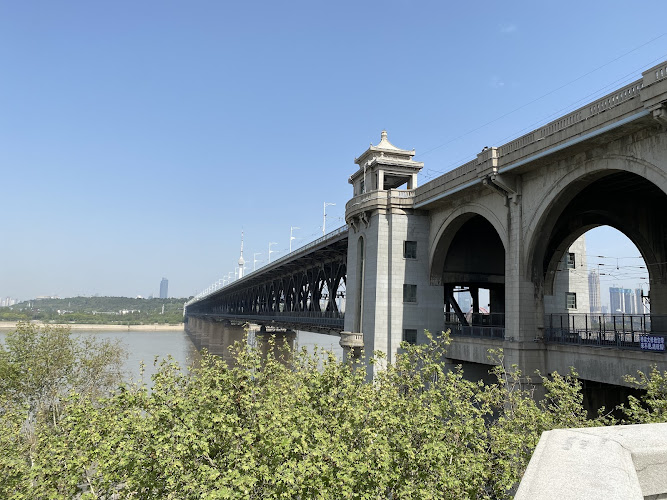
The Wuhan Yangtze River Bridge is more than just steel and concrete—it’s a living piece of China’s modern history. Completed in 1957, it was the very first bridge to span the mighty Yangtze River, and that alone gives it a kind of legendary status. Before it was built, crossing the river meant ferries, unpredictable weather delays, and a lot of patience. With the bridge in place, suddenly Wuhan’s two halves—Hankou and Wuchang—were stitched together, and the city’s growth really took off. Travelers today still feel that sense of significance when they walk across or even just gaze at it from the riverbanks.
Now, I’ll be honest: some people are blown away by the bridge’s imposing structure and the way it lights up at night, while others find it, well, a little utilitarian. And that’s fair. It’s not delicate or ornate like some European bridges. But when you’re standing there, especially on the upper deck with cars buzzing past and trains rumbling below, you can’t help but feel the energy of a place that’s been a crossroads of commerce, culture, and daily life for decades. Personally, I think the charm lies in its no-nonsense design—it’s a bridge that does its job, and it does it with grit and a kind of quiet dignity.
For travelers, this isn’t just a photo stop; it’s a chance to experience a piece of Wuhan’s identity. The views of the Yangtze are sweeping, especially at sunset when the light softens over the water. And if you’re into urban photography, the nightscape is a gift—those glowing lights reflecting off the river give the whole scene a cinematic feel. Families, solo travelers, and history buffs all find something to enjoy here, whether it’s the engineering feat itself or just the feeling of standing on the “First Bridge of the Yangtze.”
Key Features
- Double-deck structure: top for vehicles, bottom for trains, making it both practical and impressive.
- Steel truss design with solid, industrial aesthetics that reflect 1950s engineering.
- Stretches about 1,670 meters across the Yangtze River, linking Hankou and Wuchang districts.
- Built during a period of Sino-Soviet cooperation, marking a key moment in China’s industrial progress.
- Night illumination that transforms the bridge into a glowing landmark against the city skyline.
- Accessible for pedestrians, offering sweeping views of the river and Wuhan’s skyline.
- Wheelchair accessible, making it convenient for travelers of all abilities.
- Family-friendly, with plenty of open space and safe walkways for kids to explore.
Best Time to Visit
If you ask around, most locals will tell you the bridge is at its best in the evening. That’s when the city lights flicker on, the river reflects the glow, and the whole span looks like it belongs on a postcard. I’ve been there in the dead heat of summer, and honestly, the humidity can be brutal—so spring and autumn are much kinder seasons. The air is clearer, the temperatures are more forgiving, and you can actually enjoy the stroll without dripping sweat. Winter has its own charm too, with crisp air and fewer crowds, but bring a scarf because that wind whipping over the river can sting.
Sunrise is another underrated time. The city is quieter, the traffic lighter, and the soft morning light over the Yangtze is something you won’t forget. If you’re into photography, that’s your golden hour. But if you’re more about atmosphere and people-watching, evenings are unbeatable. You’ll find families taking walks, couples snapping selfies, and street vendors nearby selling snacks that smell way too good to pass up.
How to Get There
Getting to the Wuhan Yangtze River Bridge is pretty straightforward. Wuhan’s metro system is efficient, and several bus routes will drop you within a short walk of the bridge. Taxis and ride-hailing apps are also easy to use in the city, and honestly, they’re inexpensive compared to many other big cities I’ve traveled through. If you’re staying downtown, you can even make it part of a longer riverside walk, combining it with other attractions like Yellow Crane Tower.
One thing to keep in mind: traffic around the bridge can get heavy, especially during rush hours. If you’re planning to cross by car, give yourself extra time. Walking across, on the other hand, is a much more relaxed experience, and you’ll have the freedom to stop whenever the view catches your eye. And trust me, it will.
Tips for Visiting
Here’s where a little insider advice can make your visit smoother. First off, wear comfortable shoes. The bridge is long, and while the walk is rewarding, it’s not something you want to tackle in flip-flops. Bring a light jacket if you’re visiting in the evening—the river breeze can surprise you. And don’t forget your camera or phone with plenty of storage space; you’ll want to snap more photos than you think.
If you’re traveling with kids, the bridge is safe, but keep an eye on them because of the steady flow of people. For wheelchair users or anyone with mobility needs, the bridge is accessible, though some of the approach ramps can be a bit steep. Plan ahead, and you’ll be fine. Food-wise, you’ll find street vendors nearby, but if you’re picky about hygiene, maybe stick to bottled drinks and packaged snacks.
One last thing: don’t rush. Too many travelers treat the bridge as a quick photo stop, but it’s worth slowing down. Stand still for a while, watch the boats drift below, listen to the hum of traffic and trains, and let yourself feel the pulse of Wuhan. That’s when the bridge stops being just a structure and becomes an experience. And honestly, isn’t that what travel is all about?
Key Features
- Double-deck structure: top for vehicles, bottom for trains, making it both practical and impressive.
- Steel truss design with solid, industrial aesthetics that reflect 1950s engineering.
- Stretches about 1,670 meters across the Yangtze River, linking Hankou and Wuchang districts.
- Built during a period of Sino-Soviet cooperation, marking a key moment in China’s industrial progress.
- Night illumination that transforms the bridge into a glowing landmark against the city skyline.
- Accessible for pedestrians, offering sweeping views of the river and Wuhan’s skyline.
- Wheelchair accessible, making it convenient for travelers of all abilities.
- Family-friendly, with plenty of open space and safe walkways for kids to explore.
More Details
Updated September 23, 2025
Table of Contents
Description
The Wuhan Yangtze River Bridge is more than just steel and concrete—it’s a living piece of China’s modern history. Completed in 1957, it was the very first bridge to span the mighty Yangtze River, and that alone gives it a kind of legendary status. Before it was built, crossing the river meant ferries, unpredictable weather delays, and a lot of patience. With the bridge in place, suddenly Wuhan’s two halves—Hankou and Wuchang—were stitched together, and the city’s growth really took off. Travelers today still feel that sense of significance when they walk across or even just gaze at it from the riverbanks.
Now, I’ll be honest: some people are blown away by the bridge’s imposing structure and the way it lights up at night, while others find it, well, a little utilitarian. And that’s fair. It’s not delicate or ornate like some European bridges. But when you’re standing there, especially on the upper deck with cars buzzing past and trains rumbling below, you can’t help but feel the energy of a place that’s been a crossroads of commerce, culture, and daily life for decades. Personally, I think the charm lies in its no-nonsense design—it’s a bridge that does its job, and it does it with grit and a kind of quiet dignity.
For travelers, this isn’t just a photo stop; it’s a chance to experience a piece of Wuhan’s identity. The views of the Yangtze are sweeping, especially at sunset when the light softens over the water. And if you’re into urban photography, the nightscape is a gift—those glowing lights reflecting off the river give the whole scene a cinematic feel. Families, solo travelers, and history buffs all find something to enjoy here, whether it’s the engineering feat itself or just the feeling of standing on the “First Bridge of the Yangtze.”
Key Features
- Double-deck structure: top for vehicles, bottom for trains, making it both practical and impressive.
- Steel truss design with solid, industrial aesthetics that reflect 1950s engineering.
- Stretches about 1,670 meters across the Yangtze River, linking Hankou and Wuchang districts.
- Built during a period of Sino-Soviet cooperation, marking a key moment in China’s industrial progress.
- Night illumination that transforms the bridge into a glowing landmark against the city skyline.
- Accessible for pedestrians, offering sweeping views of the river and Wuhan’s skyline.
- Wheelchair accessible, making it convenient for travelers of all abilities.
- Family-friendly, with plenty of open space and safe walkways for kids to explore.
Best Time to Visit
If you ask around, most locals will tell you the bridge is at its best in the evening. That’s when the city lights flicker on, the river reflects the glow, and the whole span looks like it belongs on a postcard. I’ve been there in the dead heat of summer, and honestly, the humidity can be brutal—so spring and autumn are much kinder seasons. The air is clearer, the temperatures are more forgiving, and you can actually enjoy the stroll without dripping sweat. Winter has its own charm too, with crisp air and fewer crowds, but bring a scarf because that wind whipping over the river can sting.
Sunrise is another underrated time. The city is quieter, the traffic lighter, and the soft morning light over the Yangtze is something you won’t forget. If you’re into photography, that’s your golden hour. But if you’re more about atmosphere and people-watching, evenings are unbeatable. You’ll find families taking walks, couples snapping selfies, and street vendors nearby selling snacks that smell way too good to pass up.
How to Get There
Getting to the Wuhan Yangtze River Bridge is pretty straightforward. Wuhan’s metro system is efficient, and several bus routes will drop you within a short walk of the bridge. Taxis and ride-hailing apps are also easy to use in the city, and honestly, they’re inexpensive compared to many other big cities I’ve traveled through. If you’re staying downtown, you can even make it part of a longer riverside walk, combining it with other attractions like Yellow Crane Tower.
One thing to keep in mind: traffic around the bridge can get heavy, especially during rush hours. If you’re planning to cross by car, give yourself extra time. Walking across, on the other hand, is a much more relaxed experience, and you’ll have the freedom to stop whenever the view catches your eye. And trust me, it will.
Tips for Visiting
Here’s where a little insider advice can make your visit smoother. First off, wear comfortable shoes. The bridge is long, and while the walk is rewarding, it’s not something you want to tackle in flip-flops. Bring a light jacket if you’re visiting in the evening—the river breeze can surprise you. And don’t forget your camera or phone with plenty of storage space; you’ll want to snap more photos than you think.
If you’re traveling with kids, the bridge is safe, but keep an eye on them because of the steady flow of people. For wheelchair users or anyone with mobility needs, the bridge is accessible, though some of the approach ramps can be a bit steep. Plan ahead, and you’ll be fine. Food-wise, you’ll find street vendors nearby, but if you’re picky about hygiene, maybe stick to bottled drinks and packaged snacks.
One last thing: don’t rush. Too many travelers treat the bridge as a quick photo stop, but it’s worth slowing down. Stand still for a while, watch the boats drift below, listen to the hum of traffic and trains, and let yourself feel the pulse of Wuhan. That’s when the bridge stops being just a structure and becomes an experience. And honestly, isn’t that what travel is all about?

Key Highlights
- Double-deck structure: top for vehicles, bottom for trains, making it both practical and impressive.
- Steel truss design with solid, industrial aesthetics that reflect 1950s engineering.
- Stretches about 1,670 meters across the Yangtze River, linking Hankou and Wuchang districts.
- Built during a period of Sino-Soviet cooperation, marking a key moment in China’s industrial progress.
- Night illumination that transforms the bridge into a glowing landmark against the city skyline.
- Accessible for pedestrians, offering sweeping views of the river and Wuhan’s skyline.
- Wheelchair accessible, making it convenient for travelers of all abilities.
- Family-friendly, with plenty of open space and safe walkways for kids to explore.
Location
Places to Stay Near Wuhan Yangtze River Bridge
Find and Book a Tour
Explore More Travel Guides
No reviews found! Be the first to review!
Traveler Reviews for Wuhan Yangtze River Bridge
There are no reviews yet. Be the first one to write one.
Have you visited Wuhan Yangtze River Bridge? Help other travelers by sharing your review.
Find Accommodations Nearby
Recommended Tours & Activities
Visitor Reviews
There are no reviews yet. Be the first one to write one.
Share Your Experience
Have you visited Wuhan Yangtze River Bridge? Help other travelers by leaving a review.