

Memorial of Wuchang Uprising 1911 Revolution
About Memorial of Wuchang Uprising 1911 Revolution
Description
The Memorial of Wuchang Uprising 1911 Revolution stands as one of those rare places where history doesn’t just whisper—it speaks right into your ear. Located in the heart of Wuhan’s Wuchang District, this museum tells the story of the uprising that sparked the Xinhai Revolution, the movement that ended over two thousand years of imperial rule in China. It’s not just another museum; it’s a living archive of courage, reform, and transformation.
Walking through its grand gates, you can almost feel the tension of that October day in 1911 when revolutionaries took their stand against the Qing dynasty. The architecture itself is a blend of early 20th-century Chinese and Western influences, with red brick walls and arched windows that seem to hold the echoes of the past. I remember standing in the main courtyard, the air heavy with humidity and history, thinking how surreal it felt to be standing where the Republic of China was first declared.
Inside, the exhibits are thoughtfully curated, guiding visitors through the events that led up to the uprising, the key figures who risked everything, and the aftermath that reshaped a nation. It’s not flashy or overly modernized, but that’s part of its charm. The displays rely on authenticity—old photographs, handwritten documents, uniforms, and weapons that feel almost frozen in time. It’s a place that rewards curiosity; the more you look, the more you find.
For travelers who love history, this museum is a must-see. But even if you’re not a history buff, there’s something profoundly human about the stories told here—ordinary people driven by extraordinary ideals. The atmosphere is calm, respectful, and deeply reflective. You might even find yourself caught in a quiet moment of gratitude for the bravery that gave rise to modern China.
Key Features
- Historic Significance: The site marks the birthplace of the 1911 Revolution, a pivotal event that ended imperial rule in China.
- Authentic Exhibits: Over 23,000 historical artifacts, including revolutionary documents, weapons, and personal belongings of key figures.
- Architectural Heritage: The museum is housed in the original building of the Hubei Military Government, blending Chinese and Western architectural styles.
- Interactive Displays: Audio-visual presentations and reconstructed scenes bring the events of the uprising to life.
- Accessibility: The museum offers wheelchair-accessible entrances and restrooms, making it welcoming for all visitors.
- Family-Friendly: Educational exhibits and guided tours make it suitable for children and families interested in Chinese history.
- Peaceful Ambiance: The surrounding gardens and courtyards provide a quiet space for reflection after exploring the exhibits.
One thing that really stands out is how well the museum balances education with emotion. It doesn’t try to overwhelm you with too much information at once. Instead, it lets you absorb the story at your own pace. I spent nearly two hours wandering through the galleries, and honestly, I could’ve stayed longer. There’s something grounding about being in a place where history feels so tangible.
Best Time to Visit
The best time to visit the Memorial of Wuchang Uprising 1911 Revolution is during the cooler months—October through April. The weather in Wuhan can be quite humid and hot in the summer, and if you’re anything like me, walking around in the heat can make even the most fascinating museum visit feel like a marathon.
October is particularly special because it coincides with the anniversary of the uprising. Around this time, the museum often hosts commemorative events, exhibitions, and cultural performances that add an extra layer of meaning to your visit. If you enjoy a bit of local energy and celebration, that’s definitely the time to go.
Weekdays are generally quieter, which means you can take your time without feeling rushed. Early mornings are ideal if you prefer a more peaceful experience—there’s something about being among the first visitors of the day that makes the exhibits feel even more personal.
How to Get There
Getting to the Memorial of Wuchang Uprising 1911 Revolution is relatively straightforward, especially if you’re staying in central Wuhan. The city’s metro system is efficient and affordable. The nearest metro station is a short walk away, and taxis or ride-hailing apps like Didi are also convenient options if you prefer door-to-door comfort.
If you’re already exploring the Wuchang District, you’ll find the museum close to other historical landmarks, making it easy to include in a day of sightseeing. Many local hotels and hostels offer maps or even guided tours that include the memorial as a stop. Personally, I recommend taking a leisurely walk through the surrounding streets—you’ll pass by old buildings, small tea shops, and local markets that give you a glimpse of everyday Wuhan life. It’s a great way to transition from the city’s modern buzz to the quiet solemnity of the museum.
Tips for Visiting
Here’s the thing—visiting a place like this isn’t just about checking it off your list. It’s about slowing down and really taking it in. So, a few tips from someone who’s been there and learned the hard way:
- Take your time: Don’t rush through the exhibits. Each room tells a different part of the story, and it’s worth pausing to read the details.
- Bring water: It can get warm inside, especially on busy days. There’s no restaurant on-site, but you’ll find convenience stores nearby.
- Photography: Be mindful of the no-flash policy. Some areas may restrict photography altogether—respect the rules to preserve the artifacts.
- Go early: The museum tends to get busier later in the day, particularly on weekends and holidays.
- Learn a bit beforehand: Having a basic understanding of the 1911 Revolution will make your visit far more meaningful.
- Bring the kids: The museum is surprisingly engaging for children, with simplified displays and interactive sections that make history come alive.
- Accessibility: If you or someone in your group uses a wheelchair, rest assured—the facilities are well-equipped for accessibility.
Oh, and one more thing—don’t forget to step outside after your visit and spend a few minutes in the courtyard. It’s quiet, shaded by old trees, and you can almost imagine the revolutionaries walking those same grounds over a century ago. It’s a moment that sticks with you.
For travelers seeking more than just pretty photos, the Memorial of Wuchang Uprising 1911 Revolution offers something deeper—a connection to a turning point in world history. It’s the kind of place that reminds you why travel matters: to understand, to reflect, and to appreciate the struggles that shaped the world we live in today.
So, if you ever find yourself in Wuhan, make time for this museum. It’s not flashy or crowded with gimmicks. It’s real, it’s raw, and it’s quietly powerful. And honestly, that’s what makes it unforgettable.
Key Features
- Key Features
- Best Time to Visit
- How to Get There
- Tips for Visiting
More Details
Updated October 10, 2025
Table of Contents
- Description
- Key Features
- Best Time to Visit
- How to Get There
- Tips for Visiting
- Key Highlights
- Location
- Places to Stay Near Memorial of Wuchang Uprising 1911 Revolution
- Find and Book a Tour
- Explore More Travel Guides
- Nearby Places You Might Like
- Traveler Reviews for Memorial of Wuchang Uprising 1911 Revolution
- Share Your Experience
Description
The Memorial of Wuchang Uprising 1911 Revolution stands as one of those rare places where history doesn’t just whisper—it speaks right into your ear. Located in the heart of Wuhan’s Wuchang District, this museum tells the story of the uprising that sparked the Xinhai Revolution, the movement that ended over two thousand years of imperial rule in China. It’s not just another museum; it’s a living archive of courage, reform, and transformation.
Walking through its grand gates, you can almost feel the tension of that October day in 1911 when revolutionaries took their stand against the Qing dynasty. The architecture itself is a blend of early 20th-century Chinese and Western influences, with red brick walls and arched windows that seem to hold the echoes of the past. I remember standing in the main courtyard, the air heavy with humidity and history, thinking how surreal it felt to be standing where the Republic of China was first declared.
Inside, the exhibits are thoughtfully curated, guiding visitors through the events that led up to the uprising, the key figures who risked everything, and the aftermath that reshaped a nation. It’s not flashy or overly modernized, but that’s part of its charm. The displays rely on authenticity—old photographs, handwritten documents, uniforms, and weapons that feel almost frozen in time. It’s a place that rewards curiosity; the more you look, the more you find.
For travelers who love history, this museum is a must-see. But even if you’re not a history buff, there’s something profoundly human about the stories told here—ordinary people driven by extraordinary ideals. The atmosphere is calm, respectful, and deeply reflective. You might even find yourself caught in a quiet moment of gratitude for the bravery that gave rise to modern China.
Key Features
- Historic Significance: The site marks the birthplace of the 1911 Revolution, a pivotal event that ended imperial rule in China.
- Authentic Exhibits: Over 23,000 historical artifacts, including revolutionary documents, weapons, and personal belongings of key figures.
- Architectural Heritage: The museum is housed in the original building of the Hubei Military Government, blending Chinese and Western architectural styles.
- Interactive Displays: Audio-visual presentations and reconstructed scenes bring the events of the uprising to life.
- Accessibility: The museum offers wheelchair-accessible entrances and restrooms, making it welcoming for all visitors.
- Family-Friendly: Educational exhibits and guided tours make it suitable for children and families interested in Chinese history.
- Peaceful Ambiance: The surrounding gardens and courtyards provide a quiet space for reflection after exploring the exhibits.
One thing that really stands out is how well the museum balances education with emotion. It doesn’t try to overwhelm you with too much information at once. Instead, it lets you absorb the story at your own pace. I spent nearly two hours wandering through the galleries, and honestly, I could’ve stayed longer. There’s something grounding about being in a place where history feels so tangible.
Best Time to Visit
The best time to visit the Memorial of Wuchang Uprising 1911 Revolution is during the cooler months—October through April. The weather in Wuhan can be quite humid and hot in the summer, and if you’re anything like me, walking around in the heat can make even the most fascinating museum visit feel like a marathon.
October is particularly special because it coincides with the anniversary of the uprising. Around this time, the museum often hosts commemorative events, exhibitions, and cultural performances that add an extra layer of meaning to your visit. If you enjoy a bit of local energy and celebration, that’s definitely the time to go.
Weekdays are generally quieter, which means you can take your time without feeling rushed. Early mornings are ideal if you prefer a more peaceful experience—there’s something about being among the first visitors of the day that makes the exhibits feel even more personal.
How to Get There
Getting to the Memorial of Wuchang Uprising 1911 Revolution is relatively straightforward, especially if you’re staying in central Wuhan. The city’s metro system is efficient and affordable. The nearest metro station is a short walk away, and taxis or ride-hailing apps like Didi are also convenient options if you prefer door-to-door comfort.
If you’re already exploring the Wuchang District, you’ll find the museum close to other historical landmarks, making it easy to include in a day of sightseeing. Many local hotels and hostels offer maps or even guided tours that include the memorial as a stop. Personally, I recommend taking a leisurely walk through the surrounding streets—you’ll pass by old buildings, small tea shops, and local markets that give you a glimpse of everyday Wuhan life. It’s a great way to transition from the city’s modern buzz to the quiet solemnity of the museum.
Tips for Visiting
Here’s the thing—visiting a place like this isn’t just about checking it off your list. It’s about slowing down and really taking it in. So, a few tips from someone who’s been there and learned the hard way:
- Take your time: Don’t rush through the exhibits. Each room tells a different part of the story, and it’s worth pausing to read the details.
- Bring water: It can get warm inside, especially on busy days. There’s no restaurant on-site, but you’ll find convenience stores nearby.
- Photography: Be mindful of the no-flash policy. Some areas may restrict photography altogether—respect the rules to preserve the artifacts.
- Go early: The museum tends to get busier later in the day, particularly on weekends and holidays.
- Learn a bit beforehand: Having a basic understanding of the 1911 Revolution will make your visit far more meaningful.
- Bring the kids: The museum is surprisingly engaging for children, with simplified displays and interactive sections that make history come alive.
- Accessibility: If you or someone in your group uses a wheelchair, rest assured—the facilities are well-equipped for accessibility.
Oh, and one more thing—don’t forget to step outside after your visit and spend a few minutes in the courtyard. It’s quiet, shaded by old trees, and you can almost imagine the revolutionaries walking those same grounds over a century ago. It’s a moment that sticks with you.
For travelers seeking more than just pretty photos, the Memorial of Wuchang Uprising 1911 Revolution offers something deeper—a connection to a turning point in world history. It’s the kind of place that reminds you why travel matters: to understand, to reflect, and to appreciate the struggles that shaped the world we live in today.
So, if you ever find yourself in Wuhan, make time for this museum. It’s not flashy or crowded with gimmicks. It’s real, it’s raw, and it’s quietly powerful. And honestly, that’s what makes it unforgettable.
Key Highlights
- Key Features
- Best Time to Visit
- How to Get There
- Tips for Visiting
Location
Places to Stay Near Memorial of Wuchang Uprising 1911 Revolution
Find and Book a Tour
Explore More Travel Guides
No reviews found! Be the first to review!
Traveler Reviews for Memorial of Wuchang Uprising 1911 Revolution
There are no reviews yet. Be the first one to write one.
Have you visited Memorial of Wuchang Uprising 1911 Revolution? Help other travelers by sharing your review.
You Might Also Like
-Wuhan.jpg)
Zhongshan Park (South Gate 2)
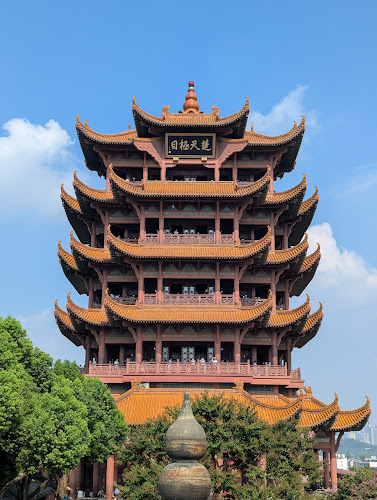
Yellow Crane Tower
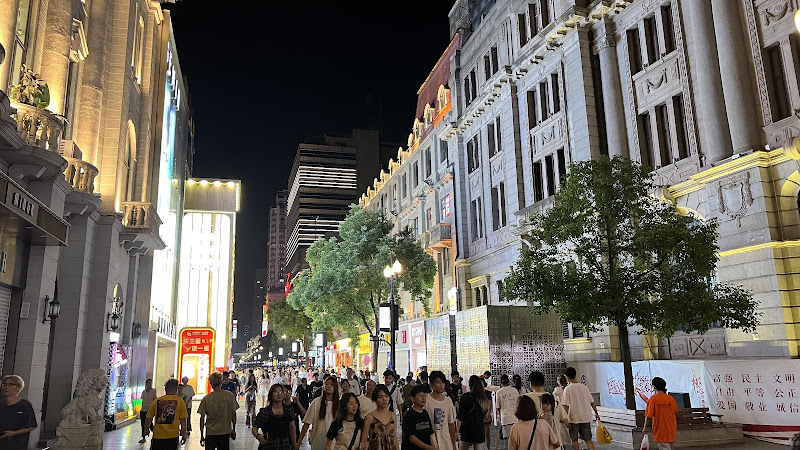
Jianghan Road Pedestrian Street
Find Accommodations Nearby
Recommended Tours & Activities
Visitor Reviews
There are no reviews yet. Be the first one to write one.
Share Your Experience
Have you visited Memorial of Wuchang Uprising 1911 Revolution? Help other travelers by leaving a review.