
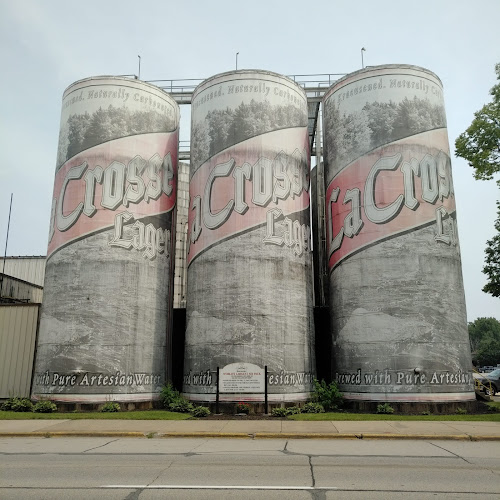
World’s Largest Six-Pack
About World’s Largest Six-Pack
Description
Standing tall against the Minnesota skyline, the World's Largest Six-Pack represents one of America's most delightfully quirky roadside attractions. These massive brewery tanks, constructed in the 1960s, have been transformed into what appears to be an enormous six-pack of beer cans through creative wallpaper application that mimics the classic design of beer packaging.
What makes this landmark particularly fascinating is its dual nature - it's both a functional piece of industrial architecture and a whimsical tourist destination. The tanks themselves served the local brewing industry for decades before becoming the beloved roadside attraction that draws thousands of visitors annually. And honestly, there's something wonderfully American about taking utilitarian brewery equipment and turning it into a celebration of beer culture.
The sheer scale of these "cans" is what really gets people talking. Each tank stands several stories high, creating an impressive sight that's visible from quite a distance. I've always found it amusing how something so industrial can become so endearing simply through creative presentation. The wallpaper job might seem simple, but it completely transforms the viewer's perception of these massive structures.
For photography enthusiasts, this landmark offers endless opportunities. The contrast between the industrial setting and the playful beer can design creates interesting visual dynamics that work well in both color and black-and-white photography. Many visitors find themselves spending more time here than they initially planned, simply because there are so many angles and perspectives to explore.
Key Features
The World's Largest Six-Pack offers several distinctive elements that make it worth the detour for curious travelers:
- Massive scale brewing tanks - Each "can" in the six-pack stands multiple stories tall, creating an impressive industrial monument
- Authentic 1960s construction - The tanks represent genuine mid-century brewery architecture, offering historical significance beyond the novelty
- Creative wallpaper design - The application mimics traditional beer can packaging with remarkable attention to detail
- Wheelchair accessible facilities - Both parking and entrance areas accommodate visitors with mobility needs
- Prime photography location - The landmark provides excellent backdrops for both casual snapshots and serious photography projects
- Industrial heritage storytelling - Visitors can learn about the region's brewing history and industrial development
- Free public viewing - No admission fees make this an budget-friendly stop for families and solo travelers
- Unique architectural preservation - Represents creative reuse of industrial infrastructure for tourism purposes
But what really sets this place apart is how it embodies the spirit of American roadside culture. It's not trying to be sophisticated or elegant - it's just fun, honest, and a little bit silly in the best possible way.
Best Time to Visit
The World's Largest Six-Pack can be enjoyed year-round, though different seasons offer distinctly different experiences. Summer months from June through August provide the most comfortable weather for extended outdoor exploration and photography sessions. The longer daylight hours during summer also give visitors more flexibility in timing their visit for optimal lighting conditions.
Spring and fall seasons offer their own advantages, particularly for photographers seeking dramatic sky backdrops. The changing seasons create interesting contrasts with the industrial nature of the landmark. I've noticed that autumn visits can be particularly rewarding when the surrounding landscape provides colorful foliage that contrasts beautifully with the metallic surfaces of the tanks.
Winter visits present unique opportunities despite the cold temperatures. Snow accumulation on the tanks creates striking visual effects, and the industrial architecture takes on a different character against winter skies. However, visitors should dress appropriately and be prepared for potentially icy conditions in parking areas.
Early morning and late afternoon visits typically provide the best lighting for photography, regardless of season. The angled sunlight during these times creates interesting shadows and highlights on the curved surfaces of the tanks. Midday visits work well too, especially for families with children who might prefer warmer temperatures and brighter conditions.
Weekday visits tend to be less crowded than weekends, allowing for more leisurely exploration and better photo opportunities without other visitors in the frame. But honestly, the landmark rarely feels overcrowded even during peak times due to its outdoor nature and spacious surroundings.
How to Get There
Reaching the World's Largest Six-Pack requires some planning, as it's located in a smaller community that might not be on every traveler's main route. The landmark sits in an industrial area that's easily accessible by car, with clear signage directing visitors to the site.
For those driving from major metropolitan areas, the journey typically involves highway travel followed by local roads that lead directly to the landmark. GPS navigation systems generally provide accurate directions, though it's worth noting that some older systems might not recognize the specific attraction name. Using the general area or nearby business names as navigation points can help ensure accurate routing.
Public transportation options are limited in this area, making personal vehicles or rental cars the most practical transportation method for most visitors. Ride-sharing services may be available depending on the specific location and local service coverage, though this shouldn't be relied upon as a primary transportation plan.
The parking situation is straightforward, with designated areas that can accommodate both regular passenger vehicles and larger RVs or tour buses. The wheelchair accessible parking mentioned in the facility information ensures that visitors with mobility needs can access the site comfortably.
For travelers incorporating this stop into larger road trip itineraries, it's worth planning the route to include other nearby attractions or points of interest. The industrial nature of the surrounding area means services like restaurants or hotels might require additional travel to reach.
Tips for Visiting
Successful visits to the World's Largest Six-Pack benefit from some advance preparation and realistic expectations. This isn't a theme park or elaborate tourist complex - it's a straightforward roadside attraction that celebrates American industrial ingenuity and humor.
Photography equipment deserves special consideration when planning your visit. Wide-angle lenses work particularly well for capturing the full scale of the six-pack, while telephoto lenses can isolate interesting details in the wallpaper application and tank construction. The metallic surfaces can create challenging lighting conditions, so visitors serious about photography should bring appropriate equipment for managing reflections and contrast.
Comfortable walking shoes are recommended, as visitors will likely want to explore different vantage points around the landmark. The industrial setting means surfaces might be uneven in some areas, though the main viewing areas are well-maintained and accessible.
Weather preparation is crucial regardless of season. The open nature of the site means visitors are exposed to wind and weather conditions. Summer visits benefit from sun protection and water, while winter visits require appropriate cold-weather clothing and potentially ice-appropriate footwear.
Time allocation varies significantly among visitors. Some people are satisfied with a quick photo stop that takes fifteen or twenty minutes, while others find themselves spending an hour or more exploring different angles and learning about the site's history. Planning for at least thirty minutes ensures adequate time for most visitors to fully appreciate the landmark.
The free nature of this attraction makes it an excellent addition to budget-conscious travel plans. However, visitors should plan for potential nearby expenses like fuel, food, or other services that might require travel to surrounding communities.
For families traveling with children, this landmark often exceeds expectations because kids generally find the enormous scale and playful concept genuinely entertaining. It's worth explaining the industrial history behind the tanks to help children understand how functional structures can be transformed into tourist attractions.
Social media enthusiasts will find plenty of content opportunities, but should be mindful of lighting conditions and backgrounds when planning shots. The industrial setting can either enhance or detract from photos depending on framing and composition choices.
Key Features
- Key Features
- Best Time to Visit
- How to Get There
- Tips for Visiting
More Details
Updated September 24, 2025
Table of Contents
Description
Standing tall against the Minnesota skyline, the World’s Largest Six-Pack represents one of America’s most delightfully quirky roadside attractions. These massive brewery tanks, constructed in the 1960s, have been transformed into what appears to be an enormous six-pack of beer cans through creative wallpaper application that mimics the classic design of beer packaging.
What makes this landmark particularly fascinating is its dual nature – it’s both a functional piece of industrial architecture and a whimsical tourist destination. The tanks themselves served the local brewing industry for decades before becoming the beloved roadside attraction that draws thousands of visitors annually. And honestly, there’s something wonderfully American about taking utilitarian brewery equipment and turning it into a celebration of beer culture.
The sheer scale of these “cans” is what really gets people talking. Each tank stands several stories high, creating an impressive sight that’s visible from quite a distance. I’ve always found it amusing how something so industrial can become so endearing simply through creative presentation. The wallpaper job might seem simple, but it completely transforms the viewer’s perception of these massive structures.
For photography enthusiasts, this landmark offers endless opportunities. The contrast between the industrial setting and the playful beer can design creates interesting visual dynamics that work well in both color and black-and-white photography. Many visitors find themselves spending more time here than they initially planned, simply because there are so many angles and perspectives to explore.
Key Features
The World’s Largest Six-Pack offers several distinctive elements that make it worth the detour for curious travelers:
- Massive scale brewing tanks – Each “can” in the six-pack stands multiple stories tall, creating an impressive industrial monument
- Authentic 1960s construction – The tanks represent genuine mid-century brewery architecture, offering historical significance beyond the novelty
- Creative wallpaper design – The application mimics traditional beer can packaging with remarkable attention to detail
- Wheelchair accessible facilities – Both parking and entrance areas accommodate visitors with mobility needs
- Prime photography location – The landmark provides excellent backdrops for both casual snapshots and serious photography projects
- Industrial heritage storytelling – Visitors can learn about the region’s brewing history and industrial development
- Free public viewing – No admission fees make this an budget-friendly stop for families and solo travelers
- Unique architectural preservation – Represents creative reuse of industrial infrastructure for tourism purposes
But what really sets this place apart is how it embodies the spirit of American roadside culture. It’s not trying to be sophisticated or elegant – it’s just fun, honest, and a little bit silly in the best possible way.
Best Time to Visit
The World’s Largest Six-Pack can be enjoyed year-round, though different seasons offer distinctly different experiences. Summer months from June through August provide the most comfortable weather for extended outdoor exploration and photography sessions. The longer daylight hours during summer also give visitors more flexibility in timing their visit for optimal lighting conditions.
Spring and fall seasons offer their own advantages, particularly for photographers seeking dramatic sky backdrops. The changing seasons create interesting contrasts with the industrial nature of the landmark. I’ve noticed that autumn visits can be particularly rewarding when the surrounding landscape provides colorful foliage that contrasts beautifully with the metallic surfaces of the tanks.
Winter visits present unique opportunities despite the cold temperatures. Snow accumulation on the tanks creates striking visual effects, and the industrial architecture takes on a different character against winter skies. However, visitors should dress appropriately and be prepared for potentially icy conditions in parking areas.
Early morning and late afternoon visits typically provide the best lighting for photography, regardless of season. The angled sunlight during these times creates interesting shadows and highlights on the curved surfaces of the tanks. Midday visits work well too, especially for families with children who might prefer warmer temperatures and brighter conditions.
Weekday visits tend to be less crowded than weekends, allowing for more leisurely exploration and better photo opportunities without other visitors in the frame. But honestly, the landmark rarely feels overcrowded even during peak times due to its outdoor nature and spacious surroundings.
How to Get There
Reaching the World’s Largest Six-Pack requires some planning, as it’s located in a smaller community that might not be on every traveler’s main route. The landmark sits in an industrial area that’s easily accessible by car, with clear signage directing visitors to the site.
For those driving from major metropolitan areas, the journey typically involves highway travel followed by local roads that lead directly to the landmark. GPS navigation systems generally provide accurate directions, though it’s worth noting that some older systems might not recognize the specific attraction name. Using the general area or nearby business names as navigation points can help ensure accurate routing.
Public transportation options are limited in this area, making personal vehicles or rental cars the most practical transportation method for most visitors. Ride-sharing services may be available depending on the specific location and local service coverage, though this shouldn’t be relied upon as a primary transportation plan.
The parking situation is straightforward, with designated areas that can accommodate both regular passenger vehicles and larger RVs or tour buses. The wheelchair accessible parking mentioned in the facility information ensures that visitors with mobility needs can access the site comfortably.
For travelers incorporating this stop into larger road trip itineraries, it’s worth planning the route to include other nearby attractions or points of interest. The industrial nature of the surrounding area means services like restaurants or hotels might require additional travel to reach.
Tips for Visiting
Successful visits to the World’s Largest Six-Pack benefit from some advance preparation and realistic expectations. This isn’t a theme park or elaborate tourist complex – it’s a straightforward roadside attraction that celebrates American industrial ingenuity and humor.
Photography equipment deserves special consideration when planning your visit. Wide-angle lenses work particularly well for capturing the full scale of the six-pack, while telephoto lenses can isolate interesting details in the wallpaper application and tank construction. The metallic surfaces can create challenging lighting conditions, so visitors serious about photography should bring appropriate equipment for managing reflections and contrast.
Comfortable walking shoes are recommended, as visitors will likely want to explore different vantage points around the landmark. The industrial setting means surfaces might be uneven in some areas, though the main viewing areas are well-maintained and accessible.
Weather preparation is crucial regardless of season. The open nature of the site means visitors are exposed to wind and weather conditions. Summer visits benefit from sun protection and water, while winter visits require appropriate cold-weather clothing and potentially ice-appropriate footwear.
Time allocation varies significantly among visitors. Some people are satisfied with a quick photo stop that takes fifteen or twenty minutes, while others find themselves spending an hour or more exploring different angles and learning about the site’s history. Planning for at least thirty minutes ensures adequate time for most visitors to fully appreciate the landmark.
The free nature of this attraction makes it an excellent addition to budget-conscious travel plans. However, visitors should plan for potential nearby expenses like fuel, food, or other services that might require travel to surrounding communities.
For families traveling with children, this landmark often exceeds expectations because kids generally find the enormous scale and playful concept genuinely entertaining. It’s worth explaining the industrial history behind the tanks to help children understand how functional structures can be transformed into tourist attractions.
Social media enthusiasts will find plenty of content opportunities, but should be mindful of lighting conditions and backgrounds when planning shots. The industrial setting can either enhance or detract from photos depending on framing and composition choices.
Key Highlights
- Key Features
- Best Time to Visit
- How to Get There
- Tips for Visiting
Location
Places to Stay Near World's Largest Six-Pack
Find and Book a Tour
Explore More Travel Guides
No reviews found! Be the first to review!
Traveler Reviews for World’s Largest Six-Pack
There are no reviews yet. Be the first one to write one.
Have you visited World’s Largest Six-Pack? Help other travelers by sharing your review.
You Might Also Like
Copeland Park

Dahl Auto Museum

La Crosse Escape Room
Find Accommodations Nearby
Recommended Tours & Activities
Visitor Reviews
There are no reviews yet. Be the first one to write one.
Share Your Experience
Have you visited World’s Largest Six-Pack? Help other travelers by leaving a review.