
Woodford Street Historic District
About Woodford Street Historic District
Description
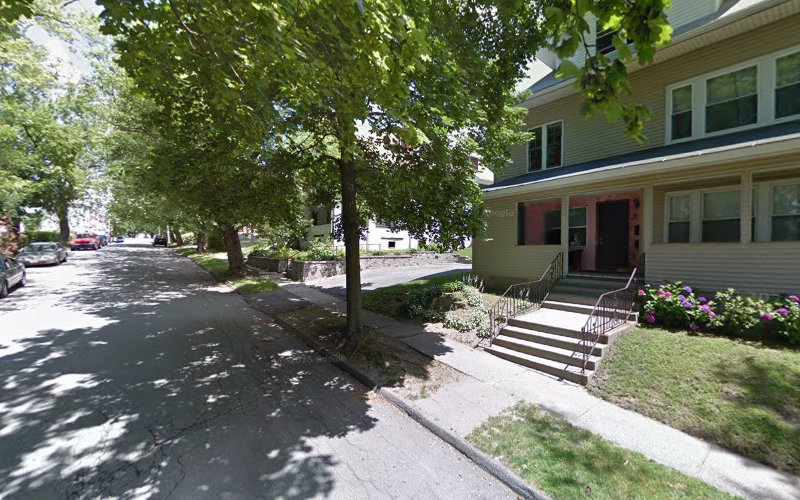
Walking through the Woodford Street Historic District feels like stepping into a time capsule that someone actually bothered to maintain properly. This historic gem showcases some of the finest examples of 19th and early 20th-century architecture you'll find in the region, and honestly, I've seen my share of historic districts that felt like they were just phoning it in. Not this one though. The district stretches along tree-lined streets where residential buildings tell stories of different eras and architectural movements. You'll notice Greek Revival homes standing proudly next to Queen Anne-style houses, with a sprinkling of Colonial Revival architecture thrown in for good measure. What makes this place special isn't just the buildings themselves but the fact that the neighborhood has managed to preserve its character without turning into some sort of sterile museum exhibit. Local residents still live in many of these homes, which means you're not just looking at empty facades. There's actual life happening here, and that makes all the difference when you're exploring. I remember visiting similar districts where everything felt staged, but here you might see someone tending their garden in a house that's been in their family for generations. That's the kind of authentic experience that makes travel meaningful. The architectural details are what really grab you. Ornate cornices, wraparound porches, intricate woodwork, and those beautiful tall windows that people just don't build anymore. And the craftsmanship! These houses were built when people actually cared about details, before everything became cookie-cutter subdivisions.Key Features
The Woodford Street Historic District offers travelers several compelling reasons to add it to their itinerary:- Architectural diversity spanning multiple periods - From Greek Revival to Queen Anne to Colonial Revival styles, the district represents a visual timeline of American residential architecture
- Well-preserved historic homes - Unlike some historic districts where preservation is spotty at best, these buildings maintain their original character and charm
- Family-friendly exploration - The district is genuinely suitable for visitors with children, offering safe, walkable streets where kids can learn about history without being stuck in a stuffy museum
- Active residential neighborhood - Real people live here, which adds authenticity and means the area is well-maintained and safe for visitors
- Excellent photo opportunities - Every corner offers Instagram-worthy shots, from detailed architectural elements to tree-canopied streets
- Self-guided walking tour potential - The district's compact layout makes it perfect for exploring at your own pace without needing organized tours
- Period landscaping and street features - Original sidewalks, mature trees, and period-appropriate landscaping enhance the historical atmosphere
- Educational value - Perfect for architecture students, history buffs, or anyone interested in urban planning and preservation
Best Time to Visit
Here's where I'll be completely honest with you - timing matters more than you'd think for a historic district. Sure, the buildings aren't going anywhere, but your experience will vary dramatically depending on when you show up. Spring and fall are absolutely your best bets. Late April through early June brings out the best in the district's landscaping, with flowering trees and gardens coming to life around these historic homes. The temperature is comfortable for walking, which you'll be doing a lot of. Plus, the light during these months is perfect for photography - not too harsh, with that golden quality that makes everything look better. Fall, particularly September through October, offers equally compelling reasons to visit. The mature trees lining the streets put on quite a show with autumn colors, and there's something about historic architecture against fall foliage that just works. The cooler temperatures make extended walking tours more pleasant, and you won't be dealing with summer crowds or humidity. But let me tell you what to avoid. Summer can be brutal depending on the climate, and historic districts usually don't have a lot of places to duck into for air conditioning. You're basically outside the entire time, and that summer sun beating down on pavement gets old quickly. Winter has its own charm if you're into that stark, bare-bones aesthetic, but it's not the most comfortable time for leisurely strolling and taking in architectural details when your hands are freezing. Weekday mornings offer the quietest experience. You'll have the streets mostly to yourself, which is ideal for taking photos and really absorbing the atmosphere. Weekend afternoons bring out more people, both residents and other visitors, which can detract from that peaceful, contemplative experience you're probably seeking.How to Get There
Getting to the Woodford Street Historic District doesn't require an expedition planning committee, which is refreshing. Most visitors will arrive by car, and parking is generally available along the streets within or near the district. Just remember that these are residential streets, so be respectful of driveways and any posted parking restrictions. Nothing ruins a historic district visit faster than a parking ticket. If you're staying somewhere within reasonable distance, walking or biking to the district can actually enhance the experience. You get a sense of how the historic district relates to its surrounding neighborhoods, and honestly, approaching on foot feels more appropriate than pulling up in a modern vehicle. But that's just my opinion - do what works for you. Public transportation options depend on the local transit system, and I'd recommend checking current routes and schedules before your visit. Some cities have excellent service to their historic districts, while others leave you stranded. A quick search of local transit websites will save you potential headaches. Ride-sharing services work well for getting to the district, especially if you're coming from hotels or other tourist areas. Just remember that you'll need cell service to call another ride when you're ready to leave, and in some historic districts, coverage can be spotty. Always have a backup plan. For out-of-town visitors flying in, the district is typically accessible within a reasonable drive from regional airports. Renting a car gives you the most flexibility, not just for reaching the historic district but for exploring other attractions in the area.Tips for Visiting
Let me share some practical advice that'll make your visit actually enjoyable instead of frustrating. First off - wear comfortable walking shoes. I can't stress this enough. These aren't manicured museum floors; you're dealing with historic sidewalks that might be uneven, and you'll be on your feet for a while. Save the fashionable but impractical footwear for somewhere else. Bring water and snacks because you probably won't find concession stands on every corner like you would at a major tourist attraction. This is a residential neighborhood, remember? A small backpack with essentials makes sense. Photography is obviously part of the experience, but be respectful. These are people's homes, not just exhibits. Don't walk onto private property for that perfect shot, and if residents are outside, a friendly wave or greeting goes a long way. I've found that showing basic courtesy often leads to interesting conversations with locals who have amazing stories about their homes and the neighborhood's history. Early morning light provides the best conditions for photography, and you'll avoid harsh shadows that flatten architectural details. The golden hour before sunset is equally magical. But honestly, you can get great shots any time if you pay attention to angles and composition. If you're visiting with children - and the district is definitely kid-friendly - turn it into a game. Have them spot different architectural features, count porches, or look for specific design elements. Kids get bored quickly when adults are just gawking at old houses, so keeping them engaged makes everyone's experience better. Research before you go. Understanding the architectural styles you'll see and the historical context makes the visit infinitely more meaningful. You don't need a degree in architectural history, but knowing the difference between Greek Revival and Colonial Revival adds depth to what you're seeing. Respect the neighborhood. Keep noise levels reasonable, don't litter, and remember that people live here and value their peace and quiet. The district has survived this long partly because residents care about preservation, so don't give them reasons to regret welcoming visitors. Check if there are any special events, walking tours, or open houses scheduled during your visit. Sometimes historic districts organize special programming that gives you access to building interiors or expert-led tours that reveal details you'd miss on your own. And here's something people often forget - take your time. This isn't a race or a checklist item to hurry through. The whole point of visiting a historic district is absorbing the atmosphere and appreciating craftsmanship from another era. Rushing through defeats the purpose entirely.Key Features
- Key Features
- Best Time to Visit
- How to Get There
- Tips for Visiting
More Details
Updated March 30, 2026
Table of Contents
Description
Walking through the Woodford Street Historic District feels like stepping into a time capsule that someone actually bothered to maintain properly. This historic gem showcases some of the finest examples of 19th and early 20th-century architecture you’ll find in the region, and honestly, I’ve seen my share of historic districts that felt like they were just phoning it in. Not this one though.
The district stretches along tree-lined streets where residential buildings tell stories of different eras and architectural movements. You’ll notice Greek Revival homes standing proudly next to Queen Anne-style houses, with a sprinkling of Colonial Revival architecture thrown in for good measure. What makes this place special isn’t just the buildings themselves but the fact that the neighborhood has managed to preserve its character without turning into some sort of sterile museum exhibit.
Local residents still live in many of these homes, which means you’re not just looking at empty facades. There’s actual life happening here, and that makes all the difference when you’re exploring. I remember visiting similar districts where everything felt staged, but here you might see someone tending their garden in a house that’s been in their family for generations. That’s the kind of authentic experience that makes travel meaningful.
The architectural details are what really grab you. Ornate cornices, wraparound porches, intricate woodwork, and those beautiful tall windows that people just don’t build anymore. And the craftsmanship! These houses were built when people actually cared about details, before everything became cookie-cutter subdivisions.
Key Features
The Woodford Street Historic District offers travelers several compelling reasons to add it to their itinerary:
- Architectural diversity spanning multiple periods – From Greek Revival to Queen Anne to Colonial Revival styles, the district represents a visual timeline of American residential architecture
- Well-preserved historic homes – Unlike some historic districts where preservation is spotty at best, these buildings maintain their original character and charm
- Family-friendly exploration – The district is genuinely suitable for visitors with children, offering safe, walkable streets where kids can learn about history without being stuck in a stuffy museum
- Active residential neighborhood – Real people live here, which adds authenticity and means the area is well-maintained and safe for visitors
- Excellent photo opportunities – Every corner offers Instagram-worthy shots, from detailed architectural elements to tree-canopied streets
- Self-guided walking tour potential – The district’s compact layout makes it perfect for exploring at your own pace without needing organized tours
- Period landscaping and street features – Original sidewalks, mature trees, and period-appropriate landscaping enhance the historical atmosphere
- Educational value – Perfect for architecture students, history buffs, or anyone interested in urban planning and preservation
Best Time to Visit
Here’s where I’ll be completely honest with you – timing matters more than you’d think for a historic district. Sure, the buildings aren’t going anywhere, but your experience will vary dramatically depending on when you show up.
Spring and fall are absolutely your best bets. Late April through early June brings out the best in the district’s landscaping, with flowering trees and gardens coming to life around these historic homes. The temperature is comfortable for walking, which you’ll be doing a lot of. Plus, the light during these months is perfect for photography – not too harsh, with that golden quality that makes everything look better.
Fall, particularly September through October, offers equally compelling reasons to visit. The mature trees lining the streets put on quite a show with autumn colors, and there’s something about historic architecture against fall foliage that just works. The cooler temperatures make extended walking tours more pleasant, and you won’t be dealing with summer crowds or humidity.
But let me tell you what to avoid. Summer can be brutal depending on the climate, and historic districts usually don’t have a lot of places to duck into for air conditioning. You’re basically outside the entire time, and that summer sun beating down on pavement gets old quickly. Winter has its own charm if you’re into that stark, bare-bones aesthetic, but it’s not the most comfortable time for leisurely strolling and taking in architectural details when your hands are freezing.
Weekday mornings offer the quietest experience. You’ll have the streets mostly to yourself, which is ideal for taking photos and really absorbing the atmosphere. Weekend afternoons bring out more people, both residents and other visitors, which can detract from that peaceful, contemplative experience you’re probably seeking.
How to Get There
Getting to the Woodford Street Historic District doesn’t require an expedition planning committee, which is refreshing. Most visitors will arrive by car, and parking is generally available along the streets within or near the district. Just remember that these are residential streets, so be respectful of driveways and any posted parking restrictions. Nothing ruins a historic district visit faster than a parking ticket.
If you’re staying somewhere within reasonable distance, walking or biking to the district can actually enhance the experience. You get a sense of how the historic district relates to its surrounding neighborhoods, and honestly, approaching on foot feels more appropriate than pulling up in a modern vehicle. But that’s just my opinion – do what works for you.
Public transportation options depend on the local transit system, and I’d recommend checking current routes and schedules before your visit. Some cities have excellent service to their historic districts, while others leave you stranded. A quick search of local transit websites will save you potential headaches.
Ride-sharing services work well for getting to the district, especially if you’re coming from hotels or other tourist areas. Just remember that you’ll need cell service to call another ride when you’re ready to leave, and in some historic districts, coverage can be spotty. Always have a backup plan.
For out-of-town visitors flying in, the district is typically accessible within a reasonable drive from regional airports. Renting a car gives you the most flexibility, not just for reaching the historic district but for exploring other attractions in the area.
Tips for Visiting
Let me share some practical advice that’ll make your visit actually enjoyable instead of frustrating. First off – wear comfortable walking shoes. I can’t stress this enough. These aren’t manicured museum floors; you’re dealing with historic sidewalks that might be uneven, and you’ll be on your feet for a while. Save the fashionable but impractical footwear for somewhere else.
Bring water and snacks because you probably won’t find concession stands on every corner like you would at a major tourist attraction. This is a residential neighborhood, remember? A small backpack with essentials makes sense.
Photography is obviously part of the experience, but be respectful. These are people’s homes, not just exhibits. Don’t walk onto private property for that perfect shot, and if residents are outside, a friendly wave or greeting goes a long way. I’ve found that showing basic courtesy often leads to interesting conversations with locals who have amazing stories about their homes and the neighborhood’s history.
Early morning light provides the best conditions for photography, and you’ll avoid harsh shadows that flatten architectural details. The golden hour before sunset is equally magical. But honestly, you can get great shots any time if you pay attention to angles and composition.
If you’re visiting with children – and the district is definitely kid-friendly – turn it into a game. Have them spot different architectural features, count porches, or look for specific design elements. Kids get bored quickly when adults are just gawking at old houses, so keeping them engaged makes everyone’s experience better.
Research before you go. Understanding the architectural styles you’ll see and the historical context makes the visit infinitely more meaningful. You don’t need a degree in architectural history, but knowing the difference between Greek Revival and Colonial Revival adds depth to what you’re seeing.
Respect the neighborhood. Keep noise levels reasonable, don’t litter, and remember that people live here and value their peace and quiet. The district has survived this long partly because residents care about preservation, so don’t give them reasons to regret welcoming visitors.
Check if there are any special events, walking tours, or open houses scheduled during your visit. Sometimes historic districts organize special programming that gives you access to building interiors or expert-led tours that reveal details you’d miss on your own.
And here’s something people often forget – take your time. This isn’t a race or a checklist item to hurry through. The whole point of visiting a historic district is absorbing the atmosphere and appreciating craftsmanship from another era. Rushing through defeats the purpose entirely.
Key Highlights
- Key Features
- Best Time to Visit
- How to Get There
- Tips for Visiting
Location
Places to Stay Near Woodford Street Historic District
Find and Book a Tour
Explore More Travel Guides
No reviews found! Be the first to review!
Woodford Street Historic District is a prominent attractions located in Worcester.
Visit us at: Worcester, MA 01604, United States.
Traveler Reviews for Woodford Street Historic District
There are no reviews yet. Be the first one to write one.
Have you visited Woodford Street Historic District? Help other travelers by sharing your review.
You Might Also Like

ArtsWorcester

Massachusetts Vietnam Veterans Memorial

The Pavillion at the Blackhole
Find Accommodations Nearby
Recommended Tours & Activities
Visitor Reviews
There are no reviews yet. Be the first one to write one.
Share Your Experience
Have you visited Woodford Street Historic District? Help other travelers by leaving a review.