
Wisata Gunung Kedok
About Wisata Gunung Kedok
Description
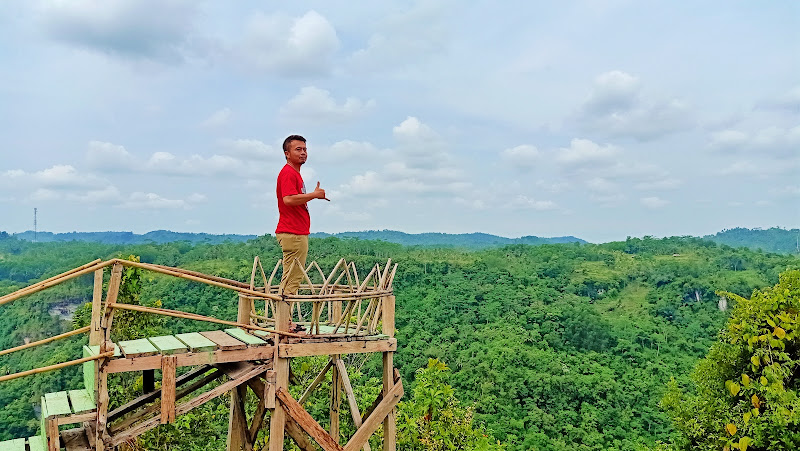
Gunung Kedok is one of those places that quietly steal your heart before you even realize it. Tucked away in the lush southern region of Tasikmalaya, this natural escape offers a calm, almost meditative atmosphere that feels worlds away from the city’s noise. The air here is fresher, the pace slower, and the views—well, they’re the kind that make you stop mid-step just to take it all in. It’s not the kind of tourist spot with fancy facilities or polished trails, but that’s exactly what makes it special. You come here for the raw beauty, the earthy smell of wet soil, and the sound of leaves rustling in the mountain breeze.
Locals often describe Gunung Kedok as a “hidden gem,” but honestly, that phrase doesn’t quite do it justice. It’s more like a community’s backyard playground, a nature-filled retreat where families, hikers, and even curious travelers come to unwind. The mountain’s gentle slopes and surrounding greenery make it accessible enough for casual explorers, yet still adventurous for those who crave a touch of wilderness. And yes, it’s definitely good for kids—there’s plenty of open space for them to run around, and the environment feels safe and welcoming.
Now, not everything here is perfect—some visitors mention that the paths could use a bit more maintenance, and facilities are pretty basic. But that’s part of the charm. You’re not coming here for luxury; you’re coming for authenticity. The locals have a saying that roughly means, “The mountain gives peace if you walk it slowly,” and that’s exactly how you should experience it—without rushing, just letting the scenery and serenity sink in.
Key Features
- Scenic natural landscape: Expect rolling hills, rice fields, and dense clusters of tropical trees that paint a soothing green panorama all year round.
- Community vibe: Gunung Kedok doubles as a community garden space where locals gather for small events, picnics, and nature-based activities.
- Affordable entry: The entrance fee is minimal, making it accessible for local families and budget travelers alike.
- Peaceful hiking experience: Trails are moderate and ideal for beginners or those who prefer a leisurely walk rather than a strenuous climb.
- Photography spots: Sunrise and sunset views from higher vantage points are simply breathtaking—perfect for capturing that postcard-worthy shot.
- Local hospitality: Visitors often comment on the friendliness of the locals, who are more than happy to share stories or offer directions.
- Nature immersion: The area is rich in biodiversity, with birdsong filling the air and small streams weaving through the landscape.
Best Time to Visit
If you ask me, the best time to visit Gunung Kedok is during the dry season—roughly from May to September. That’s when the trails are firm, the skies are clear, and the views stretch endlessly over the Tasikmalaya countryside. During rainy months, the paths can get muddy and slippery, which makes hiking a bit tricky but also adds a certain rugged adventure if you’re into that sort of thing. Early morning visits are magical—the mist still clings to the trees, and the temperature is cool enough to make you want to linger. Late afternoons are also lovely, especially if you’re chasing that golden-hour glow for photos.
Weekdays are generally quieter, perfect if you prefer solitude. Weekends, on the other hand, bring in more local families and groups of friends, creating a lively yet relaxed atmosphere. Personally, I love visiting just after dawn when the mountain feels like it’s waking up with you. There’s something grounding about sipping coffee while watching the sun peek over the hills—it’s simple, but it sticks with you.
How to Get There
Reaching Gunung Kedok isn’t complicated, but it does require a bit of planning. From the main town of Tasikmalaya, it’s roughly a couple of hours by car or motorbike, depending on traffic and road conditions. The route winds through small villages and rice paddies, offering glimpses of rural life along the way. You’ll pass by local warungs (small eateries), where you can stop for a quick snack or a cup of strong, sweet coffee. Public transportation options are limited, so renting a scooter or hiring a local driver is usually the best bet.
As you get closer, the roads narrow and become more rustic—expect a few bumps and turns, but nothing too extreme. There are no wheelchair-accessible facilities or parking lots, so it’s best suited for travelers comfortable with light walking and uneven terrain. Once you arrive, a short hike leads you to the main viewing areas, where the scenery opens up dramatically. It’s the kind of view that rewards every minute of the journey.
Tips for Visiting
Here’s where a few insider tips can make your trip smoother—and more memorable. First off, bring your own snacks and water. There are a few local stalls near the entrance, but they might not always be open or stocked. And don’t forget to pack out your trash; the local community works hard to keep the area clean, and it’s only fair to do your part.
Wear comfortable shoes—preferably ones with decent grip. The trails can be slippery after rain, and flip-flops just won’t cut it. If you’re planning to catch the sunrise, bring a flashlight or headlamp since it’ll still be dark when you start your walk. A light jacket also helps; mornings can be surprisingly chilly, even in tropical West Java.
Photography enthusiasts should bring extra batteries because, trust me, you’ll be snapping away non-stop. The light here changes quickly—from soft morning mist to bright midday hues—so every hour feels like a new scene. And if you’re into people photography, the locals are usually open to having their photos taken, especially if you ask politely and share a smile.
One more thing: slow down. Don’t rush through it like it’s just another stop on your itinerary. Take a seat on one of the rocks, listen to the wind, maybe even close your eyes for a bit. There’s a quiet rhythm to this place that you only catch when you stop trying to fill the silence. I’ve visited a lot of natural spots across Indonesia, but Gunung Kedok has this rare, unpretentious charm that keeps calling me back. It’s not about grandeur—it’s about connection. Connection to nature, to locals, and maybe even to yourself.
So if you’re planning a trip to Tasikmalaya and want a genuine nature experience that doesn’t feel overrun by crowds or commercialism, put Gunung Kedok on your list. It’s peaceful, affordable, and refreshingly real. And who knows—you might just find that the quiet moments here end up being the most memorable part of your journey.
Key Features
- Key Features
- Best Time to Visit
- How to Get There
- Tips for Visiting
More Details
Updated November 7, 2025
Table of Contents
Description
Gunung Kedok is one of those places that quietly steal your heart before you even realize it. Tucked away in the lush southern region of Tasikmalaya, this natural escape offers a calm, almost meditative atmosphere that feels worlds away from the city’s noise. The air here is fresher, the pace slower, and the views—well, they’re the kind that make you stop mid-step just to take it all in. It’s not the kind of tourist spot with fancy facilities or polished trails, but that’s exactly what makes it special. You come here for the raw beauty, the earthy smell of wet soil, and the sound of leaves rustling in the mountain breeze.
Locals often describe Gunung Kedok as a “hidden gem,” but honestly, that phrase doesn’t quite do it justice. It’s more like a community’s backyard playground, a nature-filled retreat where families, hikers, and even curious travelers come to unwind. The mountain’s gentle slopes and surrounding greenery make it accessible enough for casual explorers, yet still adventurous for those who crave a touch of wilderness. And yes, it’s definitely good for kids—there’s plenty of open space for them to run around, and the environment feels safe and welcoming.
Now, not everything here is perfect—some visitors mention that the paths could use a bit more maintenance, and facilities are pretty basic. But that’s part of the charm. You’re not coming here for luxury; you’re coming for authenticity. The locals have a saying that roughly means, “The mountain gives peace if you walk it slowly,” and that’s exactly how you should experience it—without rushing, just letting the scenery and serenity sink in.
Key Features
- Scenic natural landscape: Expect rolling hills, rice fields, and dense clusters of tropical trees that paint a soothing green panorama all year round.
- Community vibe: Gunung Kedok doubles as a community garden space where locals gather for small events, picnics, and nature-based activities.
- Affordable entry: The entrance fee is minimal, making it accessible for local families and budget travelers alike.
- Peaceful hiking experience: Trails are moderate and ideal for beginners or those who prefer a leisurely walk rather than a strenuous climb.
- Photography spots: Sunrise and sunset views from higher vantage points are simply breathtaking—perfect for capturing that postcard-worthy shot.
- Local hospitality: Visitors often comment on the friendliness of the locals, who are more than happy to share stories or offer directions.
- Nature immersion: The area is rich in biodiversity, with birdsong filling the air and small streams weaving through the landscape.
Best Time to Visit
If you ask me, the best time to visit Gunung Kedok is during the dry season—roughly from May to September. That’s when the trails are firm, the skies are clear, and the views stretch endlessly over the Tasikmalaya countryside. During rainy months, the paths can get muddy and slippery, which makes hiking a bit tricky but also adds a certain rugged adventure if you’re into that sort of thing. Early morning visits are magical—the mist still clings to the trees, and the temperature is cool enough to make you want to linger. Late afternoons are also lovely, especially if you’re chasing that golden-hour glow for photos.
Weekdays are generally quieter, perfect if you prefer solitude. Weekends, on the other hand, bring in more local families and groups of friends, creating a lively yet relaxed atmosphere. Personally, I love visiting just after dawn when the mountain feels like it’s waking up with you. There’s something grounding about sipping coffee while watching the sun peek over the hills—it’s simple, but it sticks with you.
How to Get There
Reaching Gunung Kedok isn’t complicated, but it does require a bit of planning. From the main town of Tasikmalaya, it’s roughly a couple of hours by car or motorbike, depending on traffic and road conditions. The route winds through small villages and rice paddies, offering glimpses of rural life along the way. You’ll pass by local warungs (small eateries), where you can stop for a quick snack or a cup of strong, sweet coffee. Public transportation options are limited, so renting a scooter or hiring a local driver is usually the best bet.
As you get closer, the roads narrow and become more rustic—expect a few bumps and turns, but nothing too extreme. There are no wheelchair-accessible facilities or parking lots, so it’s best suited for travelers comfortable with light walking and uneven terrain. Once you arrive, a short hike leads you to the main viewing areas, where the scenery opens up dramatically. It’s the kind of view that rewards every minute of the journey.
Tips for Visiting
Here’s where a few insider tips can make your trip smoother—and more memorable. First off, bring your own snacks and water. There are a few local stalls near the entrance, but they might not always be open or stocked. And don’t forget to pack out your trash; the local community works hard to keep the area clean, and it’s only fair to do your part.
Wear comfortable shoes—preferably ones with decent grip. The trails can be slippery after rain, and flip-flops just won’t cut it. If you’re planning to catch the sunrise, bring a flashlight or headlamp since it’ll still be dark when you start your walk. A light jacket also helps; mornings can be surprisingly chilly, even in tropical West Java.
Photography enthusiasts should bring extra batteries because, trust me, you’ll be snapping away non-stop. The light here changes quickly—from soft morning mist to bright midday hues—so every hour feels like a new scene. And if you’re into people photography, the locals are usually open to having their photos taken, especially if you ask politely and share a smile.
One more thing: slow down. Don’t rush through it like it’s just another stop on your itinerary. Take a seat on one of the rocks, listen to the wind, maybe even close your eyes for a bit. There’s a quiet rhythm to this place that you only catch when you stop trying to fill the silence. I’ve visited a lot of natural spots across Indonesia, but Gunung Kedok has this rare, unpretentious charm that keeps calling me back. It’s not about grandeur—it’s about connection. Connection to nature, to locals, and maybe even to yourself.
So if you’re planning a trip to Tasikmalaya and want a genuine nature experience that doesn’t feel overrun by crowds or commercialism, put Gunung Kedok on your list. It’s peaceful, affordable, and refreshingly real. And who knows—you might just find that the quiet moments here end up being the most memorable part of your journey.
Key Highlights
- Key Features
- Best Time to Visit
- How to Get There
- Tips for Visiting
Location
Places to Stay Near Wisata Gunung Kedok
Find and Book a Tour
Explore More Travel Guides
No reviews found! Be the first to review!
Traveler Reviews for Wisata Gunung Kedok
There are no reviews yet. Be the first one to write one.
Have you visited Wisata Gunung Kedok? Help other travelers by sharing your review.
You Might Also Like
Tonjong Canyon
Kalapagenep

Horison Tasikmalaya
Find Accommodations Nearby
Recommended Tours & Activities
Visitor Reviews
There are no reviews yet. Be the first one to write one.
Share Your Experience
Have you visited Wisata Gunung Kedok? Help other travelers by leaving a review.