
Tonjong Canyon
About Tonjong Canyon
Description
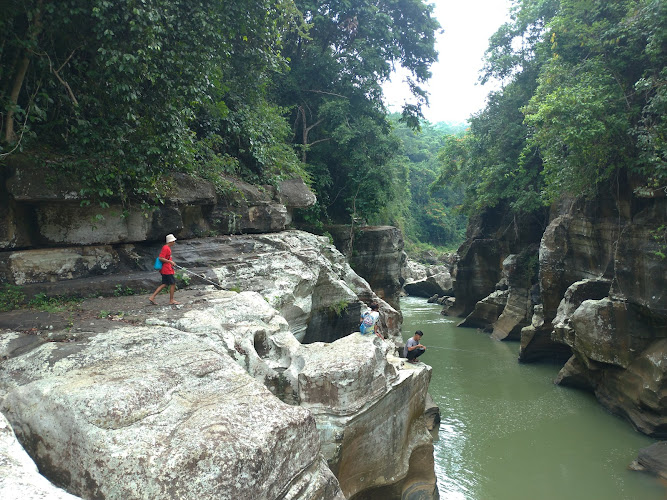
Tonjong Canyon, tucked away in the southern part of Tasikmalaya, is one of those places that quietly takes your breath away. It’s not the kind of tourist spot plastered all over glossy travel brochures, and honestly, that’s part of its charm. The canyon’s walls are carved from ancient rock formations that look like they’ve been sculpted by time itself, and the river that snakes through it glimmers under the sunlight like a ribbon of glass. The air feels fresher here, the kind that makes you want to take a deep breath and just… pause for a moment.
When I first visited, I remember being surprised by how peaceful it was. You could hear the soft rush of the water echoing off the canyon walls, the occasional chirp of a bird, and that was it. No city noise, no crowds pushing for selfies—just nature doing its thing. It’s not a massive tourist hub yet, but that’s exactly what makes it feel special. There’s a raw, unpolished beauty to it, and you can tell the local community takes pride in keeping it that way.
What really stands out about Tonjong Canyon is how it manages to blend adventure with serenity. You can climb around the rocks, dip your feet into the cool river, or just sit and watch the sunlight dance across the water. The place feels alive, but calm—like it’s inviting you to slow down and reconnect with the world around you. And while it’s still developing as a tourist destination, you can sense the potential for it to become one of West Java’s hidden gems.
Key Features
- Natural Rock Formations: The canyon’s towering cliffs are shaped by centuries of water erosion, creating patterns that look almost artistic.
- Clear River Stream: The river running through the canyon is calm and clear, perfect for light swimming or just cooling off your feet on a hot day.
- Affordable Entry: Entrance fees are minimal, making it accessible for all kinds of travelers, from backpackers to families.
- Local Culture: The nearby villages often welcome visitors with warm hospitality—sometimes you might even get invited for a cup of local coffee after your trek.
- Peaceful Atmosphere: Unlike many crowded attractions, Tonjong Canyon still retains a sense of tranquility and authenticity.
- Family-Friendly: The area is suitable for children, with gentle trails and shallow parts of the river that are safe for supervised play.
It’s worth noting that while the canyon doesn’t have wheelchair access or paved paths, it does offer basic amenities like restrooms. It’s a bit rustic, sure, but that’s part of what makes it feel real. You’re not walking into a theme park—you’re stepping into nature’s own masterpiece.
Best Time to Visit
If you’re planning a trip, the dry season—typically from May to September—is hands down the best time to go. The weather’s clear, the river levels are stable, and the canyon walls glow under the golden sunlight. During the rainy months, the water can rise quickly, making some areas slippery and less accessible. I once made the mistake of visiting after a heavy downpour, and let’s just say my shoes didn’t make it back in the same condition. So yeah, dry season is the way to go.
Morning visits are ideal if you want to catch that soft light filtering through the canyon. It’s also cooler then, and you’ll likely have the place mostly to yourself. By afternoon, more locals start to arrive, especially on weekends, turning it into a lively little gathering spot.
How to Get There
Reaching Tonjong Canyon is a bit of an adventure in itself. From Tasikmalaya city, the drive takes around two to three hours, depending on traffic and road conditions. The route winds through small villages, rice fields, and stretches of forest that make the journey feel like part of the experience. You’ll probably want to rent a motorbike or hire a local driver if you’re not familiar with the area—public transport options are limited once you get closer.
The last stretch of road can be a little rough, but don’t let that discourage you. That bumpy ride is kind of a rite of passage. And when you finally catch your first glimpse of the canyon, all the jolts and dust will be forgotten. There’s a small parking area near the entrance, and from there, it’s just a short walk down to the riverbank.
If you’re using GPS, it’s a good idea to download your map offline before heading out. Signal can get patchy in the rural parts. But honestly, getting a little lost isn’t the worst thing—it’s part of the adventure. You might even stumble upon a local warung serving fresh coconut water or fried bananas (which, by the way, taste amazing after a long ride).
Tips for Visiting
A few practical tips can make your trip smoother and more enjoyable. First, wear comfortable shoes with good grip. The rocks can be slippery, especially near the water. Bring extra clothes or a towel if you plan to dip into the river—it’s too tempting not to. And don’t forget sunscreen and insect repellent; nature’s beauty sometimes comes with a few tiny annoyances.
If you’re into photography, bring your camera or phone fully charged. The canyon is ridiculously photogenic, especially when the sunlight hits the water just right. But here’s a tip from experience: put the camera down once in a while. Sit by the river, listen to the water, and just be there. It’s easy to get caught up in capturing the perfect shot and forget to actually live the moment.
Since the area isn’t heavily commercialized, it’s smart to bring your own snacks and water. There are a few small local stalls, but options can be limited depending on the day. Also, take your trash with you when you leave. The locals work hard to keep the canyon clean, and it’s only fair we do our part too.
If you’re traveling with kids, keep an eye on them near the water but don’t worry too much—the calmer sections of the river are safe for supervised play. And if you’re lucky, you might catch sight of local kids diving off the rocks with fearless joy. It’s one of those simple moments that remind you what travel is really about—connection, laughter, and a shared love for the outdoors.
Tonjong Canyon might not have the fame of Indonesia’s big-name attractions, but that’s exactly what makes it worth visiting. It’s a slice of natural wonder that still feels untouched, a place where you can slow down, breathe, and remember what peace feels like. Whether you’re an adventurer, a nature lover, or just someone looking for a quiet escape, Tonjong Canyon delivers something genuine—something real. And in a world that’s always rushing, that’s pretty rare.
Key Features
- Key Features
- Best Time to Visit
- How to Get There
- Tips for Visiting
More Details
Updated November 7, 2025
Table of Contents
Description
Tonjong Canyon, tucked away in the southern part of Tasikmalaya, is one of those places that quietly takes your breath away. It’s not the kind of tourist spot plastered all over glossy travel brochures, and honestly, that’s part of its charm. The canyon’s walls are carved from ancient rock formations that look like they’ve been sculpted by time itself, and the river that snakes through it glimmers under the sunlight like a ribbon of glass. The air feels fresher here, the kind that makes you want to take a deep breath and just… pause for a moment.
When I first visited, I remember being surprised by how peaceful it was. You could hear the soft rush of the water echoing off the canyon walls, the occasional chirp of a bird, and that was it. No city noise, no crowds pushing for selfies—just nature doing its thing. It’s not a massive tourist hub yet, but that’s exactly what makes it feel special. There’s a raw, unpolished beauty to it, and you can tell the local community takes pride in keeping it that way.
What really stands out about Tonjong Canyon is how it manages to blend adventure with serenity. You can climb around the rocks, dip your feet into the cool river, or just sit and watch the sunlight dance across the water. The place feels alive, but calm—like it’s inviting you to slow down and reconnect with the world around you. And while it’s still developing as a tourist destination, you can sense the potential for it to become one of West Java’s hidden gems.
Key Features
- Natural Rock Formations: The canyon’s towering cliffs are shaped by centuries of water erosion, creating patterns that look almost artistic.
- Clear River Stream: The river running through the canyon is calm and clear, perfect for light swimming or just cooling off your feet on a hot day.
- Affordable Entry: Entrance fees are minimal, making it accessible for all kinds of travelers, from backpackers to families.
- Local Culture: The nearby villages often welcome visitors with warm hospitality—sometimes you might even get invited for a cup of local coffee after your trek.
- Peaceful Atmosphere: Unlike many crowded attractions, Tonjong Canyon still retains a sense of tranquility and authenticity.
- Family-Friendly: The area is suitable for children, with gentle trails and shallow parts of the river that are safe for supervised play.
It’s worth noting that while the canyon doesn’t have wheelchair access or paved paths, it does offer basic amenities like restrooms. It’s a bit rustic, sure, but that’s part of what makes it feel real. You’re not walking into a theme park—you’re stepping into nature’s own masterpiece.
Best Time to Visit
If you’re planning a trip, the dry season—typically from May to September—is hands down the best time to go. The weather’s clear, the river levels are stable, and the canyon walls glow under the golden sunlight. During the rainy months, the water can rise quickly, making some areas slippery and less accessible. I once made the mistake of visiting after a heavy downpour, and let’s just say my shoes didn’t make it back in the same condition. So yeah, dry season is the way to go.
Morning visits are ideal if you want to catch that soft light filtering through the canyon. It’s also cooler then, and you’ll likely have the place mostly to yourself. By afternoon, more locals start to arrive, especially on weekends, turning it into a lively little gathering spot.
How to Get There
Reaching Tonjong Canyon is a bit of an adventure in itself. From Tasikmalaya city, the drive takes around two to three hours, depending on traffic and road conditions. The route winds through small villages, rice fields, and stretches of forest that make the journey feel like part of the experience. You’ll probably want to rent a motorbike or hire a local driver if you’re not familiar with the area—public transport options are limited once you get closer.
The last stretch of road can be a little rough, but don’t let that discourage you. That bumpy ride is kind of a rite of passage. And when you finally catch your first glimpse of the canyon, all the jolts and dust will be forgotten. There’s a small parking area near the entrance, and from there, it’s just a short walk down to the riverbank.
If you’re using GPS, it’s a good idea to download your map offline before heading out. Signal can get patchy in the rural parts. But honestly, getting a little lost isn’t the worst thing—it’s part of the adventure. You might even stumble upon a local warung serving fresh coconut water or fried bananas (which, by the way, taste amazing after a long ride).
Tips for Visiting
A few practical tips can make your trip smoother and more enjoyable. First, wear comfortable shoes with good grip. The rocks can be slippery, especially near the water. Bring extra clothes or a towel if you plan to dip into the river—it’s too tempting not to. And don’t forget sunscreen and insect repellent; nature’s beauty sometimes comes with a few tiny annoyances.
If you’re into photography, bring your camera or phone fully charged. The canyon is ridiculously photogenic, especially when the sunlight hits the water just right. But here’s a tip from experience: put the camera down once in a while. Sit by the river, listen to the water, and just be there. It’s easy to get caught up in capturing the perfect shot and forget to actually live the moment.
Since the area isn’t heavily commercialized, it’s smart to bring your own snacks and water. There are a few small local stalls, but options can be limited depending on the day. Also, take your trash with you when you leave. The locals work hard to keep the canyon clean, and it’s only fair we do our part too.
If you’re traveling with kids, keep an eye on them near the water but don’t worry too much—the calmer sections of the river are safe for supervised play. And if you’re lucky, you might catch sight of local kids diving off the rocks with fearless joy. It’s one of those simple moments that remind you what travel is really about—connection, laughter, and a shared love for the outdoors.
Tonjong Canyon might not have the fame of Indonesia’s big-name attractions, but that’s exactly what makes it worth visiting. It’s a slice of natural wonder that still feels untouched, a place where you can slow down, breathe, and remember what peace feels like. Whether you’re an adventurer, a nature lover, or just someone looking for a quiet escape, Tonjong Canyon delivers something genuine—something real. And in a world that’s always rushing, that’s pretty rare.
Key Highlights
- Key Features
- Best Time to Visit
- How to Get There
- Tips for Visiting
Location
Places to Stay Near Tonjong Canyon
Find and Book a Tour
Explore More Travel Guides
No reviews found! Be the first to review!
Traveler Reviews for Tonjong Canyon
There are no reviews yet. Be the first one to write one.
Have you visited Tonjong Canyon? Help other travelers by sharing your review.
You Might Also Like

Horison Tasikmalaya
HIGH ROPE Karang Resik

Kampung Naga
Find Accommodations Nearby
Recommended Tours & Activities
Visitor Reviews
There are no reviews yet. Be the first one to write one.
Share Your Experience
Have you visited Tonjong Canyon? Help other travelers by leaving a review.