
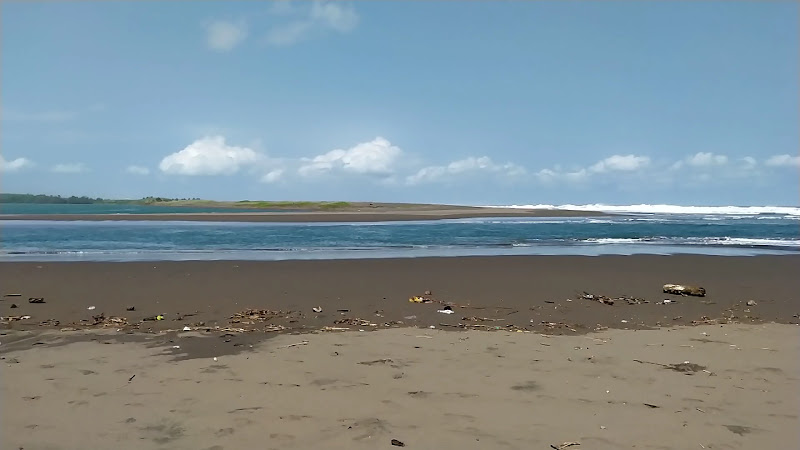
Kalapagenep
About Kalapagenep
Description
Kalapagenep in Cikalong, Tasikmalaya Regency, West Java, is one of those places that quietly surprises you. It’s not the kind of destination plastered all over travel posters or trending hashtags, but maybe that’s what makes it special. The area sits tucked between rolling hills and lush greenery, with the faint hum of rural life echoing in the distance. It’s the sort of place where time slows down—not because there’s nothing to do, but because everything invites you to pause and breathe a little deeper.
From what I’ve seen (and felt), Kalapagenep isn’t about flashy attractions or luxury resorts. It’s more about authenticity—the kind that still smells like rain-soaked soil and freshly brewed coffee. The locals are friendly in that unpretentious way; they’ll greet you with a smile, maybe offer directions, or even share a story about how the area got its name. It’s the kind of genuine hospitality that makes you feel like you’ve stumbled into a community rather than just a tourist spot.
Travelers who come here often mention how the landscape feels both calming and invigorating. The terrain is a mix of rice fields, forested trails, and small streams that catch the sunlight just right in the late afternoon. There’s something deeply grounding about walking those paths, hearing the sounds of nature uninterrupted by city noise. Sure, it’s not perfect—some paths can get muddy after rain, and facilities are modest—but honestly, that’s part of its charm. It still feels real, untouched in many ways, and that’s becoming rare these days.
Kalapagenep has this understated beauty that grows on you the longer you stay. It’s not the kind of place that screams for attention, but rather one that quietly earns your admiration. Travelers looking for peace, local culture, and a bit of adventure will find it here, as long as they come with an open mind and a willingness to slow down.
Key Features
- Natural Landscapes: Rolling hills, rice terraces, and forest trails that offer scenic views perfect for photography and quiet walks.
- Local Culture: Home to traditional Sundanese communities that maintain local crafts and farming practices.
- Cool Climate: The air feels fresher here, especially in the mornings when mist lingers over the fields.
- Outdoor Activities: Great for hiking, light trekking, and nature exploration for those who prefer less commercialized routes.
- Authentic Rural Life: Visitors can experience daily life in a West Javanese village, complete with local markets and traditional food stalls.
- Peaceful Atmosphere: Far from the bustle of major cities, offering a quiet retreat for reflection or creative inspiration.
What stands out most is the balance between nature and community. You can hike through the trails in the morning, chat with locals over coffee at midday, and watch the sunset paint the sky in shades of orange and gold by evening. It’s simple, but it stays with you. I remember sitting by a small stream there once, watching kids play in the water while elders chatted nearby—it felt like a glimpse into a slower, more grounded way of life that many of us crave but rarely find.
Best Time to Visit
If you’re planning a trip to Kalapagenep, timing makes a difference. The dry season, roughly from May to September, is ideal for exploring. The weather stays pleasantly cool, and the trails are easier to navigate without the slippery mud that comes after heavy rains. During this period, you’ll also get clearer views of the surrounding hills and rice terraces—perfect if you’re into photography or just love soaking in natural scenery.
The rainy season, from October to April, has its own charm too. The landscape turns a deeper shade of green, and the streams swell with fresh rainwater. It’s beautiful, no doubt, but you’ll need to be prepared for sudden downpours and the occasional leech on the trail (not fun, but manageable with proper gear). Personally, I prefer the shoulder months—April or October—when the weather is transitioning. The crowds are thinner, and the air feels crisp, almost like the earth itself is taking a deep breath.
How to Get There
Reaching Kalapagenep is part of the adventure. From Tasikmalaya city, it’s a scenic drive through winding roads that cut through hills and small villages. The journey takes about an hour or two depending on traffic and road conditions. Public transportation is limited, so most travelers either rent a car or hire a local driver who knows the routes well. Trust me, having someone familiar with the area helps—a wrong turn can easily lead you onto narrow backroads that aren’t always well-marked.
If you’re coming from Bandung or Jakarta, you can take a train or bus to Tasikmalaya first. From there, local transport options like angkot (shared minivans) or motorcycle taxis can take you closer to the area. The roads can be a bit bumpy in parts, but that’s part of the rural charm. I remember one trip where our driver stopped midway to buy fresh fruit from a roadside stall—it wasn’t planned, but it turned out to be one of the best pineapples I’ve ever tasted. That’s the kind of spontaneous, small joy that traveling through places like Kalapagenep brings out.
Tips for Visiting
Visiting Kalapagenep isn’t complicated, but a few tips can make your experience smoother and more enjoyable:
- Pack for Comfort: Bring sturdy shoes for walking and a light jacket. The mornings and evenings can get cool, especially after rain.
- Respect Local Customs: The community is traditional, so dress modestly and be polite when taking photos or interacting with locals.
- Carry Cash: Don’t rely on ATMs; they’re scarce in the area. Small bills are handy for buying snacks or souvenirs.
- Stay Hydrated: The humidity can sneak up on you. Keep a reusable water bottle handy.
- Hire a Local Guide: They know the hidden trails and stories behind the landmarks you might otherwise miss.
- Be Eco-Conscious: Avoid littering and respect the natural environment. The area’s beauty depends on everyone doing their part.
One more thing—take your time. Don’t rush through Kalapagenep like it’s another box to tick off your travel list. Sit down somewhere quiet, listen to the sounds around you, maybe chat with a local farmer or a group of kids curious about where you’re from. Those are the moments that make travel worthwhile. I’ve found that some of my most memorable travel experiences come from these unplanned interactions, not from the big-ticket attractions.
Kalapagenep may not have the glitz of Bali or the buzz of Jakarta, but that’s exactly why it’s worth visiting. It offers a slice of West Java that feels genuine, peaceful, and deeply connected to nature. Whether you’re a photographer chasing the perfect sunrise, a traveler seeking quiet reflection, or someone just looking to unplug for a while, this place delivers something rare—simplicity with soul. And once you’ve been there, you’ll probably find yourself thinking about it long after you’ve left.
Key Features
- Key Features
- Best Time to Visit
- How to Get There
- Tips for Visiting
More Details
Updated November 6, 2025
Table of Contents
Description
Kalapagenep in Cikalong, Tasikmalaya Regency, West Java, is one of those places that quietly surprises you. It’s not the kind of destination plastered all over travel posters or trending hashtags, but maybe that’s what makes it special. The area sits tucked between rolling hills and lush greenery, with the faint hum of rural life echoing in the distance. It’s the sort of place where time slows down—not because there’s nothing to do, but because everything invites you to pause and breathe a little deeper.
From what I’ve seen (and felt), Kalapagenep isn’t about flashy attractions or luxury resorts. It’s more about authenticity—the kind that still smells like rain-soaked soil and freshly brewed coffee. The locals are friendly in that unpretentious way; they’ll greet you with a smile, maybe offer directions, or even share a story about how the area got its name. It’s the kind of genuine hospitality that makes you feel like you’ve stumbled into a community rather than just a tourist spot.
Travelers who come here often mention how the landscape feels both calming and invigorating. The terrain is a mix of rice fields, forested trails, and small streams that catch the sunlight just right in the late afternoon. There’s something deeply grounding about walking those paths, hearing the sounds of nature uninterrupted by city noise. Sure, it’s not perfect—some paths can get muddy after rain, and facilities are modest—but honestly, that’s part of its charm. It still feels real, untouched in many ways, and that’s becoming rare these days.
Kalapagenep has this understated beauty that grows on you the longer you stay. It’s not the kind of place that screams for attention, but rather one that quietly earns your admiration. Travelers looking for peace, local culture, and a bit of adventure will find it here, as long as they come with an open mind and a willingness to slow down.
Key Features
- Natural Landscapes: Rolling hills, rice terraces, and forest trails that offer scenic views perfect for photography and quiet walks.
- Local Culture: Home to traditional Sundanese communities that maintain local crafts and farming practices.
- Cool Climate: The air feels fresher here, especially in the mornings when mist lingers over the fields.
- Outdoor Activities: Great for hiking, light trekking, and nature exploration for those who prefer less commercialized routes.
- Authentic Rural Life: Visitors can experience daily life in a West Javanese village, complete with local markets and traditional food stalls.
- Peaceful Atmosphere: Far from the bustle of major cities, offering a quiet retreat for reflection or creative inspiration.
What stands out most is the balance between nature and community. You can hike through the trails in the morning, chat with locals over coffee at midday, and watch the sunset paint the sky in shades of orange and gold by evening. It’s simple, but it stays with you. I remember sitting by a small stream there once, watching kids play in the water while elders chatted nearby—it felt like a glimpse into a slower, more grounded way of life that many of us crave but rarely find.
Best Time to Visit
If you’re planning a trip to Kalapagenep, timing makes a difference. The dry season, roughly from May to September, is ideal for exploring. The weather stays pleasantly cool, and the trails are easier to navigate without the slippery mud that comes after heavy rains. During this period, you’ll also get clearer views of the surrounding hills and rice terraces—perfect if you’re into photography or just love soaking in natural scenery.
The rainy season, from October to April, has its own charm too. The landscape turns a deeper shade of green, and the streams swell with fresh rainwater. It’s beautiful, no doubt, but you’ll need to be prepared for sudden downpours and the occasional leech on the trail (not fun, but manageable with proper gear). Personally, I prefer the shoulder months—April or October—when the weather is transitioning. The crowds are thinner, and the air feels crisp, almost like the earth itself is taking a deep breath.
How to Get There
Reaching Kalapagenep is part of the adventure. From Tasikmalaya city, it’s a scenic drive through winding roads that cut through hills and small villages. The journey takes about an hour or two depending on traffic and road conditions. Public transportation is limited, so most travelers either rent a car or hire a local driver who knows the routes well. Trust me, having someone familiar with the area helps—a wrong turn can easily lead you onto narrow backroads that aren’t always well-marked.
If you’re coming from Bandung or Jakarta, you can take a train or bus to Tasikmalaya first. From there, local transport options like angkot (shared minivans) or motorcycle taxis can take you closer to the area. The roads can be a bit bumpy in parts, but that’s part of the rural charm. I remember one trip where our driver stopped midway to buy fresh fruit from a roadside stall—it wasn’t planned, but it turned out to be one of the best pineapples I’ve ever tasted. That’s the kind of spontaneous, small joy that traveling through places like Kalapagenep brings out.
Tips for Visiting
Visiting Kalapagenep isn’t complicated, but a few tips can make your experience smoother and more enjoyable:
- Pack for Comfort: Bring sturdy shoes for walking and a light jacket. The mornings and evenings can get cool, especially after rain.
- Respect Local Customs: The community is traditional, so dress modestly and be polite when taking photos or interacting with locals.
- Carry Cash: Don’t rely on ATMs; they’re scarce in the area. Small bills are handy for buying snacks or souvenirs.
- Stay Hydrated: The humidity can sneak up on you. Keep a reusable water bottle handy.
- Hire a Local Guide: They know the hidden trails and stories behind the landmarks you might otherwise miss.
- Be Eco-Conscious: Avoid littering and respect the natural environment. The area’s beauty depends on everyone doing their part.
One more thing—take your time. Don’t rush through Kalapagenep like it’s another box to tick off your travel list. Sit down somewhere quiet, listen to the sounds around you, maybe chat with a local farmer or a group of kids curious about where you’re from. Those are the moments that make travel worthwhile. I’ve found that some of my most memorable travel experiences come from these unplanned interactions, not from the big-ticket attractions.
Kalapagenep may not have the glitz of Bali or the buzz of Jakarta, but that’s exactly why it’s worth visiting. It offers a slice of West Java that feels genuine, peaceful, and deeply connected to nature. Whether you’re a photographer chasing the perfect sunrise, a traveler seeking quiet reflection, or someone just looking to unplug for a while, this place delivers something rare—simplicity with soul. And once you’ve been there, you’ll probably find yourself thinking about it long after you’ve left.
Key Highlights
- Key Features
- Best Time to Visit
- How to Get There
- Tips for Visiting
Location
Places to Stay Near Kalapagenep
Find and Book a Tour
Explore More Travel Guides
No reviews found! Be the first to review!
Traveler Reviews for Kalapagenep
There are no reviews yet. Be the first one to write one.
Have you visited Kalapagenep? Help other travelers by sharing your review.
You Might Also Like

Bukit Panyangrayan
Wisata Gunung Kedok

Kampung Naga
Find Accommodations Nearby
Recommended Tours & Activities
Visitor Reviews
There are no reviews yet. Be the first one to write one.
Share Your Experience
Have you visited Kalapagenep? Help other travelers by leaving a review.