About Winter Garden

Description

The Winter Garden stands as a remarkable urban sanctuary where nature thrives under glass, creating an all-weather escape that draws visitors year-round. This expansive temperate glasshouse shelters an impressive collection of over 2,000 plant specimens sourced from diverse corners of the globe, making it a living museum of botanical wonders. Walking through its doors feels like stepping into multiple climates simultaneously – you might find yourself surrounded by tropical palms one moment and Mediterranean succulents the next, all while remaining comfortably sheltered from whatever weather is happening outside. What makes this attraction particularly special is how it manages to educate without feeling like a textbook. The plants aren't just sitting there looking pretty (though they certainly do that). Each specimen tells a story about adaptation, survival, and the incredible diversity of plant life our planet supports. I've always found something deeply calming about botanical gardens, and the Winter Garden delivers that sense of peace in abundance. The controlled environment means every visit offers consistent beauty, unlike outdoor gardens that can disappoint during off-seasons. For travelers seeking a respite from typical tourist activities or anyone wanting to reconnect with nature without venturing far from urban amenities, this glasshouse provides an ideal solution. Families appreciate the educational value while couples often find it a romantic backdrop for leisurely strolls. And honestly, on a rainy day when your outdoor plans fall apart, you'll be grateful this option exists.

Key Features

The Winter Garden offers several standout features that elevate it beyond a simple plant collection: • Over 2,000 plant specimens representing botanical diversity from multiple continents and climate zones, arranged thoughtfully to create distinct ecological zones within the glasshouse • Climate-controlled environment ensuring comfortable visits regardless of external weather conditions, making it a perfect rainy-day destination or summer escape from heat • Wheelchair accessible entrance and dedicated accessible parking, demonstrating genuine commitment to inclusive design that allows all visitors to enjoy the experience • Family-friendly atmosphere with educational opportunities that engage children without boring adults, striking that difficult balance many attractions struggle to achieve • Modern payment options including credit cards, debit cards, and NFC mobile payments, eliminating the need to carry cash • Spacious layout that prevents the crowded feeling common in popular tourist spots, allowing for peaceful contemplation even during busier periods • Onsite services that enhance the visitor experience, providing convenience without requiring you to leave and return • Architectural design that creates a light-filled space where plants can thrive while visitors can appreciate both the specimens and the structure itself • Seasonal displays and rotating exhibits that give repeat visitors new experiences, though the core collection remains reliably stunning • Accessible pathways throughout that accommodate strollers, wheelchairs, and anyone with mobility considerations

Best Time to Visit

Here's where the Winter Garden really shines – there isn't necessarily a "bad" time to visit. The controlled climate means the plants look fantastic throughout the year, which is kind of the whole point of a glasshouse, right? But that doesn't mean all visiting times are created equal. Weekday mornings, particularly Tuesday through Thursday, tend to offer the quietest experience. You'll have more space to wander, better photo opportunities without strangers accidentally becoming part of your shots, and a more meditative atmosphere. If you're someone who finds crowds draining (and let's be honest, many of us do), this timing is your golden ticket. Winter months see increased visitor numbers because people are seeking green spaces when the outside world has gone dormant and gray. There's something psychologically restorative about surrounding yourself with lush greenery when everything outside looks dead or dormant. I get it completely – seasonal affective disorder is real, and a dose of tropical plants in January can work wonders for your mood. Spring brings school groups on educational field trips, which means increased noise levels and energy. Not necessarily a negative if you enjoy that lively atmosphere, but potentially frustrating if you're seeking tranquility. Late spring and early summer see fewer visitors as people prefer outdoor gardens during pleasant weather. Rainy days attract visitors looking for indoor activities, so paradoxically, beautiful weather often means lighter crowds inside the glasshouse. Early morning visits right when doors open provide the most serene experience regardless of season. The plants seem to have a particular glow in morning light filtering through the glass overhead. Holiday periods can be hit or miss. Some facilities decorate for seasonal celebrations which adds festive charm, but crowds swell considerably. If you don't mind sharing the space, holiday visits can be quite special.

How to Get There

Reaching the Winter Garden requires some planning, but the journey is straightforward for most travelers. The dedicated accessible parking lot makes driving a convenient option, especially for families or visitors with mobility needs. You won't find yourself circling blocks searching for street parking or hauling tired children long distances from a parking garage. Public transportation serves the area reasonably well, though routes and frequencies vary depending on your starting point. Check local transit schedules in advance because nothing ruins a day trip quite like discovering the return bus runs once every two hours and you just missed it. Been there, done that, learned my lesson. For visitors staying in nearby hotels or accommodations, rideshare services offer a hassle-free alternative. The pickup and drop-off area is clearly marked, and drivers familiar with the area will know exactly where to go. Taxis work equally well, though potentially at higher cost depending on distance. Walking from downtown areas is feasible for energetic travelers, though distances vary considerably depending on where exactly you're staying. Check mapping applications for realistic time estimates and don't underestimate how walking in unfamiliar cities takes longer than expected when you're stopping to check directions or admire surroundings. Bicycle access provides an eco-friendly option for the athletically inclined. Many urban areas now feature bike-sharing programs, though you'll want to verify whether secure bike parking exists at the facility before committing to two-wheeled transportation. The wheelchair accessible entrance isn't hidden around back or through some complicated route – it's designed as a proper entrance that doesn't make accessibility feel like an afterthought. This matters more than you might think if you've never dealt with attractions that treat accessible entry as a grudging accommodation rather than standard design.

Tips for Visiting

Bringing a water bottle ranks high on the practical suggestions list. Glasshouses can get warm even in winter, and while not unbearably hot, you'll appreciate having hydration handy. Most facilities allow outside beverages in sealed containers, though verify specific policies before your visit. Wearing layers makes sense given the temperature differential between outside and the climate-controlled interior. You might arrive bundled against winter cold but find yourself shedding that sweater once you've spent twenty minutes surrounded by tropical plants. Conversely, summer visitors entering from heat appreciate the slightly cooler regulated environment. Photography enthusiasts should bring proper cameras rather than relying solely on phones. The lighting conditions inside glasshouses – natural light filtered through glass and reflected off foliage – creates stunning photographic opportunities. But also, put the camera down periodically and just experience the space without viewing everything through a screen. I know it's tempting to document everything, but your memories will be richer if you're actually present. Comfortable walking shoes aren't optional. Even though the facility is entirely indoors, you'll be on your feet exploring for longer than anticipated. The space is designed for wandering, and you'll want to examine plants closely, circle back to favorites, and generally meander rather than power-walk through. Plan at least 90 minutes for a thorough visit, though plant enthusiasts and photographers could easily spend three hours or more. Rushing defeats the purpose. This isn't an attraction you check off a list and sprint to the next thing – it's meant for slowing down. Kids benefit from some preparation about appropriate behavior. While the facility welcomes children and is genuinely good for families, running and shouting disrupts other visitors and potentially damages plants. A brief conversation about inside voices and gentle touching (where permitted) prevents frustration for everyone. The payment flexibility – accepting cards and mobile payments – means you don't need cash, but having some available never hurts for potential vending machines or donation boxes. Visit during feeding times if the facility maintains any aquatic features with fish or other creatures. Even botanical-focused attractions sometimes incorporate water elements with living inhabitants, and scheduled feedings provide additional interest beyond the plants themselves. Check whether guided tours are offered. Self-guided exploration works perfectly fine, but knowledgeable guides share insights you'd never discover independently. They know which plant is currently blooming spectacularly, which specimen has an fascinating backstory, and which areas visitors typically overlook. Don't skip the less showy plants while gravitating toward obvious showstoppers. Some of the most interesting specimens are modest in appearance but remarkable in adaptation or rarity. Read the informational plaques – they're there for good reason.

Key Features

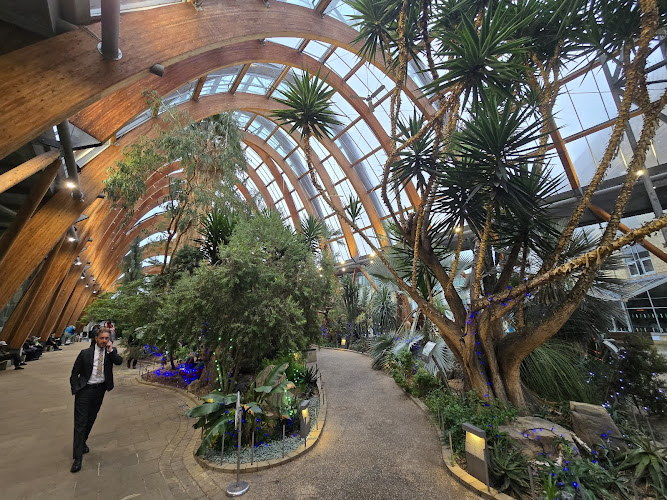
  • Large temperate glasshouse with expansive curved glass roof
  • Over 2,000 plant specimens including tree ferns, bamboos and palms
  • Located next to Peace Gardens and Millennium Gallery in the Heart of the City
  • Accessible, all-weather attraction with level pathways and seating
  • Free entry and close to cafes, public transport and cultural venues

More Details

Updated March 30, 2026

Description

The Winter Garden stands as a remarkable urban sanctuary where nature thrives under glass, creating an all-weather escape that draws visitors year-round. This expansive temperate glasshouse shelters an impressive collection of over 2,000 plant specimens sourced from diverse corners of the globe, making it a living museum of botanical wonders. Walking through its doors feels like stepping into multiple climates simultaneously – you might find yourself surrounded by tropical palms one moment and Mediterranean succulents the next, all while remaining comfortably sheltered from whatever weather is happening outside.

What makes this attraction particularly special is how it manages to educate without feeling like a textbook. The plants aren’t just sitting there looking pretty (though they certainly do that). Each specimen tells a story about adaptation, survival, and the incredible diversity of plant life our planet supports. I’ve always found something deeply calming about botanical gardens, and the Winter Garden delivers that sense of peace in abundance. The controlled environment means every visit offers consistent beauty, unlike outdoor gardens that can disappoint during off-seasons.

For travelers seeking a respite from typical tourist activities or anyone wanting to reconnect with nature without venturing far from urban amenities, this glasshouse provides an ideal solution. Families appreciate the educational value while couples often find it a romantic backdrop for leisurely strolls. And honestly, on a rainy day when your outdoor plans fall apart, you’ll be grateful this option exists.

Key Features

The Winter Garden offers several standout features that elevate it beyond a simple plant collection:

• Over 2,000 plant specimens representing botanical diversity from multiple continents and climate zones, arranged thoughtfully to create distinct ecological zones within the glasshouse

• Climate-controlled environment ensuring comfortable visits regardless of external weather conditions, making it a perfect rainy-day destination or summer escape from heat

• Wheelchair accessible entrance and dedicated accessible parking, demonstrating genuine commitment to inclusive design that allows all visitors to enjoy the experience

• Family-friendly atmosphere with educational opportunities that engage children without boring adults, striking that difficult balance many attractions struggle to achieve

• Modern payment options including credit cards, debit cards, and NFC mobile payments, eliminating the need to carry cash

• Spacious layout that prevents the crowded feeling common in popular tourist spots, allowing for peaceful contemplation even during busier periods

• Onsite services that enhance the visitor experience, providing convenience without requiring you to leave and return

• Architectural design that creates a light-filled space where plants can thrive while visitors can appreciate both the specimens and the structure itself

• Seasonal displays and rotating exhibits that give repeat visitors new experiences, though the core collection remains reliably stunning

• Accessible pathways throughout that accommodate strollers, wheelchairs, and anyone with mobility considerations

Best Time to Visit

Here’s where the Winter Garden really shines – there isn’t necessarily a “bad” time to visit. The controlled climate means the plants look fantastic throughout the year, which is kind of the whole point of a glasshouse, right? But that doesn’t mean all visiting times are created equal.

Weekday mornings, particularly Tuesday through Thursday, tend to offer the quietest experience. You’ll have more space to wander, better photo opportunities without strangers accidentally becoming part of your shots, and a more meditative atmosphere. If you’re someone who finds crowds draining (and let’s be honest, many of us do), this timing is your golden ticket.

Winter months see increased visitor numbers because people are seeking green spaces when the outside world has gone dormant and gray. There’s something psychologically restorative about surrounding yourself with lush greenery when everything outside looks dead or dormant. I get it completely – seasonal affective disorder is real, and a dose of tropical plants in January can work wonders for your mood.

Spring brings school groups on educational field trips, which means increased noise levels and energy. Not necessarily a negative if you enjoy that lively atmosphere, but potentially frustrating if you’re seeking tranquility. Late spring and early summer see fewer visitors as people prefer outdoor gardens during pleasant weather.

Rainy days attract visitors looking for indoor activities, so paradoxically, beautiful weather often means lighter crowds inside the glasshouse. Early morning visits right when doors open provide the most serene experience regardless of season. The plants seem to have a particular glow in morning light filtering through the glass overhead.

Holiday periods can be hit or miss. Some facilities decorate for seasonal celebrations which adds festive charm, but crowds swell considerably. If you don’t mind sharing the space, holiday visits can be quite special.

How to Get There

Reaching the Winter Garden requires some planning, but the journey is straightforward for most travelers. The dedicated accessible parking lot makes driving a convenient option, especially for families or visitors with mobility needs. You won’t find yourself circling blocks searching for street parking or hauling tired children long distances from a parking garage.

Public transportation serves the area reasonably well, though routes and frequencies vary depending on your starting point. Check local transit schedules in advance because nothing ruins a day trip quite like discovering the return bus runs once every two hours and you just missed it. Been there, done that, learned my lesson.

For visitors staying in nearby hotels or accommodations, rideshare services offer a hassle-free alternative. The pickup and drop-off area is clearly marked, and drivers familiar with the area will know exactly where to go. Taxis work equally well, though potentially at higher cost depending on distance.

Walking from downtown areas is feasible for energetic travelers, though distances vary considerably depending on where exactly you’re staying. Check mapping applications for realistic time estimates and don’t underestimate how walking in unfamiliar cities takes longer than expected when you’re stopping to check directions or admire surroundings.

Bicycle access provides an eco-friendly option for the athletically inclined. Many urban areas now feature bike-sharing programs, though you’ll want to verify whether secure bike parking exists at the facility before committing to two-wheeled transportation.

The wheelchair accessible entrance isn’t hidden around back or through some complicated route – it’s designed as a proper entrance that doesn’t make accessibility feel like an afterthought. This matters more than you might think if you’ve never dealt with attractions that treat accessible entry as a grudging accommodation rather than standard design.

Tips for Visiting

Bringing a water bottle ranks high on the practical suggestions list. Glasshouses can get warm even in winter, and while not unbearably hot, you’ll appreciate having hydration handy. Most facilities allow outside beverages in sealed containers, though verify specific policies before your visit.

Wearing layers makes sense given the temperature differential between outside and the climate-controlled interior. You might arrive bundled against winter cold but find yourself shedding that sweater once you’ve spent twenty minutes surrounded by tropical plants. Conversely, summer visitors entering from heat appreciate the slightly cooler regulated environment.

Photography enthusiasts should bring proper cameras rather than relying solely on phones. The lighting conditions inside glasshouses – natural light filtered through glass and reflected off foliage – creates stunning photographic opportunities. But also, put the camera down periodically and just experience the space without viewing everything through a screen. I know it’s tempting to document everything, but your memories will be richer if you’re actually present.

Comfortable walking shoes aren’t optional. Even though the facility is entirely indoors, you’ll be on your feet exploring for longer than anticipated. The space is designed for wandering, and you’ll want to examine plants closely, circle back to favorites, and generally meander rather than power-walk through.

Plan at least 90 minutes for a thorough visit, though plant enthusiasts and photographers could easily spend three hours or more. Rushing defeats the purpose. This isn’t an attraction you check off a list and sprint to the next thing – it’s meant for slowing down.

Kids benefit from some preparation about appropriate behavior. While the facility welcomes children and is genuinely good for families, running and shouting disrupts other visitors and potentially damages plants. A brief conversation about inside voices and gentle touching (where permitted) prevents frustration for everyone.

The payment flexibility – accepting cards and mobile payments – means you don’t need cash, but having some available never hurts for potential vending machines or donation boxes.

Visit during feeding times if the facility maintains any aquatic features with fish or other creatures. Even botanical-focused attractions sometimes incorporate water elements with living inhabitants, and scheduled feedings provide additional interest beyond the plants themselves.

Check whether guided tours are offered. Self-guided exploration works perfectly fine, but knowledgeable guides share insights you’d never discover independently. They know which plant is currently blooming spectacularly, which specimen has an fascinating backstory, and which areas visitors typically overlook.

Don’t skip the less showy plants while gravitating toward obvious showstoppers. Some of the most interesting specimens are modest in appearance but remarkable in adaptation or rarity. Read the informational plaques – they’re there for good reason.

Key Highlights

  • Large temperate glasshouse with expansive curved glass roof
  • Over 2,000 plant specimens including tree ferns, bamboos and palms
  • Located next to Peace Gardens and Millennium Gallery in the Heart of the City
  • Accessible, all-weather attraction with level pathways and seating
  • Free entry and close to cafes, public transport and cultural venues

Location

Places to Stay Near Winter Garden

Find and Book a Tour

Explore More Travel Guides

No reviews found! Be the first to review!

Winter Garden is a prominent attractions located in Sheffield.

Visit us at: 90 Surrey St, Sheffield City Centre, Sheffield S1 2LH, United Kingdom.

Traveler Reviews for Winter Garden

There are no reviews yet. Be the first one to write one.

Share Your Experience

Have you visited Winter Garden? Help other travelers by sharing your review.

Nearby Attractions

Millennium Gallery Peace Gardens Sheffield City Hall

Find Accommodations Nearby

Recommended Tours & Activities

Visitor Reviews

There are no reviews yet. Be the first one to write one.

Share Your Experience

Have you visited Winter Garden? Help other travelers by leaving a review.