

William J. Clinton Library and Museum
About William J. Clinton Library and Museum
Description
The William J. Clinton Library and Museum stands as one of the most comprehensive presidential libraries in the United States, offering travelers an immersive journey through eight transformative years of American history. Located along the Arkansas River, this striking glass and steel structure houses three floors packed with exhibits, artifacts, and memorabilia that chronicle Bill Clinton's life from his Arkansas roots to his time in the White House. The facility sits on a sprawling 30-acre park that provides both indoor and outdoor experiences for visitors wanting to understand this pivotal period in modern American politics. What makes this museum particularly engaging is how it presents the Clinton presidency through multiple lenses—personal, political, and historical. You're not just looking at dusty artifacts behind glass cases here. The museum brings the 1990s back to life in ways that will make anyone who lived through that era feel a bit nostalgic, while younger visitors get to discover what shaped the world they inherited. And honestly, whether you supported Clinton's policies or not, the sheer volume of historical material housed here makes it worth the visit for anyone interested in understanding how recent American history unfolded. The building itself is an architectural statement, designed to represent a bridge to the 21st century—a theme Clinton often used during his presidency. This metaphor extends throughout the museum experience, connecting past to present in thoughtful ways that invite reflection rather than simply demanding admiration. The surrounding park space adds another dimension to your visit, giving you room to walk, think, and process what you've seen inside.Key Features
The William J. Clinton Library and Museum offers travelers an impressive range of features that go well beyond typical museum experiences:- Three full floors of exhibitions covering Clinton's childhood in Arkansas, his governorship, campaign trails, and eight years as the 42nd President of the United States
- A full-scale replica of the Oval Office as it appeared during Clinton's presidency, allowing visitors to step into the exact setting where major decisions were made during the 1990s
- The Cabinet Room recreation where you can sit around the table and imagine the policy discussions that shaped healthcare reform attempts, economic policy, and foreign relations
- An extensive collection of gifts from foreign dignitaries and world leaders, showcasing the diplomatic relationships that defined Clinton's foreign policy approach
- Interactive exhibits that let visitors explore policy decisions and see how presidential choices ripple through society—these are particularly great for kids who might otherwise zone out at a history museum
- Original documents and artifacts including handwritten notes, correspondence, and items from major events like the Oslo Accords and the Good Friday Agreement
- Multimedia presentations featuring video footage, audio recordings, and photographs that capture the era's defining moments from the Oklahoma City bombing to the impeachment proceedings
- A comprehensive archive available for researchers, containing millions of documents, photographs, and electronic records from the Clinton administration
- An onsite theater showing documentaries and films related to the Clinton presidency and contemporary American history
- A well-curated gift shop offering books, memorabilia, and educational materials you won't find elsewhere
- Multiple dining options including a cafe and restaurant, so you can refuel without leaving the complex
- Active military discounts honoring service members and their families
- Full accessibility features including wheelchair accessible entrances, parking, and restrooms throughout the facility
- Free parking on-site, which any traveler knows is increasingly rare at major tourist attractions
- Gender-neutral restrooms and family facilities including changing tables
- Complimentary Wi-Fi throughout the building for those who want to share their experience in real-time or do additional research during their visit
Best Time to Visit
Timing your visit to the William J. Clinton Library and Museum can significantly impact your experience. Based on visitor patterns and local conditions, here's what travelers should consider when planning their trip. The museum experiences its heaviest crowds during summer months, particularly June through August when families are traveling. If you prefer a quieter, more contemplative experience where you can really absorb the exhibits without jostling for position, aim for late fall or early spring. March through May and September through November offer pleasant weather for enjoying the outdoor park areas while avoiding peak tourist season chaos. Weekdays are consistently less crowded than weekends, especially Tuesday through Thursday mornings. If you're flexible with your schedule, arriving right when doors open gives you a solid two hours of relatively peaceful exploration before tour groups and afternoon visitors arrive. I've found that museums in general have this magical quality in the morning when the light is still fresh and you haven't yet hit that mid-afternoon museum fatigue. Winter visits have their own appeal. Yes, you won't spend as much time in the outdoor park spaces, but the museum itself is climate-controlled and comfortable. Plus, January and February see the lowest visitor numbers, meaning you might have entire galleries nearly to yourself. There's something special about standing in that Oval Office replica without a dozen other people crowding in for photos. Special events and temporary exhibitions can draw larger crowds but also offer unique experiences you won't find during regular visits. Check the museum's event calendar before planning your trip—you might time your visit to coincide with a lecture, special exhibit opening, or commemorative program that adds depth to your experience. Weather-wise, Little Rock has hot, humid summers and mild winters. Spring can bring severe weather including thunderstorms, so build flexibility into your schedule during March and April. Fall offers arguably the best combination of pleasant temperatures, lower humidity, and beautiful outdoor conditions for exploring the park grounds.How to Get There
Getting to the William J. Clinton Library and Museum is straightforward whether you're flying in or driving through the region. The facility's location in Little Rock makes it accessible from multiple directions and transportation options. For air travelers, Bill and Hillary Clinton National Airport sits just a few miles from the museum—about a 10-minute drive in normal traffic. This proximity makes the library an excellent first or last stop on a longer Arkansas itinerary. Rental cars are available at the airport from all major companies, and several ride-sharing services operate in Little Rock if you prefer not to drive. If you're road-tripping through the South or exploring Arkansas by car, Little Rock's position at the intersection of Interstate 40 and Interstate 30 makes it easily accessible from most directions. From Memphis, it's roughly a 140-mile drive west on I-40. From Dallas, you're looking at about 315 miles northeast via I-30. The museum itself is well-marked with highway signage as you approach Little Rock, and GPS navigation brings you right to the entrance. Local drivers and those staying in Little Rock hotels will find the museum in the city's River Market District along the Arkansas River. This location places it near other attractions and dining options, so you can easily make a day of exploring this revitalized area. The onsite parking lot is free, which honestly feels like winning the lottery compared to parking fees at many national museums and monuments. Public transportation exists in Little Rock, though the city is generally car-oriented. The Rock Region Metro bus system has routes that serve the downtown area, but checking current schedules and routes before depending on public transit is essential. The museum's accessibility features make it easy to navigate once you arrive, regardless of your transportation method. For travelers combining the Clinton Library with visits to other presidential libraries or historical sites, it fits well into broader itineraries exploring the American South. It's about 350 miles from the George W. Bush Presidential Library in Dallas and roughly 480 miles from the Lyndon B. Johnson Presidential Library in Austin, making it feasible to visit multiple presidential libraries in one extended trip.Tips for Visiting
Making the most of your visit to the William J. Clinton Library and Museum requires some planning and insider knowledge that guidebooks don't always share. Budget at least three to four hours for a thorough visit. Sure, you could rush through in 90 minutes, but you'd be doing yourself a disservice. The exhibits contain dense historical information that rewards careful attention, and the sheer volume of material on display means you'll want time to process what you're seeing. I've always believed museums should be experienced, not just checked off a list, and this facility definitely falls into the "experience" category. Start on the top floor and work your way down. The museum's layout follows a chronological narrative, and beginning at the beginning helps you understand how Clinton's early life and political career shaped his presidency. Working against this flow can leave you feeling disoriented about the timeline. Wear comfortable shoes. This shouldn't need saying, but three floors of standing, walking, and exploring will remind you quickly if you chose fashion over function. The floors are hard, and museum fatigue is real. Bring a water bottle or plan to purchase drinks onsite. The cafe and restaurant offer refreshments, but staying hydrated helps maintain your energy and focus through hours of exhibits. The museum allows sealed water bottles in the galleries. Take advantage of the guided tours if your schedule allows. Docents and staff members often share stories and context that aren't included in the written materials, and their perspectives can illuminate aspects of the exhibits you might otherwise miss. Plus, being able to ask questions of knowledgeable guides beats reading every single placard when you're trying to understand complex policy decisions. The Oval Office replica deserves more than a quick photo. Yes, everyone wants the picture sitting at the President's desk, but take a moment to really look at the details—the books on the shelves, the items on the desk, the view out the windows. These details tell stories about how Clinton worked and what mattered to him during his presidency. If you're visiting with children, grab one of the family activity guides available at the front desk. These help keep younger visitors engaged with age-appropriate questions and scavenger hunt-style activities. The museum is definitely kid-friendly despite dealing with complex political topics, but children benefit from having structured ways to interact with the material. Photography is allowed in most areas, but flash photography may be restricted in certain galleries to protect sensitive documents and artifacts. Respect these rules—archival materials can be damaged by repeated flash exposure, and we all want future visitors to enjoy these same exhibits. Don't skip the park grounds outside. After absorbing so much history indoors, walking along the river and enjoying the landscaped areas provides a nice mental break. The outdoor spaces also offer excellent photo opportunities with the museum's distinctive architecture as a backdrop. Check for special exhibits before your visit. The museum regularly rotates temporary displays that complement the permanent collections, and these limited-time offerings can provide additional context or focus on specific aspects of the Clinton presidency that might particularly interest you. The gift shop actually stocks worthwhile items beyond typical tourist kitsch. Books, historical documentaries, and educational materials related to the 1990s and Clinton presidency make meaningful souvenirs or gifts for the history lovers in your life. If you have research interests or want to dig deeper into specific topics, the archives are available by appointment. This goes beyond typical tourist visits, but scholars, students, and seriously interested citizens can access millions of documents not on public display. Consider visiting the museum as part of exploring Little Rock's broader attractions. The River Market District offers restaurants, shops, and other cultural sites within walking distance, and the museum's location makes it an anchor for a full day of urban exploration. Finally, approach your visit with an open mind regardless of your political leanings. Presidential libraries naturally present their subjects in favorable lights, but the Clinton Library includes coverage of controversies and challenges alongside achievements. The value lies in understanding this period of American history comprehensively, not in partisan point-scoring. Whether you remember the 1990s fondly or critically, the museum offers materials for reflection and learning that transcend simple political narratives.Key Features
- Three full floors of exhibitions covering Clinton's childhood in Arkansas, his governorship, campaign trails, and eight years as the 42nd President of the United States
- A full-scale replica of the Oval Office as it appeared during Clinton's presidency, allowing visitors to step into the exact setting where major decisions were made during the 1990s
- The Cabinet Room recreation where you can sit around the table and imagine the policy discussions that shaped healthcare reform attempts, economic policy, and foreign relations
- An extensive collection of gifts from foreign dignitaries and world leaders, showcasing the diplomatic relationships that defined Clinton's foreign policy approach
- Original documents and artifacts including handwritten notes, correspondence, and items from major events like the Oslo Accords and the Good Friday Agreement
- Multimedia presentations featuring video footage, audio recordings, and photographs that capture the era's defining moments from the Oklahoma City bombing to the impeachment proceedings
- A comprehensive archive available for researchers, containing millions of documents, photographs, and electronic records from the Clinton administration
More Details
Updated January 17, 2026
Table of Contents
- Description
- Key Features
- Best Time to Visit
- How to Get There
- Tips for Visiting
- Key Highlights
- Location
- Places to Stay Near William J. Clinton Library and Museum
- Find and Book a Tour
- Explore More Travel Guides
- Nearby Places You Might Like
- Traveler Reviews for William J. Clinton Library and Museum
- Share Your Experience
Description
The William J. Clinton Library and Museum stands as one of the most comprehensive presidential libraries in the United States, offering travelers an immersive journey through eight transformative years of American history. Located along the Arkansas River, this striking glass and steel structure houses three floors packed with exhibits, artifacts, and memorabilia that chronicle Bill Clinton’s life from his Arkansas roots to his time in the White House. The facility sits on a sprawling 30-acre park that provides both indoor and outdoor experiences for visitors wanting to understand this pivotal period in modern American politics.
What makes this museum particularly engaging is how it presents the Clinton presidency through multiple lenses—personal, political, and historical. You’re not just looking at dusty artifacts behind glass cases here. The museum brings the 1990s back to life in ways that will make anyone who lived through that era feel a bit nostalgic, while younger visitors get to discover what shaped the world they inherited. And honestly, whether you supported Clinton’s policies or not, the sheer volume of historical material housed here makes it worth the visit for anyone interested in understanding how recent American history unfolded.
The building itself is an architectural statement, designed to represent a bridge to the 21st century—a theme Clinton often used during his presidency. This metaphor extends throughout the museum experience, connecting past to present in thoughtful ways that invite reflection rather than simply demanding admiration. The surrounding park space adds another dimension to your visit, giving you room to walk, think, and process what you’ve seen inside.
Key Features
The William J. Clinton Library and Museum offers travelers an impressive range of features that go well beyond typical museum experiences:
- Three full floors of exhibitions covering Clinton’s childhood in Arkansas, his governorship, campaign trails, and eight years as the 42nd President of the United States
- A full-scale replica of the Oval Office as it appeared during Clinton’s presidency, allowing visitors to step into the exact setting where major decisions were made during the 1990s
- The Cabinet Room recreation where you can sit around the table and imagine the policy discussions that shaped healthcare reform attempts, economic policy, and foreign relations
- An extensive collection of gifts from foreign dignitaries and world leaders, showcasing the diplomatic relationships that defined Clinton’s foreign policy approach
- Interactive exhibits that let visitors explore policy decisions and see how presidential choices ripple through society—these are particularly great for kids who might otherwise zone out at a history museum
- Original documents and artifacts including handwritten notes, correspondence, and items from major events like the Oslo Accords and the Good Friday Agreement
- Multimedia presentations featuring video footage, audio recordings, and photographs that capture the era’s defining moments from the Oklahoma City bombing to the impeachment proceedings
- A comprehensive archive available for researchers, containing millions of documents, photographs, and electronic records from the Clinton administration
- An onsite theater showing documentaries and films related to the Clinton presidency and contemporary American history
- A well-curated gift shop offering books, memorabilia, and educational materials you won’t find elsewhere
- Multiple dining options including a cafe and restaurant, so you can refuel without leaving the complex
- Active military discounts honoring service members and their families
- Full accessibility features including wheelchair accessible entrances, parking, and restrooms throughout the facility
- Free parking on-site, which any traveler knows is increasingly rare at major tourist attractions
- Gender-neutral restrooms and family facilities including changing tables
- Complimentary Wi-Fi throughout the building for those who want to share their experience in real-time or do additional research during their visit
Best Time to Visit
Timing your visit to the William J. Clinton Library and Museum can significantly impact your experience. Based on visitor patterns and local conditions, here’s what travelers should consider when planning their trip.
The museum experiences its heaviest crowds during summer months, particularly June through August when families are traveling. If you prefer a quieter, more contemplative experience where you can really absorb the exhibits without jostling for position, aim for late fall or early spring. March through May and September through November offer pleasant weather for enjoying the outdoor park areas while avoiding peak tourist season chaos.
Weekdays are consistently less crowded than weekends, especially Tuesday through Thursday mornings. If you’re flexible with your schedule, arriving right when doors open gives you a solid two hours of relatively peaceful exploration before tour groups and afternoon visitors arrive. I’ve found that museums in general have this magical quality in the morning when the light is still fresh and you haven’t yet hit that mid-afternoon museum fatigue.
Winter visits have their own appeal. Yes, you won’t spend as much time in the outdoor park spaces, but the museum itself is climate-controlled and comfortable. Plus, January and February see the lowest visitor numbers, meaning you might have entire galleries nearly to yourself. There’s something special about standing in that Oval Office replica without a dozen other people crowding in for photos.
Special events and temporary exhibitions can draw larger crowds but also offer unique experiences you won’t find during regular visits. Check the museum’s event calendar before planning your trip—you might time your visit to coincide with a lecture, special exhibit opening, or commemorative program that adds depth to your experience.
Weather-wise, Little Rock has hot, humid summers and mild winters. Spring can bring severe weather including thunderstorms, so build flexibility into your schedule during March and April. Fall offers arguably the best combination of pleasant temperatures, lower humidity, and beautiful outdoor conditions for exploring the park grounds.
How to Get There
Getting to the William J. Clinton Library and Museum is straightforward whether you’re flying in or driving through the region. The facility’s location in Little Rock makes it accessible from multiple directions and transportation options.
For air travelers, Bill and Hillary Clinton National Airport sits just a few miles from the museum—about a 10-minute drive in normal traffic. This proximity makes the library an excellent first or last stop on a longer Arkansas itinerary. Rental cars are available at the airport from all major companies, and several ride-sharing services operate in Little Rock if you prefer not to drive.
If you’re road-tripping through the South or exploring Arkansas by car, Little Rock’s position at the intersection of Interstate 40 and Interstate 30 makes it easily accessible from most directions. From Memphis, it’s roughly a 140-mile drive west on I-40. From Dallas, you’re looking at about 315 miles northeast via I-30. The museum itself is well-marked with highway signage as you approach Little Rock, and GPS navigation brings you right to the entrance.
Local drivers and those staying in Little Rock hotels will find the museum in the city’s River Market District along the Arkansas River. This location places it near other attractions and dining options, so you can easily make a day of exploring this revitalized area. The onsite parking lot is free, which honestly feels like winning the lottery compared to parking fees at many national museums and monuments.
Public transportation exists in Little Rock, though the city is generally car-oriented. The Rock Region Metro bus system has routes that serve the downtown area, but checking current schedules and routes before depending on public transit is essential. The museum’s accessibility features make it easy to navigate once you arrive, regardless of your transportation method.
For travelers combining the Clinton Library with visits to other presidential libraries or historical sites, it fits well into broader itineraries exploring the American South. It’s about 350 miles from the George W. Bush Presidential Library in Dallas and roughly 480 miles from the Lyndon B. Johnson Presidential Library in Austin, making it feasible to visit multiple presidential libraries in one extended trip.
Tips for Visiting
Making the most of your visit to the William J. Clinton Library and Museum requires some planning and insider knowledge that guidebooks don’t always share.
Budget at least three to four hours for a thorough visit. Sure, you could rush through in 90 minutes, but you’d be doing yourself a disservice. The exhibits contain dense historical information that rewards careful attention, and the sheer volume of material on display means you’ll want time to process what you’re seeing. I’ve always believed museums should be experienced, not just checked off a list, and this facility definitely falls into the “experience” category.
Start on the top floor and work your way down. The museum’s layout follows a chronological narrative, and beginning at the beginning helps you understand how Clinton’s early life and political career shaped his presidency. Working against this flow can leave you feeling disoriented about the timeline.
Wear comfortable shoes. This shouldn’t need saying, but three floors of standing, walking, and exploring will remind you quickly if you chose fashion over function. The floors are hard, and museum fatigue is real.
Bring a water bottle or plan to purchase drinks onsite. The cafe and restaurant offer refreshments, but staying hydrated helps maintain your energy and focus through hours of exhibits. The museum allows sealed water bottles in the galleries.
Take advantage of the guided tours if your schedule allows. Docents and staff members often share stories and context that aren’t included in the written materials, and their perspectives can illuminate aspects of the exhibits you might otherwise miss. Plus, being able to ask questions of knowledgeable guides beats reading every single placard when you’re trying to understand complex policy decisions.
The Oval Office replica deserves more than a quick photo. Yes, everyone wants the picture sitting at the President’s desk, but take a moment to really look at the details—the books on the shelves, the items on the desk, the view out the windows. These details tell stories about how Clinton worked and what mattered to him during his presidency.
If you’re visiting with children, grab one of the family activity guides available at the front desk. These help keep younger visitors engaged with age-appropriate questions and scavenger hunt-style activities. The museum is definitely kid-friendly despite dealing with complex political topics, but children benefit from having structured ways to interact with the material.
Photography is allowed in most areas, but flash photography may be restricted in certain galleries to protect sensitive documents and artifacts. Respect these rules—archival materials can be damaged by repeated flash exposure, and we all want future visitors to enjoy these same exhibits.
Don’t skip the park grounds outside. After absorbing so much history indoors, walking along the river and enjoying the landscaped areas provides a nice mental break. The outdoor spaces also offer excellent photo opportunities with the museum’s distinctive architecture as a backdrop.
Check for special exhibits before your visit. The museum regularly rotates temporary displays that complement the permanent collections, and these limited-time offerings can provide additional context or focus on specific aspects of the Clinton presidency that might particularly interest you.
The gift shop actually stocks worthwhile items beyond typical tourist kitsch. Books, historical documentaries, and educational materials related to the 1990s and Clinton presidency make meaningful souvenirs or gifts for the history lovers in your life.
If you have research interests or want to dig deeper into specific topics, the archives are available by appointment. This goes beyond typical tourist visits, but scholars, students, and seriously interested citizens can access millions of documents not on public display.
Consider visiting the museum as part of exploring Little Rock’s broader attractions. The River Market District offers restaurants, shops, and other cultural sites within walking distance, and the museum’s location makes it an anchor for a full day of urban exploration.
Finally, approach your visit with an open mind regardless of your political leanings. Presidential libraries naturally present their subjects in favorable lights, but the Clinton Library includes coverage of controversies and challenges alongside achievements. The value lies in understanding this period of American history comprehensively, not in partisan point-scoring. Whether you remember the 1990s fondly or critically, the museum offers materials for reflection and learning that transcend simple political narratives.
Key Highlights
- Three full floors of exhibitions covering Clinton's childhood in Arkansas, his governorship, campaign trails, and eight years as the 42nd President of the United States
- A full-scale replica of the Oval Office as it appeared during Clinton's presidency, allowing visitors to step into the exact setting where major decisions were made during the 1990s
- The Cabinet Room recreation where you can sit around the table and imagine the policy discussions that shaped healthcare reform attempts, economic policy, and foreign relations
- An extensive collection of gifts from foreign dignitaries and world leaders, showcasing the diplomatic relationships that defined Clinton's foreign policy approach
- Original documents and artifacts including handwritten notes, correspondence, and items from major events like the Oslo Accords and the Good Friday Agreement
- Multimedia presentations featuring video footage, audio recordings, and photographs that capture the era's defining moments from the Oklahoma City bombing to the impeachment proceedings
- A comprehensive archive available for researchers, containing millions of documents, photographs, and electronic records from the Clinton administration
Location
Places to Stay Near William J. Clinton Library and Museum
Find and Book a Tour
Explore More Travel Guides
No reviews found! Be the first to review!
Traveler Reviews for William J. Clinton Library and Museum
There are no reviews yet. Be the first one to write one.
Have you visited William J. Clinton Library and Museum? Help other travelers by sharing your review.
You Might Also Like

Central High Museum
Arkansas Governor’s Mansion
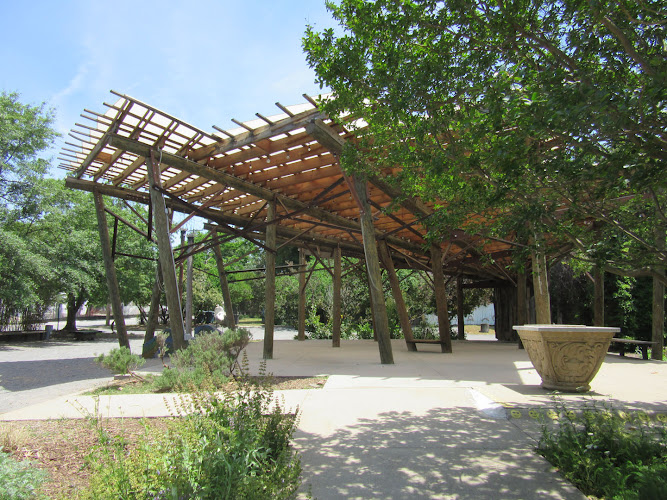
The Bernice Garden
Find Accommodations Nearby
Recommended Tours & Activities
Visitor Reviews
There are no reviews yet. Be the first one to write one.
Share Your Experience
Have you visited William J. Clinton Library and Museum? Help other travelers by leaving a review.