
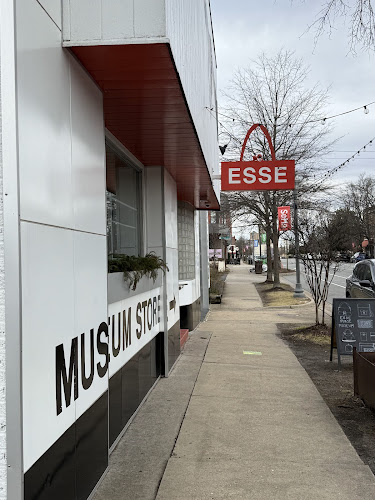
ESSE Purse Museum & Store
About ESSE Purse Museum & Store
Description
The ESSE Purse Museum & Store stands as one of those delightful oddities that makes travel genuinely memorable. And honestly, when was the last time you visited a museum dedicated entirely to handbags? This women-owned establishment has carved out a unique niche in the tourism landscape by transforming what could have been a simple retail experience into an educational journey through twentieth-century American social history. The museum's permanent exhibition showcases an impressive collection of purses dating from 1900 through 1999, but here's what makes it truly special—these aren't just empty bags sitting behind glass. Each purse is displayed with its original contents intact, offering visitors an intimate glimpse into the daily lives of women across ten decades. You'll find yourself peering into these time capsules, discovering everything from vintage cosmetics and currency to handwritten notes and photographs that belonged to real women navigating their everyday existence. What struck me when I first learned about this place was how it manages to be both a fashion accessories store and a legitimate history museum without compromising either identity. The retail component features contemporary handbags and accessories for purchase, while the museum portion delivers substantive historical context about how purses evolved alongside women's changing roles in society. It's an attraction that recognizes purses as more than fashion statements—they're artifacts that tell stories about economic conditions, social expectations, beauty standards, and women's increasing independence throughout the 1900s. The establishment operates with full accessibility in mind, featuring wheelchair-accessible entrances, parking, and restrooms, plus gender-neutral facilities. They accept all major payment methods including mobile payments, making the experience convenient for modern travelers. But don't expect delivery services or off-site options—this is an experience best enjoyed in person, where you can actually see these remarkable collections up close.Key Features
The ESSE Purse Museum & Store offers several distinctive elements that set it apart from typical tourist attractions:- Decade-by-Decade Exhibitions: The museum organizes its collection chronologically, allowing visitors to trace the evolution of handbag design and women's personal items through each decade of the twentieth century
- Original Contents Preserved: Unlike most fashion museums that display empty accessories, each purse contains the actual items its original owner carried, creating an authentically personal historical record
- Women's Social History Focus: The exhibits contextualize handbags within broader themes of women's rights, employment, fashion trends, and cultural shifts across 100 years
- Dual Museum-Retail Experience: Visitors can appreciate historical pieces while also shopping for contemporary handbags and fashion accessories in the same location
- Women-Owned Business: The establishment proudly identifies as women-owned, adding authenticity to its mission of preserving and celebrating items central to women's daily lives
- Intimate Viewing Experience: The museum's layout encourages close examination of artifacts, offering insights into personal details that larger institutions often overlook
- Complete Accessibility: Full wheelchair accessibility throughout the facility ensures all visitors can enjoy the entire experience regardless of mobility needs
- Educational Programming: Beyond static displays, the museum provides historical context that transforms casual browsing into genuine learning about twentieth-century American culture
Best Time to Visit
Planning your visit to the ESSE Purse Museum & Store requires some strategic thinking, though honestly, this isn't one of those attractions where crowds become overwhelming. That said, timing can significantly affect your experience. Weekday mornings tend to offer the most peaceful viewing conditions. You'll have more space to linger over individual displays and really absorb the details of each purse's contents without feeling rushed. There's something meditative about studying these artifacts when the space isn't buzzing with activity—you can take your time reading the accompanying information and appreciating the craftsmanship. If you're visiting during tourist season, which varies depending on the region, aim for early afternoon on Tuesdays through Thursdays. These mid-week windows typically see fewer visitors than weekends, when both tourists and locals might stop by. Weekend visits aren't terrible by any means, but if you're someone who prefers contemplative museum experiences over social ones, you'll want to avoid Saturday afternoons. Weather doesn't particularly matter since this is an indoor attraction, which makes it a perfect backup plan for rainy days or excessively hot afternoons when outdoor activities lose their appeal. I've found that museum visits often work best as midday breaks during longer travel itineraries—you get climate-controlled comfort and mental stimulation between more physically demanding activities. For photography enthusiasts (and let's be honest, who isn't snapping photos these days), natural lighting conditions remain fairly consistent throughout operating hours. But morning light tends to be slightly softer, which can help if you're trying to capture details without harsh glare on the display cases. Special events occasionally occur at the museum, so checking ahead might reveal opportunities to attend talks, trunk shows, or themed exhibitions that align with your interests. These events can enhance your visit substantially, offering deeper engagement with the subject matter than a standard walkthrough provides.How to Get There
Getting to the ESSE Purse Museum & Store proves straightforward for most travelers, though your approach will obviously depend on your starting point and preferred transportation method. For those driving, the museum offers wheelchair-accessible parking on-site, which eliminates the hassle of searching for street parking or walking long distances from remote lots. GPS navigation systems will get you there without much difficulty—just punch in the museum's name and follow the directions. The facility's accessible entrance means you won't be struggling with stairs or awkward entry points once you arrive. If you're staying in the downtown area of the city, depending on distance, walking might be viable. Many travelers underestimate how pleasant urban walking can be when you're not in a rush, and it gives you a chance to observe local architecture and street life you'd miss from a car window. Rideshare services like Uber and Lyft work perfectly for this destination. You can request pickup directly at the entrance, which is particularly convenient if you've made purchases in the store and don't want to carry shopping bags long distances. The accessible entrance also makes rideshare drop-offs and pickups simple for visitors with mobility devices. Public transportation users should map their route in advance using local transit apps. Bus routes often provide reasonable access to the museum's vicinity, though you'll want to verify current schedules since they can change. Giving yourself extra time for public transit connections never hurts—missed connections or delayed buses can throw off your whole itinerary if you've scheduled things too tightly. Bicycle riders will find the area generally accommodating, though you should verify whether bike racks are available near the entrance before committing to two-wheeled transportation. There's nothing worse than arriving somewhere on a bike only to discover there's nowhere secure to lock it.Tips for Visiting
Making the most of your ESSE Purse Museum & Store experience requires a bit of insider knowledge that guidebooks often skip over. First, don't rush through this museum. I know that sounds obvious, but travelers often treat smaller museums as quick checkboxes on their itinerary. The real magic here lives in the details—those small personal items tucked inside each purse that reveal intimate aspects of women's daily lives. Budget at least an hour, preferably ninety minutes, to truly appreciate what you're seeing. You might think examining old handbags wouldn't take that long, but once you start reading the stories and context behind each piece, time disappears. Bring reading glasses if you need them. The museum displays include informational text that provides crucial context, and some of the items inside the purses are quite small. You'll want to read labels, dates, and descriptions to fully understand what you're viewing. Photography policies should be confirmed upon arrival, but generally speaking, museums appreciate when visitors ask before photographing. Even if photos are allowed, be respectful of other guests—nobody enjoys having someone's camera constantly in their peripheral vision. And turn off your flash, which can damage historical artifacts and creates awful reflections on display glass anyway. The retail component deserves serious attention even if you didn't come planning to shop. The store carries quality pieces that make excellent souvenirs or gifts, and purchasing from a women-owned business that's preserving cultural history feels better than buying generic tourist merchandise elsewhere. Plus, you can tell people back home that your new handbag came from a purse museum, which is a conversation starter. Comfortable shoes matter more than you might expect. Museum floors get tiring after extended standing and walking, even in relatively small spaces. Your feet will thank you for choosing practical footwear over fashionable but uncomfortable options. Consider visiting on a day when your brain is fresh. This isn't the kind of attraction you want to squeeze in at the end of an exhausting day when you're already mentally drained from other activities. The exhibits reward attentive, engaged viewing—you'll get so much more from the experience when you can focus properly. The accessible facilities mean visitors with various needs can tour comfortably, but it never hurts to call ahead if you have specific accessibility questions or requirements beyond the standard offerings. Staff can provide additional information and ensure your visit goes smoothly. Finally, chat with the staff if they're available and not busy with other visitors. People who work at specialized museums like this often possess deep knowledge about the subject matter and can share insights you won't find on the display cards. They might point out particular pieces that align with your interests or explain fascinating backstories that aren't included in the written materials. Don't skip the gift shop on your way out, even if you're not buying anything. Museum stores often stock books, postcards, and unique items related to the exhibits that can extend your learning beyond the visit itself. And honestly, after spending time surrounded by beautiful handbags, you might find yourself wanting a little something to remember the experience.Key Features
- Decade-by-decade exhibits tracing 20th-century women's lives through purses
- Curated gift shop featuring artisan and contemporary handbags
- Unique, small-museum experience with high Instagram appeal
- Women-owned, locally rooted business with knowledgeable staff
- Located in Little Rock's SoMa/Main Street arts and shopping district
More Details
Updated January 17, 2026
Table of Contents
Description
The ESSE Purse Museum & Store stands as one of those delightful oddities that makes travel genuinely memorable. And honestly, when was the last time you visited a museum dedicated entirely to handbags? This women-owned establishment has carved out a unique niche in the tourism landscape by transforming what could have been a simple retail experience into an educational journey through twentieth-century American social history.
The museum’s permanent exhibition showcases an impressive collection of purses dating from 1900 through 1999, but here’s what makes it truly special—these aren’t just empty bags sitting behind glass. Each purse is displayed with its original contents intact, offering visitors an intimate glimpse into the daily lives of women across ten decades. You’ll find yourself peering into these time capsules, discovering everything from vintage cosmetics and currency to handwritten notes and photographs that belonged to real women navigating their everyday existence.
What struck me when I first learned about this place was how it manages to be both a fashion accessories store and a legitimate history museum without compromising either identity. The retail component features contemporary handbags and accessories for purchase, while the museum portion delivers substantive historical context about how purses evolved alongside women’s changing roles in society. It’s an attraction that recognizes purses as more than fashion statements—they’re artifacts that tell stories about economic conditions, social expectations, beauty standards, and women’s increasing independence throughout the 1900s.
The establishment operates with full accessibility in mind, featuring wheelchair-accessible entrances, parking, and restrooms, plus gender-neutral facilities. They accept all major payment methods including mobile payments, making the experience convenient for modern travelers. But don’t expect delivery services or off-site options—this is an experience best enjoyed in person, where you can actually see these remarkable collections up close.
Key Features
The ESSE Purse Museum & Store offers several distinctive elements that set it apart from typical tourist attractions:
- Decade-by-Decade Exhibitions: The museum organizes its collection chronologically, allowing visitors to trace the evolution of handbag design and women’s personal items through each decade of the twentieth century
- Original Contents Preserved: Unlike most fashion museums that display empty accessories, each purse contains the actual items its original owner carried, creating an authentically personal historical record
- Women’s Social History Focus: The exhibits contextualize handbags within broader themes of women’s rights, employment, fashion trends, and cultural shifts across 100 years
- Dual Museum-Retail Experience: Visitors can appreciate historical pieces while also shopping for contemporary handbags and fashion accessories in the same location
- Women-Owned Business: The establishment proudly identifies as women-owned, adding authenticity to its mission of preserving and celebrating items central to women’s daily lives
- Intimate Viewing Experience: The museum’s layout encourages close examination of artifacts, offering insights into personal details that larger institutions often overlook
- Complete Accessibility: Full wheelchair accessibility throughout the facility ensures all visitors can enjoy the entire experience regardless of mobility needs
- Educational Programming: Beyond static displays, the museum provides historical context that transforms casual browsing into genuine learning about twentieth-century American culture
Best Time to Visit
Planning your visit to the ESSE Purse Museum & Store requires some strategic thinking, though honestly, this isn’t one of those attractions where crowds become overwhelming. That said, timing can significantly affect your experience.
Weekday mornings tend to offer the most peaceful viewing conditions. You’ll have more space to linger over individual displays and really absorb the details of each purse’s contents without feeling rushed. There’s something meditative about studying these artifacts when the space isn’t buzzing with activity—you can take your time reading the accompanying information and appreciating the craftsmanship.
If you’re visiting during tourist season, which varies depending on the region, aim for early afternoon on Tuesdays through Thursdays. These mid-week windows typically see fewer visitors than weekends, when both tourists and locals might stop by. Weekend visits aren’t terrible by any means, but if you’re someone who prefers contemplative museum experiences over social ones, you’ll want to avoid Saturday afternoons.
Weather doesn’t particularly matter since this is an indoor attraction, which makes it a perfect backup plan for rainy days or excessively hot afternoons when outdoor activities lose their appeal. I’ve found that museum visits often work best as midday breaks during longer travel itineraries—you get climate-controlled comfort and mental stimulation between more physically demanding activities.
For photography enthusiasts (and let’s be honest, who isn’t snapping photos these days), natural lighting conditions remain fairly consistent throughout operating hours. But morning light tends to be slightly softer, which can help if you’re trying to capture details without harsh glare on the display cases.
Special events occasionally occur at the museum, so checking ahead might reveal opportunities to attend talks, trunk shows, or themed exhibitions that align with your interests. These events can enhance your visit substantially, offering deeper engagement with the subject matter than a standard walkthrough provides.
How to Get There
Getting to the ESSE Purse Museum & Store proves straightforward for most travelers, though your approach will obviously depend on your starting point and preferred transportation method.
For those driving, the museum offers wheelchair-accessible parking on-site, which eliminates the hassle of searching for street parking or walking long distances from remote lots. GPS navigation systems will get you there without much difficulty—just punch in the museum’s name and follow the directions. The facility’s accessible entrance means you won’t be struggling with stairs or awkward entry points once you arrive.
If you’re staying in the downtown area of the city, depending on distance, walking might be viable. Many travelers underestimate how pleasant urban walking can be when you’re not in a rush, and it gives you a chance to observe local architecture and street life you’d miss from a car window.
Rideshare services like Uber and Lyft work perfectly for this destination. You can request pickup directly at the entrance, which is particularly convenient if you’ve made purchases in the store and don’t want to carry shopping bags long distances. The accessible entrance also makes rideshare drop-offs and pickups simple for visitors with mobility devices.
Public transportation users should map their route in advance using local transit apps. Bus routes often provide reasonable access to the museum’s vicinity, though you’ll want to verify current schedules since they can change. Giving yourself extra time for public transit connections never hurts—missed connections or delayed buses can throw off your whole itinerary if you’ve scheduled things too tightly.
Bicycle riders will find the area generally accommodating, though you should verify whether bike racks are available near the entrance before committing to two-wheeled transportation. There’s nothing worse than arriving somewhere on a bike only to discover there’s nowhere secure to lock it.
Tips for Visiting
Making the most of your ESSE Purse Museum & Store experience requires a bit of insider knowledge that guidebooks often skip over.
First, don’t rush through this museum. I know that sounds obvious, but travelers often treat smaller museums as quick checkboxes on their itinerary. The real magic here lives in the details—those small personal items tucked inside each purse that reveal intimate aspects of women’s daily lives. Budget at least an hour, preferably ninety minutes, to truly appreciate what you’re seeing. You might think examining old handbags wouldn’t take that long, but once you start reading the stories and context behind each piece, time disappears.
Bring reading glasses if you need them. The museum displays include informational text that provides crucial context, and some of the items inside the purses are quite small. You’ll want to read labels, dates, and descriptions to fully understand what you’re viewing.
Photography policies should be confirmed upon arrival, but generally speaking, museums appreciate when visitors ask before photographing. Even if photos are allowed, be respectful of other guests—nobody enjoys having someone’s camera constantly in their peripheral vision. And turn off your flash, which can damage historical artifacts and creates awful reflections on display glass anyway.
The retail component deserves serious attention even if you didn’t come planning to shop. The store carries quality pieces that make excellent souvenirs or gifts, and purchasing from a women-owned business that’s preserving cultural history feels better than buying generic tourist merchandise elsewhere. Plus, you can tell people back home that your new handbag came from a purse museum, which is a conversation starter.
Comfortable shoes matter more than you might expect. Museum floors get tiring after extended standing and walking, even in relatively small spaces. Your feet will thank you for choosing practical footwear over fashionable but uncomfortable options.
Consider visiting on a day when your brain is fresh. This isn’t the kind of attraction you want to squeeze in at the end of an exhausting day when you’re already mentally drained from other activities. The exhibits reward attentive, engaged viewing—you’ll get so much more from the experience when you can focus properly.
The accessible facilities mean visitors with various needs can tour comfortably, but it never hurts to call ahead if you have specific accessibility questions or requirements beyond the standard offerings. Staff can provide additional information and ensure your visit goes smoothly.
Finally, chat with the staff if they’re available and not busy with other visitors. People who work at specialized museums like this often possess deep knowledge about the subject matter and can share insights you won’t find on the display cards. They might point out particular pieces that align with your interests or explain fascinating backstories that aren’t included in the written materials.
Don’t skip the gift shop on your way out, even if you’re not buying anything. Museum stores often stock books, postcards, and unique items related to the exhibits that can extend your learning beyond the visit itself. And honestly, after spending time surrounded by beautiful handbags, you might find yourself wanting a little something to remember the experience.
Key Highlights
- Decade-by-decade exhibits tracing 20th-century women’s lives through purses
- Curated gift shop featuring artisan and contemporary handbags
- Unique, small-museum experience with high Instagram appeal
- Women-owned, locally rooted business with knowledgeable staff
- Located in Little Rock’s SoMa/Main Street arts and shopping district
Location
Places to Stay Near ESSE Purse Museum & Store
Find and Book a Tour
Explore More Travel Guides
No reviews found! Be the first to review!
Traveler Reviews for ESSE Purse Museum & Store
There are no reviews yet. Be the first one to write one.
Have you visited ESSE Purse Museum & Store? Help other travelers by sharing your review.
Nearby Attractions
You Might Also Like
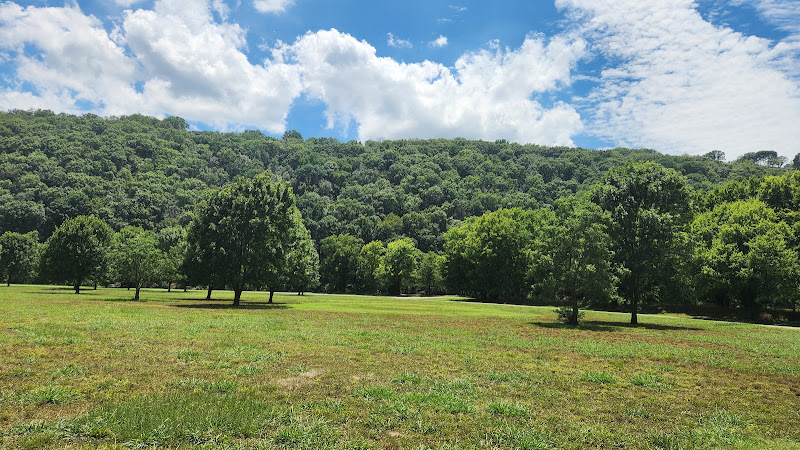
Two Rivers Park

Central High Museum
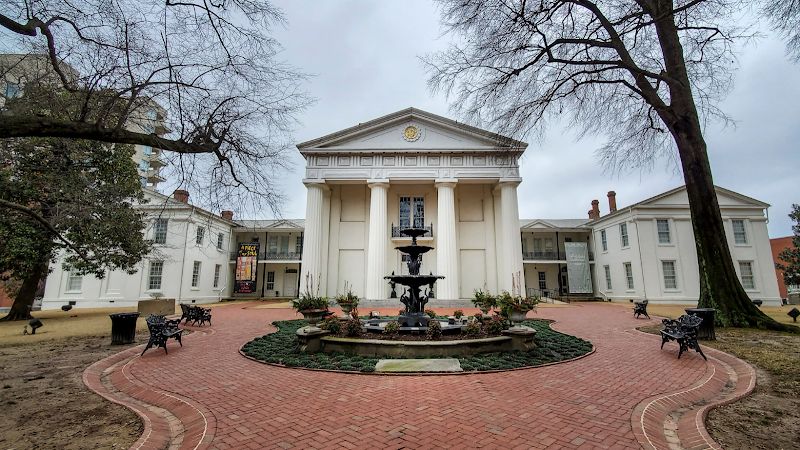
Old State House Museum
Find Accommodations Nearby
Recommended Tours & Activities
Visitor Reviews
There are no reviews yet. Be the first one to write one.
Share Your Experience
Have you visited ESSE Purse Museum & Store? Help other travelers by leaving a review.